You’ve invested in your barbell set to boost your strength and fitness, but are you giving it the care it deserves? Cleaning your barbell isn’t just about keeping it looking good—it’s essential for maintaining its performance and extending its lifespan.
If your barbell is covered in chalk, sweat, or even rust, it can affect your grip and safety during workouts. Don’t worry—cleaning your barbell set is easier than you think. In this guide, you’ll discover simple, effective steps to keep your barbell in top shape so you can focus on crushing your fitness goals without any distractions.
Ready to make your barbell feel like new again? Let’s get started!

Credit: www.youtube.com
Barbell Types And Materials
Understanding the types and materials of barbells helps in cleaning them properly. Different barbells need different care. Knowing their material protects the bar and extends its life.
Common Barbell Materials
Most barbells are made from steel. Steel is strong and lasts long. Some bars have a chrome or zinc coating. This coating stops rust and gives a smooth feel.
Other barbells use stainless steel. It resists rust very well. Some barbells have a black oxide finish. This finish helps stop corrosion but needs special cleaning.
There are also barbells with knurling. Knurling means small grooves on the bar. It helps grip but can trap dirt and chalk.
How Material Affects Cleaning
Steel barbells need regular wiping to stop rust. Use a dry cloth after workouts. Avoid water on bare steel. It can cause rust fast.
Chrome and zinc coatings are easier to clean. A damp cloth can remove sweat and dirt. Dry the bar well after cleaning.
Stainless steel bars need less care. Still, clean them with a soft cloth. Avoid harsh cleaners that can damage the finish.
Black oxide bars need gentle cleaning. Use a mild cleaner and dry quickly. Too much moisture can ruin the finish.
Knurling requires careful cleaning. Use a brush to remove chalk and dust. Clean inside grooves to keep grip strong.
Tools And Supplies Needed
Cleaning a barbell set requires specific tools and supplies to ensure safety and effectiveness. Using the right items protects the metal and maintains the barbell’s performance. Prepare all your materials before starting to avoid interruptions.
Cleaning Agents
Choose a gentle cleaning agent to remove dirt and sweat. Mild dish soap diluted in warm water works well. Avoid harsh chemicals that can damage the metal finish. Rubbing alcohol also helps remove grime and kills bacteria. Use it sparingly to prevent drying out the bar.
Brushes And Cloths
Use a stiff nylon brush to clean knurling and textured areas. This removes chalk and rust without scratching. Soft microfiber cloths are perfect for wiping down smooth surfaces. Avoid steel wool as it can scratch and damage the barbell. Keep multiple cloths handy for different cleaning stages.
Lubricants And Oils
Apply a light lubricant to the sleeves and moving parts to prevent rust. Use a silicone-based oil or 3-in-1 machine oil for best results. Avoid heavy oils that attract dust and dirt. Wipe off excess oil to keep the barbell clean and safe to use.
Step-by-step Cleaning Process
Keeping your barbell set clean is essential for safety and performance. A proper cleaning routine extends the life of your equipment. Follow this step-by-step cleaning process to maintain your barbell set in top shape.
Initial Inspection
Start by checking the barbell for rust, dirt, or damage. Look closely at the shaft and sleeves. Identify areas that need extra cleaning or repair. This helps plan your cleaning steps effectively.
Removing Loose Dirt And Chalk
Use a dry brush to remove dust and chalk from the barbell. A stiff nylon brush works well for this. Brush along the knurling to clear out debris. Avoid using water at this stage to prevent rust.
Deep Cleaning The Shaft
Apply a small amount of mild dish soap mixed with warm water. Use a soft cloth to scrub the shaft gently. Focus on the knurled areas to remove built-up grime. Rinse the cloth and wipe off soap residues carefully.
Cleaning The Sleeves And Bearings
Remove the collars if possible to access the sleeves. Wipe sleeves with a cloth dampened in soapy water. For bearings, use a light machine oil to lubricate them. Spin the sleeves to distribute oil evenly and prevent rust.
Drying Techniques
Dry the barbell thoroughly using a clean, dry towel. Pay attention to the knurling and sleeves. Let the barbell air dry in a well-ventilated space. Ensure no moisture remains to avoid rust formation.
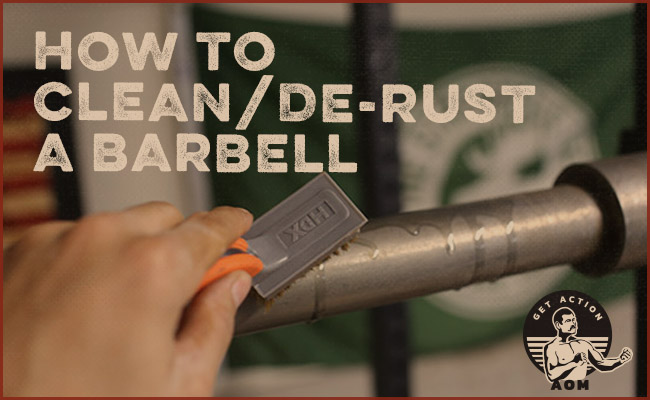
Credit: www.artofmanliness.com
Removing Rust And Stains
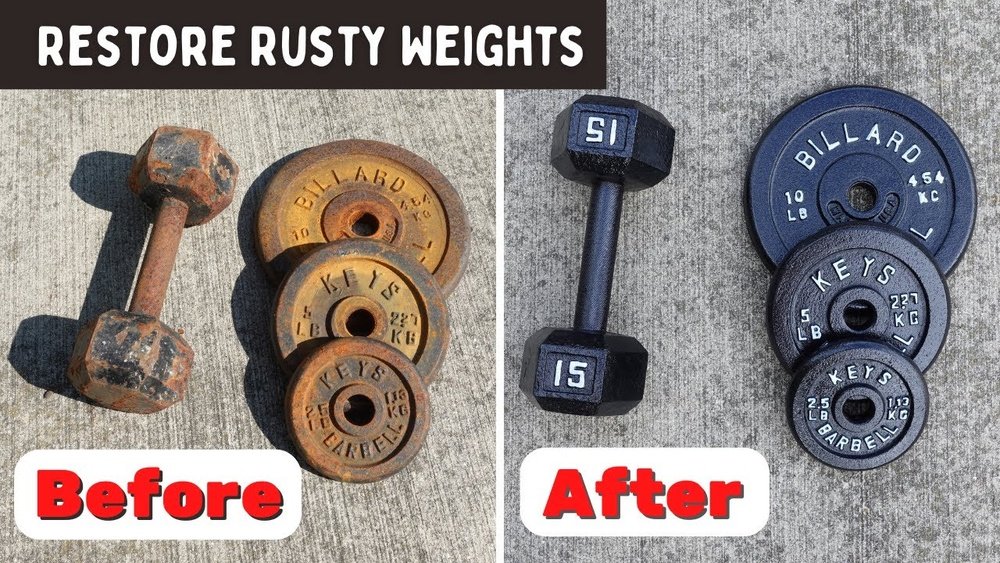
Removing rust and stains from your barbell set keeps it safe and extends its life. Rust can damage the metal and affect your grip. Stains make the barbell look old and dirty. Regular cleaning stops rust from spreading and keeps your equipment in top shape.
Using Vinegar Soak
Pour white vinegar into a container large enough for the barbell parts. Soak the rusty areas for 10 to 15 minutes. Vinegar breaks down rust and loosens dirt. After soaking, scrub the barbell with a soft cloth or sponge. Rinse with clean water and dry it well to stop new rust.
Steel Wool And Brushes
Use fine steel wool to gently scrub off tough rust spots. Avoid harsh scrubbing to protect the metal surface. A wire brush helps clean between knurling and grooves. Clean in small circles to remove rust and stains. Wipe off the residue with a dry cloth after scrubbing.
Preventing Rust Formation
Keep your barbell dry after each use. Store it in a cool, dry place to avoid moisture build-up. Apply a thin layer of light oil to the barbell’s surface. This oil acts as a barrier against air and water. Regularly check for rust and clean it promptly. Proper care keeps your barbell rust-free and ready for your next workout.
Maintaining Barbell Performance
Maintaining barbell performance is key to safe and effective workouts. Regular care keeps the barbell smooth and durable. It also prevents rust and damage that reduce lifespan.
Simple steps can keep your barbell working like new. Focus on lubrication, wear checks, and proper storage. These tasks ensure your equipment stays reliable and ready.
Lubricating Moving Parts
Lubricate the barbell’s rotating sleeves to reduce friction. Use light oil or a silicone-based lubricant. Apply a small amount and spin the sleeves to spread it evenly. This keeps the rotation smooth and protects the bearings.
Wipe off any excess lubricant to avoid dust buildup. Repeat lubrication every few months or after heavy use. Proper lubrication prevents squeaks and extends the barbell’s life.
Checking For Wear And Tear
Inspect the barbell regularly for signs of damage. Look for cracks, bends, or worn knurling on the shaft. Examine the sleeves for looseness or rough rotation. Check collars and end caps for tightness.
Replace any damaged parts promptly to avoid injury. Early detection of wear keeps the barbell safe. Clean the bar thoroughly during each check to spot issues easily.
Storage Tips
Store your barbell in a dry, cool place away from moisture. Use a vertical or horizontal barbell rack to prevent bending. Avoid leaving the barbell on the floor or leaning against walls.
Cover the barbell with a cloth or sleeve to protect it from dust. Keep it away from harsh chemicals or sweat residue. Proper storage helps maintain the bar’s finish and prevents rust.

Credit: www.thorfamilylaw.com
Cleaning Frequency And Tips
Cleaning your barbell set regularly keeps it in good shape and extends its life. Knowing how often to clean and the right method helps avoid damage. Small, daily care prevents buildup. Deep cleaning removes dirt and rust.
Daily Maintenance
Wipe the barbell with a dry cloth after each use. Remove sweat and chalk to prevent rust. Use a light brush on knurling to clear debris. Keep the barbell dry and stored in a safe place.
Deep Cleaning Schedule
Perform a thorough cleaning every 1 to 3 months. Use a gentle cleaner and warm water on the barbell. Dry it completely to stop rust from forming. Apply a thin coat of oil to protect the metal. Check sleeves for smooth rotation and clean inside if needed.
Avoiding Common Mistakes
Do not soak the barbell in water. Avoid harsh chemicals that damage the finish. Skip abrasive tools that can scratch the metal. Never leave the barbell wet after cleaning. Avoid storing the barbell in damp or humid areas.
Frequently Asked Questions
What Is The Best Way To Clean A Barbell?
Use a nylon brush with warm, mild soapy water to scrub the barbell. Wipe dry thoroughly. Apply light oil to protect the knurling and prevent rust. Clean regularly to maintain grip and longevity.
Can You Use Wd-40 To Clean A Barbell?
WD-40 can clean a barbell but may leave a slippery residue. Use a mild soap and water for safer cleaning.
How To Clean A Metal Bar?
Clean a metal bar by wiping it with a cloth soaked in mild dish soap and warm water. Use a nylon brush for grooves. Dry thoroughly to prevent rust. Apply a light coat of oil to protect the surface. Repeat regularly to maintain shine and durability.
How To Clean A Bearing Barbell?
Wipe the barbell with a mild soap solution and warm water. Use a nylon brush to clean knurling. Dry thoroughly. Apply light oil to protect from rust. Avoid harsh chemicals to maintain bearing function.
Conclusion
Cleaning your barbell set keeps it safe and long-lasting. Regular wiping removes sweat, chalk, and dirt. Use a soft cloth and mild cleaner for best results. Avoid harsh chemicals that can damage metal or finish. Apply a light oil layer to stop rust and keep moving parts smooth.
Store the barbell in a dry place away from moisture. Small steps make a big difference in barbell care. Keep your equipment ready for every workout session. Clean barbells help maintain performance and safety.