You’ve invested in a quality barbell set, and now you want to keep it in top shape. But how you store your barbell can make all the difference between a long-lasting, smooth-spinning bar and one that’s rusty, damaged, or just plain annoying to use.
If you’re tired of worrying about corrosion, bent bars, or cluttered workout spaces, this guide is for you. You’ll discover simple, effective ways to store your barbell set that protect your equipment, save space, and even improve your workout routine.
Ready to take your gym setup to the next level? Let’s dive into the best barbell storage solutions tailored just for you.
Barbell Storage Options
Storing your barbell set properly keeps your equipment safe and organized. Different storage options fit various spaces and needs. Choosing the right storage helps avoid damage and clutter. It also extends your barbell’s life and keeps your workout area tidy. Below are common barbell storage options to consider.
Horizontal Racks
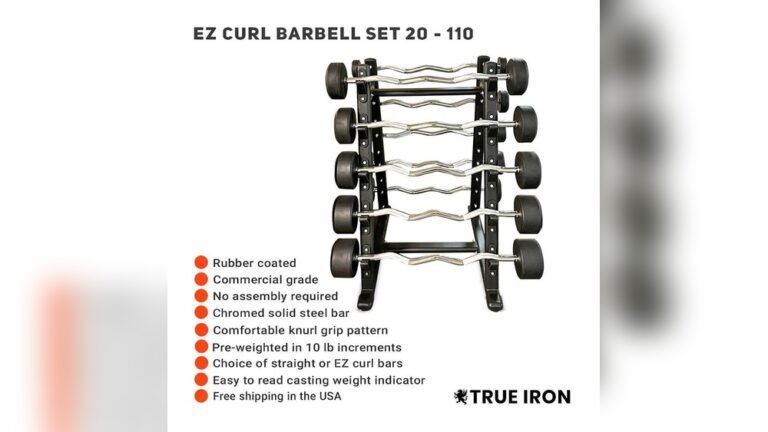
Horizontal racks hold barbells parallel to the ground. They offer easy access and clear visibility. Most racks have multiple slots for several bars. This keeps bars off the floor and prevents bending. Horizontal racks fit well in larger gyms or home setups with enough space.
Upright Storage
Upright storage holds barbells vertically, saving floor space. Bars stand on end, secured by a base or holder. This option suits smaller rooms or tight corners. Upright storage keeps barbells stable and easy to grab. It also reduces the risk of rolling or falling.
Wall-mounted Holders
Wall-mounted holders fix barbells directly to the wall. This method frees up floor space completely. Bars rest horizontally or vertically on hooks or brackets. Wall-mounted holders keep equipment off the ground and organized. They work best in home gyms with limited space.
Diy Storage Solutions
DIY solutions allow custom storage tailored to your space. Use wood, metal pipes, or PVC to create racks or holders. DIY options save money and offer flexibility in design. They can be simple or complex, depending on your skills. Building your own storage adds a personal touch to your gym.

Credit: sunnyhealthfitness.com
Space-saving Techniques
Saving space is important when storing a barbell set. Smart storage keeps your gym tidy and safe. It also protects your equipment from damage. Using space-saving techniques helps you fit your barbell set in small areas. This section explores practical ways to store barbells efficiently.
Vertical Barbell Storage
Storing barbells vertically saves floor space. Use a vertical rack or stand to hold bars upright. This method keeps bars easy to access and prevents bending. Vertical storage also reduces clutter in your workout area. Make sure the rack is stable and strong enough to hold your barbells safely.
Stacking Weight Plates
Stacking weight plates neatly saves room and organizes your weights. Place plates by size on a sturdy holder or weight tree. This keeps plates from rolling around and causing accidents. Stacked plates are easy to find and grab for workouts. Use racks with separate pegs to keep plates sorted and stable.
Multi-use Storage Racks
Multi-use racks store barbells and plates together in one spot. These racks combine vertical bar storage and plate holders. They save space by keeping all equipment close and organized. Look for racks made of durable materials for long-lasting use. Multi-use racks create a clean and efficient gym area.
Protecting Your Barbell
Protecting your barbell is essential for keeping it in good shape. Proper care extends its life and maintains performance. A well-protected barbell resists rust and damage. Simple steps can prevent costly repairs or replacements.
Avoiding Moisture Damage
Moisture causes rust and weakens metal parts of the barbell. Keep your barbell in a dry place with low humidity. Use a dehumidifier if your storage area is damp. Wipe the barbell after each use to remove sweat and water. Avoid storing the barbell near water sources or outdoors.
Proper Placement Off The Floor
Placing your barbell directly on the floor invites damage. Dirt and moisture from the floor cause corrosion over time. Use wall-mounted racks or horizontal stands to keep it elevated. Elevation allows air to circulate around the barbell. This reduces moisture buildup and prevents rust formation.
Using Protective Coatings
Apply protective coatings to shield the barbell’s metal from rust. Light oil or specialized barbell protectants work well. Use a clean cloth to evenly spread the coating over the entire bar. Avoid thick layers; a thin film protects without attracting dust. Reapply coatings regularly, especially after cleaning or heavy use.
Credit: www.vicentetorns.com
Daily Maintenance Tips
Daily maintenance keeps your barbell set in top shape. It prevents rust and wear. A simple routine can extend the life of your equipment. Clean, dry, and protect your barbell after each use. These small steps improve performance and safety.
Cleaning Knurling With Brushes
Knurling traps dirt and sweat easily. Use a stiff nylon or brass brush to clean it. Brush along the grooves to remove chalk and grime. This prevents buildup that can cause rust. Clean knurling keeps your grip strong and safe.
Wiping Down After Use
Wipe the barbell with a dry cloth after every workout. This removes sweat and moisture. Moisture causes rust and corrosion over time. Use a microfiber cloth for better absorption. Make sure to dry the entire bar, including sleeves.
Applying Oil Or Wax
Apply a light layer of oil or barbell wax weekly. Use a cloth to spread it evenly on the shaft. This protects the metal from rust and keeps it smooth. Avoid over-oiling; too much can attract dust. Wipe off excess oil to leave a thin protective layer.
Preventing Rust And Corrosion
Rust and corrosion can quickly damage a barbell set. Protecting your equipment keeps it safe and extends its life. Simple steps help stop rust from forming and keep metal parts strong.
Moisture and air cause rust when they meet metal. Preventing this contact is key. Clean and dry storage, along with regular care, helps avoid corrosion. Follow these tips to keep your barbell set in top shape.
Choosing The Right Environment
Select a dry, cool place to store your barbells. Avoid basements or garages with high humidity. Good air flow reduces moisture buildup. A room with steady temperature helps stop rust.
Keep barbells off the floor. Use racks or shelves to lift them. This prevents contact with damp surfaces. Sunlight can dry moisture but avoid direct heat that may damage metal.
Using Dehumidifiers
Dehumidifiers remove excess moisture from the air. Place one near your barbell storage area. This lowers humidity and cuts rust risk. Choose a unit sized for the room.
Use moisture absorbers like silica gel packs as extra protection. Replace them regularly. These small steps keep the air dry and metal safe.
Regular Inspection
Check your barbells often for early signs of rust. Look closely at knurling and sleeve areas. Clean any dirt or sweat that collects after workouts.
Use a wire brush to remove light rust spots. Wipe the bar with oil or rust-preventive spray. This creates a barrier against moisture.
Stay consistent with inspections. Catching problems early makes cleaning easier. Protect your investment with simple, regular care.

Credit: hognerdobrasil.com.br
Handling And Usage Best Practices
Proper handling and usage of your barbell set extend its life and keep it safe to use. Following best practices reduces damage and maintains performance. Small habits make a big difference in barbell care.
Avoid Dropping Empty Bars
Dropping an empty barbell can harm its structure. The bar has moving parts that spin during lifts. Impact from dropping causes damage to these parts. This damage may reduce barbell life and affect its spin. Always place the bar down gently on the floor.
Safe Weight Loading
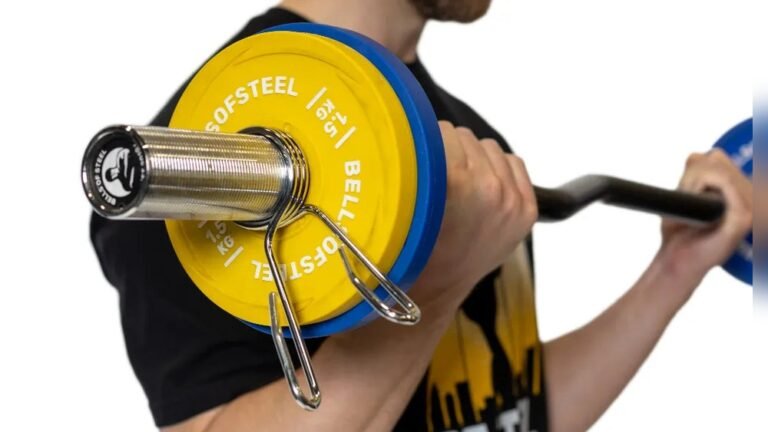
Load weight plates evenly on both sides of the bar. Uneven loading creates imbalance and stress on the bar. Use collars or clips to secure weights firmly. This prevents plates from sliding during lifts. Handle plates carefully to avoid dropping them on the bar or floor.
Proper Sleeve Lubrication
Keep the barbell sleeves lubricated for smooth rotation. Apply light oil to the sleeve where it meets the bar shaft. This reduces friction and prevents rust. Wipe off excess oil to avoid dirt buildup. Regular lubrication improves barbell performance and extends its life.
Frequently Asked Questions
How Should Barbells Be Stored?
Store barbells indoors on horizontal or vertical racks to prevent damage. Keep them off damp floors to avoid rust. Wipe down after use to remove moisture and sweat. Apply a light oil layer regularly for protection. Use a dehumidifier in humid environments to reduce corrosion risk.
Why Should You Not Drop An Empty Barbell?
Dropping an empty barbell causes impact damage to its spinning metal parts. This reduces its lifespan and increases repair costs. Always place barbells gently to maintain performance and avoid costly damage.
How To Keep A Barbell From Rusting?
Keep your barbell rust-free by wiping off moisture after use, brushing chalk residue, and applying a thin oil layer regularly. Store it indoors, avoid damp areas, and use a dehumidifier in humid climates. Season bare steel bars with wax for added protection.
How To Store Workout Equipment?
Store workout equipment in a dry, cool place away from direct sunlight. Use racks or shelves for organization. Clean and dry equipment after use to prevent rust and damage. Avoid placing heavy items on delicate gear to maintain shape and function.
Conclusion
Storing your barbell set properly protects it from damage and rust. Choose a dry, indoor space away from moisture. Use racks or holders to keep barbells off the ground. Clean and oil your barbell regularly for long-lasting use. Organizing your equipment saves space and keeps your workout area safe.
Simple care steps make a big difference over time. Keep your barbell set ready for every workout.