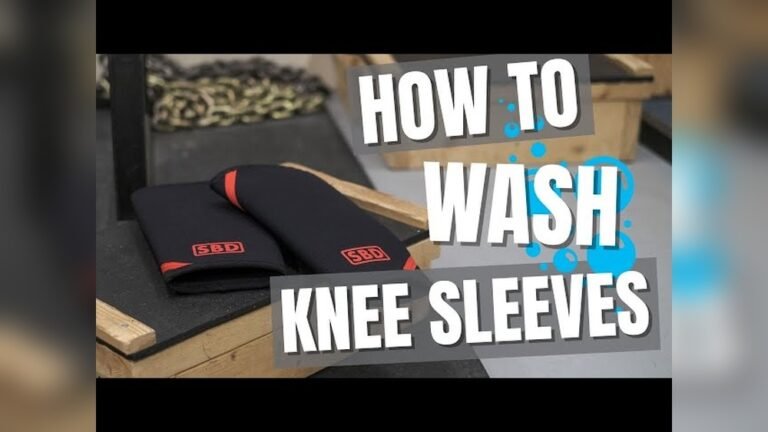
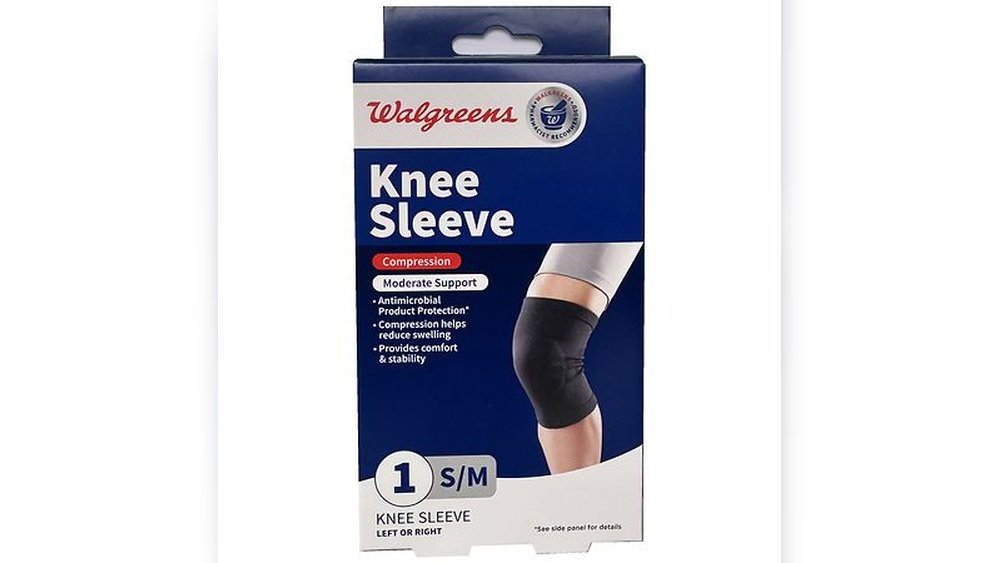
You’ve invested in quality knee sleeves to protect your joints and boost your performance. But are you storing them the right way to keep them effective and long-lasting?
How you care for and store your knee sleeves can make all the difference between them lasting a few months or several years. You’ll discover simple, practical tips to store your knee sleeves properly, avoid damage, and maintain their support and comfort.
Keep reading to learn how a few easy habits can extend the life of your knee sleeves and keep them ready for every workout.

Credit: www.rehband.com
Choosing The Right Storage Spot
Choosing the right storage spot for your knee sleeves helps keep them in good shape. Proper storage protects them from damage and extends their life. It also keeps them clean and ready for your next workout.
Avoid Heat And Sunlight
Heat can break down the material of knee sleeves. Direct sunlight causes fading and weakens the fabric. Store sleeves away from heaters, windows, and hot areas. A cool, shaded place works best to keep them safe.
Keep Away From Moisture
Moisture damages the fabric and causes bad smells. Avoid storing knee sleeves in damp or wet places. After use, let them dry completely before putting them away. This prevents mold and keeps the sleeves fresh.
Select A Clean, Dry Area
Choose a spot free from dust and dirt. A clean area stops grime from building up on your sleeves. Keep them in a drawer, shelf, or storage box that stays dry. This helps maintain their quality and appearance.
Credit: www.hookgrip.com
Cleaning Knee Sleeves Before Storage
Cleaning knee sleeves before storage is crucial to keep them fresh and long-lasting. Dirt, sweat, and bacteria build-up can damage the fabric and cause bad odors. Proper cleaning helps maintain the sleeve’s material and elasticity. This section covers simple ways to clean your knee sleeves effectively.
Hand Washing Tips
Hand washing is the best way to clean knee sleeves gently. Fill a basin with lukewarm water. Add the sleeve and gently rub the fabric. Avoid twisting or wringing, as this can damage the material. Rinse thoroughly to remove all soap. Pat dry with a towel and air dry completely before storing.
Using Mild Detergents
Choose mild detergents designed for delicate fabrics. Harsh detergents can break down the neoprene or fabric. Avoid using bleach or strong chemicals. Mild soap helps keep the sleeve soft and flexible. Always dilute detergent in water to prevent residue build-up.
Avoiding Harsh Chemicals
Harsh chemicals can weaken knee sleeves and cause skin irritation. Stay away from bleach, fabric softeners, and strong stain removers. These products can damage the sleeve’s fibers and reduce support. Use natural or gentle cleaning products to protect the material and your skin.
Drying Techniques For Longevity
Proper drying techniques extend the life of knee sleeves. Drying them correctly keeps the material strong and prevents damage. It also stops bad odors and bacteria growth. Follow these simple steps to dry knee sleeves for long-lasting use.
Air Drying Best Practices
Air drying is the safest method for knee sleeves. Lay them flat or hang them in a well-ventilated area. Avoid folding or bunching to keep the shape. Allow fresh air to flow around the sleeves. This helps moisture evaporate evenly and quickly. Patience is key for a thorough dry.
Avoiding Direct Heat
Do not place knee sleeves near heaters or in direct sunlight. Heat can warp or weaken neoprene and other materials. Avoid using dryers or radiators. High temperatures cause the fabric to lose elasticity. Keep sleeves away from hot surfaces to maintain fit and support.
Ensuring Complete Dryness
Make sure sleeves are fully dry before storage. Damp sleeves can develop mold and odors. Check inside and out for moisture pockets. Turn sleeves inside out to speed drying if needed. Complete dryness preserves freshness and prevents material breakdown.
Folding And Organizing Methods
Proper folding and organizing of knee sleeves extend their life and keep them ready for use. Neatly folded sleeves avoid creases and damage. Organized storage saves space and helps find pairs quickly. These methods protect the fabric and maintain compression quality over time.
Proper Folding To Prevent Damage
Fold knee sleeves gently to avoid stretching the fabric. Lay them flat, then fold in half lengthwise. Avoid tight rolls or sharp creases. Keep folds loose to maintain the sleeve’s shape. This method prevents cracks and fabric wear.
Using Storage Bags Or Containers
Store knee sleeves in breathable bags or plastic containers. Choose bags with mesh or cotton material to allow air flow. Containers protect sleeves from dust and moisture. Avoid airtight plastic bags to prevent mildew. Label containers for quick identification.
Keeping Pairs Together
Always store knee sleeves in pairs to prevent loss. Use clips, ties, or small bags to keep them together. Pair organization saves time and avoids mismatched sleeves. Keep pairs in the same storage spot after each use.
Preventing Odors And Bacteria
Knee sleeves need proper care to stay fresh and safe. Preventing odors and bacteria is key for longevity. Sweat and dirt build-up create smell and germs. Clean sleeves feel better and protect your skin. Follow simple steps to keep your knee sleeves fresh and hygienic.
Regular Cleaning Schedule
Wash knee sleeves after every use. Use mild soap or specialized detergent. Avoid harsh chemicals that damage the fabric. Hand wash gently to keep the shape intact. Rinse thoroughly to remove all soap. Dry sleeves completely before storing to stop bacteria growth.
Using Deodorizers Or Baking Soda
Use deodorizers designed for sports gear. They reduce smells and kill germs effectively. Sprinkle baking soda inside sleeves to absorb moisture and odors. Let it sit overnight for best results. Shake out baking soda before next use. These methods keep sleeves smelling clean longer.
Allowing Air Circulation
Store knee sleeves in a dry, well-ventilated area. Avoid sealed plastic bags that trap moisture. Hang or lay sleeves flat to air out after workouts. Good airflow prevents dampness and bacteria growth. Fresh air is essential for odor control and material health.
Avoiding Common Storage Mistakes
Proper storage of knee sleeves preserves their shape and extends their lifespan. Avoiding common storage mistakes prevents damage and discomfort. Simple habits keep your knee sleeves ready for every workout.
Not Storing While Damp
Never store knee sleeves when they are wet or damp. Moisture encourages bacteria and bad odor. Always air dry them completely before putting them away. Use a well-ventilated area to speed up drying. Avoid storing in sealed bags or containers until dry.
Avoiding Compression Under Heavy Items
Do not place heavy objects on top of your knee sleeves. Pressure can crush the material and reduce elasticity. Store them in a drawer or shelf without weight on them. Rolling sleeves loosely helps keep their shape intact. Keep sleeves away from crowded or tight spaces.
Preventing Material Deformation
Fold knee sleeves gently instead of crumpling. Twisting or folding sharply can damage the fabric and seams. Use a flat surface or hang them using soft clips. Avoid exposure to heat or direct sunlight during storage. These conditions weaken the fibers and cause warping.
When To Replace Knee Sleeves
Knee sleeves protect your joints and improve performance. Over time, they lose effectiveness. Replacing them at the right time keeps your knees safe. Knowing when to replace knee sleeves helps avoid injury and discomfort.
Signs Of Wear And Tear
Look closely for holes, tears, or fraying edges. These indicate the sleeve no longer fits well. Worn material reduces protection and compression. If your sleeves look damaged, it is time to get new ones.
Loss Of Elasticity
Elasticity keeps the sleeve snug on your knee. When sleeves stretch out, they slip down during activity. Loose sleeves fail to support your joints properly. Replace sleeves that do not return to their original shape.
Reduced Support And Comfort
Old sleeves may feel uncomfortable or cause skin irritation. They might not provide the same warmth or compression. If you notice pain or discomfort during use, consider getting new knee sleeves. Proper support is key for safe workouts.
Credit: www.hookgrip.com
Frequently Asked Questions
How To Take Care Of Knee Sleeves?
Hand wash knee sleeves with mild detergent or water. Air dry them standing up. Avoid machine washing and direct heat. Store in a cool, dry place. Regular cleaning prevents odor and maintains elasticity.
Why Did Ipf Ban Knee Sleeves?
IPF banned knee sleeves because many used materials other than single-ply neoprene, violating their strict equipment rules.
What Is The Downside Of Knee Sleeves?
Knee sleeves can cause skin irritation, muscle weakening from overuse, restricted movement if too tight, and offer less support than braces.
How To Keep Knee Sleeves From Smelling?
Hand wash knee sleeves with mild detergent after use. Air dry them standing up in a well-ventilated area. Store sleeves in a dry place. Avoid leaving them damp or in gym bags. Regular cleaning prevents odor and extends sleeve life.
Conclusion
Proper storage keeps knee sleeves in good shape longer. Always clean them gently after use. Let sleeves dry completely before storing to avoid smell or damage. Store in a cool, dry place away from sunlight. Avoid folding or crushing sleeves to maintain their shape.
Regular care helps sleeves stay comfortable and effective. Taking these simple steps protects your investment and supports your training. Keep your knee sleeves ready for every workout.