You’ve invested time and effort into choosing the right lifting straps, so why risk damaging them by storing them incorrectly? Proper storage not only extends the life of your straps but also keeps them safe and ready for your next heavy lift.
Whether you’re a seasoned lifter or just starting out, knowing how to store your lifting straps the right way can save you money and frustration. In this guide, you’ll discover simple, practical tips to keep your straps clean, protected, and in top condition—so you can focus on lifting heavier, not replacing gear.
Keep reading to learn how to store lifting straps like a pro!
Ideal Storage Conditions
Proper storage of lifting straps extends their life and maintains safety. Ideal storage conditions protect straps from damage and wear. Follow simple guidelines to keep them in top shape.
Cool And Dry Environment
Store lifting straps in a cool place below 77°F (25°C). Avoid areas with high humidity. Moisture can weaken the fibers and cause mold. Keep straps away from damp basements or garages. A dry environment prevents rot and deterioration.
Avoid Direct Sunlight
Sunlight damages lifting straps over time. UV rays break down the material and reduce strength. Store straps in dark or shaded areas. Avoid leaving them near windows or outside. Cover straps with a cloth if no dark place is available.
Prevent Exposure To Chemicals
Chemicals can weaken or stain lifting straps. Keep them away from oils, acids, and solvents. Store straps separately from cleaning agents or fuels. Use clean storage bins or shelves. This prevents accidental spills and contamination.
Credit: metalcagesandpallets.co.uk
Proper Storage Methods
Proper storage methods help keep lifting straps strong and safe to use. Good storage stops damage and extends the life of your straps. Protecting straps from moisture, dirt, and sharp objects is very important. Follow these simple tips to store your lifting straps the right way.
Use Racks Or Stands
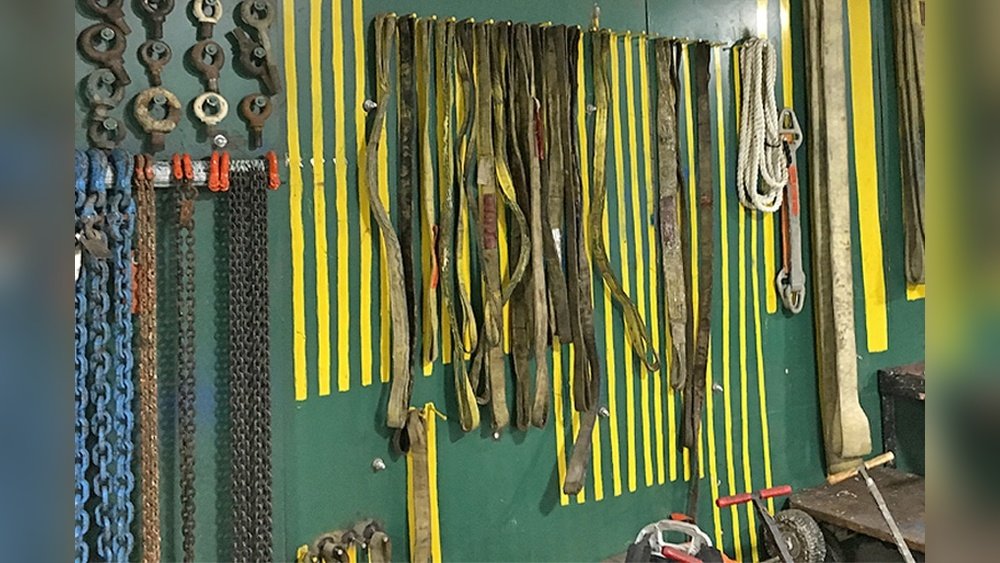
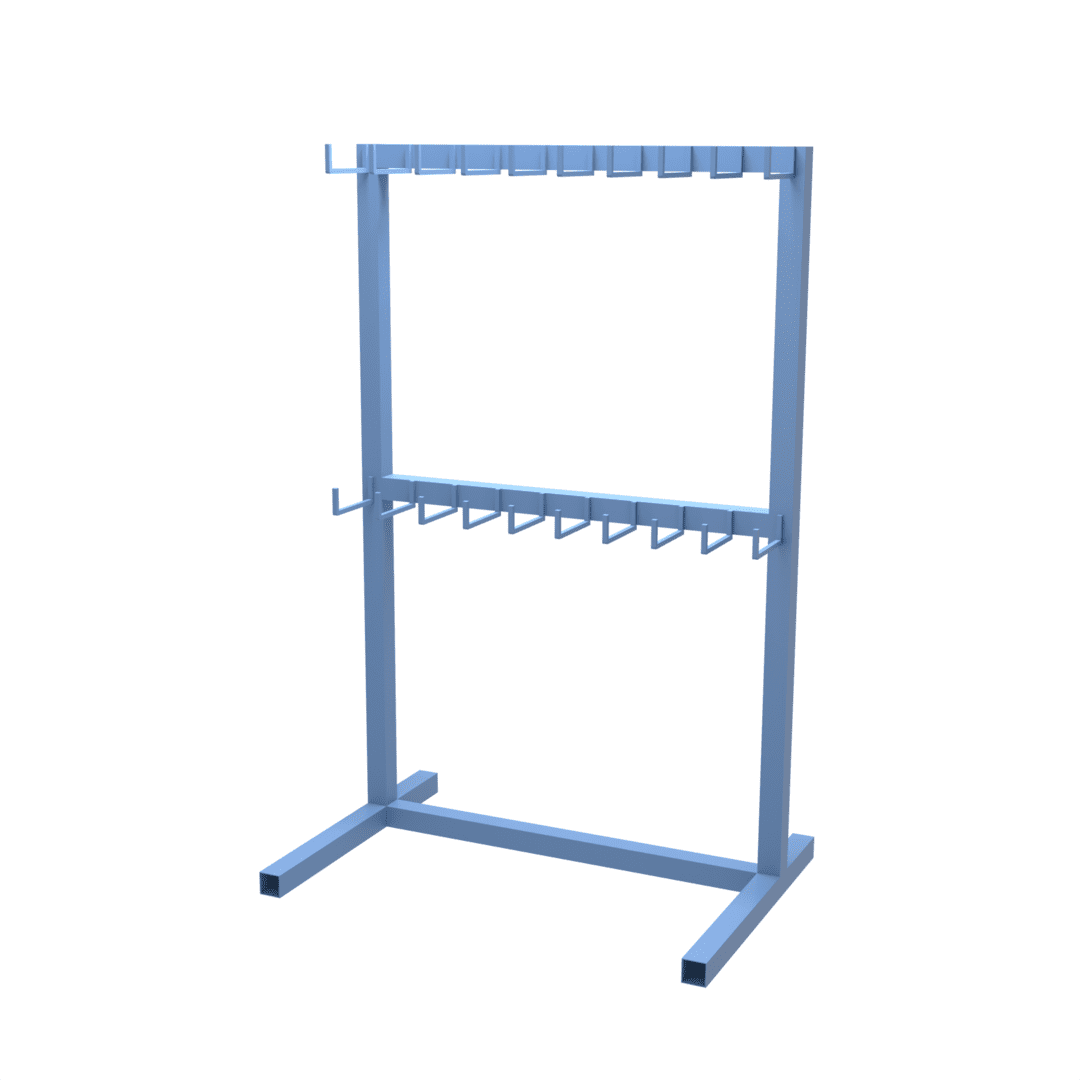
Store lifting straps on racks or stands to keep them organized. Hanging straps stops them from twisting or bending. It also allows air to circulate, keeping the straps dry. Racks prevent straps from piling up, which can cause damage. Use a sturdy rack made for heavy gear.
Keep Off The Ground
Never place lifting straps directly on the ground. The ground has dirt, moisture, and sharp objects that can harm straps. Moisture leads to mold and weakens the material. Dirt can cause abrasion and wear down fibers. Always keep straps on shelves or hang them up.
Avoid Abrasive Surfaces
Store straps away from rough or sharp surfaces that can cut or fray them. Rough edges damage the fibers and reduce strength. Use smooth surfaces like wood or plastic racks. Check the storage area for nails or screws that might harm the straps. Keep straps clean and safe.
Handling Tips To Prevent Damage
Proper handling of lifting straps extends their life and keeps them safe for use. Damaged straps can fail under load and cause accidents. Follow simple steps to handle straps carefully before storing them. This prevents wear, tear, and damage.
Avoid Dragging Straps
Do not drag lifting straps on rough or dirty surfaces. Dragging causes abrasions and cuts in the fabric. Abrasions weaken the straps and reduce their strength. Always lift straps off the ground when moving them. Use your hands or equipment to carry them safely.
Inspect Before Storage
Check straps for damage before putting them away. Look for frays, cuts, burns, and worn areas. Remove dirt and debris with a soft brush or cloth. Clean straps only with mild soap and water if needed. Dry them completely to avoid mold or mildew growth. Never store wet or dirty straps as they degrade faster.
Separate By Material Type
Keep synthetic, cotton, and wire rope straps apart. Different materials need different care and storage conditions. Store synthetic straps in a dry, dark place away from chemicals. Keep wire ropes in ventilated areas to prevent rust. Organize straps by type to avoid mixing and damage.
Cleaning And Maintenance
Proper cleaning and maintenance keep your lifting straps safe and durable. Dirt, sweat, and oils can weaken the material over time. Regular care preserves strength and extends their lifespan. Follow these simple steps to maintain your straps in top condition.
Washing Guidelines
Hand wash your lifting straps with mild soap and warm water. Avoid strong detergents or bleach that can damage fibers. Gently scrub to remove dirt and sweat. Rinse thoroughly to remove all soap residues. Machine washing is possible but use a gentle cycle and a laundry bag. Avoid washing with heavy or sharp items to prevent damage.
Drying Procedures
Air dry your lifting straps by laying them flat on a clean surface. Avoid direct sunlight, which can weaken the material. Do not use a dryer or expose straps to high heat. Ensure they are completely dry before storing to prevent mold and mildew. Proper drying keeps straps strong and ready for use.
Routine Inspections
Check your lifting straps regularly for signs of wear and tear. Look for frayed edges, cuts, or weakened areas. Inspect stitching and buckles for damage or loosening. Replace straps immediately if you find any damage. Routine checks prevent accidents and maintain safety during lifting tasks.
Special Storage For Different Strap Types
Different lifting straps need special care for storage. Each type has unique materials and risks. Proper storage keeps straps strong and safe for use. It also extends their lifespan and prevents damage. Understanding how to store each strap type helps avoid costly replacements.
Synthetic Straps
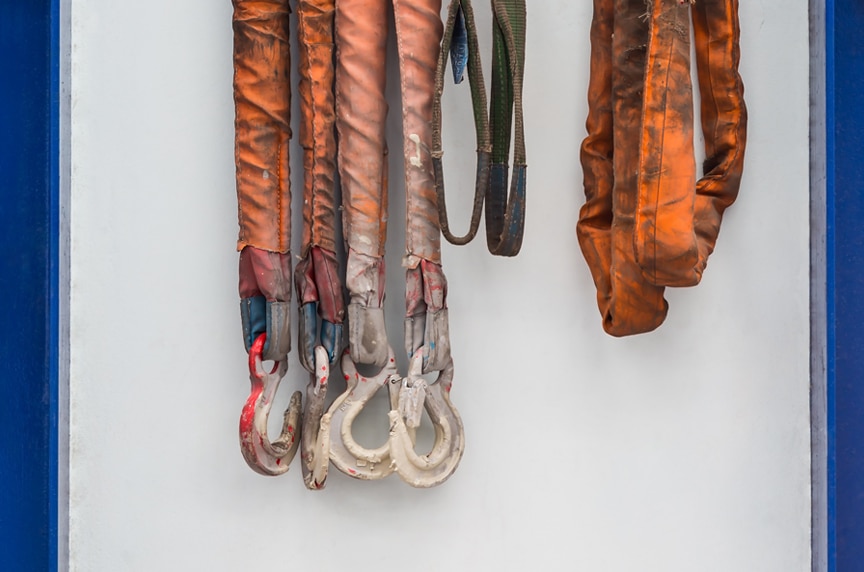
Synthetic straps are made from soft fibers like nylon or polyester. Store them in a clean, dry place away from sunlight. Keep them off the ground on racks or hooks. Avoid exposure to chemicals and sharp objects. Do not fold or crease straps tightly to prevent fiber damage.
Wire Rope Slings
Wire rope slings need dry, well-ventilated storage areas. Store them covered to protect from dust and moisture. Avoid contact with floors to prevent corrosion. Keep them away from steam, salt, and chemical fumes. Coil wire ropes loosely to maintain their shape and strength.
Ratchet Straps
Ratchet straps contain metal and fabric parts. Store them in a dry, shaded place to avoid rust. Clean dirt and debris before storage. Coil straps neatly and lock the ratchet to prevent tangling. Avoid sharp bends that can weaken the fabric or metal components.
Credit: www.mazzellacompanies.com
Protecting Against Environmental Risks
Proper storage of lifting straps extends their life and ensures safety. Environmental risks can weaken straps and reduce performance. Protecting straps from these risks keeps them strong and reliable for every lift. Follow simple steps to shield straps from damage caused by temperature, moisture, and dirt.
Temperature Extremes
Avoid exposing lifting straps to very hot or cold conditions. High heat can weaken fibers, making straps less durable. Cold temperatures can make materials stiff and brittle. Store straps in a place with stable, moderate temperature. This prevents damage and maintains strap strength.
Moisture And Corrosion
Moisture causes straps to rot or grow mold. Metal parts on straps can rust if wet. Keep straps dry by storing them in a well-ventilated, moisture-free area. Use plastic bags or containers for extra protection. Check straps regularly for signs of water damage or rust.
Dust And Contaminants
Dust and dirt can wear down lifting straps over time. Chemicals and oil spills also harm strap materials. Store straps off the ground in clean, covered spaces. Use racks or hooks to keep straps away from dirt. Clean straps gently before storage to remove contaminants.
Organizing Straps In Workspaces
Keeping lifting straps neatly organized in workspaces improves safety and efficiency. Proper storage prevents damage and extends strap life. A tidy workspace also makes it easier to find straps when needed. Use simple storage solutions tailored to your environment. Below are practical ideas for organizing straps in garages, service vehicles, and home gyms.
Garage And Workshop Hacks
Mount hooks or pegboards on walls to hang lifting straps. This keeps straps off the floor and easy to access. Use labeled bins for smaller straps or accessories. Clear containers help identify contents quickly. Store straps away from direct sunlight and moisture to avoid damage. Regularly inspect straps for wear or fraying before use.
Storage In Service Vehicles
Install compact racks or bins in service vehicles for strap storage. Secure straps with Velcro or elastic bands to prevent tangling. Use waterproof containers to protect straps from dirt and rain. Keep straps organized by length or type for quick selection. Ensure straps do not obstruct vehicle operation or safety equipment.
Home Gym Storage Ideas
Use wall-mounted racks or hooks to hang lifting straps in home gyms. Store straps near your workout area for convenience. Consider storage boxes or baskets to keep straps dust-free. Label storage spots to maintain order and prevent misplacement. Rotate straps regularly to check for damage and maintain safety.

Credit: cultstore.com
Frequently Asked Questions
Where Should Slings Be Stored When Not In Use?
Store slings in a cool, dry, and dark place away from direct sunlight, moisture, chemicals, and extreme temperatures. Keep them off the ground on racks or stands to prevent damage and ensure longevity.
How Should Synthetic Slings Be Stored?
Store synthetic slings in a clean, dry, cool, and dark place away from direct sunlight and chemicals. Hang them off the ground to prevent damage. Avoid dragging slings on rough surfaces to protect fibers. Regularly inspect and keep them away from extreme temperatures and moisture.
Are You Supposed To Wash Lifting Straps?
Yes, wash lifting straps regularly to remove sweat and dirt. Use mild detergent and cold water, then air dry completely before use.
How Should Wire Rope Slings Be Stored?
Store wire rope slings in a dry, cool, and well-ventilated area. Keep them off the ground and covered. Protect from moisture, chemicals, dust, and extreme temperatures to prevent corrosion and damage. Regularly inspect and avoid exposure to sunlight or harsh environments.
Conclusion
Proper storage keeps lifting straps strong and safe for longer use. Store them in a cool, dry, and dark place away from chemicals. Keep straps off the ground to avoid damage and dirt. Avoid folding or twisting straps tightly to maintain their shape.
Regularly check straps for wear before each use. Clean them gently when needed, avoiding harsh detergents. Taking these simple steps helps preserve your lifting straps’ quality. Safe storage means better performance and increased safety during lifting tasks.