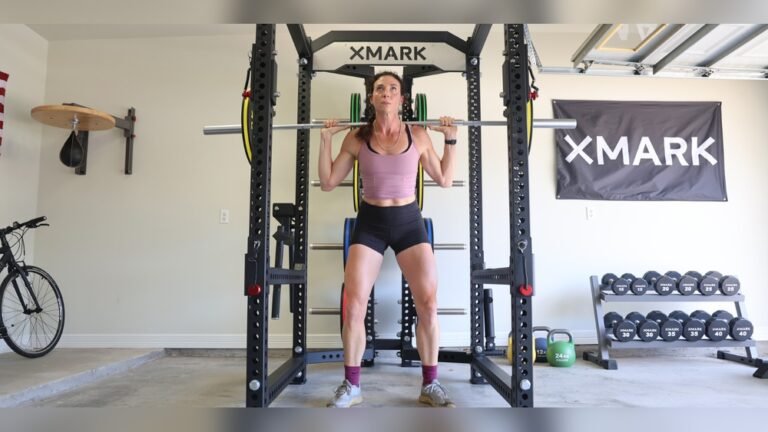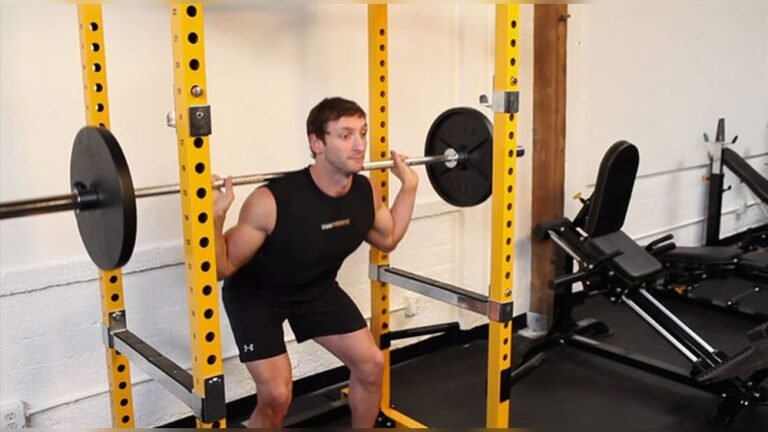
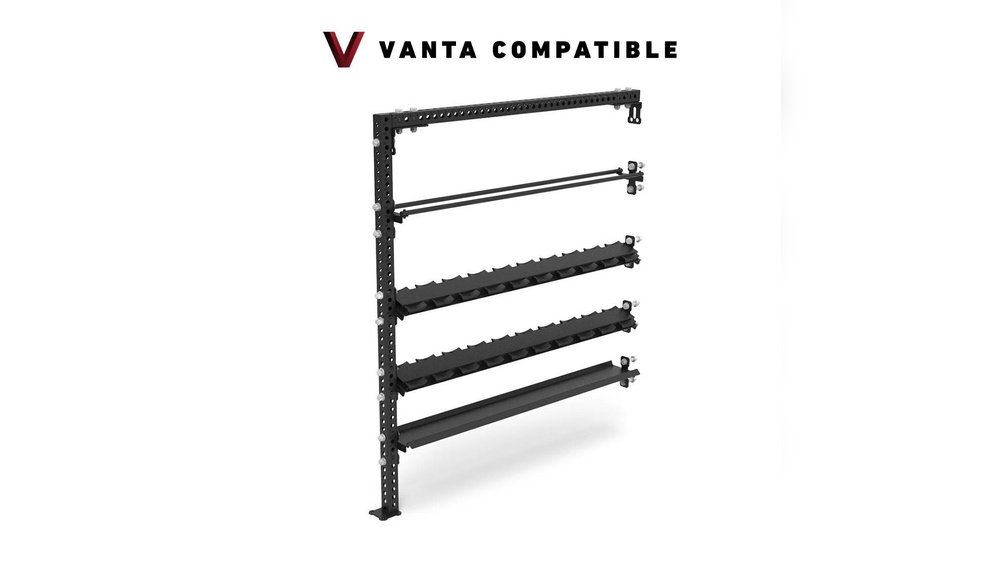
You’ve invested time and effort into setting up your power rack, but do you know the best way to store it when it’s not in use? Proper storage of your power rack isn’t just about saving space—it protects your equipment, keeps your workout area safe, and helps your rack last longer.
Whether you have a home gym in a compact apartment or a spacious garage in Austin, Texas, knowing how to store your power rack efficiently can make all the difference. Keep reading to discover simple, practical tips that will help you organize your space, protect your gear, and stay motivated for your next workout.
Your power rack—and your fitness journey—deserve the best care.

Credit: www.mvlmlawyers.com.au
Choosing The Right Spot
Choosing the right spot to store your power rack is essential for safety and convenience. The location affects how you use the rack and how long it lasts. Consider the floor, ceiling, and surrounding space carefully. This will help you create a safe and efficient workout area. Proper placement also protects your equipment from damage.
Level Ground Importance
Place your power rack on flat, level ground. Uneven floors can make the rack unstable. This increases the risk of tipping or damage during use. Level ground ensures the rack stays steady while you lift. It also helps protect your flooring from scratches or dents. Use a level tool to check the floor before setting up.
Ceiling Height Considerations
Check the ceiling height before choosing a spot. Your power rack and your full body need enough space. Avoid places with low ceilings that limit movement. Taller ceilings allow safe use of pull-up bars and overhead lifts. Measure the rack height and add extra room for comfort. This prevents hitting the ceiling during workouts.
Space Around The Rack
Leave enough space around the power rack for easy access. You need room to move, load weights, and use safety bars. Tight spots make workouts uncomfortable and unsafe. Aim for at least two to three feet of clearance on all sides. This space helps you avoid accidents and store accessories nearby. Proper spacing improves your workout flow.
Protecting From Rust
Rust can quickly damage your power rack. Protecting it from rust keeps it safe and durable. Metal parts on power racks are prone to rust if exposed to moisture or poor storage conditions. Proper care and storage reduce rust risks. This section covers key tips to prevent rust and maintain your equipment’s quality.
Avoiding Moisture Exposure
Keep the power rack away from wet areas. Water and humidity cause metal to corrode fast. Wipe down the rack after use to remove sweat or moisture. Use covers or tarps if the rack stays in a damp spot. Avoid placing it near windows or doors where rain can enter.
Temperature And Humidity Control
Store your power rack in a place with steady temperature. Extreme heat or cold can worsen rust problems. High humidity speeds up metal oxidation. Use a dehumidifier in humid rooms to lower moisture levels. Ventilate the area well to keep air dry and fresh.
Suitable Indoor Vs Outdoor Storage
Indoor storage is best to protect from rust. Garages or basements with good ventilation work well. Outdoor storage risks exposure to rain and humidity. If outdoor storage is necessary, cover the rack tightly with waterproof material. Elevate it off the ground to avoid water contact. Regular checks help catch rust early in any location.
Space-saving Storage Ideas
Space in a home gym is often limited. Saving space while storing your power rack is smart. Organizing your equipment neatly helps keep the workout area safe and clean. Small changes in storage can free up valuable room.
Using smart storage ideas can make your power rack fit better in tight spaces. This section covers easy ways to save space with your power rack setup.
Using Wall-mounted Attachments
Wall-mounted attachments save floor space by holding accessories on the wall. Hooks, shelves, and holders keep bars, bands, and other gear off the ground. Mount these near your power rack for quick access.
These attachments keep the area tidy and reduce clutter. They are simple to install and customizable to your needs. Wall storage makes your gym look organized and spacious.
Vertical Attachment Storage
Vertical storage uses the height of your power rack or wall. Attachments like vertical bar holders keep barbells upright and easy to grab. This method uses less floor space than lying bars down.
Vertical storage also works well for smaller equipment like jump ropes or resistance bands. It keeps your gym neat and safe by avoiding tripping hazards. Use vertical space to maximize your room.
Plate Storage On Power Rack
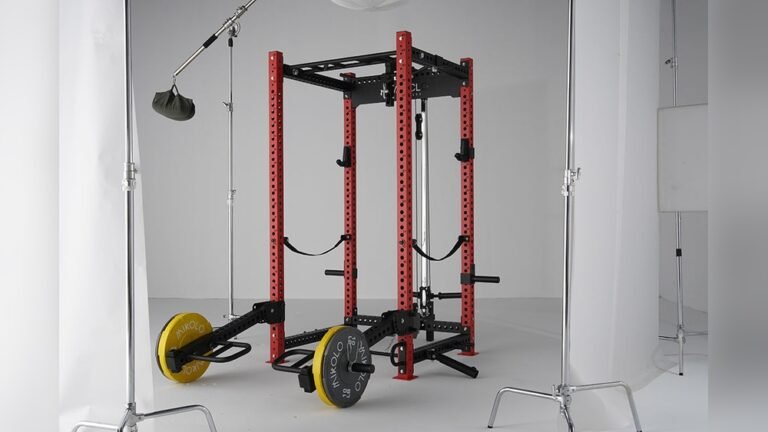
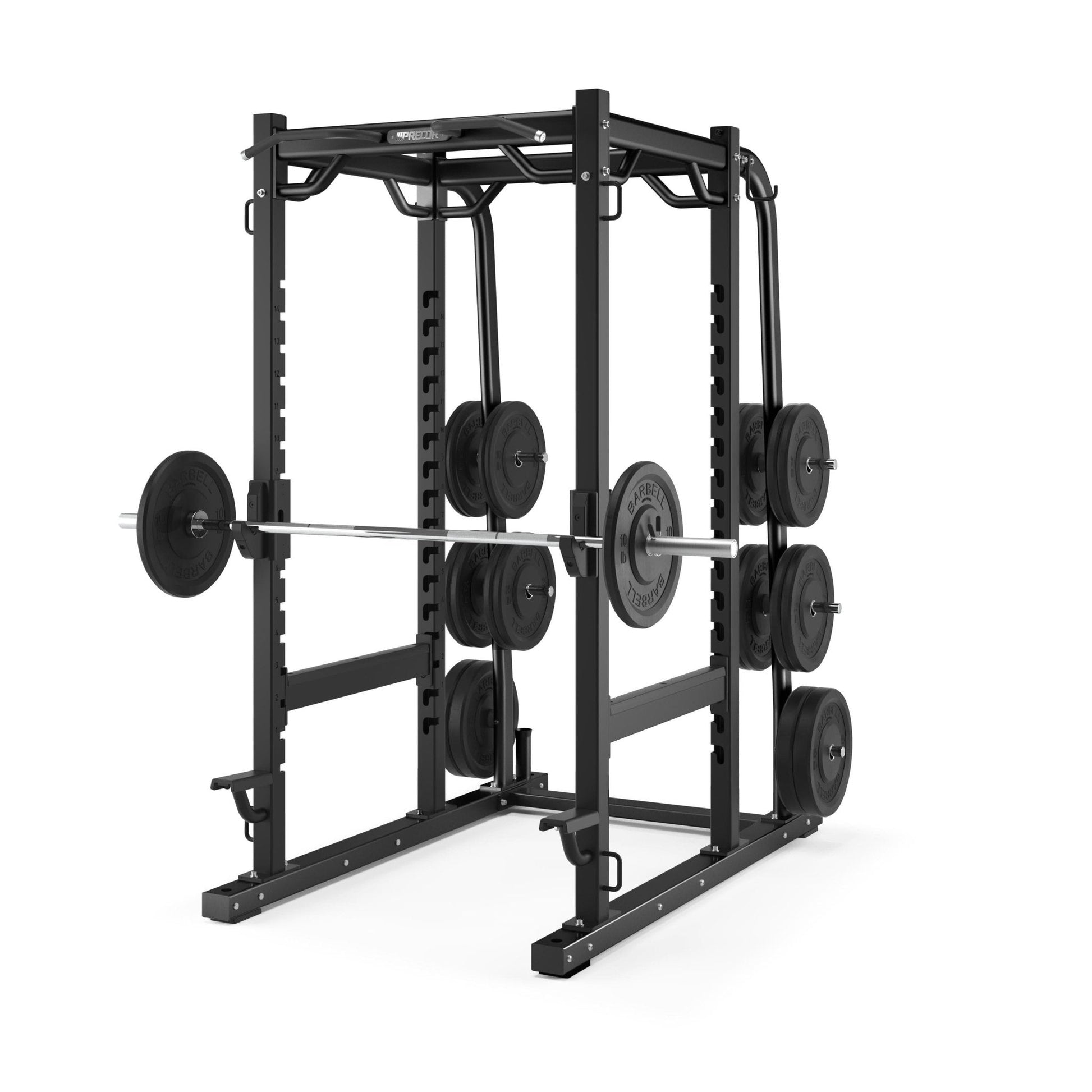
Many power racks include built-in plate storage horns. These allow you to store weight plates directly on the rack. This keeps plates off the floor and close at hand during workouts.
Plate storage reduces clutter and makes loading bars faster. It also prevents plates from rolling around or getting damaged. Use your rack’s plate holders to keep weights organized and save space.
Credit: www.topfitness.com
Diy Storage Solutions
DIY storage solutions help keep your power rack safe and your space tidy. You can save money by creating your own storage options. These ideas fit different spaces and needs. With simple tools and materials, organize your gym area smartly. Here are three practical ways to store your power rack at home.
Building Custom Storage Racks
Craft a storage rack that matches your power rack size. Use wood or metal to build sturdy shelves or hooks. This helps keep plates, bars, and accessories in one place. Custom racks maximize space and reduce clutter. Measure your equipment before starting to ensure a perfect fit. A well-built rack protects your gear from damage and dust.
Utilizing Extra Rack Uprights
Make use of the extra uprights on your power rack. Attach hooks or holders to hang resistance bands or jump ropes. This keeps smaller items off the floor and within easy reach. You can also add shelves between uprights for storing shoes or towels. Using your rack’s frame efficiently saves room and adds convenience.
Creative Garage Gym Storage
Think beyond typical storage options for your garage gym. Use wall-mounted pegboards for organizing tools and accessories. Hang your power rack on heavy-duty wall hooks if it can be disassembled. Store weight plates vertically to save floor space. Label storage areas to find items quickly and maintain order. Creative setups make your gym inviting and functional.
Safety And Stability Tips
Storing a power rack safely is crucial for a secure workout space. Stability prevents accidents and damage. Follow simple safety and stability tips to keep your rack steady and safe in your home gym.
Securing Without Bolting Down
You can secure a power rack without drilling holes in the floor. Use heavy rubber mats under the rack to increase grip. Place sandbags or weight plates on base supports for extra hold. This method keeps the rack stable and protects your floor.
Ensuring Rack Stability
Check the rack for any loose bolts or parts before storing. Tighten all bolts securely to avoid wobbling. Inspect the floor surface to ensure it is level. An uneven floor can cause the rack to tip or sway during use.
Safe Distance From Walls
Keep the power rack at least two feet away from walls. This space allows safe movement around the rack. It also prevents damage to walls from bars or weights. Adequate clearance helps maintain a safe workout environment.
Credit: www.carvani.ir
Maintaining Your Power Rack
Maintaining your power rack ensures safety and extends its life. Regular care keeps it sturdy and reliable for workouts. Simple steps prevent damage and costly repairs. Focus on cleaning, protection, and storage habits.
Regular Cleaning And Inspection
Wipe down your power rack after each use. Remove sweat and dust to stop corrosion. Check bolts and screws weekly. Tighten any loose parts immediately. Look for cracks or bends in the metal. Early detection avoids accidents and damage.
Protective Coatings To Prevent Rust
Apply a rust-resistant coating to metal surfaces. Use spray paint or clear sealant designed for metal. Reapply every few months or after heavy use. Keep coatings thin to avoid buildup. This layer blocks moisture and air that cause rust.
Storage During Off-season
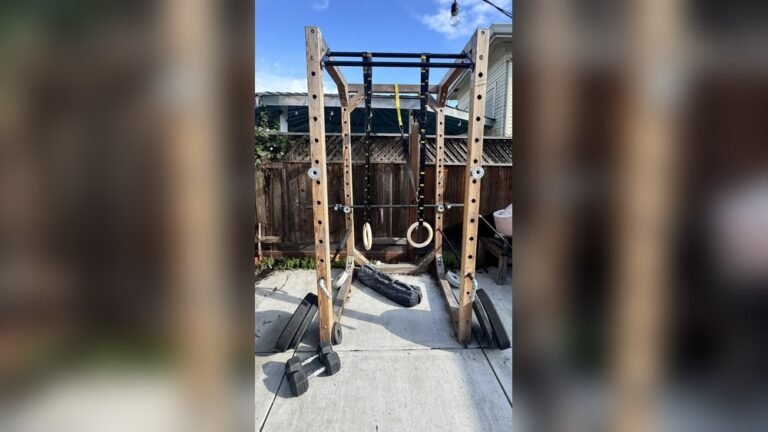
Store your power rack in a dry, covered area when not in use. Avoid damp basements or garages with high humidity. Use a breathable cover to protect from dust and moisture. Elevate the rack off the floor on wooden blocks if possible. This prevents rust and damage during long breaks.
Frequently Asked Questions
How To Store Power Banks?
Store power banks in cool, dry places away from heat, sunlight, moisture, and metal objects. Keep ports clean and avoid extreme temperatures.
Where To Put A Power Rack?
Place a power rack on level ground with ample space around it. Ensure high ceilings and enough room to move freely while lifting. Avoid tight spots near walls to allow safe, comfortable exercise and equipment use.
Does Gym Equipment Get Rusty In A Shed?
Gym equipment stored in a shed can rust due to moisture and humidity. Keep it dry and well-ventilated to prevent rusting.
What Is The Best Power Rack That Doesn’t Need To Be Bolted Down?
The Rogue R-3 Power Rack offers stability without bolting. It features a sturdy frame, versatile pull-up bars, and secure J-cups for safety. Ideal for home gyms needing solid, portable equipment.
Conclusion
Storing your power rack properly saves space and protects your equipment. Choose a dry, level spot with enough room around it. Keep the rack away from moisture to prevent rust and damage. Use weight storage horns to organize plates neatly on the rack.
Regularly check bolts and parts to keep everything secure. With simple care, your power rack stays safe and lasts longer. A well-stored rack makes workouts smoother and more enjoyable.