You’ve invested in resistance bands to boost your workouts, but are you storing them the right way? How you keep your bands can make a huge difference in how long they last and how well they perform.
If your bands get tangled, dry out, or crack, it’s not just frustrating—it can even lead to injury. The good news? With a few simple storage tips, you can protect your bands, save space, and keep your home gym neat.
Keep reading to discover easy, effective ways to store your resistance bands and get the most out of every workout.
Storage Options
Resistance bands need proper storage to stay in good shape. Storing bands correctly keeps them from tangling and stretching out. Choose storage options that fit your space and workout style. Keeping bands organized saves time and effort during exercise.
Wall-mounted Racks
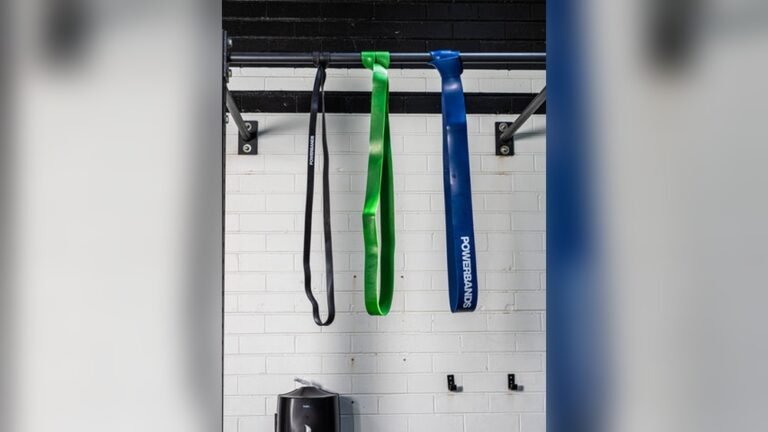
Wall-mounted racks hold resistance bands neatly on hooks or pegs. They save floor space and keep bands visible for easy selection. You can arrange bands by color or resistance level. Installation is simple and works well in small rooms or home gyms. This option prevents bands from getting damaged on the floor.
Freestanding Stands
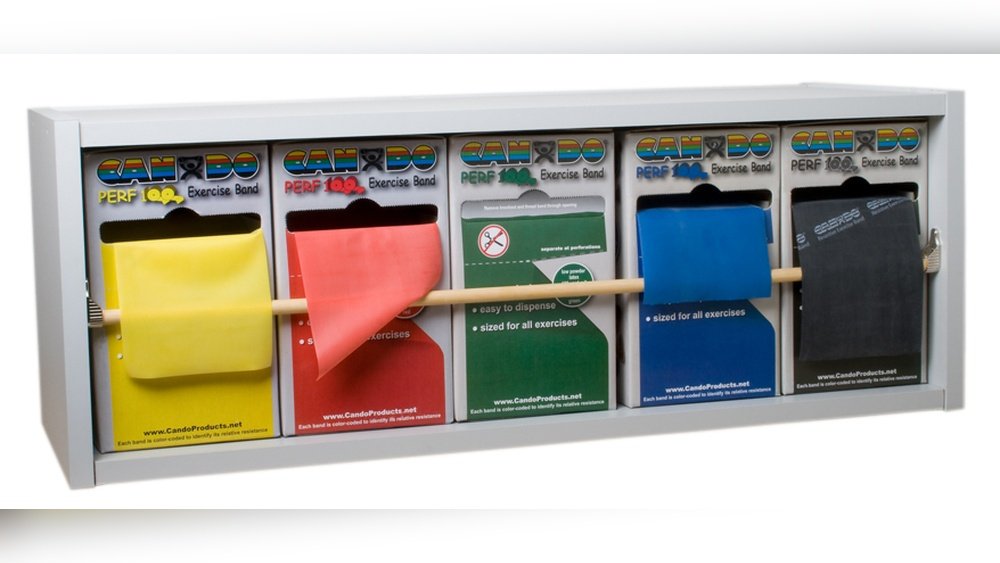
Freestanding stands are portable and hold multiple bands at once. They fit well in larger workout areas or studios. These stands allow quick access and keep bands off the ground. You can move them around to suit your workout needs. Their open design helps air circulate around the bands.
Baskets And Organizers
Baskets or small organizers keep bands bundled and tidy in one spot. They work well on shelves or under benches. You can use dividers to separate bands by size or resistance. This option is simple and affordable for storing bands in any room. Baskets protect bands from dust and sunlight.
Bags And Backpacks
Using bags or backpacks is great for storing bands on the go. They keep bands together and easy to carry. Choose bags with compartments to avoid tangling. This storage method is perfect for travel or outdoor workouts. Bags protect bands from dirt and damage during transport.
Over-the-door Hangers
Over-the-door hangers offer a quick way to store bands without drilling holes. They fit on most doors and hold bands on hooks or loops. This option saves space and keeps bands ready to use. It is ideal for small apartments or shared spaces. Over-the-door hangers keep bands off the floor and organized.
Protecting Bands From Damage
Protecting resistance bands from damage extends their lifespan and keeps them safe for workouts. Proper care prevents cracks, tears, and loss of elasticity. Store bands thoughtfully to avoid common problems caused by environment and handling.
Avoid Sunlight And Heat
Sunlight and heat degrade the material of resistance bands quickly. UV rays cause the bands to lose strength and flexibility. Store bands in shaded, cool areas away from windows and heaters. Avoid leaving them in hot cars or near radiators.
Keep Bands Dry
Moisture damages the rubber and fabric of resistance bands. Water can lead to mold or weaken the material. Always dry bands thoroughly after use. Store them in a dry place with good air circulation to prevent moisture buildup.
Prevent Edge Damage
The edges of resistance bands are vulnerable to cuts and tears. Avoid stretching bands over rough surfaces or sharp corners. Store bands flat or gently rolled to protect the edges. Regularly check for small damages and replace bands if needed.
Use Proper Straps
Using straps keeps loop bands organized and prevents tangling. Straps reduce stress on the bands during storage. Choose soft, adjustable straps that do not pinch or cut into the material. Secure bands loosely to avoid stretching or deforming them.
Maintaining Elasticity
Maintaining the elasticity of resistance bands is crucial for their long life and effective workouts. Proper care helps bands stay flexible and strong. Avoid damage that reduces their stretch and performance. Simple habits can protect your bands and keep them ready for use.
Regular Cleaning
Clean resistance bands after each use. Use mild soap and warm water. Avoid harsh chemicals or bleach. Wipe bands gently with a soft cloth. Dry them completely before storing. Dirt and sweat can degrade the material over time. Regular cleaning keeps bands flexible and safe.
Proper Bundling Techniques
Bundle bands without twisting or kinking them. Lay bands flat and roll or fold loosely. Use soft straps or ties to hold bundles together. Avoid tight knots or sharp bends. Proper bundling prevents cracks and weak spots. Store bands in a cool, dry place away from sunlight.
Avoiding Excessive Stretching
Do not stretch bands beyond their limit. Overstretching causes permanent damage. Stretch only to the recommended length. Avoid hanging bands by one end for long periods. Excessive tension weakens the elastic fibers. Handle bands gently to maintain their strength and elasticity.

Credit: www.youtube.com
Storage Environment Tips
Proper storage of resistance bands extends their lifespan and maintains their effectiveness. The environment where you keep your bands plays a vital role. Avoid places that damage the material. Use these tips to create the best storage setting for your bands.
Cool And Dark Locations
Store resistance bands in cool, dark spots. Heat and sunlight break down rubber and latex. This causes bands to crack and lose strength. A closet or drawer away from windows works well. Avoid places near heaters or direct sunlight.
Avoiding Humidity
Humidity can cause bands to weaken and develop mold. Keep bands in dry areas with low moisture. Avoid basements or bathrooms where humidity is high. Use silica gel packs in storage containers to absorb moisture.
Safe Placement Away From Chemicals
Keep bands far from chemicals like oils, cleaning products, and solvents. These substances can degrade the material quickly. Store bands separately from harsh chemicals. Use dedicated bins or bags to protect them from spills and fumes.
Diy Storage Ideas
DIY storage ideas for resistance bands are practical and budget-friendly. They help keep your workout space tidy. You can make simple solutions at home. These ideas protect bands from damage and tangling. They save space and make bands easy to find.
Using things you already have is smart. It reduces clutter and cost. Plus, DIY options add a personal touch to your gym area. Below are some easy ideas to try.
Homemade Band Hangers
Create band hangers using wooden boards and hooks. Attach sturdy hooks or nails spaced apart on the board. Mount the board on a wall or inside a closet. Hang each band by its loop or handle to avoid stretching.
Use old coat hangers bent into shape for a quick fix. They hold bands well and are easy to install. Label hooks by resistance level for fast selection during workouts.
Using Household Items
Repurpose common household items like curtain rods or towel racks. Slide bands over the rod to keep them untangled and visible. A tension rod inside a cabinet works well for hidden storage.
Use baskets or bins to store bands in one place. Roll bands neatly before placing them inside. This prevents knots and saves space on shelves or under benches.
Creative Space-saving Solutions
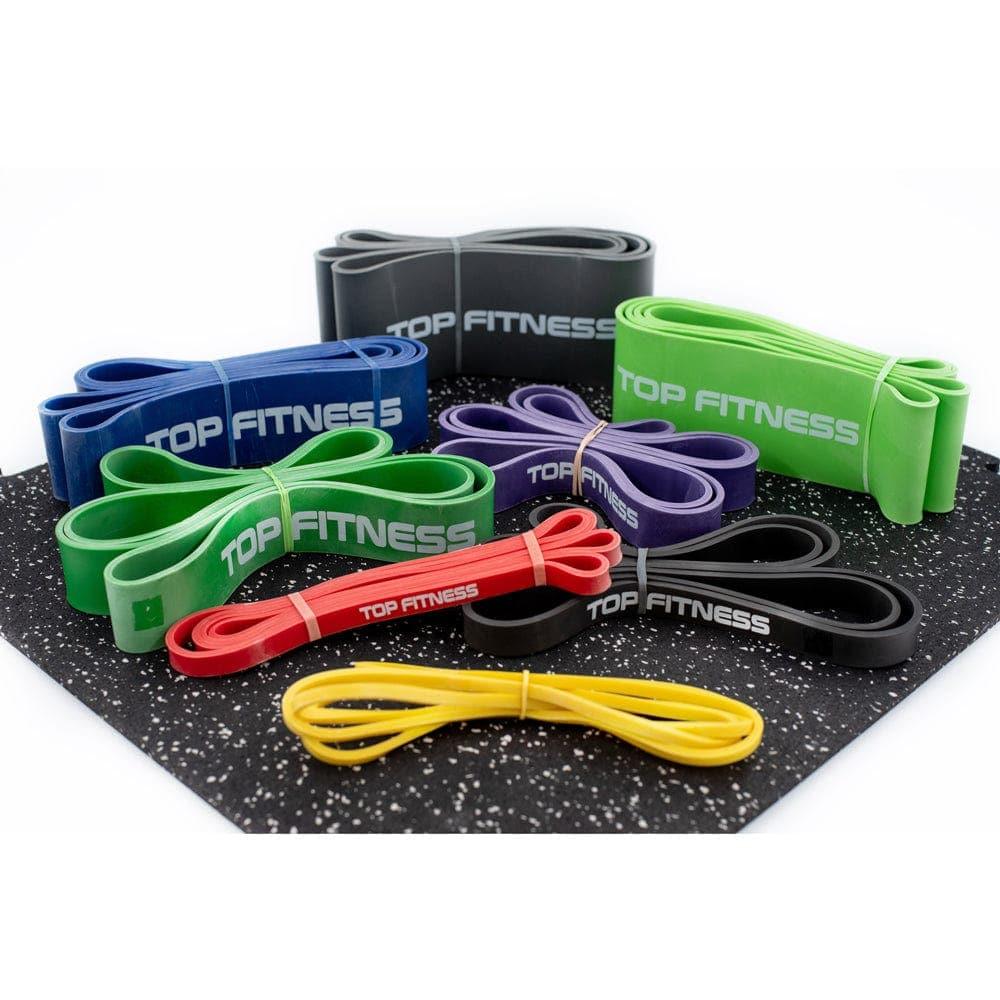
Install a pegboard on your wall for flexible band storage. Hang bands on pegs or use small baskets attached to the board. This system adapts to different band sizes and quantities.
Use a shoe organizer with clear pockets on the back of a door. Place bands in each pocket for easy access and neat organization. This keeps bands off the floor and out of the way.
Credit: www.topfitness.com

Credit: www.gottschlivestockfeeders.com
Frequently Asked Questions
How To Keep Resistance Bands From Drying Out?
Clean resistance bands after use and store them in a cool, dry place away from sunlight and heat. Hang or bundle bands using straps to prevent tangling and damage. Avoid contact with sharp surfaces to maintain elasticity and prevent drying out.
How To Keep Rubber Bands From Going Bad?
Store rubber bands in a cool, dry place away from heat and sunlight. Avoid plastic bags that react with rubber. Dust with talcum powder to prevent sticking and deterioration. Keep them loosely bundled and away from sharp objects to maintain elasticity and prolong their life.
What Is The Best Way To Store Rubber Bands?
Store rubber bands in a cool, dry, and dark place away from heat and sunlight. Use airtight containers or sealed bags to prevent drying and deterioration. Avoid storing them in plastic bags that can react with rubber. Dusting with talcum powder can extend their elasticity and lifespan.
How To Hang Resistance Bands At Home?
Hang resistance bands on sturdy wall hooks or a mounted rack at home. Loop bands securely to avoid slipping. Ensure the area is dry and away from direct sunlight to maintain band quality. Use Velcro straps to bundle loop bands neatly and prevent tangling.
Conclusion
Proper storage keeps resistance bands safe and ready to use. Avoid heat and sunlight to prevent damage. Hang bands on racks or hooks to stop tangling. Use straps or bags to keep loop bands organized. Store them in a cool, dry place for longer life.
Clean bands regularly to maintain their quality. Simple habits protect your investment and improve workouts. Keep your space tidy with smart storage ideas. Small steps make a big difference in band care. Enjoy your training with well-kept resistance bands every day.