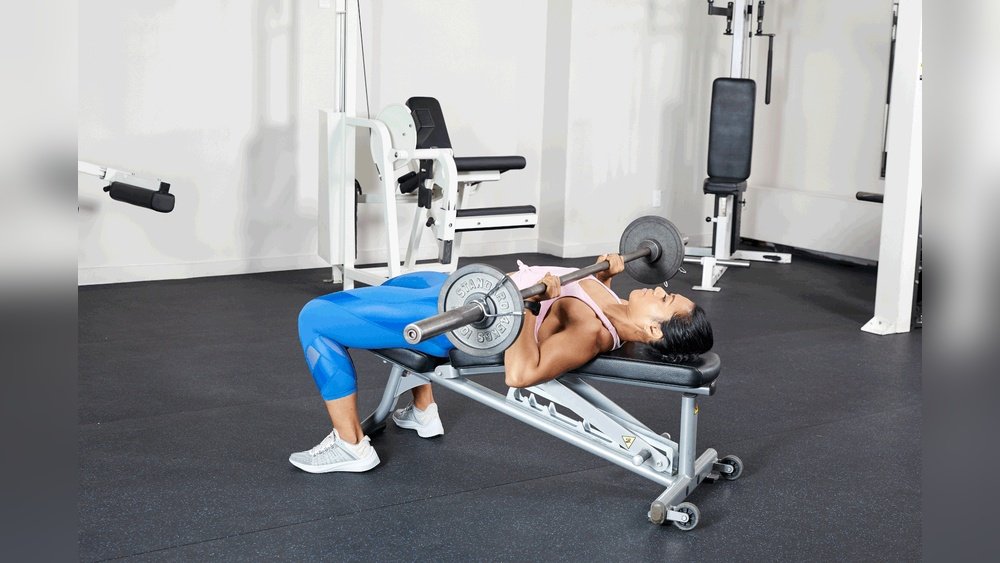
If you want to build upper body strength and boost your confidence in the gym, mastering the bench press is essential. But how do you use a bench press bench correctly to get the best results without risking injury?
You might have seen people effortlessly lifting heavy weights but wonder how to start or improve your own technique. This guide breaks down everything you need to know—from setting up your body on the bench to the exact movement of the bar.
By following these clear, easy steps, you’ll gain the power and control to lift smarter, not just heavier. Ready to unlock your full bench press potential? Keep reading and transform your workout today.
Credit: musclesquad.com
Bench Press Setup
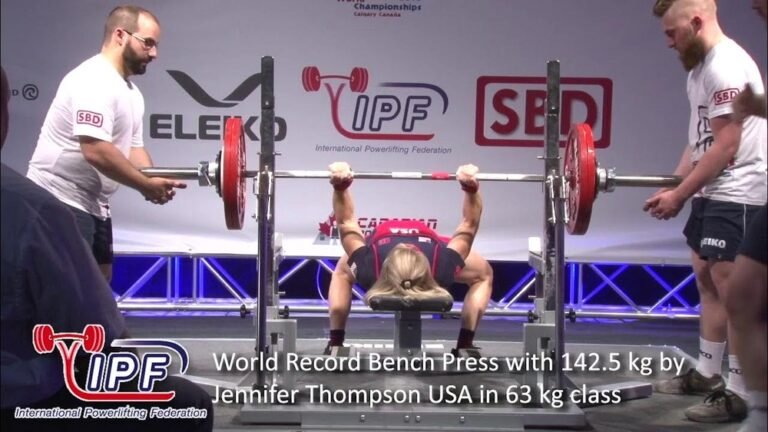
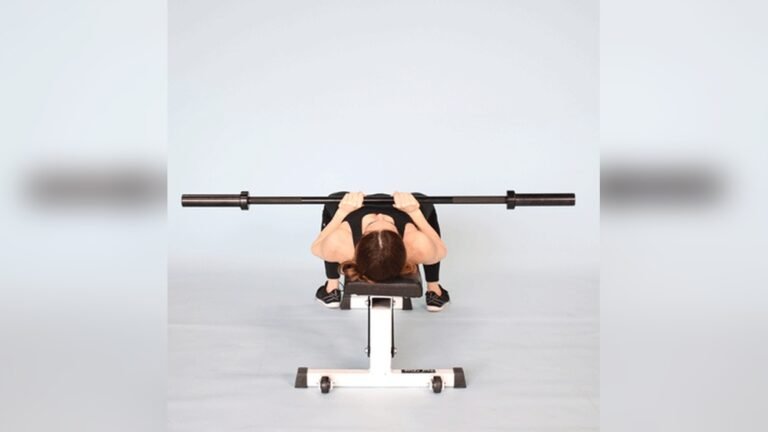
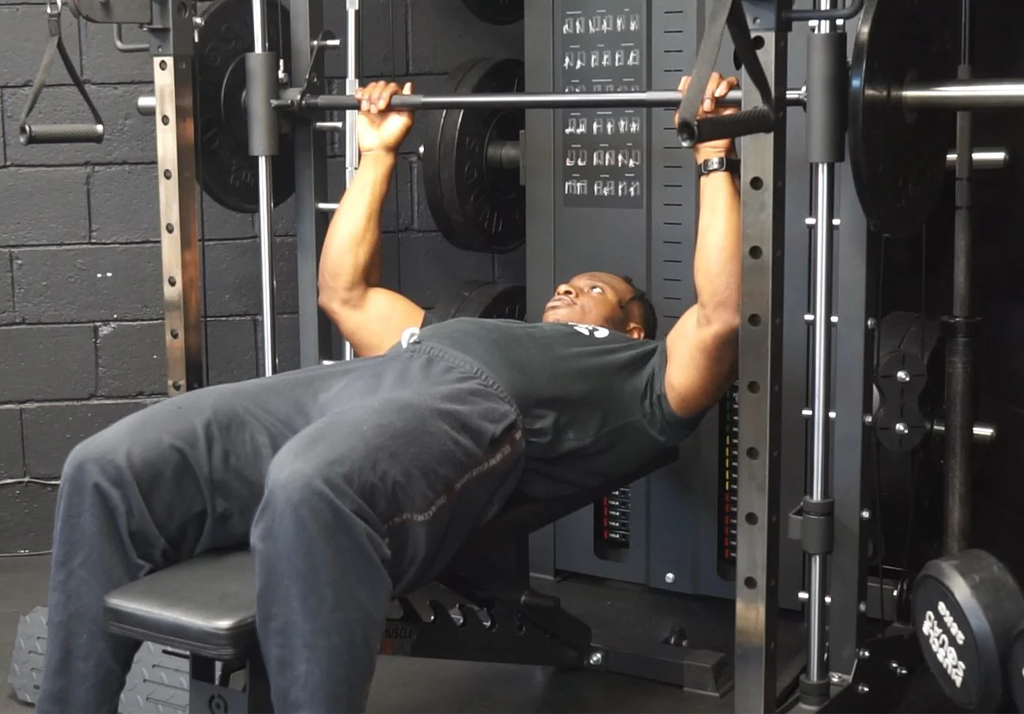
Position yourself so your eyes are under the bar. Lie flat with your back slightly arched, keeping your chest up. Your feet should be flat on the floor, placed firmly for stability. Drive your feet into the ground to help with balance.
Pull your shoulder blades together and down. This creates a strong base and protects your shoulders. Keep the shoulder blades tight throughout the lift.
| Hand Grip | Purpose |
|---|---|
| Wide Grip | Targets chest muscles more |
| Medium Grip | Balanced chest and triceps work |
| Narrow Grip | Focuses on triceps |
Grip the bar firmly but avoid squeezing too tight. Keep wrists straight to protect joints. Adjust your grip width to match your training goal.
Credit: www.puregym.com
Executing The Lift
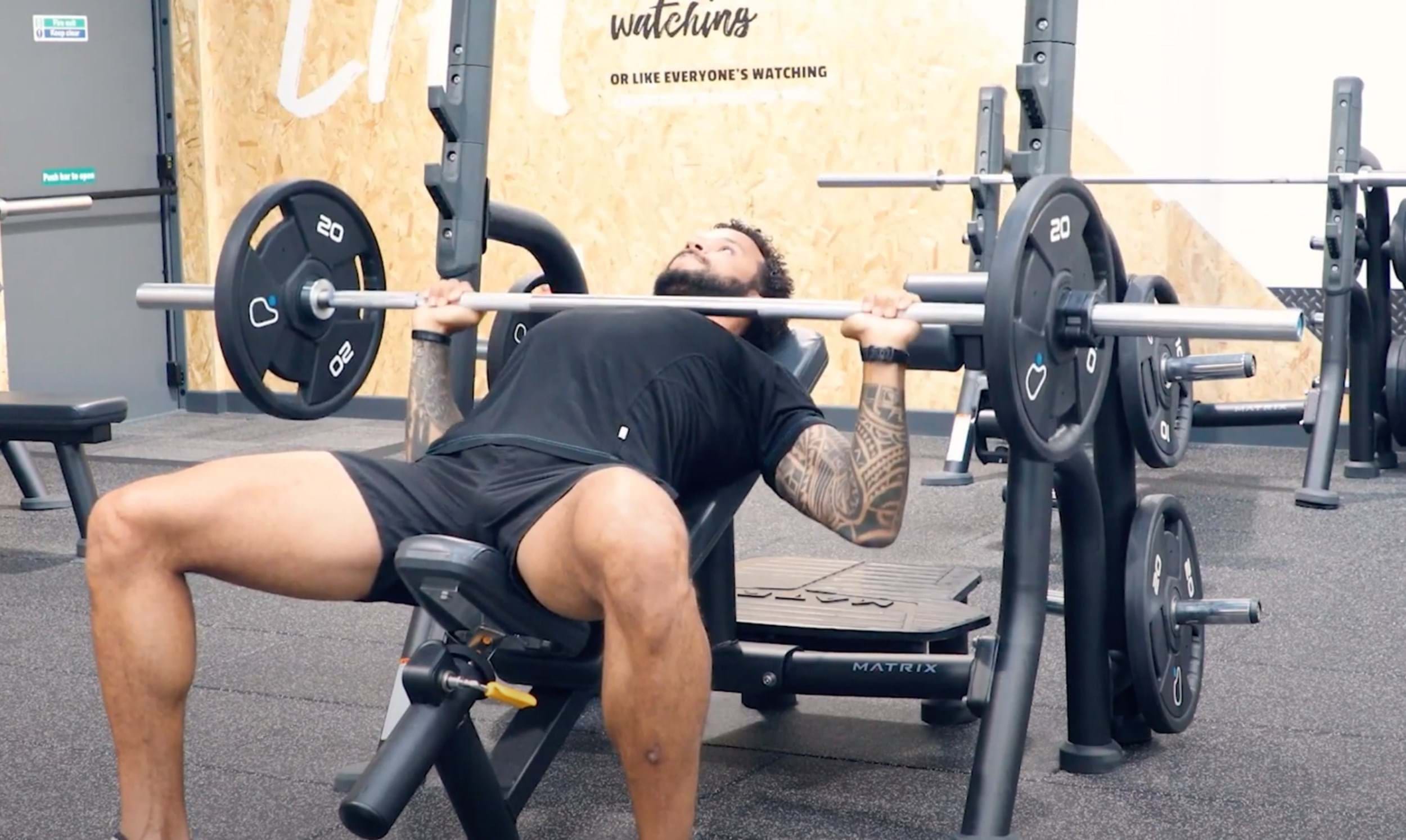
Unracking the Bar requires a firm grip and steady arms. Keep your feet flat on the floor and shoulder blades tight on the bench. Lift the bar off the rack slowly and move it directly above your chest. Hold the bar steady before starting the lift.
Lowering the Bar means bringing it down with control. Lower the bar slowly until it just touches your chest. Keep your elbows at about a 45-degree angle to protect your shoulders. Avoid bouncing the bar off your chest.
Pause at Chest helps build strength and stability. Hold the bar still for a brief moment. This pause stops momentum and forces your muscles to work harder. Stay tight and keep breathing.
Pressing Upward is the final push. Drive the bar upward using your chest and arm muscles. Keep your wrists straight and your body tight. Push the bar back to the starting position, fully extending your arms.
Form Tips For Safety
Using leg drive helps create power during the lift. Press your feet firmly on the floor. Push your legs slightly to add stability and force. This makes the bench press safer and stronger.
The bar path technique means moving the bar in a straight line. Lower the bar to your mid-chest, not your neck or stomach. Press the bar back up along the same path for better control and power.
Maintaining stability is key to avoid injury. Keep your back slightly arched and shoulders tight. Your feet should not move during the lift. This helps keep your body steady and balanced.
The role of a spotter is to protect you from accidents. A spotter watches your lift closely. They help if the weight becomes too heavy. Always bench press with someone nearby for safety.
Adjusting Bench And Bar Settings
The seat height should align your hands with the mid-chest level. Adjust the seat so your feet rest flat on the floor for stability. A proper seat height helps maintain good form and reduces injury risk.
Changing the bench angle alters the muscles worked. Flat bench targets the middle chest. Incline bench focuses on upper chest. Decline bench works the lower chest. Adjust angles in small steps to find your best position.
Grip width changes the exercise impact. A narrow grip targets triceps more. A wider grip focuses on the chest muscles. Choose a grip that feels comfortable and safe for your shoulders.
Strength Levels And Goals
Bench press strength changes with experience and training goals. Beginners should focus on learning correct form and aim to lift their body weight or less. This builds a solid foundation and reduces injury risk.
Intermediate lifters work to increase their weight steadily. Targets usually range between 1 to 1.5 times their body weight. Consistency and proper rest are key during this stage.
Advanced users often lift over 1.5 times their body weight. Their goals include strength gains and muscle growth. They must pay close attention to technique and recovery.
| Level | Bench Press Target |
|---|---|
| Beginner | Up to body weight |
| Intermediate | 1 to 1.5 times body weight |
| Advanced | Above 1.5 times body weight |
Avoid common injuries by warming up well and using proper form. Don’t lift weights that cause pain. Keep wrists, shoulders, and back safe by controlling the bar path. Rest and listen to your body.
Common Mistakes To Avoid
Improper arching can lead to back pain and reduce bench press safety. Keep a small, natural arch in your back, not extreme. Avoid pressing your lower back too hard into the bench.
Elbow positioning errors limit strength and risk injury. Keep elbows at about a 45-degree angle from your body. Avoid flaring them out too wide or tucking them too close.
Neglecting leg drive makes the lift less stable. Press your feet firmly into the ground. Use your legs to create tension and support your upper body.
Rushing the movement reduces control and power. Lower the bar slowly and press up steadily. Focus on smooth, controlled motion to get the most from your workout.
Incorporating Bench Press Variations
The incline bench press targets the upper chest muscles. Set the bench at a 30-45 degree angle. Use a barbell or dumbbells for this variation. It helps build a fuller chest shape.
The decline bench press works the lower chest. Set the bench so your head is lower than your hips. This position reduces shoulder strain. It adds variety and balances chest development.
Dumbbell alternatives offer more freedom of movement. They improve muscle balance and coordination. Dumbbells also allow a greater range of motion than barbells.
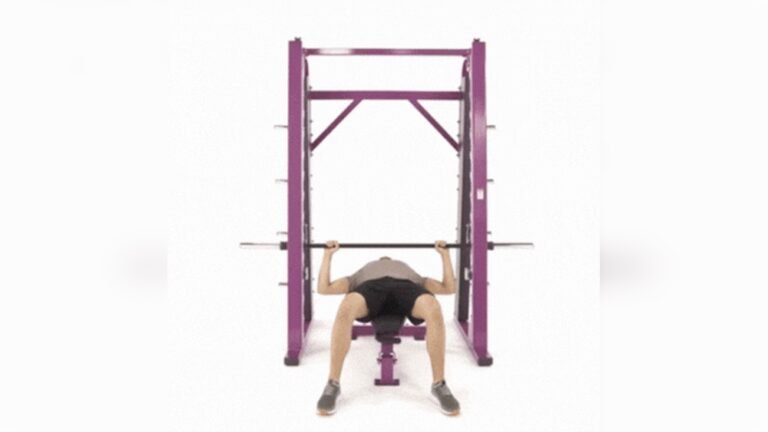
The Smith machine guides the bar on fixed rails. It helps maintain form and safety. It is useful for beginners or for lifting heavier weights safely.
Progressing Your Bench Press
Gradually increasing weight helps muscles get stronger safely. Add small amounts of weight each week. This avoids injury and builds steady progress. Keep a training log to track your lifts and reps. It shows improvements and areas needing work.
Periodization means changing workout plans regularly. Alternate between heavy and light days. This prevents burnout and helps muscles recover better. Use cycles of 4 to 6 weeks for best results.
Rest and recovery are as important as lifting. Muscles grow when resting, not during exercise. Aim for at least 48 hours between bench press sessions. Get enough sleep and eat protein to help repair muscles.
Credit: yorkbarbell.com
Frequently Asked Questions
How To Use A Bench Press Bench?
Lie back on the bench with feet flat and shoulder blades pinched. Grip the bar slightly wider than shoulders. Unrack the bar, lower it to your chest, pause briefly, then press up. Keep your core tight and drive through your feet for stability.
How To Use A Bench Press Machine Correctly?
Adjust the seat so hands align with mid-chest. Grip slightly wider than shoulders. Keep feet flat and back pressed. Lower bar slowly to chest, pause, then press upward. Engage shoulder blades and avoid locking elbows. Breathe steadily and increase weight gradually for safety.
Is 45 Or 30 Better For The Upper Chest?
A 45-degree incline better targets the upper chest than 30 degrees. It activates more muscle fibers for growth.
How Much Should A 170 Lb Man Bench Press?
A 170 lb man should aim to bench press his body weight, around 170 lbs, as a beginner standard. Intermediate lifters may lift 1. 25 to 1. 5 times body weight. Advanced lifters often bench press 1. 75 to 2 times their weight, focusing on form and gradual progress.
Conclusion
Using a bench press bench correctly improves your workout safely. Always position your body with feet flat and back slightly arched. Grip the bar just outside shoulder width and keep shoulders squeezed. Start with light weights and increase gradually to avoid injury.
Focus on controlled movements for better muscle growth. Practice regularly to build strength and confidence. Remember, consistency matters more than heavy lifting. Stay patient and listen to your body’s signals. This approach helps you use the bench press bench effectively every time.
Keep these tips in mind for steady progress and better results.