Are you ready to take your workouts to the next level? Fixed dumbbells are simple, effective tools that can help you build strength, tone your muscles, and improve your overall fitness.
But are you using them the right way to get the best results? You’ll discover easy tips and techniques to make every rep count. Whether you’re a beginner or looking to refine your routine, understanding how to use fixed dumbbells properly will change the way you train—and the way your body responds.
Keep reading, and unlock the full potential of your workouts!

Credit: www.youtube.com
Choosing The Right Dumbbells
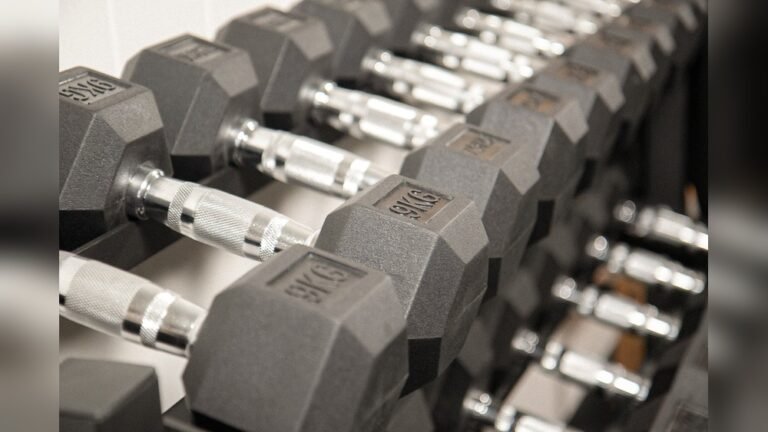
Choosing the right fixed dumbbells is key to a good workout. The right pair helps you exercise safely and effectively. It also keeps you motivated to train regularly. Many factors affect your choice, such as weight, material, and space. Understanding these can save money and improve results.
Weight Selection Tips
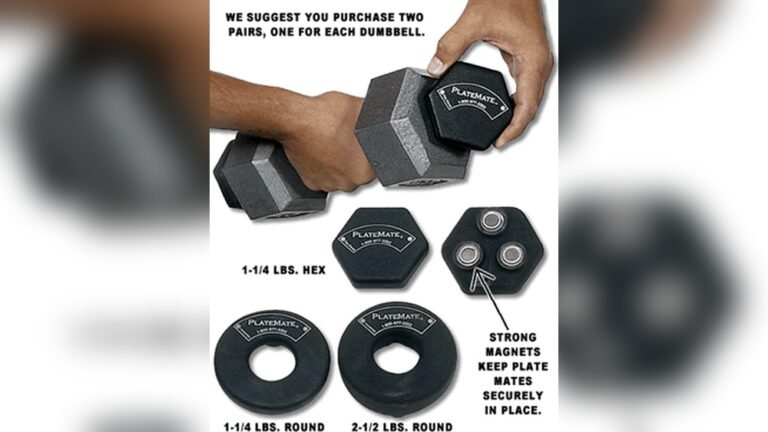
Start with a weight you can lift 8 to 12 times. This builds strength without causing injury. For beginners, light to medium weights work best. Increase weight gradually as you get stronger. Choose dumbbells that let you do different exercises easily. Avoid weights that are too heavy or too light.
Material And Grip Options
Dumbbells come in metal, rubber, or neoprene. Metal ones last long but may damage floors. Rubber-coated dumbbells protect floors and reduce noise. Neoprene grips feel soft and comfortable. Check the handle size and texture. A good grip prevents slipping during workouts.
Space And Storage Considerations
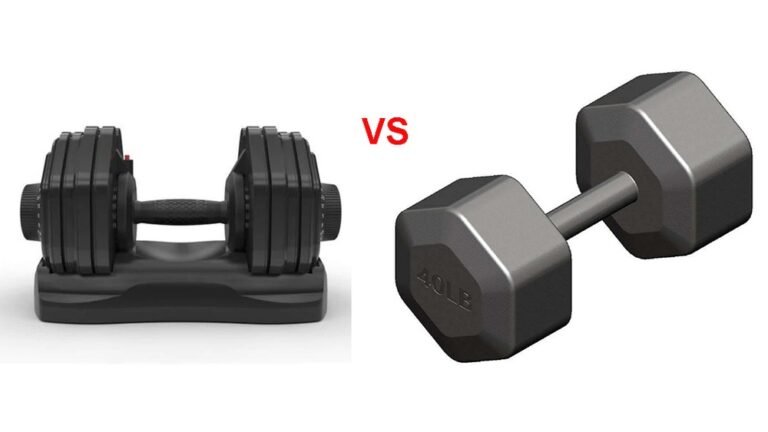
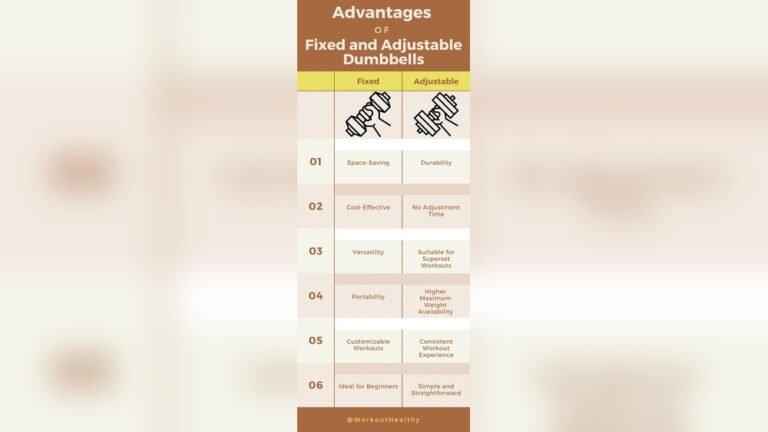
Fixed dumbbells take more space than adjustable ones. Measure your workout area before buying. Choose compact designs for small spaces. Some come with racks for neat storage. Keep dumbbells where you can reach them easily. Proper storage keeps your room tidy and safe.
Basic Dumbbell Exercises
Basic dumbbell exercises help build strength and improve muscle tone. These moves target key muscle groups. They are simple to perform and fit any workout routine. Using fixed dumbbells offers control and safety during each exercise.
Start with light weights to learn proper form. Gradually increase weight as strength improves. Focus on slow, steady movements for best results. These exercises also enhance balance and coordination.
Bicep Curls
Bicep curls strengthen the front arm muscles. Hold a dumbbell in each hand with palms facing forward. Keep elbows close to your body. Lift the weights by bending your elbows. Lower them slowly back down. Repeat for desired reps.
Tricep Extensions
Tricep extensions work the back of the arms. Hold one dumbbell with both hands overhead. Keep your elbows close to your head. Lower the dumbbell behind your head slowly. Lift it back up by straightening your arms. Keep your core tight throughout.
Shoulder Press
Shoulder presses build strength in the shoulders. Hold a dumbbell in each hand at shoulder height. Palms face forward. Push the weights upward until arms are straight. Lower the dumbbells back down slowly. Keep your back straight and core engaged.
Dumbbell Rows
Dumbbell rows target the upper back muscles. Place one knee on a bench for support. Hold a dumbbell in the opposite hand. Pull the dumbbell toward your waist by bending your elbow. Lower it back down with control. Switch sides and repeat.
Advanced Moves For Strength
Advanced moves with fixed dumbbells build serious strength fast. These exercises target multiple muscles at once. They improve balance and power together. Using fixed dumbbells increases control and safety.
Try these four key exercises to push your strength further. Each move challenges your body in new ways. Focus on form and steady progress. These exercises suit anyone ready for a tougher workout.
Goblet Squats
Hold one dumbbell close to your chest. Stand with feet shoulder-width apart. Squat down slowly, keeping your back straight. Push through your heels to stand up. This move strengthens legs, glutes, and core. It also improves your squat form.
Renegade Rows
Start in a plank position with dumbbells in hands. Row one dumbbell up toward your waist. Keep your body steady and hips level. Lower the dumbbell back down and repeat on the other side. This move builds back, arms, and core strength.
Dumbbell Deadlifts
Hold a dumbbell in each hand in front of you. Bend at your hips and knees to lower the weights. Keep your back flat and chest up. Stand back up by driving through your heels. Deadlifts target hamstrings, glutes, and lower back.
Chest Fly Variations
Lie on a bench or the floor with dumbbells in hand. Extend your arms above your chest with a slight bend. Open your arms wide to the sides slowly. Bring the dumbbells back together over your chest. This works chest muscles deeply and improves shoulder stability.

Credit: www.reddit.com
Creating Effective Workout Plans
Creating effective workout plans with fixed dumbbells helps you build strength and stay motivated. A good plan targets all major muscle groups and fits your schedule. It should include exercises that suit your fitness level and goals. Variety keeps workouts interesting and helps prevent plateaus.
Full-body Routines
Full-body routines work all muscle groups in one session. They save time and boost calorie burn. Use exercises like dumbbell squats, presses, rows, and curls. Perform 2-3 sets of 8-12 reps for each move. Rest 30-60 seconds between sets. Train three times a week for balanced results.
Split Training Approaches
Split training divides workouts by muscle groups or movement types. For example, upper body on one day and lower body the next. This approach allows more focus on each area. It also gives muscles extra recovery time. Plan 4-5 sessions per week to cover all groups. Include dumbbell presses, lunges, deadlifts, and flyes in your splits.
Progressive Overload Strategies
Progressive overload means gradually increasing workout difficulty. Add small weight increments with fixed dumbbells as you get stronger. Increase reps or sets if you cannot raise weight. Change exercise speed or reduce rest times for more challenge. Track progress to ensure steady improvement. This method builds muscle and strength safely.
Avoiding Common Mistakes
Using fixed dumbbells can be effective for strength training. Avoiding common mistakes helps you stay safe and get better results. Small errors may cause injuries or slow progress. Focus on proper habits from the start.
Form And Technique Errors
Good form protects your muscles and joints. Avoid swinging the weights or using momentum. Keep your back straight and core tight. Move slowly and control each repetition. Using the wrong technique limits muscle growth and may cause pain.
Overtraining Risks
Rest is important between workouts. Lifting weights every day can lead to tired muscles and injury. Allow time for recovery to build strength. Listen to your body and stop if you feel pain. Balanced training helps you improve steadily.
Ignoring Warm-up And Cool-down
Warm-up prepares your muscles for exercise. Simple stretches or light cardio help blood flow. Cooling down reduces soreness and stiffness. Stretch all major muscles after lifting. Skipping these steps increases injury risk and slows recovery.
Tracking Progress And Gains
Tracking your progress with fixed dumbbells helps you see real improvements. It keeps you motivated and guides your workouts. Without tracking, it is hard to know what works or when to increase effort.
Recording Workouts
Write down the exercises, weight, and reps after each session. Use a notebook or a phone app. This shows your starting point and helps spot progress over time. Recording workouts also reveals patterns and highlights areas to improve.
Adjusting Weight And Reps
Increase dumbbell weight or add more reps as you get stronger. Small changes challenge your muscles and avoid plateaus. Keep track of these changes to ensure steady growth. Avoid jumping too quickly to heavy weights to prevent injury.
Setting Realistic Goals
Set clear and achievable goals for your dumbbell training. Goals like lifting a certain weight or doing more reps work well. Break big goals into smaller steps. This makes progress easier to measure and keeps motivation high.
Incorporating Dumbbells Into Other Workouts
Incorporating fixed dumbbells into your workouts can improve strength and overall fitness. They add resistance, making exercises more effective. Using dumbbells in different workouts helps target muscles in new ways. It also keeps your routine fresh and exciting.
Combining With Cardio
Adding dumbbells to cardio increases workout intensity. Light weights during walking or jogging boost calorie burn. It also strengthens your arms and shoulders. Use dumbbells for moves like punches or arm swings. This combination helps build endurance and muscle together.
Using Dumbbells For Hiit
Dumbbells work well with High-Intensity Interval Training (HIIT). Alternate short bursts of dumbbell exercises with rest or light activity. Try moves like dumbbell thrusters or swings. These exercises raise your heart rate fast. They improve strength and burn fat efficiently.
Adding Dumbbells To Bodyweight Exercises
Use dumbbells to make bodyweight exercises harder. Hold them during squats, lunges, or push-ups. This adds resistance and helps build muscle. It also improves balance and coordination. Dumbbells turn simple moves into powerful workouts.
Credit: motiongrey.com
Frequently Asked Questions
What Are The Benefits Of Using Fixed Dumbbells?
Fixed dumbbells improve muscle strength, coordination, and balance. They offer versatility for various exercises and are easy to use at home or gym.
How Do I Choose The Right Fixed Dumbbell Weight?
Select a weight that challenges you but allows proper form. Start light, then gradually increase as your strength improves for safe progression.
Can Fixed Dumbbells Be Used For Full-body Workouts?
Yes, fixed dumbbells target multiple muscle groups. They support exercises for arms, chest, back, legs, and core for balanced strength training.
How Often Should I Train With Fixed Dumbbells?
Train with fixed dumbbells 3 to 4 times weekly. Allow rest days for muscle recovery and avoid overtraining to prevent injuries.
Conclusion
Using fixed dumbbells helps build strength and tone muscles. You can do many exercises with them at home or gym. Start with light weights and increase gradually for safety. Focus on good form to avoid injuries. Consistency matters more than heavy lifting.
Enjoy the process and stay patient with progress. Fixed dumbbells offer a simple way to stay fit. Keep practicing, and your body will thank you.