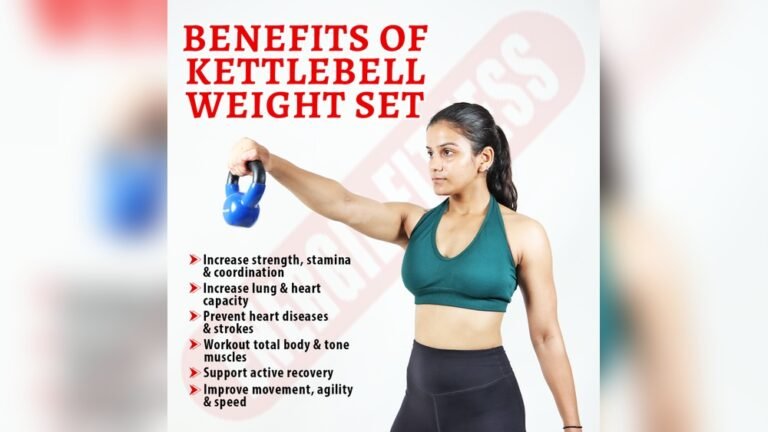
If you’ve just got your hands on a kettlebell set, you might be wondering how to use it effectively without risking injury or wasting effort. Using kettlebells can transform your fitness routine by building strength, improving coordination, and boosting endurance—all with just one simple tool.
But to get the best results, you need to know the right way to grip, lift, and move. In this guide, you’ll discover easy-to-follow tips and exercises that make kettlebell training safe and powerful. Ready to unlock your full potential and feel stronger with every swing?
Keep reading, and let’s dive into how you can master your kettlebell set step by step.

Credit: www.youtube.com
Kettlebell Basics
Kettlebells offer a versatile way to improve strength and fitness. Understanding kettlebell basics helps you use them safely and effectively. This section covers types, weight choices, and grip techniques. These fundamentals build confidence and prevent injury.
Types Of Kettlebells
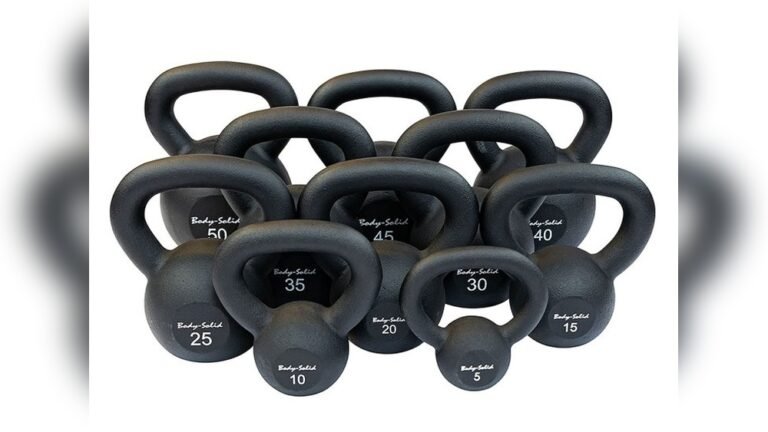
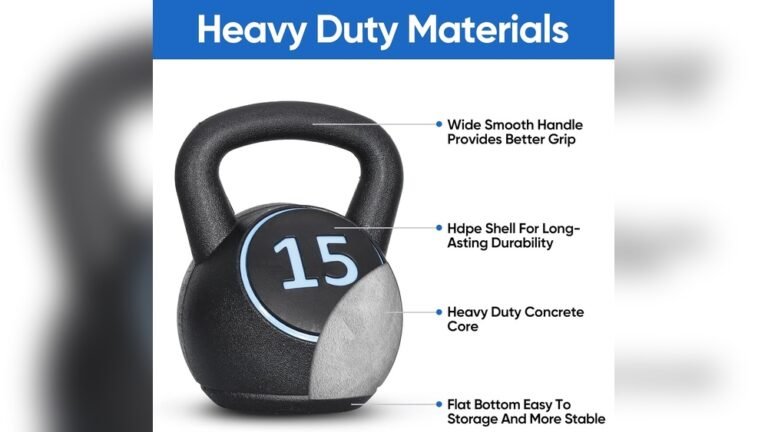
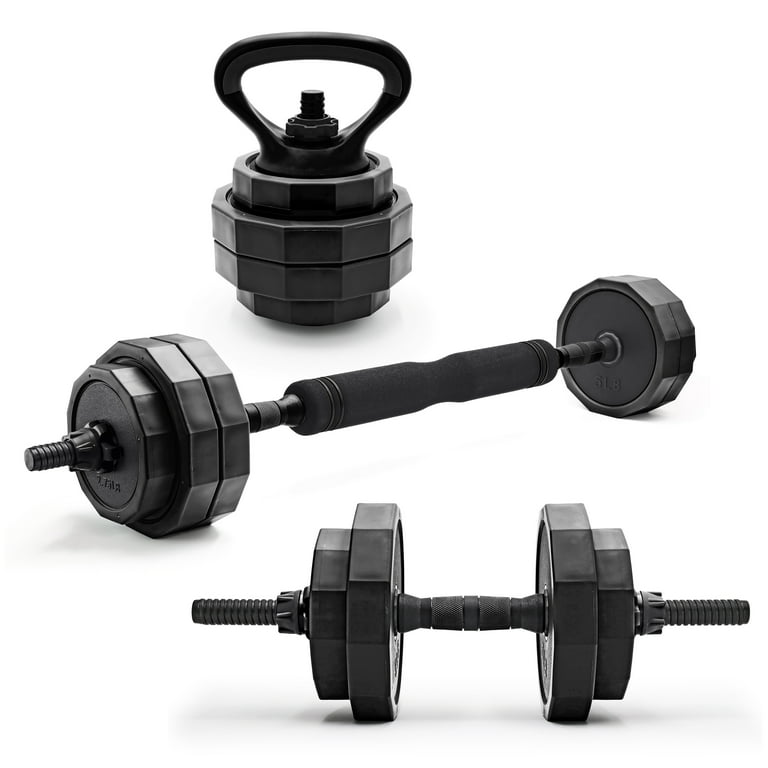
Kettlebells come in different styles. Traditional cast iron kettlebells have a round body and a thick handle. Competition kettlebells have the same size but different weights. Vinyl or rubber-coated kettlebells protect floors and reduce noise. Choose the style that fits your workout space and goals.
Choosing The Right Weight
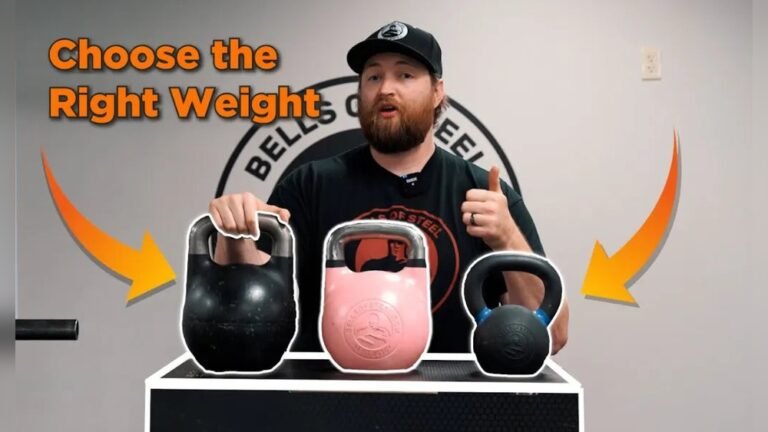
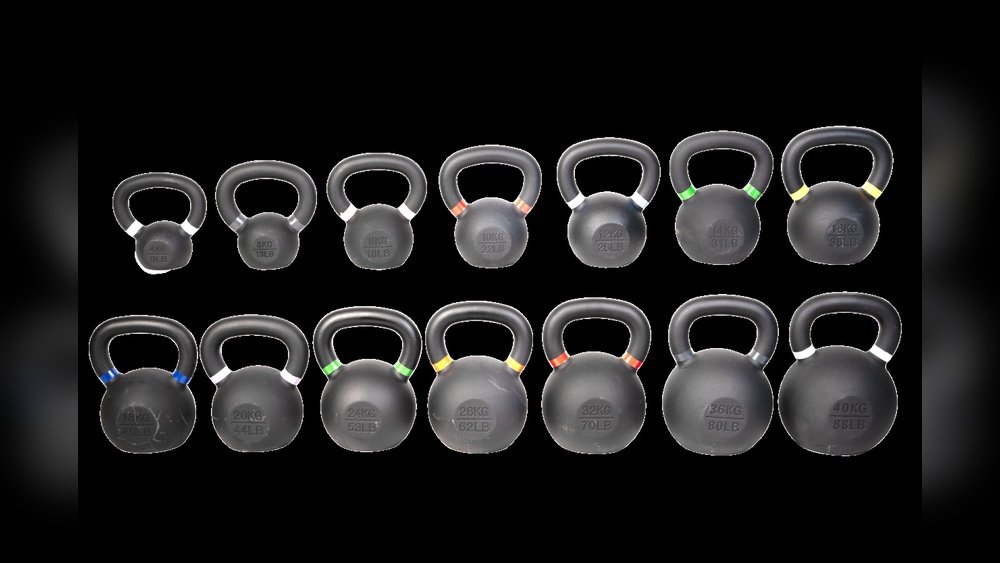
Select a kettlebell weight that matches your fitness level. Beginners should start with lighter weights to learn proper form. Women often start with 8-12 kg, men with 12-16 kg. Use lighter kettlebells for fast, cardio-based moves. Heavier ones work best for strength exercises. Focus on control, not just lifting heavy.
Grip And Handling Techniques
Good grip is crucial for kettlebell safety. Hold the handle firmly but not too tight. Use your whole hand, not just fingers. Keep your wrists straight to avoid strain. Practice swinging, pressing, and lifting with smooth, controlled movements. Proper handling improves exercise effectiveness and reduces injury risk.
Credit: www.walmart.com
Starting With Kettlebells
Starting with kettlebells is an exciting step toward better fitness. These weights improve strength, balance, and flexibility. Learning the basics helps you use them safely and effectively. Begin with light weights to build confidence and proper form. Gradually increase weight as your strength grows.
Warm-up Exercises
Warming up prepares your muscles and joints for kettlebell training. Start with gentle movements like arm circles and leg swings. Do light cardio such as jogging in place for 3 to 5 minutes. Include dynamic stretches to increase blood flow. This reduces the risk of injury and improves performance.
Safety Tips
Always check your surroundings before starting. Use a clear space with no obstacles. Hold the kettlebell firmly with both hands. Keep your back straight and core tight during exercises. Avoid sudden or jerky movements. Stop if you feel pain or discomfort. Use appropriate weight for your level to prevent strain.
Common Mistakes To Avoid
Do not use weights that are too heavy at first. Avoid rounding your back during swings or lifts. Do not lock your knees; keep a slight bend. Avoid lifting with your arms only—use your hips and legs. Do not rush through exercises; focus on control and form. Skipping warm-ups or ignoring pain can cause injuries.
Essential Kettlebell Moves
Kettlebells offer a simple way to build strength and improve fitness. Learning essential moves helps you use the kettlebell set safely and effectively. These core exercises work many muscles and boost your endurance.
Start slow and focus on form. These four moves are great for beginners and provide a solid foundation. Practice them regularly for better strength and balance.
Kettlebell Swing
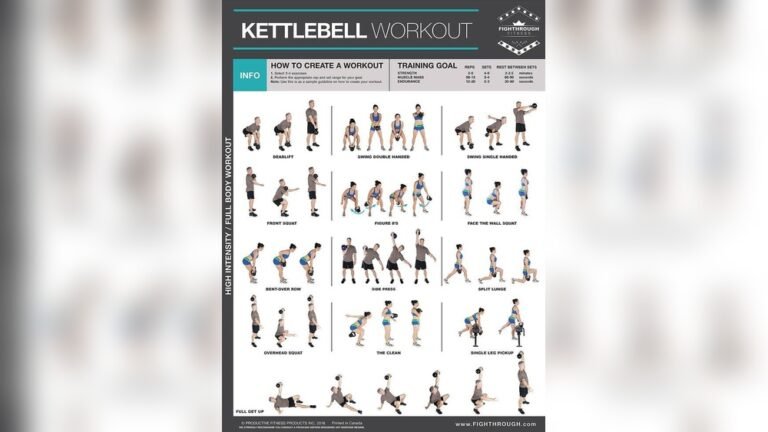
The kettlebell swing targets your hips, glutes, and core. Hold the kettlebell with both hands. Hinge at your hips, swing the kettlebell back, then thrust your hips forward to swing it to chest height. Keep your back straight and core tight.
Goblet Squat
Hold the kettlebell close to your chest with both hands. Stand with feet shoulder-width apart. Squat down by bending your knees and pushing your hips back. Keep your chest up and back straight. Return to standing position slowly.
Turkish Get-up
This move builds strength and stability. Lie on your back holding the kettlebell above you with one arm. Use your free hand and legs to slowly stand up while keeping the kettlebell overhead. Reverse the steps to return to the start.
Overhead Press
Hold the kettlebell in one hand at shoulder height. Press it straight overhead until your arm is fully extended. Keep your core tight and avoid arching your back. Lower the kettlebell back to the shoulder slowly.
Creating A Workout Routine
Creating a workout routine with a kettlebell set is simple and effective. It helps you gain strength, improve endurance, and balance your muscles. Planning your exercises keeps your workouts focused and safe.
Use a kettlebell set to target different muscle groups and training goals. Change weights and moves to fit your fitness level. Consistency matters more than intensity at the start.
Building Strength
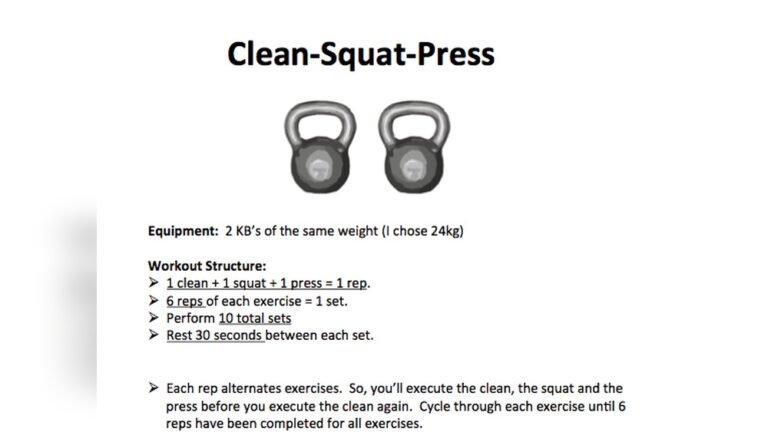
Choose heavier kettlebells for strength training. Focus on moves like goblet squats, deadlifts, and presses. Use slow, controlled motions to engage your muscles fully. Aim for 3 to 5 sets of 6 to 10 reps. Rest between sets to recover properly.
Cardio And Endurance
Pick lighter kettlebells for cardio workouts. Try kettlebell swings, snatches, and cleans. Perform exercises continuously for 20 to 30 seconds. Rest briefly, then repeat for several rounds. This raises your heart rate and builds stamina.
Balancing Muscle Groups
Work both upper and lower body muscles equally. Include pulling and pushing movements to avoid imbalances. Combine kettlebell rows with overhead presses. Add lunges and swings for leg strength. Balance prevents injuries and improves overall fitness.
Progressing With Kettlebells
Progressing with kettlebells is key to building strength and endurance. It helps avoid plateaus and keeps workouts challenging. This section explains how to move forward safely and effectively.
Increasing Weight
Start with a comfortable weight to learn proper form. Once exercises feel easy, increase the kettlebell weight slowly. Choose the next size up, usually 4 to 6 pounds heavier. Avoid jumping too quickly to prevent injury. Heavier kettlebells build more muscle and improve power.
Advanced Techniques
After mastering basics, try advanced kettlebell moves. Examples include snatches, Turkish get-ups, and windmills. These exercises work multiple muscle groups and improve coordination. Use controlled movements and focus on form. Advanced techniques increase workout intensity and variety.
Tracking Your Progress
Keep a workout journal or use an app to track sets, reps, and weight. Record how you feel and any improvements in strength or endurance. Tracking helps spot plateaus and areas to improve. Review progress regularly and adjust your routine accordingly.

Credit: www.doba.com
Kettlebell Set For Home Use
A kettlebell set is a perfect choice for home workouts. It offers variety and challenge without needing much space. You can build strength, improve endurance, and boost flexibility all in one place. This makes it ideal for anyone wanting to stay fit at home.
Space And Equipment Needs
Kettlebells need little room to use. A small corner or a clear floor area works well. You only need a flat, stable surface to exercise safely. No extra machines or weights are necessary. Just your kettlebell set and a yoga mat for comfort.
Maintaining Your Kettlebells
Keep kettlebells clean and dry to last longer. Wipe them with a damp cloth after each use. Avoid leaving them in damp or hot places. Check for cracks or damage regularly. Proper care keeps them safe and strong for your workouts.
Incorporating Kettlebells Into Daily Fitness
Use kettlebells in short sessions to fit your busy day. Try swings, squats, and presses for a full-body workout. Start with light weights and increase gradually. Mix kettlebell exercises with walking or stretching. This keeps fitness simple and consistent.
Frequently Asked Questions
What Is The Correct Way To Use A Kettlebell?
Grip the kettlebell firmly with both hands. Use a hip hinge to swing, pushing hips back then thrusting forward. Keep your back straight. Engage your core and glutes. Start with lighter weights to master form before increasing intensity. Always control the movement to avoid injury.
Is 20 Minutes Of Kettlebell Workouts A Day Enough To Lose Weight?
Yes, 20 minutes of daily kettlebell workouts can aid weight loss. Combine with proper diet and consistency for best results.
How Heavy Should A Kettlebell Be For Beginners?
Beginners should start with 8-12 kg (18-26 lbs) kettlebells for women and 12-16 kg (26-35 lbs) for men. Choose lighter weights for learning form and heavier for strength. Prioritize perfect technique to avoid injury and progress safely.
How To Lift Kettlebells Correctly For Beginners?
Grip the kettlebell handle firmly with both hands. Hinge at your hips, keep your back straight, and engage your core. Swing the kettlebell using hip thrusts, not your arms. Maintain control and keep the kettlebell close to your body throughout the movement.
Conclusion
Using a kettlebell set improves strength and flexibility. Start with light weights to learn proper form. Focus on controlled movements to avoid injury. Consistency helps build endurance and confidence. Practice different exercises for a full-body workout. Remember to rest between sessions for recovery.
Enjoy the benefits of kettlebell training daily. Keep your routine simple and steady for best results.