If you want to get stronger, safer, and more confident with your workouts, learning how to use a power rack is a game-changer. This piece of gym equipment isn’t just for heavy lifters—it’s designed to help you perform key exercises like squats, bench presses, and pull-ups with stability and protection.
But using it the right way is crucial. Imagine nailing your form every time, avoiding common mistakes, and pushing your limits without fear of injury. This guide will walk you through the basics and insider tips to make the most of your power rack sessions.
Ready to take your strength training to the next level? Let’s dive in!
Power Rack Basics
The power rack is a key tool for safe and effective weight training. It helps users lift heavy weights without a spotter. Understanding its basics is essential to use it correctly and safely. This section explains the core parts and common attachments of a power rack.
Components And Features
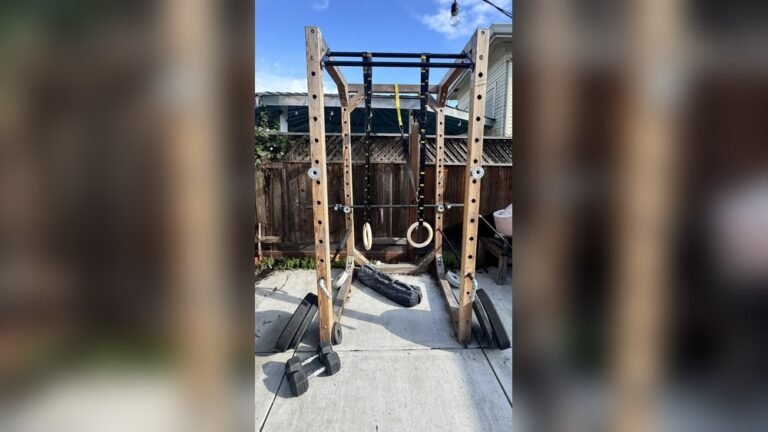
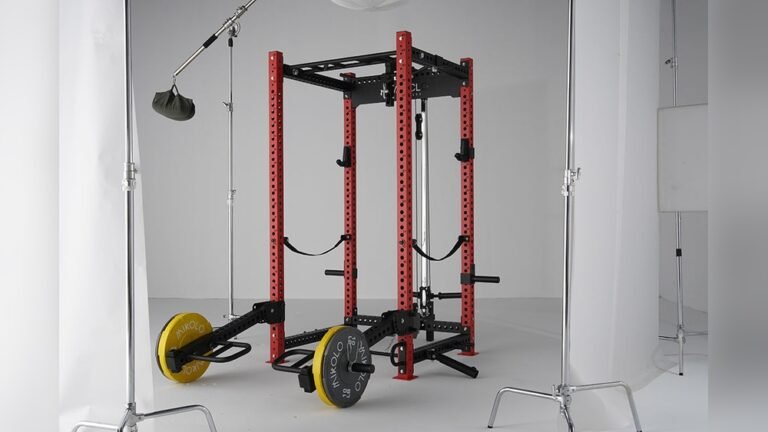
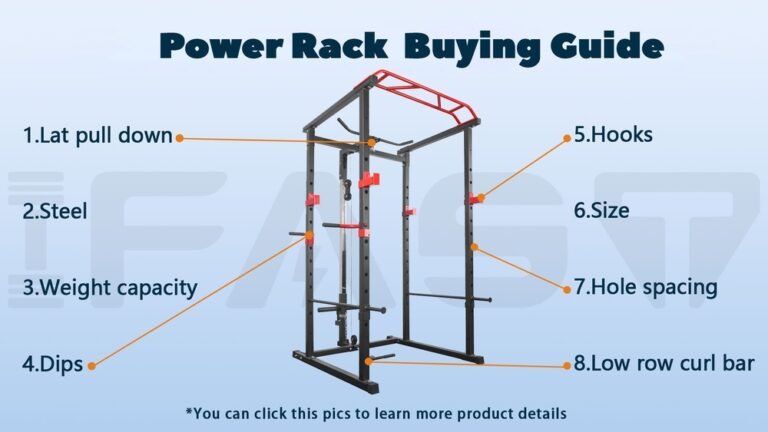
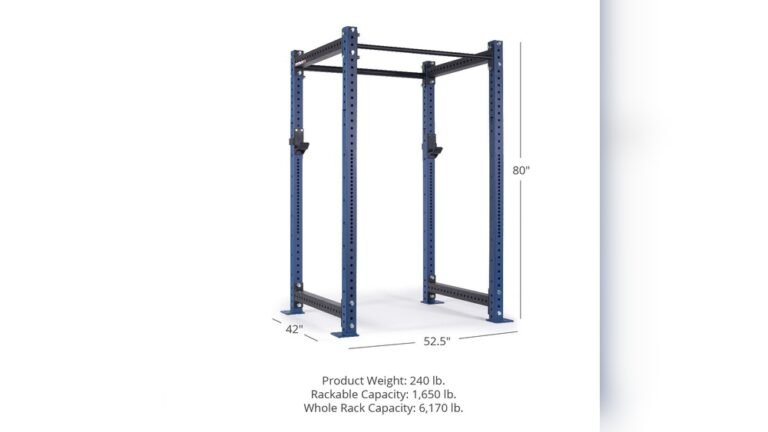
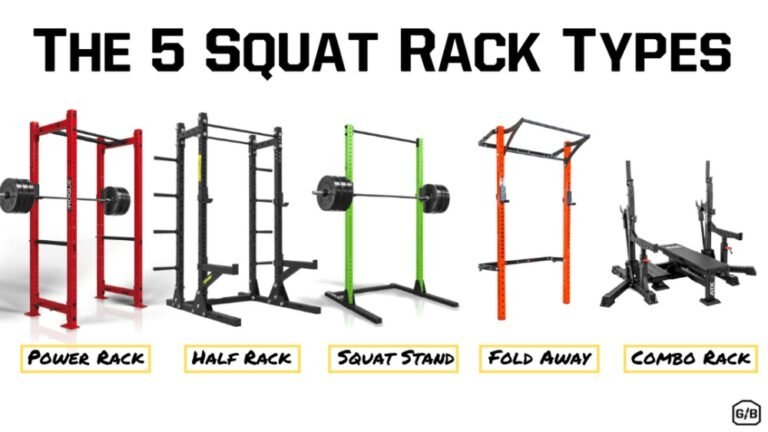
A power rack is a strong, rectangular frame made of steel. It has four vertical posts connected by horizontal bars. The posts have holes for adjustable safety pins and hooks. These pins catch the barbell if you fail a lift, preventing injury.
The rack includes adjustable J-hooks to hold the barbell at different heights. It also has a pull-up bar on top for bodyweight exercises. The base is wide and stable to support heavy loads. Some racks have weight plate holders on the sides for easy storage.
Common Attachments
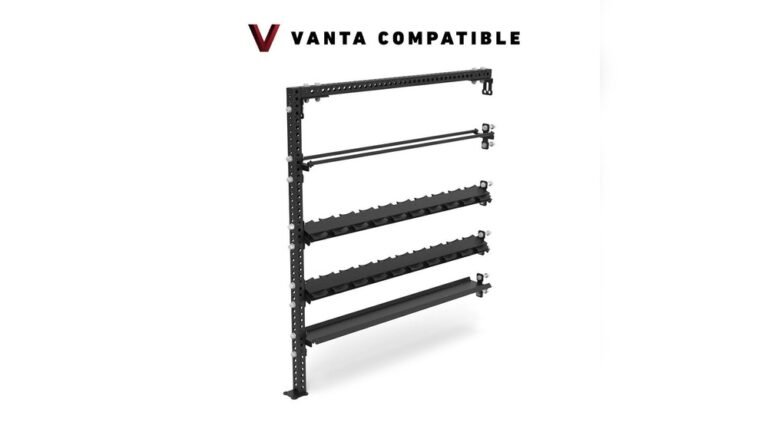
Many power racks come with or support extra attachments. Safety straps or bands replace pins for a softer catch during lifts. Dip bars attach to the front for triceps dips and other moves. Landmine attachments allow rotational exercises with a barbell.
Some racks include cable pulley systems for rows and triceps pushdowns. Adjustable bench attachments let you perform presses inside the rack safely. Adding a lat pulldown attachment increases exercise variety. These extras boost the rack’s usefulness for full-body workouts.
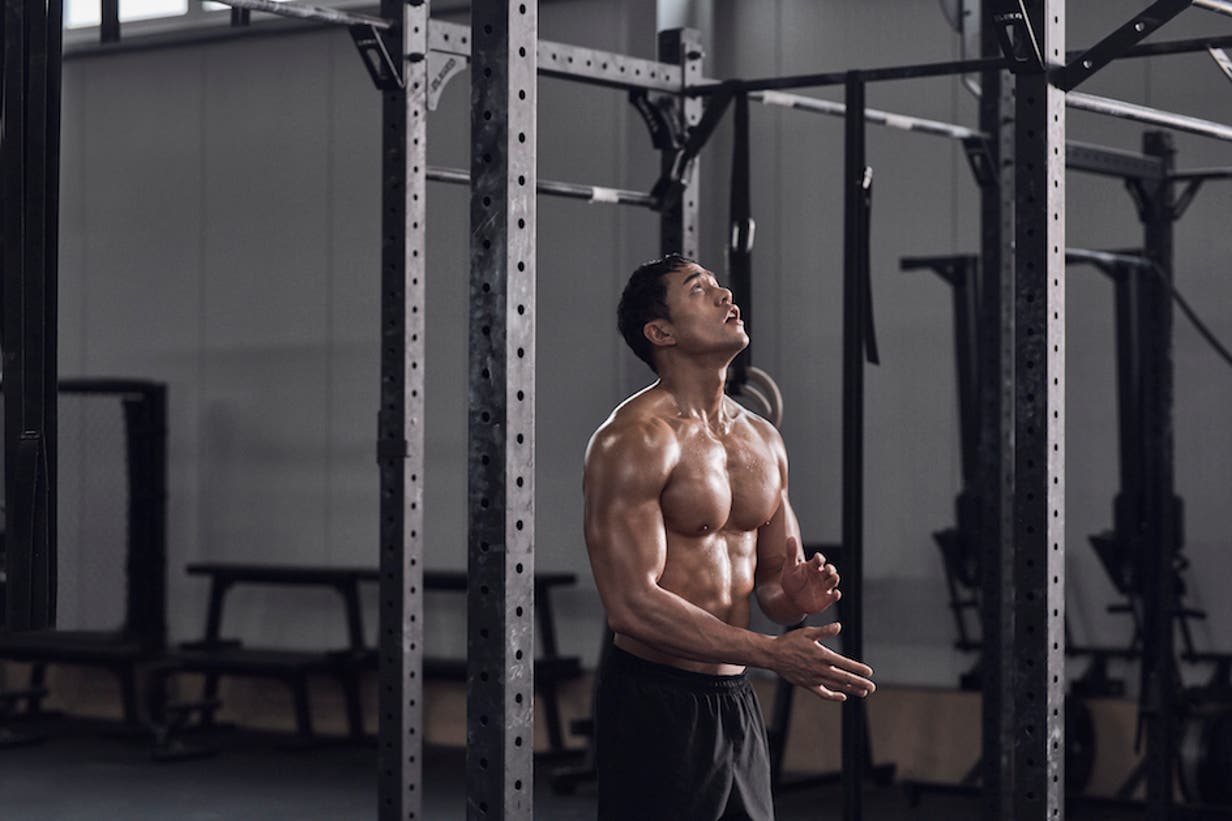
Credit: www.freeletics.com
Setting Up The Rack
Setting up the power rack correctly is key for safe and effective workouts. This process ensures your exercises are secure and tailored to your height and strength level. Proper setup helps prevent injuries and improves your lifting performance.
Take your time to adjust each part of the rack before you start lifting. It creates a stable environment that supports your movements and safety.
Adjusting Safety Bars
Safety bars catch the barbell if you fail a lift. Set them just below your lowest squat or bench press depth. Make sure they are level on both sides and locked securely. Adjust the height to allow full range of motion without risking injury.
Positioning The Barbell
Place the barbell on the rack hooks at a comfortable height. For squats, set it just below shoulder height. For bench presses, position the bar so you can unrack it easily while lying down. Check that the bar is centered and stable before lifting.
Loading Weight Plates
Slide weight plates evenly on both sides of the barbell. Start with lighter weights and increase gradually. Use collars or clips to secure the plates and prevent them from sliding off. Balance the load carefully to maintain control during your workout.
Key Exercises
The power rack is a versatile tool for strength training. It supports many key exercises that build muscle and improve fitness. These exercises target different muscle groups and can be done safely inside the rack. Below are some essential movements to perform with your power rack.
Squats
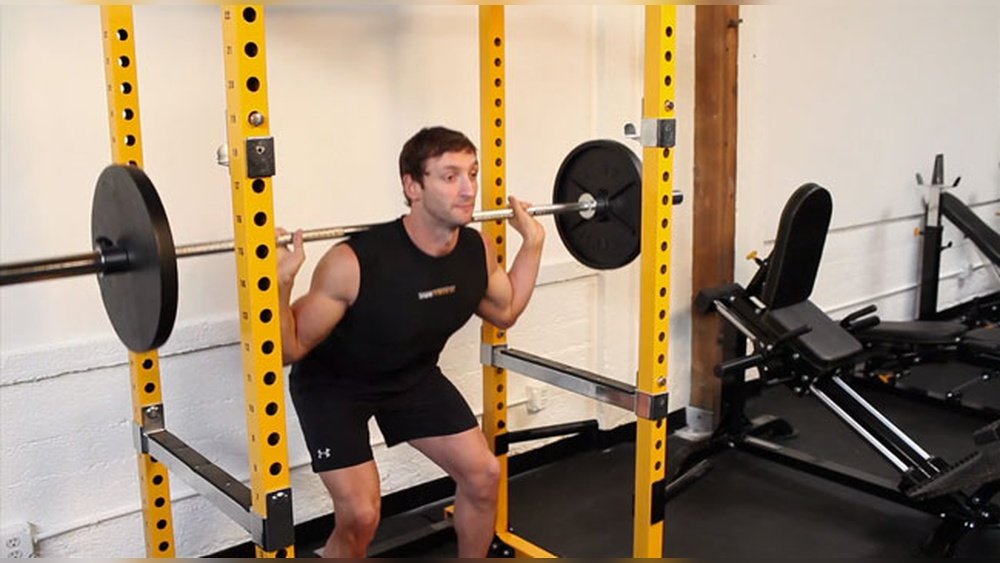
Squats are a fundamental lower-body exercise. Place the barbell on your shoulders inside the rack. Step back carefully and position your feet shoulder-width apart. Lower your body by bending your knees and hips. Keep your back straight and chest up. Push through your heels to return to standing. The power rack safety bars catch the barbell if you fail. This ensures safe training with heavy weights.
Bench Press
The bench press builds chest, shoulder, and tricep strength. Set a bench inside the rack and place the barbell on the hooks above. Lie down on the bench with your feet flat on the floor. Grip the bar slightly wider than shoulder-width. Unrack the bar and lower it slowly to your chest. Press the bar back up to full arm extension. Use the safety bars to catch the weight if needed.
Overhead Press
The overhead press strengthens shoulders and arms. Set the barbell on the rack at chest height. Stand under the bar and grip it with your hands just outside shoulder-width. Unrack the bar and step back. Press the bar straight overhead until your arms lock out. Lower the bar carefully back to your shoulders. The power rack keeps the bar secure before and after the lift.
Pull-ups And Dips
Many power racks include pull-up and dip bars. Pull-ups target your back and biceps. Grab the pull-up bar with a firm grip and pull your chin above the bar. Lower down slowly. Dips focus on your triceps and chest. Hold the dip bars and lower your body by bending your elbows. Push back up until your arms are straight. These bodyweight exercises improve upper body strength and stability.
Proper Techniques
Using a power rack correctly is key to safe and effective workouts. Proper techniques help prevent injuries and improve strength gains. Focus on bar placement, grip, body alignment, posture, breathing, and bracing for best results.
Bar Placement And Grip
Place the bar evenly across your upper back for squats. Avoid resting it on your neck. Keep your hands just outside your shoulders. Grip the bar tightly to maintain control. Your wrists should stay straight and strong. This helps stabilize the bar during lifts.
Body Alignment And Posture
Stand with feet shoulder-width apart under the bar. Keep your chest up and shoulders back. Engage your core muscles to support your spine. Maintain a neutral spine throughout the movement. Avoid rounding or arching your back. Proper posture reduces injury risk and improves power.
Breathing And Bracing
Take a deep breath before lifting the bar. Hold your breath and brace your core tight. This creates intra-abdominal pressure for support. Exhale slowly as you complete the lift. Proper breathing keeps your body stable and strong. It also helps control movements safely.
Safety Tips
Using a power rack is a great way to improve your strength safely. Safety is the most important part of any workout. Knowing how to protect yourself prevents injuries. Follow these safety tips every time you use the power rack.
Using Safety Pins Correctly
Set the safety pins at the right height before you start. They should catch the bar if you fail a lift. Adjust the pins to just below your lowest squat point. This setup stops the bar from falling on you. Always check the pins are locked tightly in place.
Spotting Yourself
Spotting yourself means knowing how to lift safely alone. Use the power rack’s safety features instead of a spotter. Keep the bar close to your body during lifts. Move slowly and control the bar at all times. If you feel tired, stop and reset before continuing.
Avoiding Common Mistakes
Do not rush your setup or lifting process. Avoid lifting with bad posture or poor form. Never ignore the safety pins or leave them out. Don’t overload the bar beyond your capacity. Always warm up before heavy lifts to prepare your muscles.

Credit: www.liftingitalia.com
Training Programs
Training programs are essential to make the most out of your power rack workouts. A well-planned routine helps build strength safely and steadily. It also keeps you motivated and consistent. Below are key approaches to organize your training effectively.
Balanced Weekly Schedule
Create a weekly plan that targets different muscle groups. Include days for squats, bench presses, and deadlifts. Add light cardio or mobility work for recovery. Rest days are important to prevent injury and improve performance. A balanced schedule ensures steady progress and avoids burnout.
Single Workout Structure
Design each session with a clear goal in mind. Start with a warm-up using light weights or bodyweight exercises. Follow with compound lifts like squats or presses inside the rack. Finish with accessory exercises to support main lifts. Keep workouts focused and efficient to save time and energy.
Progress Tracking
Track your weights, reps, and sets each workout. Use a notebook or fitness app for easy logging. Review progress weekly to spot improvements or plateaus. Adjust your program based on the data to keep challenging your muscles. Consistent tracking builds confidence and helps avoid stagnation.
Maintenance And Care
Maintaining your power rack ensures safety and extends its lifespan. Regular care keeps it working smoothly and prevents accidents. Simple steps help keep your rack in top shape for every workout session.
Cleaning The Rack
Wipe down the rack after each use to remove sweat and dust. Use a damp cloth with mild soap for stubborn dirt. Avoid harsh chemicals that may damage the finish. Dry the rack thoroughly to prevent rust and corrosion. Clean the barbell and attachments as well to maintain hygiene.
Checking For Wear And Tear
Inspect the rack weekly for any signs of damage or wear. Look for cracks, bent parts, or loose bolts. Tighten bolts and screws to keep the rack stable. Check the safety pins and hooks for any deformation. Replace worn or damaged parts immediately to avoid injury. Regular checks help catch problems early and keep workouts safe.

Credit: ironbullstrength.com
Frequently Asked Questions
What Is The 3-3-3 Rule For Working Out?
The 3-3-3 rule for working out means doing 3 sets of 3 reps with proper rest. It boosts strength safely.
What Should You Avoid When Using A Power Rack?
Avoid lifting without safety pins set at proper height. Do not overload the bar beyond capacity. Avoid improper form and neglecting warm-ups. Never skip using collars on weights. Avoid distractions and ensure clear space around the rack for safety.
What Is The 2 2 2 Rule In Gym?
The 2 2 2 rule in the gym means performing two exercises, two sets each, with two minutes rest between sets. It balances workout intensity and recovery.
How To Properly Spot A Squatter?
Watch for unauthorized occupants living without permission. Check for unfamiliar belongings, utility usage, or altered locks. Observe signs of regular presence. Confirm with neighbors or property management. Act promptly to address suspected squatting.
Conclusion
Using a power rack safely improves your strength training. Always adjust the rack height before lifting. Keep your movements slow and controlled to avoid injury. Practice proper form for squats, bench presses, and other exercises. Use the safety bars to protect yourself during heavy lifts.
Regular use builds muscle and boosts confidence. Stay consistent and patient with your workouts. Enjoy the progress and strength gains over time. A power rack is a valuable tool for home or gym training.