If you want to build strength, improve your fitness, or tone your legs and glutes, learning how to use a squat rack is a game-changer. But if you’re new to it, the squat rack can feel a bit intimidating.
You might wonder how to set it up, how to position your body, or how to stay safe while lifting heavy weights. This guide is made just for you. It breaks down everything step-by-step, helping you gain confidence, avoid injury, and get the most out of your workouts.
Ready to master the squat rack and take your training to the next level? Keep reading—you’re closer than you think!

Credit: www.youtube.com
Squat Rack Setup
Setting up a squat rack correctly is key for a safe and effective workout. A proper setup helps prevent injuries and lets you focus on your form. This section covers how to adjust the rack and position the bar for the best results.
Adjusting Height And Safety Pins
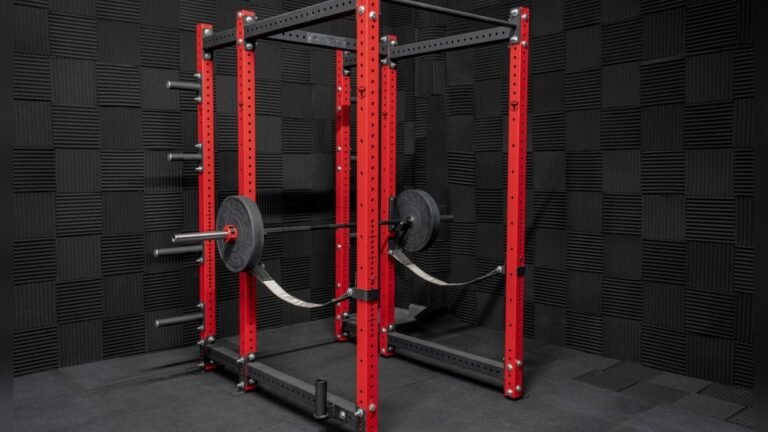
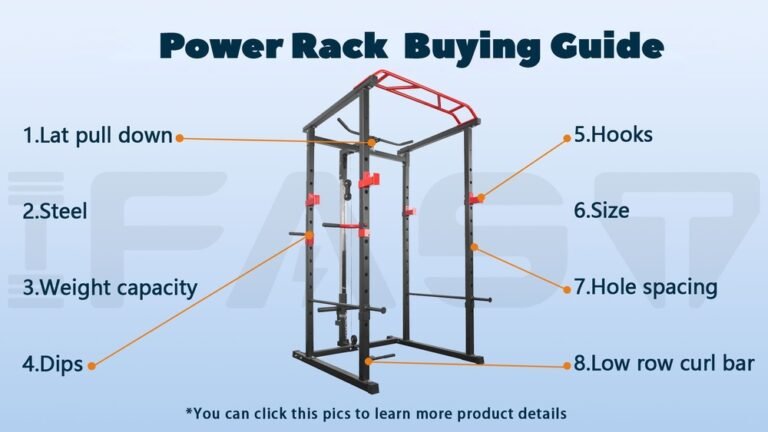
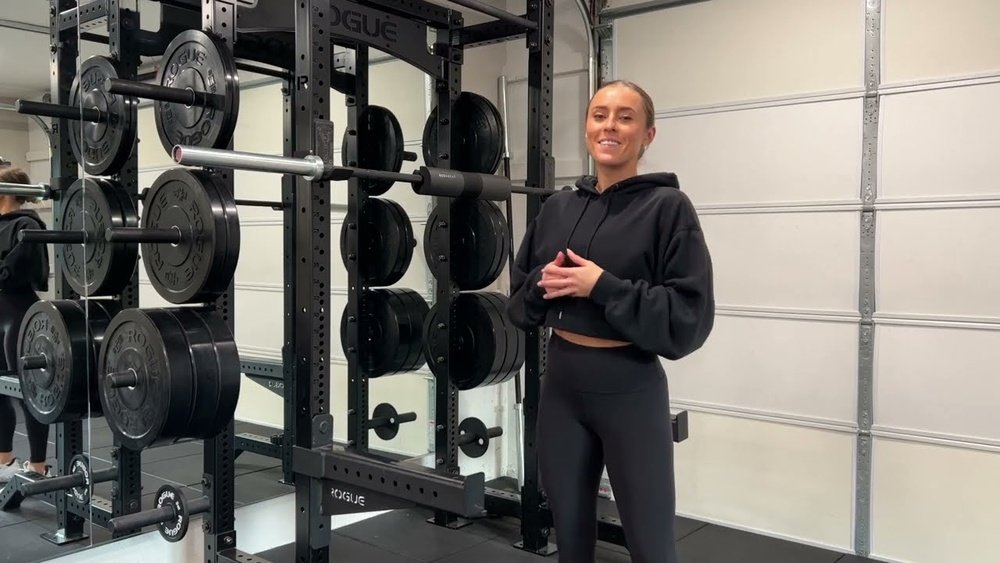
Start by adjusting the rack height to match your shoulder level. The bar should rest comfortably on your upper back when you stand upright. Next, set the safety pins just below your lowest squat depth. These pins catch the bar if you cannot complete a lift. Make sure the pins are secure and even on both sides. This setup protects you during heavy lifts and lets you train with confidence.
Positioning The Bar Correctly
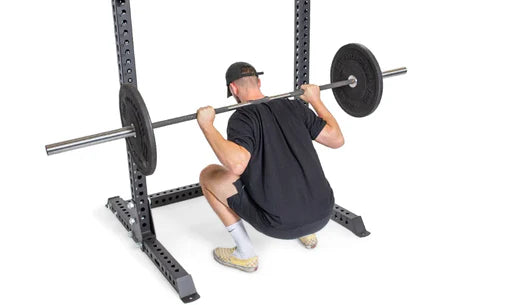
Place the bar evenly on your shoulders, not your neck. Use your hands to grip the bar firmly and pull it tight against your upper traps. Keep your elbows under the bar to create a stable shelf. This position helps distribute the weight safely across your back. Check the bar is centered before stepping back. Proper bar positioning improves balance and reduces strain on your spine.
Basic Squat Techniques
Basic squat techniques form the foundation for safe and effective workouts using a squat rack. Proper form reduces injury risk and improves strength gains. Starting with the right posture helps you lift with confidence. Focus on key elements like foot placement and core engagement. These simple steps build a strong, stable base for every squat.
Foot Placement And Stance
Place your feet shoulder-width apart or slightly wider. Toes should point slightly outward, about 15 to 30 degrees. This stance helps keep your knees aligned and balanced. Keep your weight evenly on your heels and midfoot. Avoid shifting your weight onto your toes. Your feet should feel stable and grounded before you squat.
Check your stance in a mirror or ask for feedback. Adjust as needed to stay comfortable. A solid foot placement allows deeper and safer squats.
Engaging Core And Back
Keep your core tight throughout the squat. Pull your belly button toward your spine to activate your abdominal muscles. A strong core protects your lower back from strain. Maintain a neutral spine, avoiding excessive rounding or arching.
Brace your back by squeezing your shoulder blades together slightly. This engagement supports your upper body under the barbell. Proper core and back tension create stability and help you lift heavier safely.
Mastering Bar Position
Proper bar position is key to safe and effective squats. It affects your balance, muscle engagement, and joint stress. Knowing where to place the bar helps maintain good form throughout the lift.
Different squat styles use different bar positions. Each position changes how your body moves and which muscles work hardest. Experimenting helps find what feels strongest and most comfortable for you.
High-bar Vs Low-bar Squats
High-bar squats place the bar on the upper traps, just below the neck. This position keeps your torso more upright. It targets the quads more and feels natural for most beginners.
Low-bar squats rest the bar lower on the rear delts. This forces a slight forward lean to keep balance. It shifts effort to the hips and glutes. Many powerlifters prefer this for heavier lifts.
Choosing high-bar or low-bar affects your range of motion and posture. Try both to see which suits your body shape and goals best.
Finding Your Optimal Grip
Your grip on the bar influences stability and control. A narrow grip tightens the upper back but may strain the shoulders. A wider grip can feel more natural but might reduce upper back tension.
Wrap your thumbs around the bar for a secure hold. Keep wrists straight to avoid discomfort. Adjust your grip width until you feel stable and strong.
Practice gripping the bar before lifting. Your ideal grip supports balance and helps you keep the bar steady during squats.
Credit: bellsofsteel.com
Controlling Forward Lean
Controlling forward lean during squats is key to safe and effective lifting. Proper lean helps keep balance and spine alignment. It also ensures the weight stays centered over your feet. Too much forward lean puts extra strain on your back and reduces power. Understanding when and how to lean forward improves your squat form.
When Leaning Forward Helps
Leaning forward slightly can improve your squat mechanics. People with longer thighs naturally lean more to keep balance. Low-bar squats require more forward lean than high-bar squats. This lean helps keep the bar over the mid-foot. It also maintains a strong, safe posture during the lift.
Signs Of Excessive Lean
Too much forward lean can cause problems. Your lower back may round or hurt. The bar might move too far forward. You could lose balance or struggle to stand up. These signs mean you need to adjust your form. Focus on a neutral spine and controlled movement.
Balancing Spine And Weight
Keep your spine neutral and chest up. Push your hips back and bend at the knees. Center the bar over the middle of your foot. Engage your core to protect your lower back. Practice with lighter weights to find your balance. This approach reduces injury risk and builds strength.
Common Form Mistakes
Using a squat rack properly helps avoid injuries and builds strength safely. Many beginners make common form mistakes that reduce effectiveness and cause pain. Understanding these errors improves your squat technique and keeps your body safe.
Knees Tracking And Heels Lifting
Knees should track in line with your toes during the squat. Letting knees cave inward stresses joints and weakens muscles. Avoid pushing knees too far forward past your toes. This can cause imbalance and knee pain.
Keep your heels flat on the ground throughout the movement. Lifting heels shifts weight forward and decreases stability. It also puts extra pressure on the knees. Focus on pressing through your heels to engage glutes and hamstrings properly.
Spine Rounding Risks
Maintaining a neutral spine is critical while squatting. Rounding your back places strain on the spine and can lead to injury. This often happens if the core is weak or you lean too far forward.
Keep your chest up and shoulders back. Tighten your core muscles to support your lower back. Look straight ahead or slightly up to help keep the spine aligned. A strong, straight back improves power and prevents pain.
Using Safety Features
Using safety features on a squat rack protects you during workouts. These features reduce injury risks and build confidence. Always use the rack’s safety parts correctly. They help catch the barbell if you cannot complete a lift. Knowing how to set and use these features is essential.
Setting Spotter Arms
Spotter arms are metal bars that catch the weight if you fail a squat. Adjust them to the right height before lifting. Set them just below your lowest squat position. This way, the bar won’t drop on your body. Make sure they are locked firmly in place. Check the arms before each set for safety.
Practicing Safe Failures
Safe failures mean knowing how to let the bar go safely. If you cannot lift the weight, lower it onto the spotter arms. Do not panic or drop the bar suddenly. Practice controlled movements to avoid injury. This skill helps you train harder without fear. Always stay calm and focus on safety.
Progressing Strength Safely
Progressing strength safely is crucial for long-term fitness success. Increasing the load too fast can cause injuries. Taking small, planned steps helps your body adapt. Staying consistent and cautious avoids setbacks and builds confidence. This approach works best with proper technique and body care. Using the squat rack wisely supports safe strength gains.
Incremental Weight Increases
Add weight in small steps to avoid strain. Increase by 5-10% or even less each week. This lets muscles, joints, and tendons adjust gradually. Avoid jumping to heavy weights too quickly. Track your progress and listen to your body’s signals. Rest days are important to recover and grow stronger.
Incorporating Mobility Work
Good mobility improves squat depth and form. Stretch hips, ankles, and lower back regularly. Use dynamic warm-ups before lifting to prepare muscles. Mobility exercises reduce injury risk by improving joint function. A flexible body handles heavier weights better. Combine strength training with mobility for balanced progress.
Variations To Boost Performance
Varying your squat rack exercises can improve strength and form. Different squat styles target muscles uniquely. These variations can also reduce injury risk and boost workout results.
Front Squats For Upright Posture
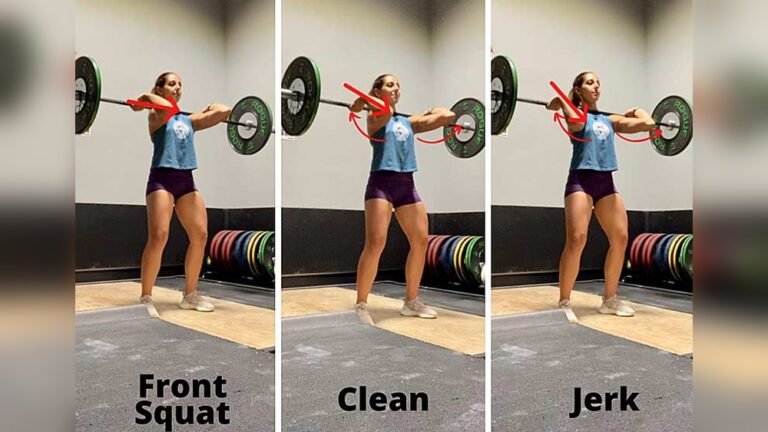
Front squats shift the bar to the front of your shoulders. This position helps keep your chest up and back straight. It encourages a more upright posture than back squats. Front squats work your quads and core harder. They also reduce stress on the lower back. Use a clean grip or crossed-arm grip to hold the bar. Keep your elbows high to support the bar. Focus on pushing your knees out and sitting back slightly. This variation improves balance and helps build strong posture.
Pause Squats For Stability
Pause squats add a pause at the bottom of the squat. Holding this position builds strength in weak spots. It forces your muscles to stabilize your body under tension. The pause improves control and balance during the lift. Lower slowly to the squat’s bottom position. Hold for 2 to 3 seconds before pushing up. This method increases muscle activation in the glutes and quads. Pause squats also train your nervous system to maintain tightness. Use a squat rack for safety when trying this variation.
Tips For Beginners
Starting to use a squat rack can feel intimidating. Beginners may worry about balance and form. These tips help ease that fear and build good habits. Using the squat rack safely leads to better workouts. It also lowers the chance of injury.
Building Confidence With The Rack
Start with just the bar to learn the movement. Feel how it rests on your shoulders and back. Practice squatting without weights first. This helps your body get used to the motion. Gradually add light weights as you gain trust. Always stand inside the rack for safety. Use the safety bars to catch the weight if needed. Watching yourself in the mirror can improve form. Ask a trainer or friend for feedback. Confidence grows with small, steady progress.
Avoiding Injury Early On
Warm up properly before using the squat rack. Stretch your legs, hips, and lower back. Keep your feet shoulder-width apart and toes slightly out. Lower your body by pushing hips back and bending knees. Keep your chest up and gaze forward. Do not let your knees go past your toes. Use the safety pins set at the right height. Do not lift weights that feel too heavy. Stop and rest if you feel pain. Proper form protects your joints and muscles. Injury prevention is key to long-term success.

Credit: www.dmoose.com
Frequently Asked Questions
How Do You Use A Squat Rack?
Place the barbell on your shoulders and stand with feet shoulder-width apart. Unrack the bar, squat down until thighs are parallel to the floor, then push up while squeezing your glutes. Keep your hips tucked and gaze forward throughout the movement for proper form and safety.
Should Beginners Use A Squat Rack?
Beginners should use a squat rack to ensure safety and build proper form. It prevents injuries during failed lifts. Squat racks provide confidence and support while learning correct lifting techniques. Starting with a squat rack helps beginners progress safely and effectively in their training.
Is 10 Squats Equal To A 30 Minute Walk?
No, 10 squats do not equal a 30-minute walk. Squats build strength; walking improves endurance and burns more calories.
Is It Okay To Lean Forward While Squatting?
Leaning forward slightly during squats is normal and helps balance the weight over your mid-foot. Avoid excessive forward lean to prevent back strain and maintain a neutral spine. Proper form depends on body type and squat style, ensuring stability and safety throughout the movement.
Conclusion
Using a squat rack helps you lift weights safely and confidently. Start with proper setup and maintain good form throughout. Keep your back straight and feet steady while squatting. Control your movements and avoid rushing the exercise. Practicing regularly builds strength and improves your technique.
Always listen to your body and rest when needed. The squat rack supports your fitness goals by making workouts safer. Stay consistent, and you will see steady progress over time.