
If you own fixed dumbbells, you know how important they are for your workouts. But are you giving them the care they deserve?
Taking a few simple steps to maintain your dumbbells can save you money, boost your workout safety, and keep your gear looking like new. You’ll discover easy and effective maintenance tips that anyone can follow. Ready to get the most out of your dumbbells and protect your investment?
Keep reading to find out how.
Credit: euroindiemusic.info
Cleaning Techniques
Keeping fixed dumbbells clean helps them last longer and stay safe to use. Dirt, sweat, and dust can build up on the surface. This can cause damage or make dumbbells slippery. Regular cleaning keeps your equipment looking new and ready for your workout.
Daily Wipe Down
After each workout, wipe your dumbbells with a dry cloth. This removes sweat and moisture that can cause rust. Use a soft cloth to avoid scratching the surface. A quick wipe takes only a minute but protects your dumbbells a lot.
Deep Cleaning Methods
Once a week, clean your dumbbells more thoroughly. Mix warm water with a small amount of mild soap. Dip a cloth in the solution, then wring it out well. Wipe all parts of the dumbbells carefully. Use a dry cloth after to remove any leftover moisture. Avoid soaking your dumbbells in water to prevent damage.
Safe Cleaning Products
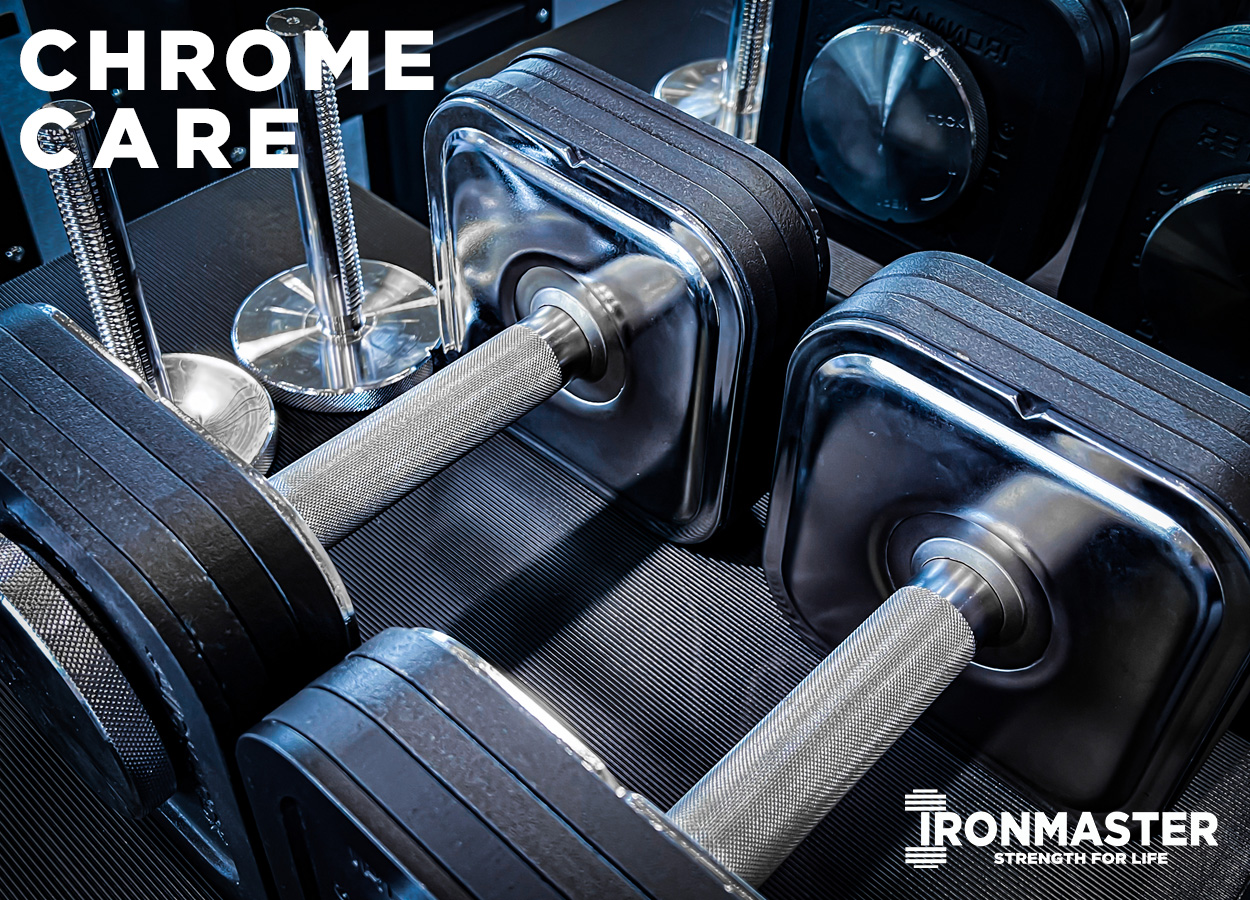
Choose gentle cleaning products for your dumbbells. Mild dish soap or a simple vinegar solution works well. Avoid harsh chemicals like bleach or ammonia. These can damage the metal or rubber coating. Always test a small area first to make sure the product is safe.
Credit: www.ironmaster.com
Storage Solutions
Proper storage of fixed dumbbells keeps them in good shape longer. Good storage stops damage and saves space. It also makes your workout area neat and safe.
Ideal Storage Conditions
Store dumbbells in a dry, cool place away from direct sunlight. Avoid places with big temperature changes. These conditions help stop rust and wear.
Keep dumbbells off the floor. Use shelves or racks to protect them from dirt and dust. This also makes them easy to reach.
Avoiding Moisture Damage
Moisture causes rust and weakens metal parts. Wipe dumbbells with a dry cloth after use to remove sweat and water. Use a cloth dampened with vinegar or mild soap to clean stubborn dirt.
Place silica gel packets or moisture absorbers near dumbbells. They help reduce humidity in the storage area. Check storage areas often for leaks or damp spots.
Using Racks And Holders
Racks keep dumbbells organized and prevent damage. Choose racks that fit your dumbbells’ size and weight. Metal or wooden racks work well for most fixed dumbbells.
Wall-mounted holders save floor space. They keep dumbbells off the ground and easy to access. Make sure holders are strong and fixed securely to the wall.
Inspecting For Wear
Inspecting fixed dumbbells for wear is key to keeping them safe and long-lasting. Regular checks help find problems early. This stops injuries and costly repairs. Spend a few minutes examining your dumbbells before each workout. Focus on parts that get the most stress.
Checking For Rust And Corrosion
Rust weakens metal and can cause breaks. Look closely at the dumbbell bars and plates. Brown or orange spots show rust. Clean rust with a wire brush and wipe with oil. Store dumbbells in a dry place to avoid moisture.
Identifying Loose Components
Loose parts can make dumbbells unsafe. Hold the dumbbell and shake it gently. Listen for rattling or feel for movement. Tighten screws or bolts if needed. Loose collars or plates must be fixed immediately to prevent accidents.
Spotting Surface Damage
Check for cracks, dents, or chips on dumbbells. Surface damage may cause pain or injury during use. Small cracks can grow over time. Replace dumbbells with serious damage to stay safe. Clean dumbbells regularly to spot damage early.

Credit: workouthealthy.com
Protective Measures
Protective measures help keep fixed dumbbells in good shape. They stop damage and extend the dumbbells’ life. Taking simple steps prevents rust, wear, and accidents. These tips are easy to follow and save money on repairs or replacements.
Applying Protective Coatings
Use a thin layer of oil or wax on metal parts. This stops rust and corrosion from moisture. Reapply the coating every few weeks for best results. Avoid thick layers that can make the dumbbells slippery. A clean cloth works well to spread the coating evenly.
Using Grip Enhancers
Grip enhancers improve hold and reduce slipping during workouts. Use chalk or special gloves to keep hands dry. Some people prefer grip tape for extra traction on handles. These tools reduce sweat buildup and prevent accidents. Good grip helps protect both you and the dumbbells.
Avoiding Impact Damage
Never drop fixed dumbbells on hard floors. Impact can crack or dent the weights and handles. Use rubber mats or gym flooring to cushion falls. Store dumbbells on racks to keep them off the ground. Handle weights gently to avoid unnecessary damage.
Routine Maintenance Schedule
A routine maintenance schedule keeps fixed dumbbells in top shape. Regular care helps avoid damage and extends their life. Simple, consistent checks make your workouts safer and more enjoyable.
Weekly Checks
Inspect dumbbells for loose parts or cracks. Wipe down handles and weights with a clean cloth. Remove sweat and dirt to prevent rust. Check grips for wear and tear. Tighten any loose screws or bolts.
Monthly Upkeep Tasks
Deep clean dumbbells using mild soap and water. Dry completely to stop moisture buildup. Apply light oil to metal parts to prevent rust. Test the balance of each dumbbell. Replace worn grips or damaged parts as needed.
Annual Maintenance Steps
Perform a full inspection of all dumbbells. Look for any signs of corrosion or structural damage. Sand and repaint any rusty areas. Lubricate joints and moving parts thoroughly. Consider professional servicing if issues persist.
Handling Tips
Handling fixed dumbbells carefully extends their life and keeps workouts safe. Proper handling reduces wear and risk of injury. Focus on safe lifting, moving, and placing dumbbells.
Proper Lifting Techniques
Bend your knees, not your back, when picking up dumbbells. Hold the dumbbell close to your body. Keep your back straight and use your legs to lift. This protects your spine and prevents muscle strain. Avoid sudden or jerky movements. Lift slowly and steadily for better control.
Transporting Dumbbells Safely
Carry dumbbells with both hands if they are heavy. Use a sturdy grip to prevent slipping. Walk slowly and watch your path to avoid tripping. Place dumbbells down gently to avoid damage. Use a cart or trolley for longer moves. This reduces strain and keeps dumbbells in good shape.
Preventing Dropping Accidents
Make sure your grip is firm before lifting. Use gloves if your hands sweat. Clear the area of obstacles before handling dumbbells. Never hold dumbbells above your head without support. Avoid distractions while lifting or moving weights. Place dumbbells on flat surfaces to keep them stable. These steps reduce the chance of dropping and injury.
Frequently Asked Questions
How Often Should I Clean Fixed Dumbbells?
Clean fixed dumbbells weekly to remove sweat and dust. Use a damp cloth with mild soap. Avoid harsh chemicals to prevent damage. Regular cleaning maintains grip and extends dumbbell life.
What Is The Best Way To Store Fixed Dumbbells?
Store fixed dumbbells on a rack or mat. Keep them in a dry, cool place to prevent rust. Avoid stacking heavy items on top to maintain shape and balance.
How Can I Prevent Rust On Fixed Dumbbells?
Wipe dumbbells dry after each use to prevent moisture buildup. Apply a light coat of oil occasionally. Store in a dry environment and avoid direct contact with water.
Should I Inspect Dumbbells For Damage Regularly?
Yes, inspect dumbbells monthly for cracks or loose parts. Early detection prevents injury and equipment damage. Replace or repair damaged dumbbells promptly for safe workouts.
Conclusion
Proper care keeps your fixed dumbbells safe and strong. Clean them often to stop rust and dirt buildup. Check for loose parts and tighten them quickly. Store dumbbells in a dry, cool place. Regular maintenance helps your equipment last longer.
Enjoy better workouts with well-kept dumbbells. Simple steps save money on repairs or replacements. Stay consistent for the best results. Your fitness journey benefits from good equipment care. Keep lifting safely and effectively every day.