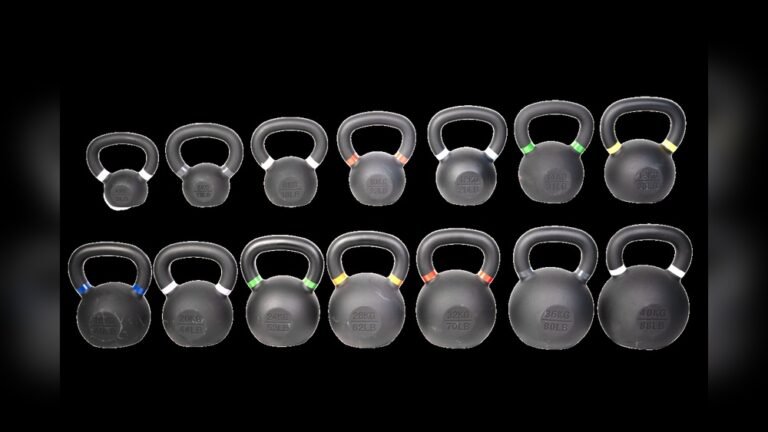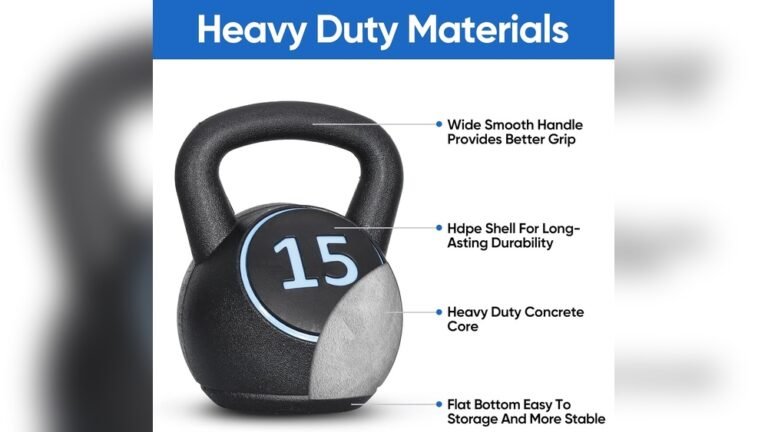
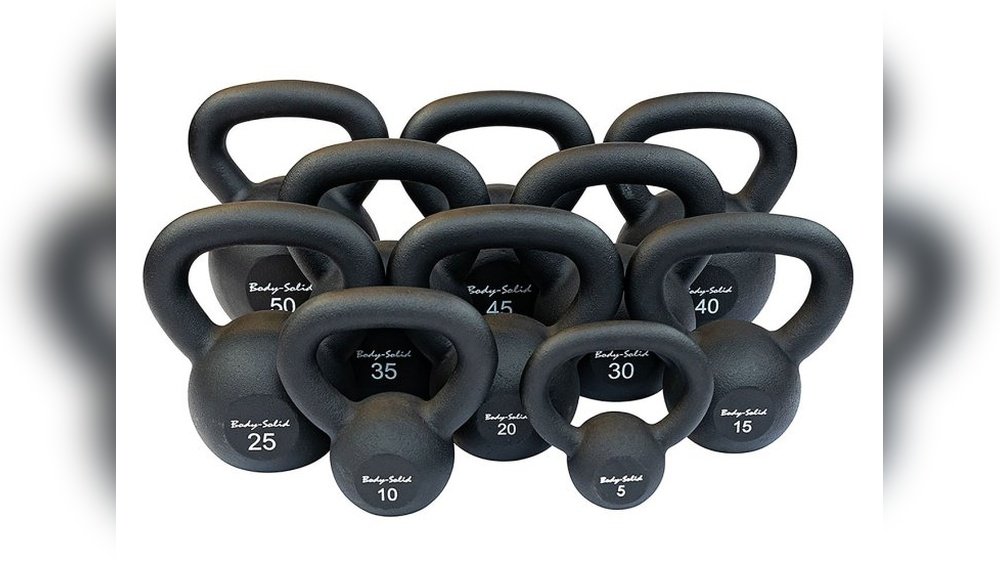
You’ve invested in a kettlebell set to boost your strength and fitness. But are you taking the right steps to keep it in top shape?
Proper maintenance can extend the life of your kettlebells, prevent rust and damage, and ensure each workout feels smooth and safe. You’ll discover simple, effective tips to clean, store, and care for your kettlebell set. Follow these easy steps, and your kettlebells will stay ready for action, workout after workout.
Keep reading to protect your gear and get the most out of every swing!
Regular Cleaning
Regular cleaning keeps your kettlebell set in top shape. Dirt, sweat, and chalk can build up fast. This buildup may cause rust and damage. Clean kettlebells often to keep them safe and long-lasting.
Using Gentle Cleaners
Choose mild soap or gentle cleaners for your kettlebells. Harsh chemicals can harm the paint or finish. Mix a small amount of soap with warm water. Use a soft cloth or sponge to wipe the surface. Avoid abrasive scrubbers that can scratch the metal.
Removing Chalk And Dirt
Chalk and dirt stick to kettlebell handles easily. Use a damp cloth to wipe off chalk after each use. For stubborn dirt, scrub gently with a soft brush. Clean all parts, including the handle and bell. This prevents grime from building up and slipping during workouts.
Drying Techniques
Dry your kettlebell thoroughly after cleaning. Use a dry towel to remove water from all surfaces. Let it air dry in a cool, dry place. Avoid storing kettlebells while damp, as moisture causes rust. Proper drying keeps your set safe and ready for your next session.
Rust Prevention
Rust can damage your kettlebell set and reduce its lifespan. Preventing rust keeps your kettlebells looking good and working well. Simple steps help protect the metal from moisture and wear. Follow these tips to avoid rust and keep your kettlebells in top shape.
Sealing With Paint Or Powder Coat
Applying paint or powder coat creates a strong barrier. This barrier blocks moisture and air from reaching the metal. Powder coating lasts longer and resists chipping better than paint. Both options protect the kettlebell surface from rust. Choose a quality sealant designed for metal gear.
Wiping Handles After Use
Wipe your kettlebell handles after each workout. Sweat and dirt can cause rust if left on the metal. Use a clean, dry cloth to remove moisture quickly. This simple habit prevents rust spots and keeps the grip smooth. Clean handles also improve your hold during exercises.
Storing In Dry Places
Store kettlebells in a dry, cool area. Avoid damp basements or outdoor spaces that trap moisture. Moist air speeds up rust formation on metal surfaces. Use shelves or racks to keep kettlebells off the floor. Good storage conditions greatly reduce rust risks.
Handle Care
The handle of your kettlebell is the part you touch the most. Taking care of it keeps your workouts safe and comfortable. Handle care helps prevent rust and damage. It also keeps your grip strong and secure. Simple steps can extend the life of your kettlebell handles.
Lubricating Handles
Apply a light coat of lubricant to your kettlebell handles. Use a cloth to spread it evenly. Lubrication stops rust from forming on metal handles. It also makes the handle feel smoother in your hand. Avoid over-lubricating to keep the grip firm.
Sanding Rust Spots
Check your handles for small rust spots often. Use fine sandpaper to remove rust gently. Sand in a circular motion to avoid scratches. After sanding, wipe the handle clean with a cloth. This keeps the surface smooth and ready for use.
Maintaining Grip Texture
The texture on your kettlebell handle helps your grip. Clean the handle regularly to keep the texture rough and effective. Avoid using harsh chemicals that can wear it down. If the texture fades, lightly sanding can bring it back. Good grip texture lowers the chance of slipping during workouts.
Inspection And Repairs
Regular inspection and timely repairs keep your kettlebell set safe and effective. Small damages can grow and cause injury or reduce performance. Careful checks extend the life of your equipment.
Checking For Cracks And Chips
Look closely at the kettlebell’s body and handle. Cracks or chips weaken the metal and make the kettlebell unsafe. Use good lighting and run your fingers along the surface. Stop using kettlebells with visible cracks immediately.
Addressing Surface Damage
Surface damage like rust or scratches affects grip and comfort. Remove rust with a wire brush or fine sandpaper. Clean the surface afterward and apply a protective coating or paint. This prevents further damage and keeps your kettlebell looking good.
When To Replace Kettlebells
Replace kettlebells if cracks worsen or damage affects safety. If rust penetrates deep or the handle bends, it is time for a new set. Using damaged kettlebells risks injury and poor workout results.
Proper Storage
Proper storage of your kettlebell set helps keep it safe and in good shape. It prevents damage and rust over time. Storing kettlebells correctly also saves space and makes workouts easier. Follow these simple tips to protect your investment and extend the life of your kettlebells.
Indoor Storage Tips
Keep kettlebells inside a dry room to avoid rust and corrosion. Avoid damp basements or garages that hold moisture. Use a shelf or rack to keep them off the floor. This prevents scratches and keeps the handles clean. Store kettlebells in a place with good air flow. This stops moisture buildup and keeps metal parts dry.
Using Protective Covers
Protective covers shield kettlebells from dust and scratches. Soft covers or cloth wraps work well for this. Covers can also protect floors from damage. Use covers made from breathable materials to stop sweat buildup. Remove covers after workouts to allow kettlebells to dry fully. This prevents rust and keeps your set looking new.
Organizing Your Set
Arrange kettlebells by weight to find the right one fast. Use a tiered rack or storage bin for easy access. Label each kettlebell with its weight for quick identification. Keep handles facing the same way to avoid injury. A well-organized set encourages consistent workouts and helps maintain your equipment’s condition.

Credit: www.abt.com
Rotation And Usage
Proper rotation and usage extend the life of your kettlebell set. Using each kettlebell evenly prevents uneven wear. It keeps your workouts balanced and your equipment in good shape. Follow these tips to maintain your kettlebells and enjoy safe, effective training.
Rotating Kettlebells Regularly
Rotate your kettlebells often during workouts. Use lighter and heavier weights in different sessions. This practice avoids overusing one kettlebell. It helps the paint and finish last longer. It also reduces the risk of damage to handles and surfaces.
Balancing Workout Frequency
Balance your workout days and rest days. Avoid using kettlebells every day without breaks. Muscles and equipment need time to recover. Overuse can cause faster wear on the kettlebell’s coating and handle. Plan your workouts to allow rest and maintain kettlebell quality.
Avoiding Excessive Wear
Use proper form to reduce kettlebell damage. Avoid dropping kettlebells on hard surfaces. Use mats or soft flooring when possible. Clean your kettlebells regularly to remove sweat and dirt. Keep handles dry and free from rust. These steps prevent scratches, chips, and corrosion.
Hand Care Tips
Taking care of your hands is essential when using a kettlebell set. Strong, healthy skin helps you grip better and prevents pain. Good hand care keeps your workouts comfortable and safe. Here are some simple tips to protect your hands and keep them in top shape.
Using Pumice Stones
Pumice stones gently remove dead skin from your hands. Rub the stone on rough areas after a workout. This helps reduce thick calluses that can crack or cause discomfort. Use warm water to soften your skin before using a pumice stone. Do this a few times a week for best results.
Applying Hand Lotions
Applying hand lotion keeps skin soft and prevents dryness. Choose lotions with natural ingredients to soothe your skin. Massage lotion into your hands after washing or exercising. This helps repair small cracks and keeps your skin flexible. Regular use can stop painful dryness and peeling.
Preventing Calluses And Blisters
Calluses and blisters form from repeated friction during kettlebell workouts. Wearing gloves can reduce rubbing but may affect your grip. Keep your hands dry by wiping sweat often. Adjust your grip to avoid excess pressure on one spot. Taking these steps helps avoid painful blisters and thick calluses.

Credit: sunnyhealthfitness.com

Credit: timeofcelebration.org
Frequently Asked Questions
How To Maintain Kettlebells?
Clean kettlebells regularly with a damp cloth and mild cleaner. Dry thoroughly to prevent rust. Inspect for damage and store in a dry place. Apply light oil on handles to maintain grip and prevent corrosion. Rotate use to avoid uneven wear and replace when damaged.
How To Prevent A Kettlebell From Rusting?
Clean kettlebells after use and dry thoroughly. Apply a light coat of oil to handles. Store in a dry, cool place. Use paint or powder coating to seal surfaces. Regular maintenance prevents rust and extends kettlebell life.
What Are Common Kettlebell Clean Mistakes?
Common kettlebell clean mistakes include gripping too tightly, pulling the kettlebell like a swing, and not relaxing the wrist. Avoid hitting your forearm during the clean. Maintain a smooth, controlled movement to prevent injury and improve technique.
Is It Okay To Use Kettlebells Every Day?
Using kettlebells daily is possible with proper rest and varied intensity. Avoid overtraining to prevent injury and fatigue.
Conclusion
Proper kettlebell care extends its life and ensures safety. Clean your kettlebells regularly to stop rust. Check for cracks or damage before each use. Keep handles smooth by lightly oiling them. Store kettlebells in a dry, cool place away from moisture.
Rotate use among your kettlebells to avoid uneven wear. Small efforts daily keep your set ready for workouts. Maintaining your kettlebell set protects your investment and health. Simple habits make a big difference over time.