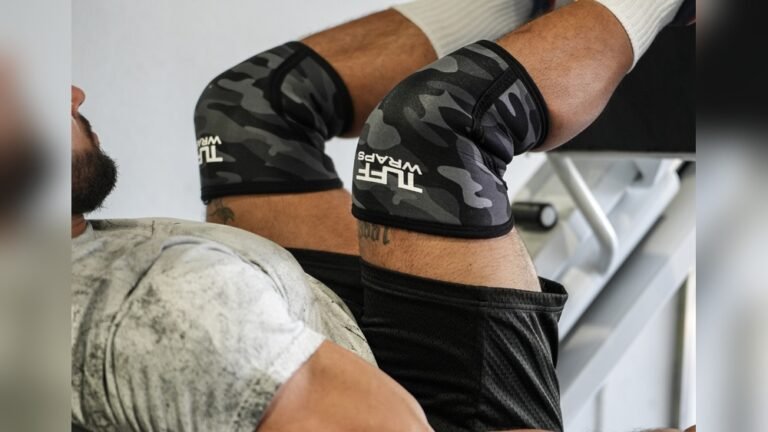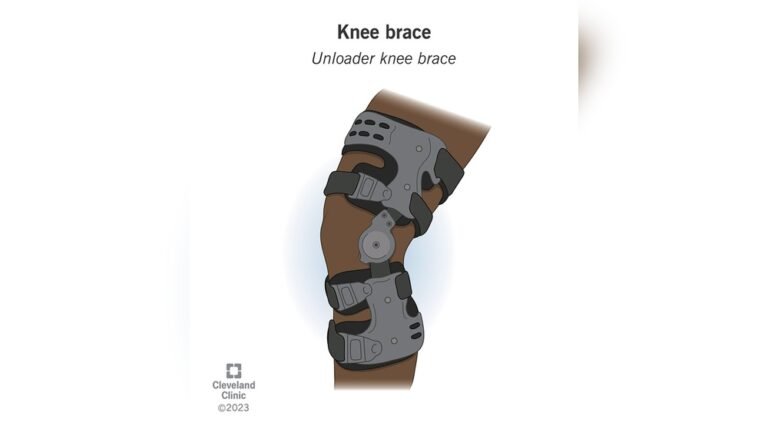
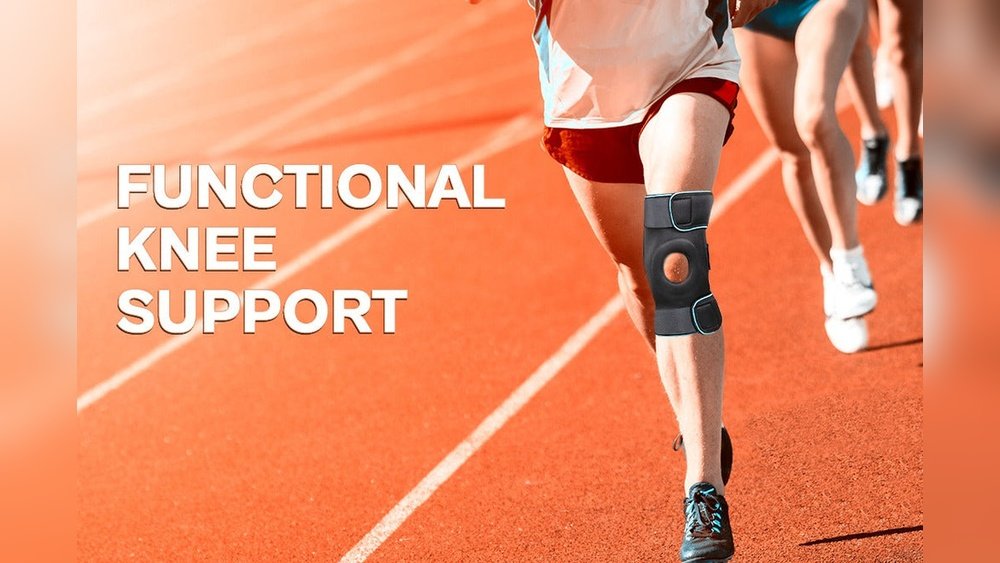
If you rely on knee sleeves to support your joints during workouts or daily activities, keeping them in top shape is essential. You want your knee sleeves to stay comfortable, effective, and fresh every time you wear them.
But how do you make sure they last longer and don’t develop that unpleasant smell? You’ll discover simple, practical maintenance tips that will protect your investment and keep your knee sleeves performing like new. Stick with us, and you’ll learn easy steps that save you money, boost your confidence, and enhance your comfort every time you gear up.
Credit: www.osskin.com
Cleaning Techniques
Keeping your knee sleeves clean is key to their durability and performance. Dirt, sweat, and oils build up over time and cause odor and wear. Using the right cleaning techniques helps preserve the fabric and elasticity. Proper care extends the life of your knee sleeves and keeps them fresh for every workout.
Hand Washing Tips
Hand washing is the gentlest way to clean knee sleeves. Use warm water and a mild detergent without strong scents. Avoid scrubbing too hard to prevent damage to the material. Rinse thoroughly to remove all soap. Gently squeeze out excess water without twisting or wringing. Lay flat or hang to air dry away from direct sunlight.
Soaking Methods
Soaking knee sleeves loosens dirt and body oils. Fill a basin with cold or lukewarm water. Add a small amount of gentle detergent or baking soda. Submerge the sleeves and let them soak for 30 minutes to 2 hours. Avoid hot water as it can weaken the fabric. After soaking, rinse well and air dry completely before use.
Avoiding Harsh Chemicals
Harsh chemicals like bleach or fabric softeners can break down knee sleeves. These products reduce elasticity and cause fabric damage. Skip strong detergents and opt for mild, fragrance-free soaps. Avoid using bleach even on tough stains. Protect your investment by treating knee sleeves with gentle cleaning agents only.
Credit: evolveprosthetics.com
Drying Practices
Proper drying practices extend the life of your knee sleeves. Moisture left inside sleeves can lead to bad smells and material damage. Drying them correctly keeps the fabric fresh and strong. Follow simple steps to maintain their shape and performance.
Air Drying Importance
Air drying knee sleeves is the best way to remove moisture. It prevents shrinking and fabric breakdown. Hang them in a well-ventilated area after each use. Avoid folding or stuffing them into tight spaces while wet. Natural airflow helps keep the sleeves dry and odor-free.
Sunlight can help kill bacteria but avoid direct strong sun. Too much heat can weaken the neoprene and other materials. Gentle, indirect light is ideal for drying your knee sleeves safely.
What To Avoid
Never use a dryer to dry your knee sleeves. The high heat damages the fabric and reduces elasticity. Avoid ironing as it can melt or warp the sleeve material. Do not use strong chemicals or bleach on damp sleeves. These can break down fibers and cause skin irritation.
Do not store knee sleeves in a damp gym bag or locker. This traps moisture and encourages mold growth. Always allow them to dry completely before storing. Clean and dry knee sleeves perform better and last longer.
Odor Control
Knee sleeves can develop unpleasant odors after repeated use. Sweat and bacteria cause this smell. Proper odor control keeps your knee sleeves fresh and comfortable. It also extends their lifespan and maintains hygiene. Simple steps can prevent and reduce odor buildup effectively.
Baking Soda Remedies
Baking soda is a natural deodorizer. Sprinkle a small amount inside your dry knee sleeves. Let it sit overnight to absorb smells. Shake out the powder before wearing them again. For a deeper clean, mix baking soda with water. Soak the knee sleeves for 1-2 hours. Rinse well with cold water and air dry. Avoid hot water to protect the fabric.
Preventing Smell Build-up
Always allow knee sleeves to dry completely after use. Avoid leaving them in your gym bag. Turn sleeves inside out to dry faster. Hand wash with mild detergent regularly. Skip bleach and fabric softeners. Wash at least once a week or after heavy workouts. Store sleeves in a well-ventilated area. These habits keep odors from forming and keep sleeves fresh longer.
Credit: www.yorkvillesportsmed.com
Usage Tips
Proper use of knee sleeves extends their life and keeps them effective. Simple habits help maintain their shape and comfort. These usage tips focus on wearing and storing, plus turning sleeves inside out. Follow these easy steps to keep your knee sleeves ready for every workout.
Wearing And Storing
Wear knee sleeves snug but not too tight. They should support without cutting off circulation. Remove sleeves after training to let your skin breathe.
Store them in a cool, dry place. Avoid leaving them in gym bags for long periods. Keep them away from direct sunlight and heat sources.
Turning Sleeves Inside Out
Turn your knee sleeves inside out after each use. This helps sweat evaporate and reduces odor. It also prevents bacteria build-up inside the fabric.
Do this before washing to clean both sides well. Always air dry sleeves inside out for faster drying. This simple trick keeps your sleeves fresh and odor-free.
Replacement Guidelines
Knowing when to replace your knee sleeves is important for safety and performance. Replacement guidelines help you keep your sleeves effective and comfortable. Worn-out sleeves lose support and can cause injury.
Regularly checking your knee sleeves keeps them in good shape. This section covers key points on when to replace them and signs of wear to watch for.
When To Replace
Replace knee sleeves if they no longer fit tightly. Loose sleeves slip and fail to support your knees. If the material feels thinner or stretched out, it’s time to get new ones.
Replace sleeves after about 6 to 12 months of regular use. Heavy lifters or frequent users may need to replace sooner. Follow the manufacturer’s advice for lifespan and care.
Signs Of Wear
Look for holes or tears in the fabric. These damages reduce the sleeve’s protection. Unusual stretching or loss of elasticity shows the sleeve is worn out.
Check for fading or changes in texture. Rough or stiff areas mean the material is breaking down. Also, bad odors that don’t go away after washing suggest it’s time to replace.
Material Care
Proper material care keeps knee sleeves durable and effective. Clean sleeves support hygiene and comfort during workouts. Understanding how to maintain different materials helps extend their life.
Focus on gentle cleaning and drying methods to avoid damage. Avoid harsh chemicals and intense heat, which break down fabric fibers. Caring for neoprene and other materials ensures your sleeves stay snug and supportive.
Neoprene Maintenance
Neoprene is a common material in knee sleeves. It provides flexibility and warmth to your joints. To clean neoprene, use warm water with mild soap. Gently hand wash to remove sweat and dirt. Avoid scrubbing hard to prevent tears. Rinse thoroughly to remove all soap residue. Always dry neoprene sleeves flat in a shaded area. This prevents stretching and shrinking. Regular cleaning stops odor build-up and skin irritation.
Avoiding Heat Damage
Heat damages the fabric and elasticity of knee sleeves. Do not use a dryer or iron on your sleeves. Avoid leaving sleeves in direct sunlight for long periods. High temperatures cause materials to lose shape and strength. Air dry your sleeves at room temperature instead. Store them in a cool, dry place to keep material stable. Heat damage reduces the sleeve’s support and comfort over time.
Frequently Asked Questions
How Do You Take Care Of Knee Sleeves?
Hand wash knee sleeves with warm water and mild detergent. Avoid bleach and harsh chemicals. Air dry completely; do not use a dryer or iron. Turn sleeves inside out after use to dry faster. Clean them regularly to maintain freshness and elasticity.
How Often Should You Wash Your Knee Sleeves?
Wash your knee sleeves after every 10 to 15 uses or at least once a month. Always hand wash with mild detergent and air dry. Avoid machine washing or drying to maintain their shape and durability. Regular cleaning prevents odor and extends sleeve lifespan.
How To Stop Knee Sleeves From Smelling?
Soak knee sleeves in cold water with baking soda for 2 hours. Hand wash with mild detergent. Air dry completely. Avoid hot water, bleach, and dryers to prevent odor buildup. Repeat regularly to keep sleeves fresh and odor-free.
How Often Should You Replace Your Knee Sleeves?
Replace knee sleeves every 6 to 12 months or sooner if they lose compression, tear, or develop persistent odors. Regular care extends their lifespan.
Conclusion
Proper care keeps knee sleeves fresh and effective for longer. Wash them gently with mild soap and cold water. Avoid using bleach or hot water, which can damage the material. Always air dry completely before storing or wearing again. Regular cleaning prevents bad odors and skin irritation.
Check your sleeves for wear and replace them when they lose support. Simple maintenance helps you stay comfortable and injury-free. Take care, and your knee sleeves will support your workouts well.