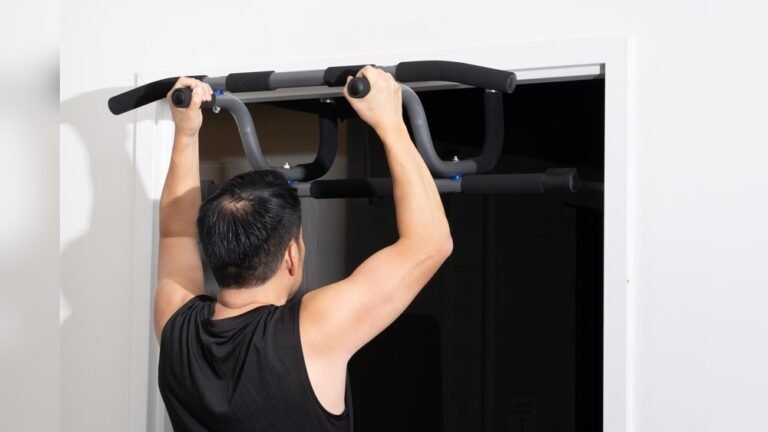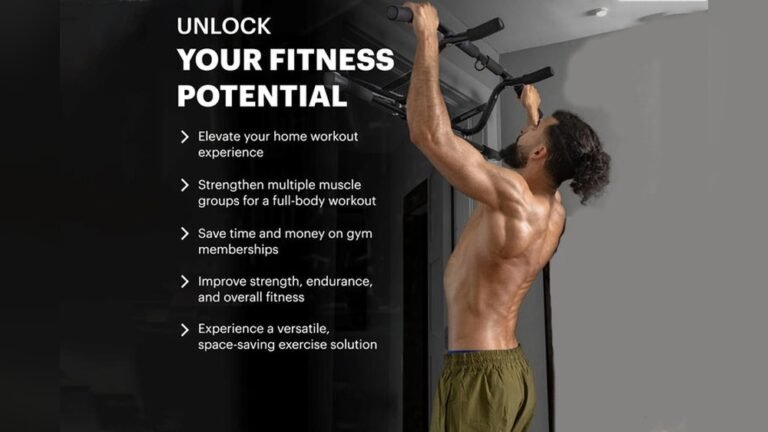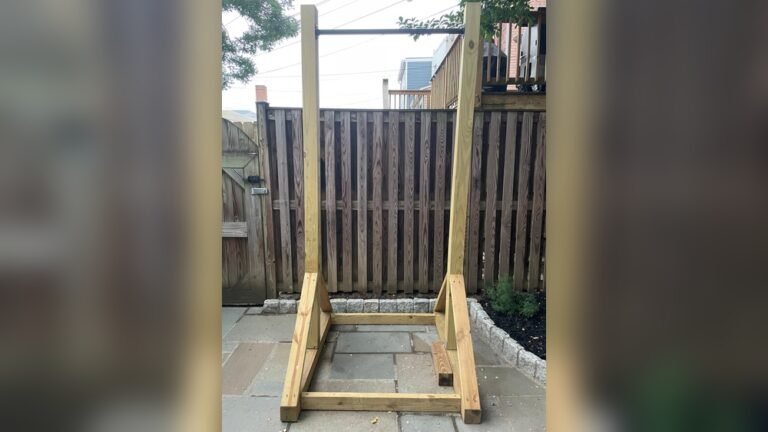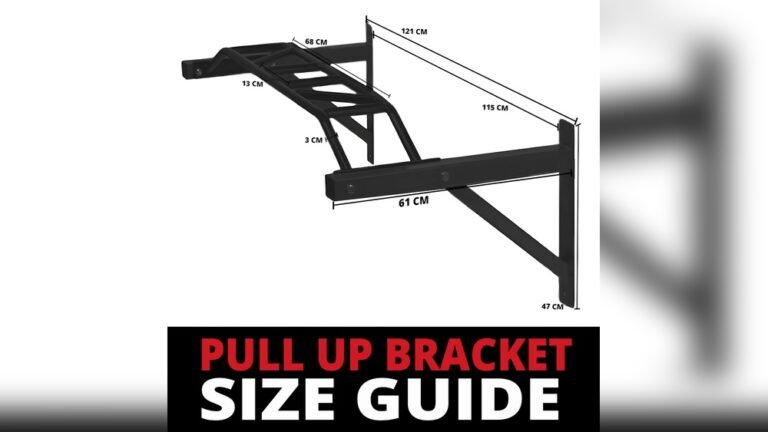
You rely on your pull-up bar to boost your strength and improve your fitness. But have you ever thought about how well it’s holding up?
Without proper care, your pull-up bar can become rusty, loose, or slippery—putting your workouts and safety at risk. You’ll discover simple yet effective maintenance tips that keep your pull-up bar sturdy, clean, and ready for action. Keep reading to ensure your bar lasts longer and helps you get the most out of every rep.
Credit: nutroone.com
Cleaning Techniques
Keeping your pull-up bar clean is essential for safety and durability. Dirt, sweat, and moisture can cause damage over time. Regular cleaning helps maintain grip quality and prevents corrosion. Follow simple cleaning techniques to keep your bar in top shape.
Using Mild Detergents
Start cleaning with a mild detergent mixed in warm water. Use a soft cloth or sponge to wipe down the bar. Avoid harsh chemicals that can damage the finish. Clean the entire surface to remove sweat and grime. Rinse with clean water and dry thoroughly to stop rust from forming.
Removing Rust Safely
Rust can weaken your pull-up bar and make it unsafe. Use fine steel wool or a rust remover to gently scrub affected areas. Work slowly to avoid scratching the metal. After removing rust, wipe the bar clean and dry it well. Apply a light coat of oil to protect the metal from future rust.
Cleaning Knurling Areas
The knurling provides grip but traps dirt and sweat. Use a soft brush or old toothbrush with mild soap to clean these parts. Scrub gently to remove debris stuck in the grooves. Rinse the bar and dry it completely before use. Clean knurling ensures a firm grip and prevents slipping during workouts.
Lubrication Tips
Proper lubrication keeps your pull-up bar working smoothly. It prevents squeaks and reduces wear on moving parts. Regular care extends the bar’s life and improves your workout experience. Here are simple tips for lubricating your pull-up bar.
Choosing The Right Lubricant
Pick a lubricant that suits metal surfaces. Silicone-based or light machine oils work well. Avoid thick grease as it attracts dirt. Check the product label for rust protection. A good lubricant should be water-resistant and easy to apply.
Applying Lubricant Correctly
Clean the bar before applying lubricant. Use a dry cloth to remove dust and sweat. Apply a small amount on joints and moving parts. Spread it evenly with a soft cloth. Wipe off extra oil to stop dirt build-up. Let the lubricant dry for a few minutes before use.
Frequency Of Lubrication
Lubricate your pull-up bar every one to two months. If you use it often or in humid places, do it more often. Watch for squeaking sounds or stiffness. These signs mean your bar needs lubrication. Regular checks keep your bar smooth and safe.
Inspection Practices
Regular inspection is essential to keep your pull-up bar safe and durable. It helps find small problems before they grow. Checking the bar often ensures it stays strong and steady during workouts. A quick look can prevent accidents and extend the bar’s life.
Checking For Loose Screws
Start by examining all screws and bolts on the pull-up bar. Tighten any that feel loose with the right tool. Loose screws can make the bar unstable and unsafe. Pay attention to the points where the bar attaches to the wall or door frame.
Identifying Worn Parts
Look closely at the bar and its supports for signs of wear. Cracks, bends, or splits in the metal or plastic parts need attention. Replace any parts that look damaged to avoid failure during use. Worn grips or padding should also be swapped out for comfort and safety.
Spotting Rust And Corrosion
Check the metal surfaces for rust or corrosion spots. Rust weakens the bar and can spread quickly if not treated. Use a wire brush or sandpaper to remove small rust patches. Apply a protective coating or paint to stop rust from returning.
Preventing Damage
Preventing damage to your pull-up bar extends its life and keeps workouts safe. Small habits protect the metal, bolts, and grip areas from wear. Regular care avoids costly repairs and replacements. Follow simple steps to keep your bar strong and secure.
Proper Mounting Techniques
Use the right tools to install your pull-up bar firmly. Check that screws and bolts fit tightly. Mount on strong surfaces like wall studs or solid beams. Avoid drywall or weak materials that can crack or break. A secure setup prevents wobbling and stress on the bar.
Avoiding Moisture Exposure
Keep your pull-up bar dry to stop rust and corrosion. Avoid placing it in damp rooms or outside without shelter. Wipe off sweat and water after each use. Use a dry cloth to clean the bar and surrounding area. Dry metal lasts longer and stays safe to hold.
Using Protective Covers
Cover your pull-up bar when not in use to guard against dust and damage. Use soft, breathable covers that fit well without trapping moisture. Protective covers help keep the grip clean and the metal free from scratches. They also reduce exposure to sunlight, which can weaken materials.
Grip Maintenance
Proper grip maintenance enhances your pull-up workouts. It keeps your hands secure and prevents slipping. Regular care of the grips also extends the life of your pull-up bar. Simple steps can improve your grip comfort and safety. Focus on cleanliness, dryness, and replacing old grips when needed.
Improving Grip With Chalk
Chalk removes sweat and moisture from your hands. It creates a dry surface for better hold. Applying a small amount before exercise boosts grip strength. Use gym chalk or climbing chalk for best results. Avoid overusing chalk to prevent mess and waste.
Cleaning Grips Regularly
Dirt and sweat build up on grips over time. Clean grips with mild soap and water weekly. Use a soft cloth or brush to scrub gently. Dry the grips thoroughly before using the bar again. Clean grips keep your hands healthy and prevent slipping.
Replacing Worn Grips
Old grips lose their texture and comfort. Cracks or peeling can cause hand injuries. Replace grips as soon as signs of wear appear. Choose grips compatible with your pull-up bar model. New grips improve safety and enhance workout performance.
Stabilizing The Bar
Stabilizing the pull-up bar is key for safe and effective workouts. A steady bar prevents wobbling and reduces injury risks. Proper stabilization also extends the bar’s lifespan. Follow these maintenance tips to keep your pull-up bar secure and ready for use.
Securing Attachments
Check all attachments regularly to keep the bar stable. Tighten bolts and screws firmly but avoid over-tightening. Loose attachments cause shaking and can damage the wall or door frame. Use a wrench or screwdriver for a snug fit. Replace any worn or damaged parts quickly to maintain safety.
Using Support Belts Or Chains
Support belts or chains add extra strength to your pull-up bar setup. Attach them to sturdy anchors on the wall or ceiling. These supports reduce stress on the bar and mounting points. Use heavy-duty materials designed for fitness equipment. Inspect these supports often for rust or wear and replace them as needed.
Ensuring Correct Installation
Install the pull-up bar on strong, stable surfaces like solid wood or concrete. Avoid weak or hollow walls that cannot bear weight. Follow the manufacturer’s instructions step-by-step for proper placement. Use a level to ensure the bar is perfectly horizontal. Correct installation prevents movement and keeps your workouts safe.
Storage Tips
Proper storage of your pull-up bar extends its life and keeps it safe. Knowing where and how to store your equipment helps maintain its strength and appearance. Avoid damage by following simple storage tips. This section covers indoor versus outdoor storage, weather protection, and organizing for durability.
Indoor Vs Outdoor Storage
Indoor storage protects your pull-up bar from dust and moisture. It prevents rust and keeps metal parts dry. Choose a dry, cool room with good ventilation. Avoid damp places like basements or garages prone to humidity.
Outdoor storage exposes the bar to sun, rain, and wind. Use this only if necessary. Outdoor bars need more care to avoid rust and corrosion. Consider a covered area or shaded spot to reduce weather damage.
Protecting From Weather Elements
Weather elements cause rust and weaken your pull-up bar. Rain and humidity are the main threats. Use a waterproof cover if storing outside. Covers shield from rain and dirt buildup.
Sunlight can fade paint and weaken metal over time. Store your bar in a shaded place. Regularly check for rust spots and clean them quickly. Apply a light coat of oil to metal parts to stop rust.
Organizing For Longevity
Keep your pull-up bar organized to avoid damage and loss. Store parts together in one place. Use hooks or wall mounts for easy access. Avoid piling heavy items on top of the bar.
Clean your bar before storage to remove sweat and dirt. Wipe it down with a dry cloth. Check bolts and screws regularly to keep the bar stable. Organized storage saves space and extends your bar’s life.
Credit: www.consumerreports.org
Safety Checks
Performing safety checks on your pull-up bar ensures a secure workout every time. These checks help spot potential problems early. They reduce the risk of accidents and injuries. Keep your equipment safe by following simple steps regularly. Safety checks also extend the life of your pull-up bar. They maintain strong support and reliable performance.
Weight Capacity Awareness
Always know your pull-up bar’s weight limit. Exceeding this limit can cause damage or failure. Check the manufacturer’s guidelines for maximum weight. Keep track of your body weight and any added weights. Avoid sudden heavy loads or jerks on the bar. Respect the weight capacity to maintain safety.
Regular Usage Monitoring
Watch your pull-up bar for signs of wear and tear. Inspect bolts, screws, and mounting points often. Look for rust, cracks, or loose parts. Test the bar’s stability before each use. Replace worn or damaged parts immediately. Regular checks prevent accidents and keep workouts safe.
Emergency Repair Measures
Have a plan for quick repairs if needed. Keep basic tools nearby for tightening or fixing parts. Use strong adhesives or replacement screws for minor fixes. Stop using the bar if you find serious damage. Contact a professional for complex repairs or replacements. Acting fast prevents injuries and keeps your bar reliable.
Credit: sunnyhealthfitness.com
Frequently Asked Questions
How To Clean A Pull-up Bar?
Clean a pull-up bar by wiping it with a damp cloth and mild soap. Use a soft brush for grip areas. Dry thoroughly to prevent rust. Repeat weekly for best results.
How To Last Longer On A Pull-up Bar?
Engage your core to prevent swinging and improve stability. Use chalk for better grip. Build forearm strength gradually. Breathe steadily and pace your pulls to conserve energy.
How To Lubricate A Barbell?
Apply a light coat of lubricant like 3-in-1 oil to the barbell shaft and sleeves. Rotate collars to spread oil evenly. Wipe off excess oil with a clean cloth. Perform this regularly to maintain smooth spins and prevent rust. Avoid over-lubrication to keep grip safe.
What Will 100 Pull-ups A Day Do?
Doing 100 pull-ups daily builds upper body strength, endurance, and muscle definition. It improves grip and boosts cardiovascular fitness. Overtraining risk increases without rest.
Conclusion
Regular care keeps your pull-up bar safe and strong. Check screws and bolts often. Clean the bar with a soft cloth and mild soap. Remove rust quickly to avoid damage. Keep the bar dry to prevent corrosion. Tighten loose parts before each use.
Store the bar in a dry, cool place. These simple steps help your bar last longer. Enjoy your workouts with a reliable pull-up bar. Maintenance is easy and saves you money. Stay consistent, and your bar will perform well every day.