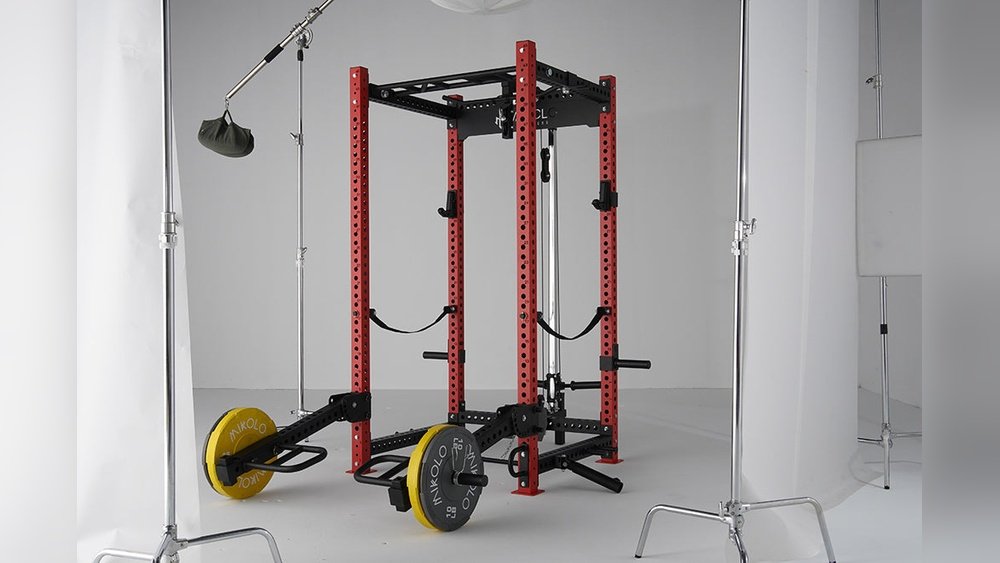
If you want your squat rack to stay strong, safe, and ready for every workout, proper maintenance is key. Neglecting your equipment can lead to rust, loose bolts, or even injury—all things you want to avoid.
But keeping your squat rack in top shape doesn’t have to be complicated or time-consuming. You’ll discover simple and effective maintenance tips that help protect your investment, improve your workout experience, and extend the life of your rack. Whether you train at home or in a busy gym, these easy steps will make sure your squat rack supports every rep, every set, and every goal you’re aiming for.
Keep reading to learn how to care for your squat rack like a pro.
Daily Cleaning
Daily cleaning is key to keeping your squat rack in top shape. Sweat, chalk, and dust build up quickly. Cleaning after every use helps prevent rust and damage. It also keeps your equipment safe and pleasant to use. Simple daily steps extend your rack’s life and maintain its appearance.
Wipe Down Frame And Bars
Start by wiping the frame and bars with a dry cloth. Remove dust and loose dirt from all surfaces. Pay attention to corners and joints where grime gathers. This keeps the metal clean and ready for deeper cleaning.
Remove Sweat And Chalk Residue
Sweat and chalk leave sticky marks and can cause corrosion. Use a damp cloth to wipe these off after each workout. Focus on the bars you grip most often. Removing residue prevents buildup that can damage the finish and affect your grip.
Use Microfiber Cloth And Gentle Cleaner
Choose a microfiber cloth for cleaning to avoid scratches. Use a gentle cleaner mixed with water for tough spots. Spray the cleaner on the cloth, not directly on the rack. This method protects the paint and metal surfaces while effectively cleaning.

Credit: www.reddit.com
Rust Prevention
Rust can damage your squat rack quickly, reducing its lifespan and safety. Preventing rust keeps your rack strong and looking new. Regular care stops moisture from causing corrosion.
Rust prevention is key, especially in humid or coastal areas. Steel racks need protection against water and sweat. Simple steps can block rust before it starts.
Seal Steel Tube Ends
Steel tubes can trap moisture inside, causing rust from within. Seal tube ends with caps or plugs to block water entry. This simple step keeps the inside dry and rust-free. Check seals regularly and replace if damaged.
Apply Protective Coatings
Use rust-resistant paint or powder coating on all metal parts. These coatings create a barrier against moisture and sweat. Reapply coatings if you notice chips or scratches. Protective layers extend the life of your squat rack.
Use Dehumidifiers In Humid Areas
High humidity speeds up rust formation on metal surfaces. Place a dehumidifier in your workout space to reduce moisture in the air. Lower humidity means less chance of rust forming. This is vital for garages or basements.
Regularly Inspect High-contact Zones
Areas like bolts, joints, and handles face more wear and sweat. Check these spots often for early signs of rust or damage. Clean and dry these zones after workouts. Early detection prevents rust from spreading.
Lubrication Tips
Proper lubrication keeps your squat rack working smoothly and extends its life. Regular care prevents rust and reduces wear on moving parts. Focus on key areas to ensure safe and quiet operation. Follow these lubrication tips to maintain your equipment in top shape.
Identify Parts Needing Lubrication
Check the rack for moving parts like hinges, bolts, and pulleys. These areas often need lubrication to reduce friction. Inspect the joints and sliding mechanisms carefully. Avoid lubricating fixed parts that do not move. A well-inspected rack performs better and lasts longer.
Select Suitable Lubricants
Use lubricants designed for gym equipment or light machinery. Silicone sprays and white lithium grease work well for metal parts. Avoid heavy oils that attract dust and dirt. Choose lubricants that resist moisture to prevent rust. Proper lubricant choice protects the rack and keeps it quiet.
Avoid Over-lubricating Pulleys
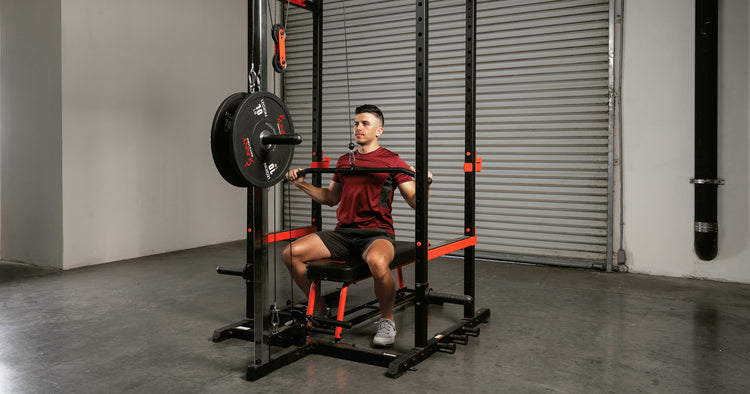
Pulleys usually need minimal lubrication or none at all. Excess lubricant can cause buildup and attract debris. This buildup may lead to pulley wear or damage. Clean pulleys regularly and apply a small amount of lubricant if recommended by the manufacturer. Maintaining pulleys properly ensures smooth cable movement.
Credit: sunnyhealthfitness.com
Hardware Checks
Regular hardware checks keep your squat rack safe and durable. Checking bolts, welds, and parts prevents accidents during workouts. Small issues can grow into big problems without attention. A proper hardware check takes little time but ensures long-term use.
Tighten Loose Bolts And Screws
Loose bolts and screws cause wobbling and reduce stability. Use a wrench or screwdriver to tighten all fasteners. Check every bolt, including those on supports and safety bars. Tight parts keep the rack firm and secure for heavy lifts.
Inspect Welds And Joints
Welds and joints hold the rack’s frame together. Look closely for cracks, rust, or weak spots. Use a flashlight for better visibility in tight areas. Damaged welds risk breaking under pressure and need immediate attention.
Replace Damaged Components
Parts like bolts, pins, and hooks wear out over time. Replace any bent or broken components without delay. Using damaged parts can cause injury or damage the rack further. Keep spare parts on hand for quick fixes.
Weight Load Management
Proper weight load management keeps your squat rack safe and durable. It protects the structure from damage and prevents accidents. Understanding how to manage the load extends the life of your equipment.
Adhere To Max Weight Limits
Every squat rack has a maximum weight limit. This limit includes the barbell and weight plates combined. Exceeding this limit can cause bending or breaking. Always check the manufacturer’s guidelines before lifting heavy weights. Using weights within the limit keeps the rack stable and safe. It also helps avoid costly repairs or replacements.
Avoid Overloading Plate Storage
Plate storage pegs on the rack are for holding weight plates only. Overloading these pegs can damage the rack frame. Weight should be evenly distributed across all storage pegs. Avoid stacking too many plates on one peg. This prevents warping and keeps the rack balanced. Regularly remove excess plates to maintain rack integrity and safety.
Environmental Care
Environmental care plays a vital role in keeping your squat rack durable and safe. Proper attention to the surroundings can prevent rust, damage, and wear. Simple steps help protect your investment and extend the life of your equipment.
Controlling the environment reduces the risk of corrosion and mechanical issues. It keeps the rack stable and reliable for workouts every day. Small changes in the gym or storage area make a big difference in maintenance.
Use Gym Flooring
Gym flooring cushions impact and stops scratches on the squat rack base. It absorbs shocks from dropped weights. Rubber mats or foam tiles create a protective layer. This flooring also keeps the rack from sliding during exercise. It reduces noise and protects your floor underneath.
Control Room Temperature And Humidity
Heat and moisture cause metal parts to rust and weaken. Keep the room temperature steady, ideally between 65°F and 75°F. Use a dehumidifier to lower moisture levels in humid areas. Good air circulation helps prevent damp spots. Avoid placing the rack near windows or vents where temperature changes fast.
Protect Outdoor Racks With Covers
Outdoor squat racks face sun, rain, and dust damage. Use heavy-duty covers to shield the rack from weather effects. Waterproof covers block moisture and dirt buildup. Choose covers with ventilation to stop mold and mildew. Always remove covers on sunny days to let the rack dry. This simple step keeps metal parts from rusting and paint from peeling.
Routine Maintenance Schedule
Keeping your squat rack in top shape requires a clear routine maintenance schedule. Regular care prevents rust, loosening parts, and dirt buildup. It also extends the life of your equipment and keeps it safe to use. Follow simple daily, weekly, and monthly steps to maintain your squat rack effectively.
Daily Tasks
Wipe down all surfaces after each use. Use a clean cloth to remove sweat and dust. Check for any loose bolts or parts. Tighten anything that feels loose right away. Keep the area around the rack clear to avoid accidents.
Weekly Inspections
Inspect the entire rack for signs of rust or damage. Look closely at joints and welds for cracks. Test the stability by gently rocking the rack. Check the safety pins and hooks for wear. Make sure all moving parts work smoothly without noise.
Monthly Deep Cleaning
Use a mild cleaner and water to scrub the rack thoroughly. Remove any buildup from hard-to-reach places. Dry the rack completely to avoid moisture damage. Lubricate any moving parts with a light oil or silicone spray. Apply a rust-preventive spray if your rack is in a humid area.

Credit: www.reddit.com
Frequently Asked Questions
How To Maintain A Squat Rack?
Wipe your squat rack regularly with a damp cloth and mild cleaner. Check for loose bolts. Lubricate moving parts lightly. Seal steel ends to prevent rust. Store in a dry, insulated area to prolong lifespan.
Should You Lubricate Gym Pulleys?
Yes, lubricate gym pulleys with silicone oil regularly to ensure smooth movement and prevent wear. Avoid over-lubrication.
How To Keep A Squat Rack From Rusting?
Seal steel tubing ends to block moisture. Wipe the rack regularly with a damp cloth. Use a dehumidifier in damp areas. Inspect joints and high-contact spots often to catch early rust. Keep the rack in a dry, well-ventilated space to prevent corrosion.
Do You Wipe Down A Squat Rack?
Yes, always wipe down a squat rack after use to remove sweat, dirt, and chalk. Use a microfiber cloth and gentle cleaner for best results. Regular cleaning prevents rust, maintains hygiene, and extends the rack’s lifespan.
Conclusion
Regular care keeps your squat rack safe and strong. Clean it after every use to remove sweat and dust. Check bolts and parts often to avoid loose pieces. Protect metal surfaces from rust by wiping and drying well. Use gym flooring to reduce wear and tear.
Avoid overloading weight plates beyond the rack’s limit. These simple steps extend your rack’s life and improve workout safety. Small daily habits make a big difference over time. Keep your equipment ready for every session.