If you own a weighted vest, you know how it can boost your workouts and help you build strength faster. But have you ever thought about how to keep your vest in top shape?
Taking good care of your weighted vest not only extends its life but also keeps it safe and comfortable to use. You’ll discover simple, practical maintenance tips that anyone can follow. Whether you’re sweating through intense training sessions or just starting out, these easy steps will help you protect your investment and get the most from every workout.
Keep reading to learn how to clean, store, and handle your weighted vest the right way—your body and your gear will thank you!

Credit: www.youtube.com
Daily Cleaning
Daily cleaning keeps your weighted vest fresh and lasts longer. Sweat, dirt, and oils build up each time you wear it. Cleaning every day prevents odors and fabric damage. Simple care steps make a big difference in performance and comfort.
Wiping Sweat And Dirt
Use a damp cloth to wipe sweat and dirt after each use. Focus on areas that touch your skin most. This quick step removes surface grime and stops buildup. Avoid soaking the vest to protect the weights inside.
Using Mild Detergents
For deeper cleaning, use a mild detergent mixed with water. Dip a soft cloth or sponge and gently scrub the vest. Avoid harsh soaps or bleach that can harm fabric and stitching. Rinse the cloth and wipe again to remove soap residue.
Air Drying Techniques
Let your weighted vest air dry completely after cleaning. Hang it in a well-ventilated, shaded area. Do not use direct sunlight or a dryer as heat can damage the material. Make sure the vest is dry before adding weights or storing it.
Deep Cleaning Methods
Deep cleaning your weighted vest keeps it fresh and extends its life. Sweat, dirt, and odors build up over time. Regular deep cleaning removes grime and bacteria. It ensures your vest stays comfortable and safe to wear. Follow these simple methods for a thorough clean.
Hand Washing Steps
Fill a basin with cold or lukewarm water. Add a small amount of mild detergent. Submerge the vest fully in the water. Use a soft brush or cloth to scrub gently. Focus on dirty spots and seams. Rinse the vest well with clean water. Press out excess water without wringing. Lay the vest flat on a towel to air dry. Avoid direct sunlight to prevent damage.
Machine Washing Tips
Check if the vest has removable weights; remove them first. Use a gentle cycle with cold water only. Place the vest inside a laundry bag for protection. Use a mild detergent made for delicate fabrics. Avoid fabric softeners as they can reduce breathability. After washing, air dry the vest flat or hang it. Do not use a dryer, as heat can harm the materials.
Avoiding Harsh Chemicals
Skip bleach and strong detergents as they damage fabric and stitching. Harsh chemicals break down the vest’s material over time. Opt for gentle, fragrance-free detergents. These protect the fabric and keep it soft. Harsh chemicals also irritate your skin during workouts. Using mild cleaning products keeps the vest safe and durable.
Weight Removal And Handling
Proper weight removal and handling keep your weighted vest safe and lasting longer. Handling the weights carefully prevents damage and injury. Follow simple steps to remove and store the weights correctly. This helps maintain the vest’s shape and performance over time.
Removing Weights Safely
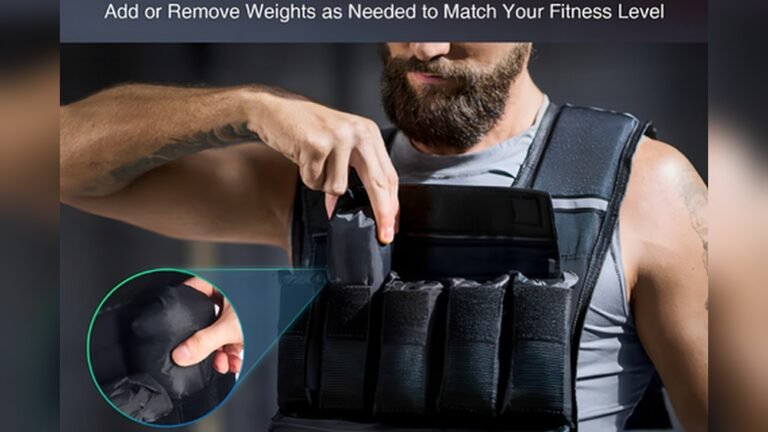
Start by placing the vest on a flat surface. Open the weight compartments one at a time. Remove weights slowly and steadily to avoid dropping them. Use both hands to hold each weight securely. Avoid pulling or yanking the weights out quickly. Check for any dirt or debris on the weights before storing. This prevents buildup inside the vest pockets.
Storing Weights Separately
Keep the weights in a dry and clean container. Use a sturdy box or bag to avoid damage. Store the weights in a cool place away from moisture. Avoid piling heavy items on top of the weights. This stops them from bending or breaking. Label the container for easy identification. Separate storage also protects the vest fabric from wear and tear.

Credit: www.gornation.com
Usage Guidelines
Proper usage of a weighted vest is key to safe and effective workouts. Following clear guidelines helps you avoid injury and build strength steadily. Start slow and increase use carefully. Pay close attention to how your body reacts to the added weight. This section covers important tips on how to wear your weighted vest correctly.
Recommended Wearing Duration
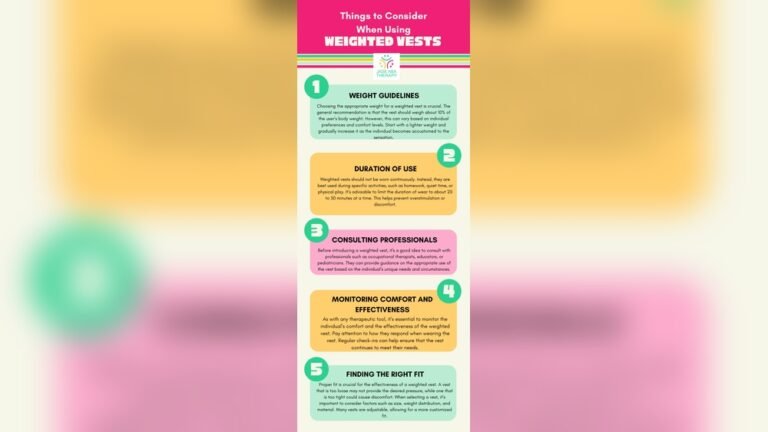
Begin with short sessions of 10 to 15 minutes. Avoid wearing the vest for long periods at first. Gradually increase the time as your body adjusts. For most users, 30 to 45 minutes per session is sufficient. Avoid wearing the vest all day to prevent muscle fatigue and strain.
Gradual Usage Increase
Start with a light weight to reduce injury risk. Add weight or wearing time slowly over several weeks. Increase by small steps, like 5 minutes or 1-2 pounds each week. This steady progress helps your muscles grow stronger safely. Avoid sudden jumps in weight or duration.
Listening To Your Body
Stop immediately if you feel pain or discomfort. Do not push through sharp or persistent pain. Mild soreness is normal, but severe pain signals a problem. Rest and recover if you feel tired or weak. Adjust weight or wearing time based on how you feel.
Avoiding Common Mistakes
Using a weighted vest improves strength and endurance. Avoiding common mistakes helps prevent injury and extends vest life. Many users make simple errors that reduce benefits. Careful attention to usage habits protects your body and gear.
Preventing Overuse
Weighted vests should not be worn for long hours. Overuse causes muscle fatigue and joint stress. Start with short sessions and increase time slowly. Give your body rest days between workouts. Listen to pain signals and stop if needed.
Maintaining Proper Form
Good posture is key when using a weighted vest. Keep your back straight and core tight during exercises. Poor form can lead to strains and injuries. Focus on slow, controlled movements. Practice without weight to perfect your technique first.
Avoiding Excessive Twisting And Bending
Twisting and bending put extra stress on your spine. Weighted vests add load, increasing injury risk. Avoid exercises involving rapid turns or deep bends. Choose movements that keep your body stable and aligned. Protect your back by limiting risky motions.
Storage And Maintenance
Proper storage and maintenance keep your weighted vest in top shape. This extends the life of the vest and ensures safe use. Follow simple steps to protect the fabric and weights. Clean and check your vest regularly. Store it in a dry, cool place.
Proper Vest Storage
Store the vest flat or hung on a sturdy hanger. Avoid folding it to prevent creases and damage. Keep it away from direct sunlight to stop fabric fading. Use a breathable bag or cover to protect from dust. Avoid damp or humid areas to prevent mold growth.
Regular Inspection For Wear
Check the vest often for tears or loose stitching. Inspect the straps and closures to ensure they work well. Look for any damage to the weight pockets or weights. Replace worn parts quickly to avoid injury. Early repairs keep the vest safe and comfortable.
Handling Moisture And Odors
Wipe sweat and dirt off the vest after each use. Air dry the vest completely before storing to stop odors. Use mild detergent and a soft cloth for cleaning when needed. Avoid harsh chemicals that can damage fabric and weights. Sprinkle baking soda inside to absorb smells if needed.

Credit: hyperwear.com
Frequently Asked Questions
How To Care For A Weighted Vest?
Wipe your weighted vest with a damp cloth after use. Hand wash with mild detergent in cold water if needed. Rinse thoroughly and air dry completely before storing or using again. Avoid machine drying or harsh chemicals to maintain fabric and weight integrity.
Is It Okay To Wear A Weighted Vest Every Day?
Wearing a weighted vest every day can cause muscle fatigue and injury. Use it in short sessions, gradually increasing time. Always listen to your body and avoid overuse for safe strength gains.
How To Clean A Weighted Vest That Doesn’t Have Removable Weights?
Fill a basin with cold water and mild detergent. Gently scrub the vest using a soft brush or cloth. Rinse thoroughly to remove soap. Squeeze out excess water without wringing. Hang the vest to air dry completely before use. Avoid harsh chemicals and machine washing.
How Long Should Weighted Vests Be Worn?
Wear a weighted vest for 15 to 30 minutes during workouts. Gradually increase time as strength improves. Avoid wearing it all day to prevent injury and fatigue. Always listen to your body and stop if you feel pain.
Conclusion
Proper maintenance keeps your weighted vest safe and effective. Clean it regularly with mild soap and water. Avoid harsh chemicals that damage fabric and weights. Always dry the vest fully before storing or using again. Check for wear and tear often to prevent injury.
Follow these tips to extend your vest’s life. Care today means better workouts tomorrow. Simple steps make a big difference in performance and durability. Stay consistent and enjoy your training safely.