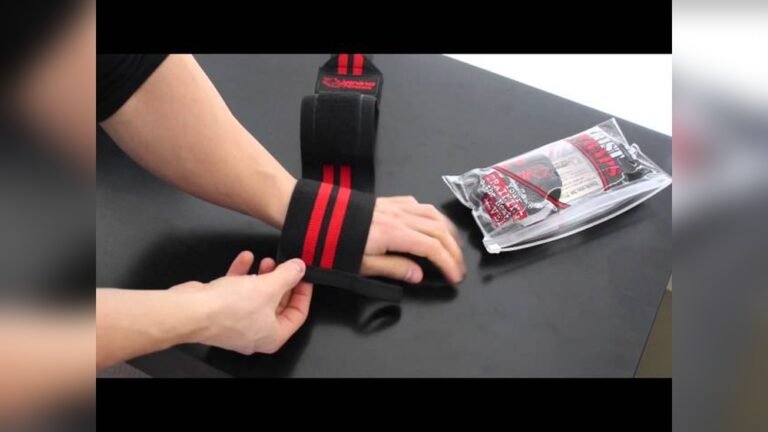
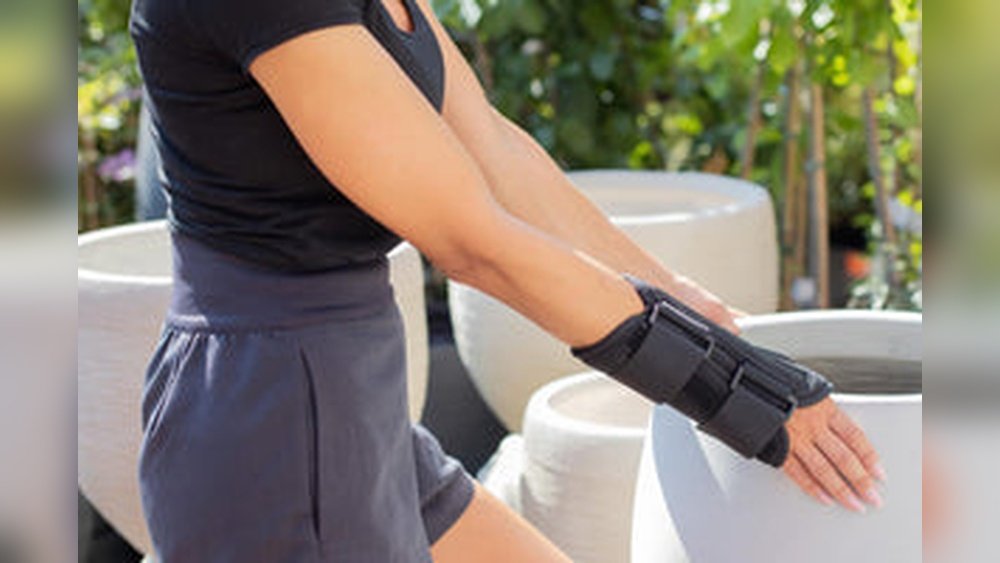
Your wrist wraps are more than just gear—they protect your wrists and boost your performance every time you train. But if you don’t take good care of them, they can wear out quickly and lose their support.
Wondering how to keep your wrist wraps fresh, strong, and ready for action? You’ll discover simple and effective maintenance tips that will extend the life of your wraps and keep them performing at their best. Keep reading to learn how easy it is to care for your wrist wraps and why it matters for your workouts and wrist health.
Choosing The Right Material
Choosing the right material for wrist wraps affects comfort and lifespan. The material influences breathability, flexibility, and how well the wrap supports your wrist. Understanding the differences helps in picking wraps that suit your workout style and maintenance habits.
Cotton Vs Synthetic Wraps
Cotton wrist wraps feel soft and absorb sweat well. They offer good comfort during workouts. Cotton wraps stretch naturally, giving a snug fit. These wraps are easy to clean and gentle on skin.
Synthetic wraps use materials like nylon or polyester. They often last longer and resist wear better. Synthetic wraps dry faster and keep their shape well. They can feel a bit stiff but provide solid wrist support.
Durability Factors
Durability depends on the quality of fibers and weave tightness. Tightly woven wraps resist fraying and stretching over time. Synthetic fibers tend to handle heavy use without losing shape.
Cotton wraps may weaken faster if washed often or exposed to harsh conditions. Proper care extends their life. Choosing wraps with reinforced stitching improves durability. Consider your workout intensity to pick the right type.
Cleaning Techniques
Keeping wrist wraps clean is key to extending their life and maintaining hygiene. Proper cleaning techniques remove sweat, dirt, and bacteria. These tips help your wrist wraps stay fresh and durable after every workout.
Hand Washing With Mild Detergent
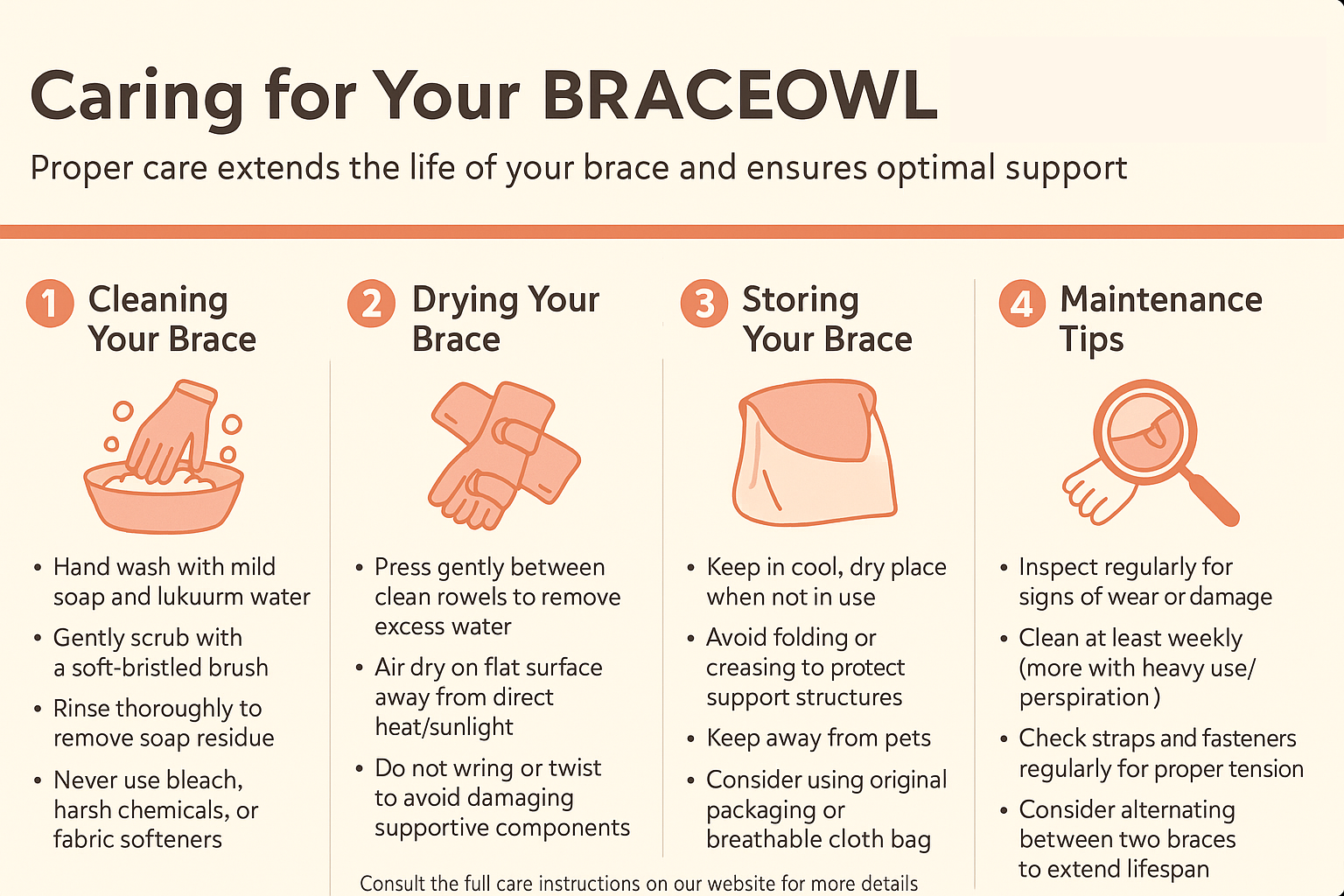
Fill a basin with warm water. Add a small amount of mild detergent. Soak the wrist wraps gently for a few minutes. Use your hands to rub the fabric softly. Focus on areas with more sweat or dirt. Rinse thoroughly with clean water to remove soap. This method cleans effectively without damaging the material.
Avoiding Machine Wash And Dry
Machine washing can harm the wrist wraps. It causes fabric to stretch and Velcro to wear out. Avoid putting wrist wraps in the dryer. High heat damages elastic fibers and reduces support. Let wraps air dry naturally by laying them flat. This keeps them in good shape longer.
Using Warm Water Effectively
Warm water helps break down sweat and grime. It softens the fabric, allowing detergent to clean better. Avoid hot water, which can shrink or weaken wraps. Lukewarm water is ideal for gentle but thorough cleaning. Use warm water consistently for best results and longer-lasting wrist wraps.
Drying Methods
Proper drying methods are vital for keeping wrist wraps in top shape. Drying affects the material’s durability and comfort. Using the right technique helps avoid damage and keeps wraps fresh longer.
Air Drying Best Practices
Air drying is the safest way to dry wrist wraps. After washing, gently squeeze out excess water without twisting. Lay the wraps flat on a clean towel or hang them in a well-ventilated area. Allow them to dry completely before storing or using. This method prevents shrinkage and preserves fabric strength.
Avoiding Direct Sunlight And Heat
Keep wrist wraps away from direct sunlight. Sunlight can fade colors and weaken fibers over time. Avoid placing wraps near heaters or radiators. High heat dries wraps too fast and causes fabric damage. Use shaded, cool spots for drying to maintain their quality and lifespan.
Why Machine Drying Harms Wraps
Machine drying damages wrist wraps quickly. The heat and tumbling action break down elastic fibers and Velcro. This leads to loss of stretch and reduced grip strength. Wrapping material may shrink or fray after machine drying. Hand drying helps maintain the wrap’s fit and function longer.
Frequency Of Cleaning
Cleaning your wrist wraps regularly keeps them fresh and lasting longer. Dirt, sweat, and bacteria build up with use. This can cause odor and weaken the fabric. Setting a cleaning schedule helps maintain their quality and hygiene. Different cleaning methods suit different frequencies. Light cleaning after each use and deeper cleaning weekly work best.
After Every Session
Wipe down your wrist wraps with a damp cloth after each workout. This removes sweat and surface dirt quickly. Let them air dry fully before storing. Avoid stuffing them in your gym bag while damp. This practice prevents bacteria growth and bad smells. Quick cleaning after every session keeps wraps ready for the next use.
Weekly Deep Cleaning
Once a week, give your wrist wraps a thorough wash. Hand wash them in warm water using mild detergent. Soak for a few minutes to loosen grime. Gently scrub and rinse with clean water. Do not use bleach or harsh chemicals. Air dry them flat or hang in a shaded area. Deep cleaning refreshes the wraps and extends their lifespan.
Odor And Bacteria Control
Wrist wraps need proper care to stay fresh and safe to use. Sweat and bacteria build up inside the fabric. This can cause bad odors and skin irritation. Keeping wrist wraps clean controls odor and kills bacteria. It also extends their life and keeps your hands healthy.
Freezing To Kill Bacteria
Freezing wrist wraps helps remove bacteria without washing. Place clean, dry wraps in a sealed plastic bag. Put the bag in the freezer overnight. Cold temperatures kill most bacteria and germs. Take the wraps out and let them thaw before use. This method is easy and saves wear from washing.
Using Disinfectant Sprays
Disinfectant sprays kill bacteria and reduce smells quickly. Spray a light mist on the wrist wraps after use. Choose sprays safe for fabrics and skin. Allow the wraps to air dry completely before storing. Sprays help maintain freshness between washes and prevent germs.
Preventing Smell Build-up
Prevent smells by drying wrist wraps fully after every workout. Avoid leaving them in gym bags or damp places. Wash the wraps regularly with mild soap and warm water. Air dry them flat or hang in a well-ventilated area. Proper drying stops bacteria growth and keeps odors low.

Credit: tribelifting.com
Storage Tips
Proper storage keeps wrist wraps in good shape for a long time. It prevents damage and maintains their support and comfort. Storing them correctly also helps avoid bad odors and material wear. Follow simple steps to keep your wrist wraps fresh and ready.
Keeping Wraps Dry
Always dry wrist wraps completely before storing. Moisture causes mold and bad smells. Lay them flat in a well-ventilated space to air dry. Avoid storing wraps in plastic bags or closed containers while damp. Dry wraps last longer and feel better during workouts.
Proper Folding And Placement
Fold wrist wraps neatly to prevent stretching and damage. Roll them tightly but not too hard. Store wraps in a clean, dry drawer or gym bag compartment. Keep them separate from heavy or sharp objects. Organized storage keeps wraps in shape and easy to find.
Repair And Replacement
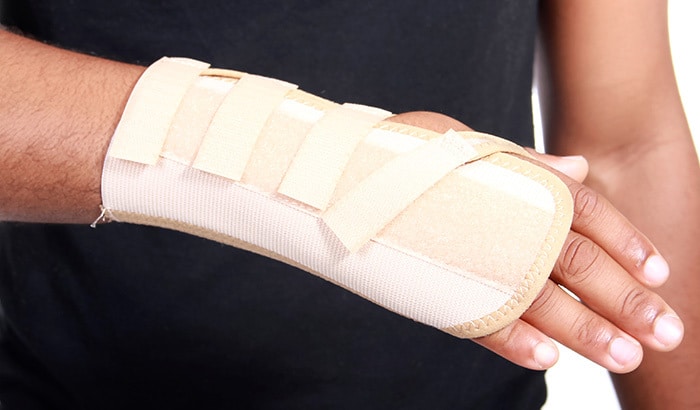
Proper care of wrist wraps extends their life and keeps them effective. Repair and replacement are key parts of maintenance. Fixing small damages early prevents bigger problems. Knowing when to replace wrist wraps ensures safety and support during workouts.
Fixing Material Damage
Minor tears or loose threads can be repaired at home. Use strong thread and a needle to sew small rips. Avoid using glue, as it can weaken the fabric. For Velcro damage, clean the hooks with a fine comb. This removes debris and restores grip. Always check repairs before using wrist wraps again.
When To Replace Wrist Wraps
Replace wrist wraps if they lose elasticity or support. Frayed fabric and worn-out Velcro reduce effectiveness. If wraps slip during exercise, it is time for new ones. Regular users should inspect wraps every few months. Proper replacement protects your wrists and improves performance.
Credit: alliedusa.net
Wearing Practices
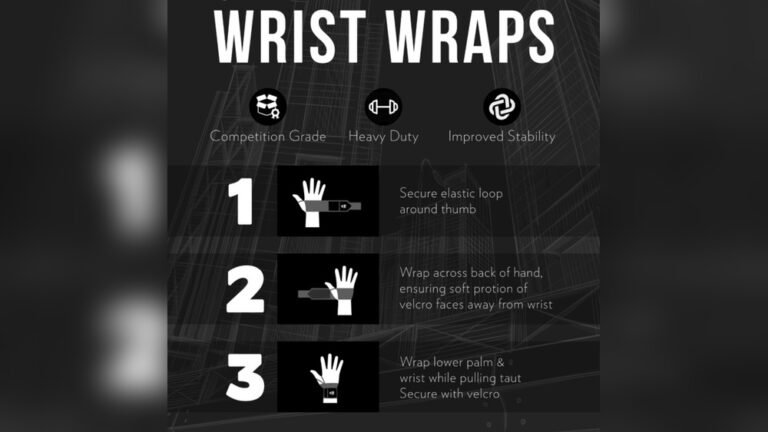
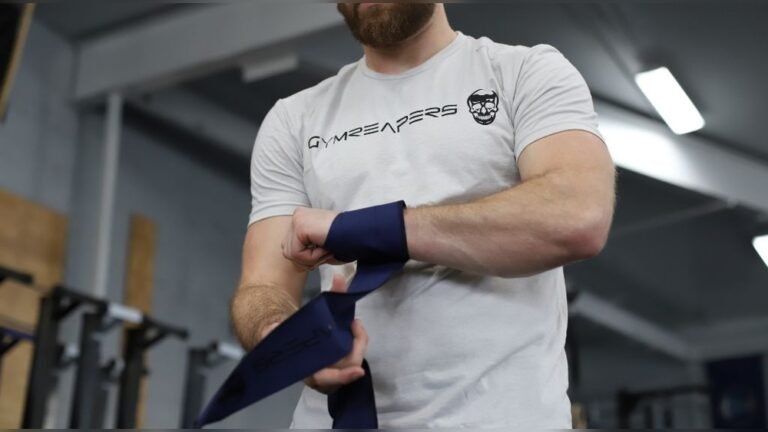
Wearing wrist wraps correctly is important for their durability and your wrist health. Proper wearing practices protect your wrists and keep the wraps effective. You must understand how to use them wisely during workouts. Avoid habits that can cause damage or reduce their benefits.
Avoiding Overuse
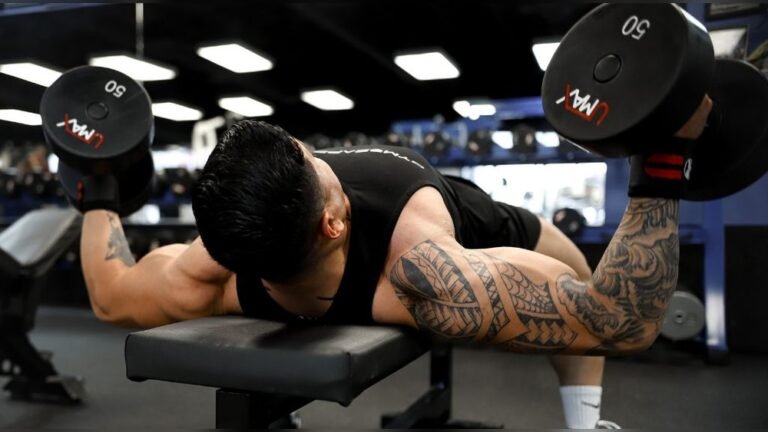
Wrist wraps offer support but can weaken muscles if overused. Wearing them all the time limits wrist movement and strength. Use them only during heavy lifts or when wrists feel unstable. Rest your wrists without wraps to build natural strength. Overusing wraps can cause muscle imbalance and reduce joint flexibility.
Balancing Support And Muscle Strength
Balance is key between support and muscle work. Wrist wraps should aid, not replace, your wrist muscles. Choose wraps that provide firm but comfortable support. Tighten them just enough to stabilize without cutting off circulation. Practice wrist exercises without wraps to keep muscles strong. This balance helps prevent injuries and improves overall wrist health.
Credit: braceowl.com
Frequently Asked Questions
How To Take Care Of Wrist Wraps?
Hand wash wrist wraps in warm water with mild detergent. Air dry them away from direct heat. Avoid machine washing and drying to prevent damage. Store them clean and dry to extend lifespan. Regular washing keeps wraps fresh and effective.
How Often Should I Wash Wrist Wraps?
Wash wrist wraps after every workout to remove sweat and bacteria. Hand wash with mild detergent and air dry. Avoid machine washing or drying to protect the material and Velcro. Regular cleaning extends their lifespan and keeps them fresh.
How To Take Care Of Boxing Wraps?
Hand wash boxing wraps with mild detergent in warm water. Air dry completely, avoiding machines and direct heat. Wash after each use to prevent odor and bacteria. Store wraps dry and rolled to maintain shape and elasticity. Avoid machine drying to protect fabric and Velcro.
Can I Wear Wrist Wraps All The Time?
Wearing wrist wraps all the time can weaken wrist muscles. Use them during heavy lifting or support needs only.
Conclusion
Proper care keeps wrist wraps strong and fresh for longer use. Wash them gently with mild soap and warm water. Avoid machine washing or drying to prevent damage. Always air dry wrist wraps away from heat or sunlight. Regular cleaning stops bad odors and bacteria buildup.
Store wraps in a cool, dry place after use. Taking these simple steps protects your investment and supports your workouts. Clean and well-maintained wrist wraps offer better support and comfort. Small efforts make a big difference in wrist wrap longevity.