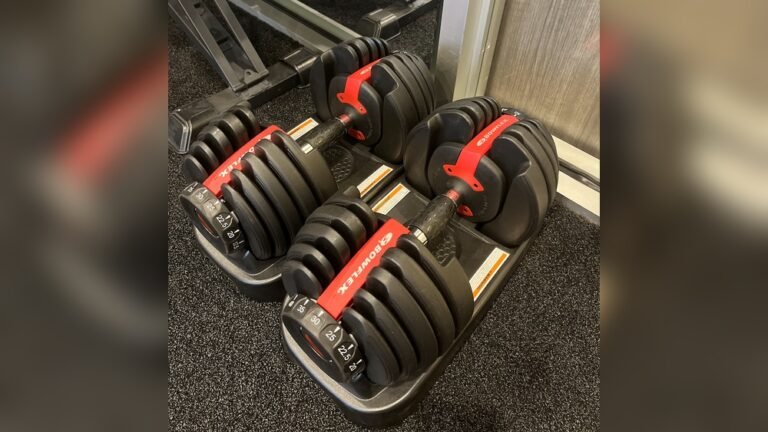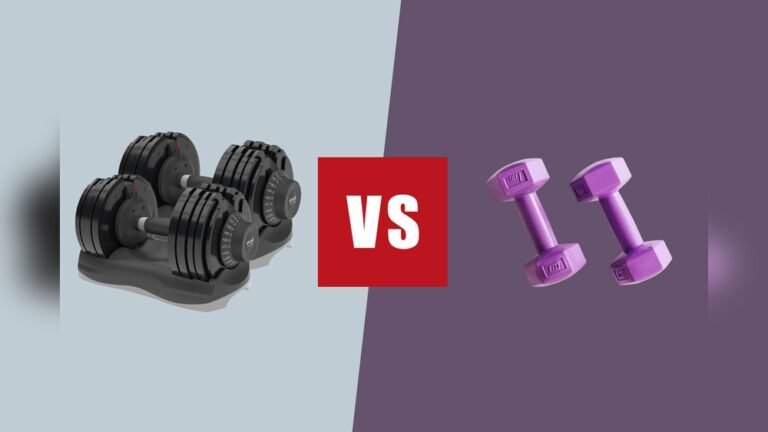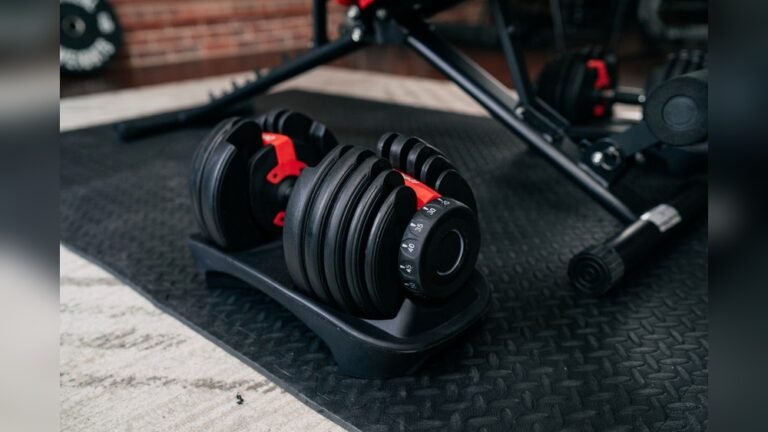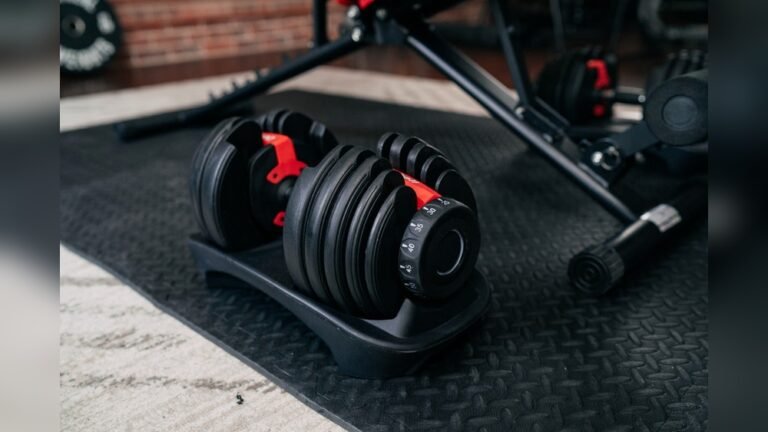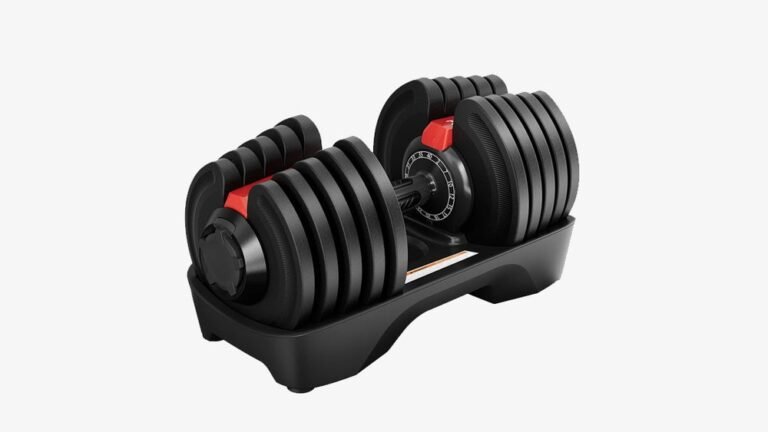
Adjustable dumbbells are a fantastic way to save space and customize your workouts. But if you’re not careful, they can turn from a helpful tool into a safety hazard.
You might think it’s simple to just pick them up and go, but even a small mistake—like a loose weight plate or a faulty locking mechanism—can cause serious injury. To keep your workouts safe and effective, you need to know the right safety tips before you start lifting.
You’ll discover easy, practical steps to make sure your adjustable dumbbells work smoothly and stay secure every time you use them. Keep reading to protect yourself and get the most from your training sessions!
Locking Mechanisms
The locking mechanisms on adjustable dumbbells are vital for safety. They hold the weight plates firmly in place during exercises. A secure lock prevents plates from slipping or falling off. Understanding how these locks work helps avoid accidents and injuries.
Types Of Locks
Adjustable dumbbells use various locking systems. Common types include dial locks, pin locks, and lever locks. Dial locks twist to select weight and lock plates. Pin locks use a metal pin to secure plates. Lever locks clamp down to hold weights tight. Each type offers different ease and security levels.
Ensuring Secure Engagement
Always check the lock before lifting. Turn the dial fully until it clicks or stops. Insert the pin completely and push it in firmly. Close the lever tightly without forcing it. A quick visual and sound check confirms secure engagement. Never lift if the lock feels loose or incomplete.
Common Locking Issues
Locks can wear out or become damaged over time. Dirt and sweat may cause jamming or slipping. Sometimes plates do not align properly, blocking the lock. Forcing the mechanism can break parts or cause injury. Regular cleaning and inspection prevent most problems. Replace worn components promptly for safe use.
Weight Balance
Weight balance plays a crucial role in the safe use of adjustable dumbbells. Uneven weight distribution can lead to instability during exercises. This imbalance increases the risk of injury and damage to the equipment. Paying close attention to weight balance helps maintain control and proper form. It also protects your joints and muscles from strain.
Uniform Plate Distribution
Ensure the weight plates are evenly distributed on both sides. Unequal plates cause the dumbbell to tilt or wobble. This makes lifting unsafe and less effective. Always add or remove plates symmetrically. Double-check that the plates sit flush against the handle. This keeps the dumbbell steady during use.
Checking For Stability
Before lifting, test the dumbbell’s stability by holding it steady. Shake it gently to feel for any movement or looseness. If the plates shift or rattle, stop and tighten the locking mechanism. A stable dumbbell prevents sudden slips or drops. Regularly inspect the locking parts for wear or damage. Stability checks reduce the chance of accidents during workouts.
Material Quality
Material quality plays a vital role in the safety of adjustable dumbbells. The materials used affect their strength, durability, and overall performance. Choosing dumbbells with high-quality components reduces the risk of breakage during workouts. This keeps users safe and ensures a longer lifespan for the equipment.
Metal Vs Plastic Components
Adjustable dumbbells often combine metal and plastic parts. Metal parts, like steel or cast iron, provide strong support and resist wear. Plastic components are lighter and cheaper but may wear out faster. Metal handles offer a better grip and withstand drops better than plastic ones. Plastic parts can crack or break, causing the weights to fall off unexpectedly.
For safety, prefer dumbbells with more metal in key areas. This helps keep the weights secure and stable during use. Avoid dumbbells with thin plastic plates or locking mechanisms that feel flimsy. Solid metal parts lower the chance of injury caused by sudden weight shifts.
Durability Considerations
Durability directly affects the safety of adjustable dumbbells. Strong materials resist dents, cracks, and other damage. Frequent use and accidental drops can weaken plastic parts quickly. Metal parts handle rough use better and last longer.
Inspect dumbbells regularly for signs of wear or damage. Check the locking system and weight plates for cracks or looseness. Durable dumbbells maintain their shape and function, keeping the weights firmly in place. This reduces risks during lifting and helps prevent accidents.
Choosing durable dumbbells means safer workouts and less chance of equipment failure. Quality materials protect your investment and your safety over time.
Handling Precautions
Handling adjustable dumbbells with care is essential for safety. These weights have moving parts that can break or loosen if mishandled. Taking simple precautions helps prevent injuries and extends the life of your equipment.
Always focus on smooth, controlled movements when adjusting or lifting. Avoid rushing or making sudden actions. Proper handling protects both you and your dumbbells.
Avoiding Drops
Dropping adjustable dumbbells can cause serious damage. The weight plates may loosen or fall off, leading to injury or equipment failure. Always hold dumbbells firmly with both hands when changing weights.
Set them down gently on a flat, stable surface. Avoid placing them near edges or uneven floors. Using a workout mat can reduce impact if you accidentally drop them.
Safe Transport And Storage
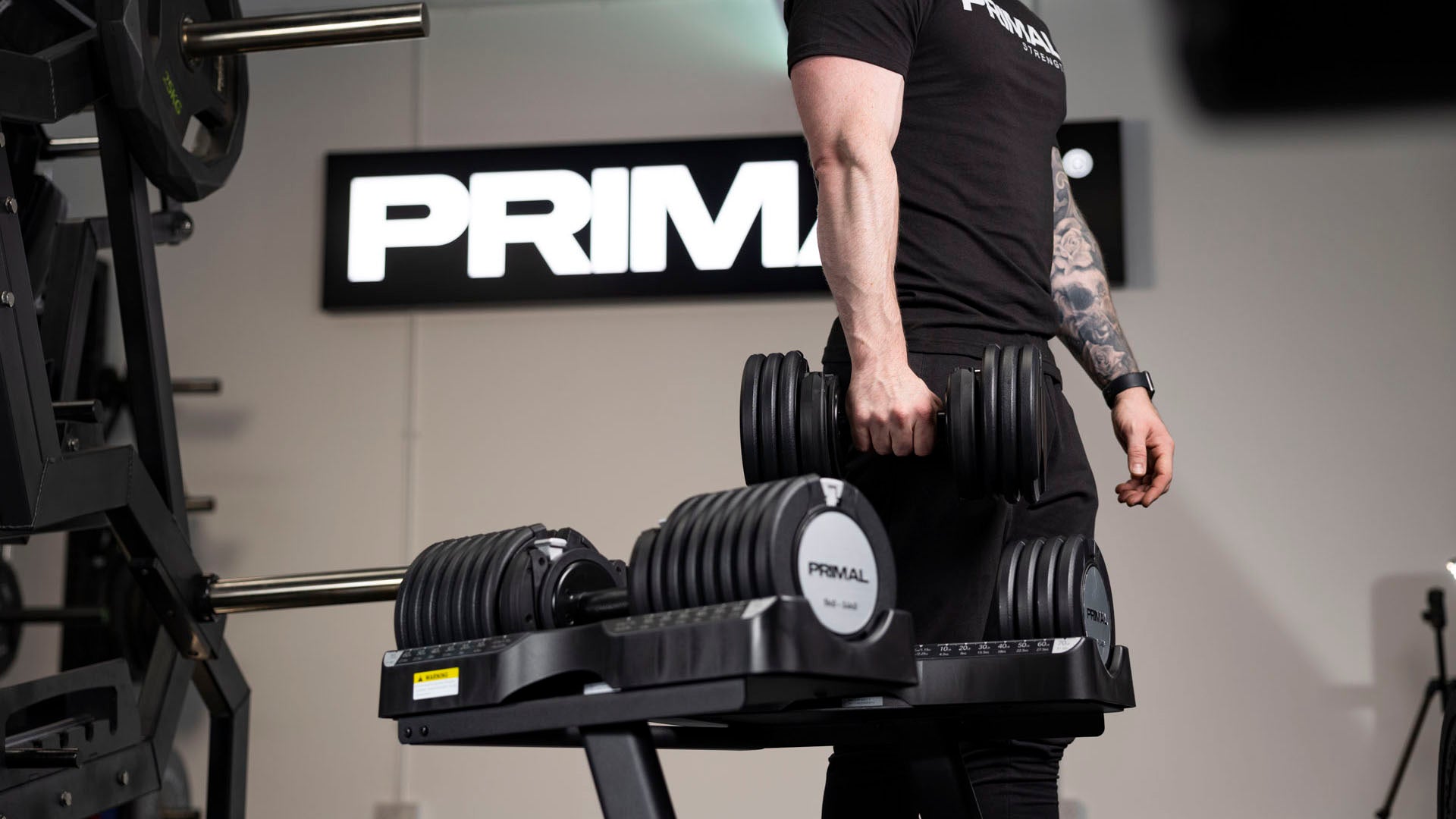
Transport adjustable dumbbells carefully to avoid damage. Use a sturdy case or bag designed for weights. Carry them close to your body to maintain balance and control.
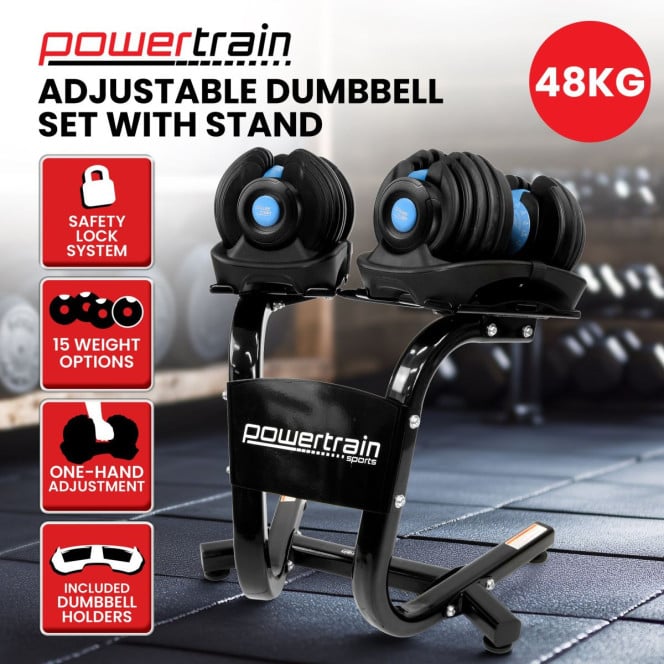
Store dumbbells in a dry, clean area. Keep them off the floor to prevent moisture damage. Organize your weights neatly to avoid tripping hazards and ensure easy access.
Routine Inspection
Routine inspection is vital for safe use of adjustable dumbbells. Regular checks help spot problems early. This prevents accidents and extends equipment life. A quick inspection before each workout keeps you safe.
Pay close attention to every part. Small damage can lead to bigger issues. Look carefully at moving parts and locking mechanisms. Make it a habit to inspect your dumbbells often.
Spotting Wear And Tear
Check plates for cracks or chips. Look for rust or corrosion on metal parts. Inspect handles for cracks or loose grips. Worn-out parts can cause imbalance or slips. Replace damaged parts immediately to avoid injury.
Maintaining Lock Integrity
Ensure the locking mechanism works smoothly. Test dials, pins, or levers for firm engagement. Listen for clicks that confirm locks are secure. Loose locks may cause plates to fall during use. Clean and lubricate locks if they feel stiff.
Credit: flybirdfitness.com
Proper Workout Techniques
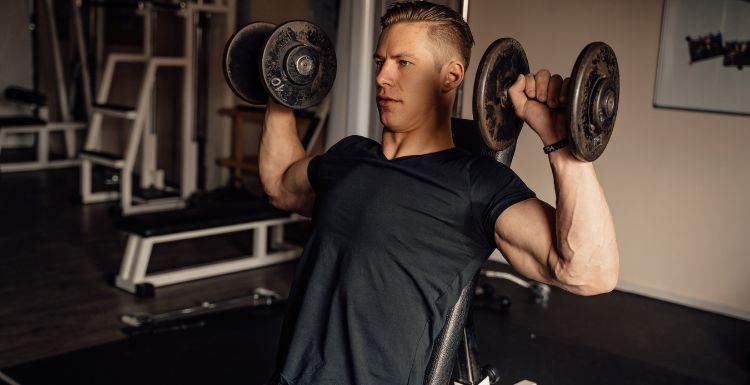
Using adjustable dumbbells safely requires proper workout techniques. These techniques help prevent injuries and improve exercise results. Focus on good habits before, during, and after your workout. Proper form and gradual weight increase protect your muscles and joints. Follow simple steps to ensure your adjustable dumbbells serve you well.
Following Manufacturer Guidelines
Always read and follow the instructions that come with your dumbbells. The manufacturer provides important details about safe use. Check how to adjust weights and lock them securely. Use the recommended settings for your exercises. Do not modify or force parts that seem stuck. Proper handling extends the life of your equipment and keeps you safe.
Warm-up And Form Tips
Begin each workout with a warm-up to prepare your body. Light cardio or stretching increases blood flow and reduces injury risk. Focus on correct posture during exercises. Keep your back straight and core tight. Avoid jerky or fast movements. Controlled, smooth actions help maintain balance and prevent strain. Practice movements without weights first if unsure.
Starting With Lighter Weights
Choose lighter weights when beginning a new routine. This allows your muscles to adapt safely. Gradually increase weight as strength improves. Avoid lifting too heavy too soon. Heavy weights with poor form cause injuries. Listen to your body and stop if you feel pain. Consistent progress builds strength without harming your body.
Troubleshooting
Troubleshooting adjustable dumbbells helps keep your workouts safe and effective. Small problems can stop your session or cause injury. Learning how to fix common issues saves time and worry. This section covers easy solutions for stuck mechanisms and loose plates.
Addressing Stuck Mechanisms
Stuck mechanisms often happen when dirt or sweat builds up inside the adjustment dial. Clean the area gently with a dry cloth. Avoid using water, which can cause rust. Apply a small amount of lubricant to moving parts if the mechanism feels tight. Turn the dial slowly to check for smooth movement. Never force the dial, as this can break the internal parts.
If the mechanism remains stuck, inspect for any visible damage or bent components. Contact customer support for repair or replacement advice. Regular cleaning prevents future jamming and keeps your dumbbells working well.
Fixing Loose Plates
Loose plates can make lifting dangerous and unbalanced. Check the locking system before every use. Tighten any loose screws or dials by hand until secure. Make sure the plates sit evenly on both sides of the handle.
Replace worn or damaged locking parts right away. Avoid dropping the dumbbells, as impacts can loosen or bend plates. Regularly inspect plates for cracks or deformities to ensure safety. Proper maintenance keeps your adjustable dumbbells steady and reliable.
Credit: www.primalstrength.com
Credit: www.powertrain.com.au
Frequently Asked Questions
What Are The Safety Considerations For Using Adjustable Dumbbells?
Always lock the weight securely before lifting. Check for uniform weight on both ends. Avoid dropping to prevent damage. Inspect regularly for wear or loose parts. Follow manufacturer instructions and use proper form to reduce injury risk.
What Are The Common Problems With Adjustable Dumbbells?
Common problems with adjustable dumbbells include loose locking mechanisms, uneven weight distribution, plastic parts breaking, difficulty adjusting weights, and wear from frequent use. Regular maintenance and careful handling help prevent these issues and ensure safe, effective workouts.
How To Be Safe With Dumbbells?
Ensure dumbbells are securely locked before lifting. Use balanced weights on both ends. Avoid dropping them to prevent damage. Inspect regularly for wear or loose parts. Warm up and use proper form to reduce injury risks.
How To Put Dumbbells Down Safely?
Lower dumbbells gently to avoid injury or damage. Keep control, bend knees, and place them on a stable surface. Avoid dropping.
Conclusion
Using adjustable dumbbells safely protects your body and equipment. Always check the locking mechanism before lifting weights. Keep the weight balanced on both sides to avoid injury. Handle dumbbells gently to prevent damage to internal parts. Regularly inspect your equipment for wear or damage.
Follow the instructions and use proper form during workouts. Stop and fix any issues if the mechanism feels stuck. These simple habits help you enjoy your workouts without risk. Stay safe and lift smart for better fitness results.