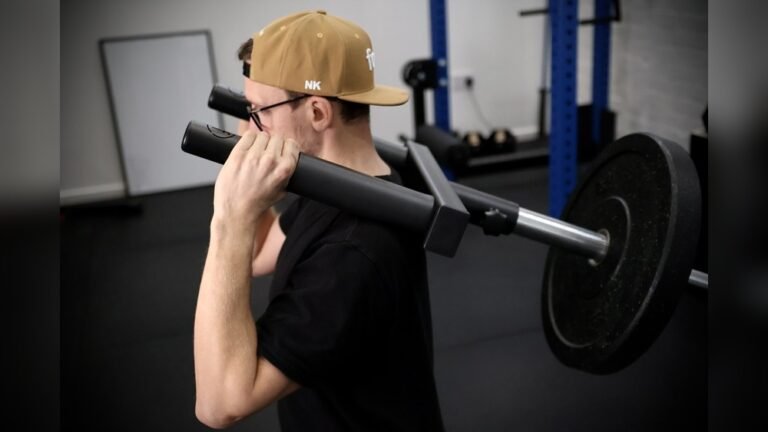
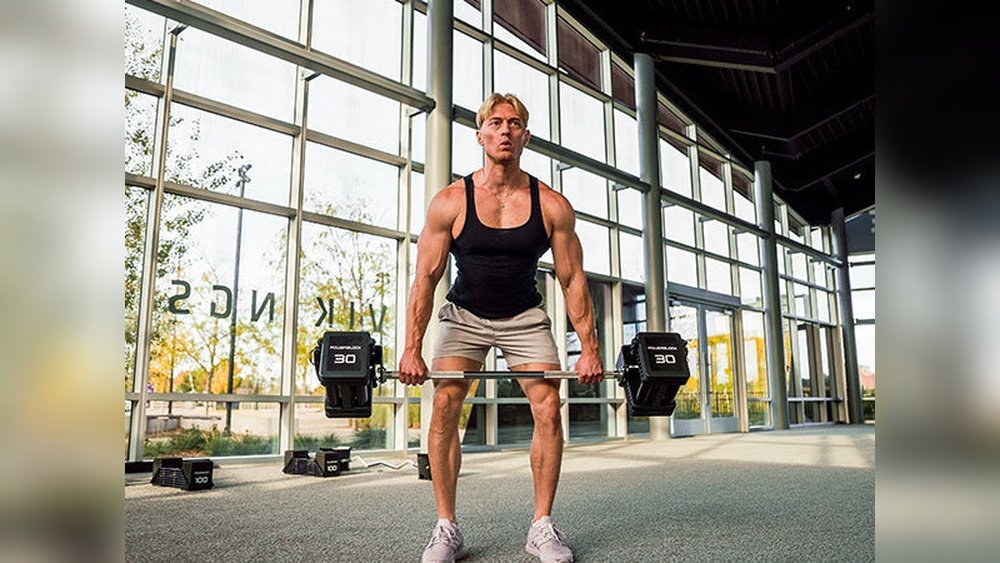
If you’re lifting with a barbell set, safety isn’t just important—it’s essential. You want to build strength, not risk injury.
That means knowing how to handle the barbell the right way, preparing your body, and paying attention to your surroundings every time you train. You’ll discover simple yet effective safety tips that protect your muscles, joints, and overall health. Whether you’re just starting out or looking to improve your technique, these tips will help you lift smarter and safer.
Keep reading to make every workout count without setbacks.

Credit: extremetrainingequipment.com
Warm-up And Cool-down
Warming up and cooling down are key steps in any barbell workout. They prepare your muscles and joints for lifting. They also help reduce injury risks. A good warm-up increases blood flow and loosens tight muscles. Cooling down helps your body recover and reduces soreness. Spend time on both to keep your workouts safe and effective.
Dynamic Warm-up Exercises
Start with movements that mimic your workout. Leg swings, arm circles, and bodyweight squats are great choices. These exercises raise your heart rate and increase muscle temperature. They prepare your body for heavier lifts. Do each exercise for about 30 seconds. Avoid static stretching before lifting as it may reduce strength.
Stretching Techniques For Flexibility
Use gentle stretches to improve muscle flexibility. Focus on major muscle groups like hamstrings, quads, and shoulders. Hold each stretch for 15 to 30 seconds. Never force your body into a stretch. Stretching improves range of motion and helps prevent strains during lifts. Save deep stretching for after your workout.
Post-workout Recovery Stretches
Cooling down with stretches helps muscles relax and recover. Focus on slow, deep stretches after your session. Target muscles used during your barbell workout. This reduces muscle tightness and speeds up recovery. Hold each stretch comfortably for 30 seconds. Use this time to breathe deeply and calm your body.
Proper Barbell Technique
Using a barbell set safely starts with proper technique. Correct form reduces injury risk. It helps you lift more efficiently and build strength steadily.
Focus on three key areas: grip, spine position, and muscle engagement. Each part plays a role in safe lifting. Practicing good habits creates a strong foundation for all barbell exercises.
Correct Grip And Hand Placement
Hold the barbell firmly but not too tight. Your hands should be evenly spaced on the bar. This balance prevents strain on wrists and shoulders.
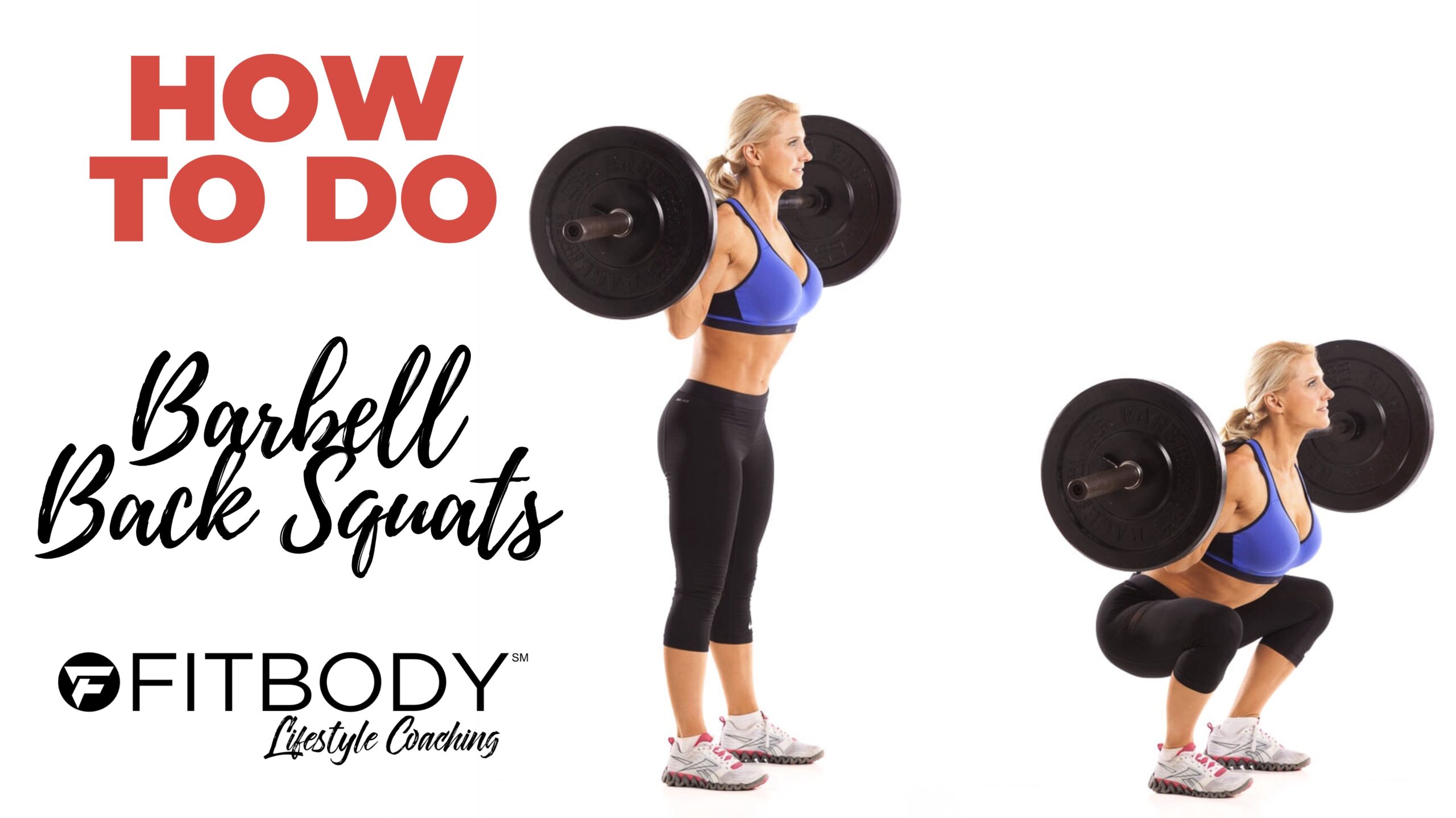
Adjust your grip width based on the exercise. For example, a wider grip suits the bench press. A shoulder-width grip is best for squats.
Maintaining Neutral Spine
Keep your back straight and avoid rounding it. A neutral spine protects your lower back from injury. Imagine a straight line from your head to your hips.
Look forward or slightly down to help maintain this position. Avoid looking up or tucking your chin too much. This helps keep your neck safe.
Engaging Core And Glutes
Tighten your abdominal muscles before lifting. A strong core supports your spine and improves balance. Squeeze your glutes to stabilize your hips.
Engaging these muscles reduces pressure on your lower back. It also helps you lift more powerfully and safely.
Using Safety Equipment
Using safety equipment is vital for a secure barbell workout. It reduces injury risks and boosts confidence. Proper gear supports your body and helps maintain balance during lifts. Safety tools protect joints, muscles, and spine from strain or accidents. Investing time in choosing and using the right equipment pays off in workout safety and performance.
Choosing Supportive Footwear
Select shoes with firm soles and good grip. Avoid running shoes with soft cushions that cause instability. Flat, stable shoes help maintain balance and proper posture. Weightlifting shoes with a slight heel raise improve squat and deadlift technique. Proper footwear prevents slips and supports heavy lifts safely.
Wearing Weightlifting Belts And Wraps
Weightlifting belts support the lower back and core. They help maintain correct spine alignment during heavy lifts. Use belts for squats, deadlifts, and overhead presses. Wrist wraps stabilize wrists under heavy loads and reduce strain. Choose belts and wraps that fit snugly but do not restrict movement.
Setting Up Safety Pins And Spotters
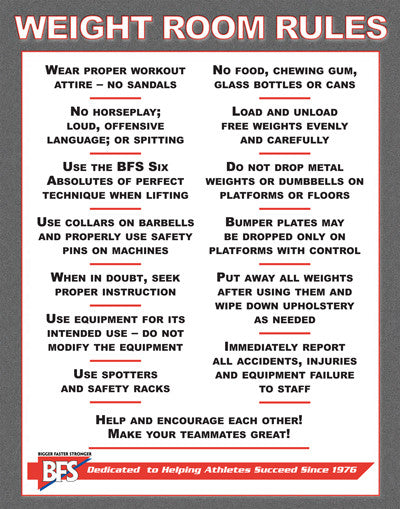
Safety pins catch the barbell if you fail a lift. Adjust pins to just below your lowest lift point. Spotters provide extra security for heavy or challenging lifts. Communicate clearly with spotters before starting the set. Both safety pins and spotters prevent accidents and help you lift with confidence.
Loading And Unloading Weights
Loading and unloading weights on a barbell requires care and attention. Proper handling keeps you safe and protects your equipment. Taking the right steps reduces the risk of injury and damage. Follow simple rules for smooth and secure weight changes.
Balanced Weight Distribution
Always place plates evenly on both sides of the barbell. This balance prevents the bar from tipping during lifts. Add the same weight on each side, matching the size and type of plates. Balanced distribution helps maintain control and stability.
Safe Plate Handling Methods
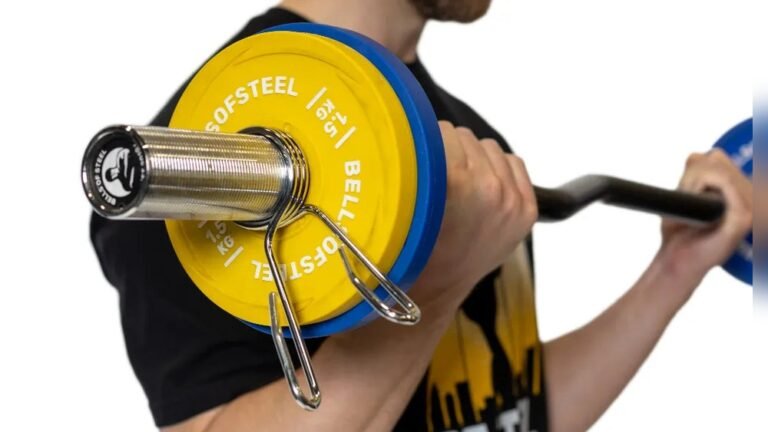
Lift plates with your legs, not your back, to avoid strain. Hold plates close to your body for better grip and control. Use collars to secure plates and stop them from sliding off. Avoid dropping plates; gently place them on the ground or rack.
Avoiding Overloading The Barbell
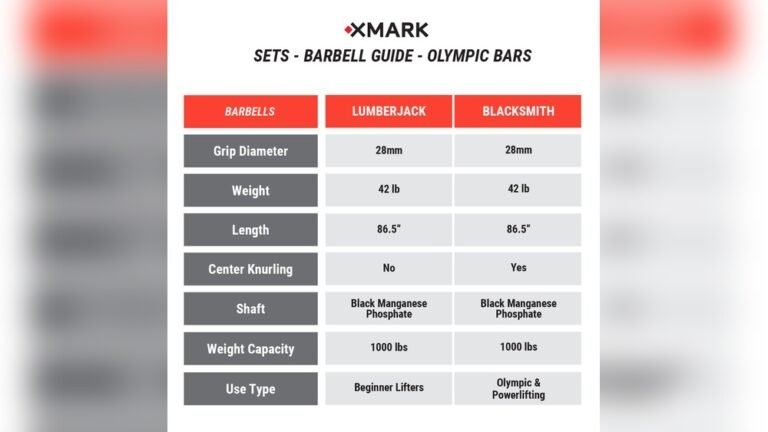
Check the barbell’s weight limit before adding plates. Never exceed the maximum weight to prevent bar damage and injury. Increase weight in small steps to keep control and build strength safely. Know your limits and lift within them.
Listening To Your Body
Listening to your body is essential when using a barbell set. It helps prevent injuries and improves workout results. Your body sends clear signals about its limits. Paying attention to these signs can keep you safe and strong during lifting sessions.
Recognizing Pain And Discomfort
Pain is a warning from your body. Sharp or sudden pain means stop immediately. Mild discomfort during exercise is normal but should not last. Learn to tell the difference between muscle burn and injury pain. Ignoring pain can lead to serious damage.
When To Stop Or Modify Lifts
Stop lifting if pain or discomfort grows. Modify exercises if your form feels off or if you struggle to control the barbell. Lower weights or change the movement to reduce strain. Adjusting lifts helps protect joints and muscles.
Signs Of Fatigue And Dizziness
Fatigue causes poor form and increases injury risk. Dizziness means your body needs rest or hydration. Take breaks between sets and drink water often. Stop training if you feel weak, lightheaded, or too tired to continue safely.
Hydration And Nutrition
Proper hydration and nutrition play vital roles in safe and effective barbell training. Water supports muscle function and prevents cramps. Balanced nutrition provides energy and aids recovery. Paying attention to these factors reduces injury risks and boosts workout results.
Pre-workout Hydration Tips
Drink at least 16 ounces of water two hours before lifting. Avoid sugary drinks that can cause energy crashes. Sip small amounts of water every 15 to 20 minutes before starting your session. Proper hydration prepares your muscles and joints for heavy lifting.
Fueling For Strength Training
Eat a meal rich in protein and complex carbohydrates 1 to 2 hours before training. Foods like chicken, rice, and vegetables work well. Avoid heavy or greasy meals that cause discomfort. Balanced fuel helps maintain energy and supports muscle growth during barbell exercises.
Post-workout Replenishment
After your session, drink water to replace lost fluids. Include a snack with protein and carbs within 30 minutes. Examples are yogurt with fruit or a protein shake with a banana. Proper recovery nutrition helps repair muscles and restore energy levels quickly.
Environment And Surroundings
Creating a safe environment is key when using a barbell set. The space around you impacts your focus and reduces injury risk. Clear, spacious, and well-lit areas help maintain control over your movements. Weather and lighting also affect your workout quality and safety. Paying attention to these factors creates a better lifting experience.
Choosing Well-lit And Spacious Areas
Pick a workout spot with plenty of light. Good lighting helps you see your barbell and surroundings clearly. It prevents accidents caused by poor visibility. Spacious areas allow free movement without bumping into objects or people. This space lowers the chance of tripping or dropping weights on yourself.
Keeping The Workout Space Clear
Remove any clutter near your lifting zone. Clear floors and surfaces reduce tripping hazards. Keep weights, equipment, and personal items organized away from your path. A tidy space lets you focus fully on lifting. It also helps spot any potential dangers quickly.
Adjusting For Weather Conditions
Outdoor workouts need extra care. Avoid training in extreme heat or cold to prevent health risks. Wet or icy surfaces increase slipping dangers. Choose covered or indoor spaces if weather is bad. Dress appropriately for the temperature to stay comfortable and safe.
Credit: julielohre.com
Progressive Intensity
Progressive intensity is key to safe barbell training. It means increasing workout difficulty slowly. This approach helps muscles adapt and reduces injury risk. Avoid jumping to heavy weights too fast. Your body needs time to build strength and endurance.
Gradual Weight Increases
Add weight in small steps. For example, increase by 2.5 to 5 pounds each session. This prevents strain on muscles and joints. Gradual increases help maintain proper form. Use weight increments that feel challenging but manageable.
Avoiding Sudden Overexertion
Do not push to lift maximum weight suddenly. Overexertion can cause muscle tears or joint damage. Pay attention to your body’s signals. Stop if you feel sharp pain or dizziness. Rest between sets and workouts to recover.
Tracking And Planning Workouts
Keep a workout log to track weights and reps. Planning helps you increase intensity safely over time. Review your progress weekly to adjust goals. Consistency in tracking avoids rapid, unsafe jumps in weight. This creates a steady path to strength gains.
Emergency Preparedness
Emergency preparedness is vital when using a barbell set. Accidents can happen, even with careful use. Being ready helps reduce injury severity and speeds recovery. Knowing basic first aid, having a spotter, and recognizing when to get medical help save lives and prevent complications.
Basic First Aid Knowledge
Learn simple first aid steps for common barbell injuries. Know how to stop bleeding, treat bruises, and handle sprains. Keep a first aid kit nearby during workouts. This kit should have bandages, antiseptic wipes, and ice packs. Quick action can prevent minor injuries from worsening.
Having A Spotter Or Trainer Nearby
A spotter watches your form and helps if you struggle with the barbell. They catch the bar if you lose control. A trainer guides you to avoid unsafe movements. Never lift heavy weights alone. A spotter improves safety and builds confidence during lifts.
Knowing When To Seek Medical Help
Recognize signs that need professional care. Severe pain, swelling, or difficulty moving a limb require urgent attention. Loss of consciousness or chest pain calls for emergency services. Don’t ignore symptoms that worsen over time. Early medical help can prevent long-term damage.
Credit: www.biggerfasterstronger.com
Frequently Asked Questions
How To Use Barbells Safely?
Warm up before lifting and cool down afterward. Use proper form and supportive shoes. Engage your core and lift controlled. Stay hydrated and listen to your body. Avoid lifting weights that feel too heavy to prevent injury.
What Are 5 Safety Considerations Related To Physical Activity?
Warm up and cool down to prevent injuries. Listen to your body and stop if you feel pain. Stay hydrated before, during, and after exercise. Wear proper gear and use correct techniques. Be aware of your surroundings and adjust for weather conditions.
What Are The 5 Safety Tips In Pathfit?
The 5 safety tips in Pathfit are: warm-up and cool-down, listen to your body, stay hydrated, use proper gear and technique, and be aware of your surroundings.
What Are 7 Safety Precautions In Pe?
Seven safety precautions in PE include warming up and cooling down, wearing proper gear, staying hydrated, listening to your body, using correct technique, exercising in safe environments, and gradually increasing intensity.
Conclusion
Using a barbell set can boost your fitness journey safely. Always warm up to prepare your muscles. Wear proper shoes and use correct form. Stay hydrated to keep your body working well. Pay attention to any pain or discomfort. Take breaks and avoid lifting too much weight.
Keep your workout space clear and well-lit. These simple steps help prevent injuries. Enjoy your workout and build strength safely every time. Safety first means better progress and fewer setbacks.