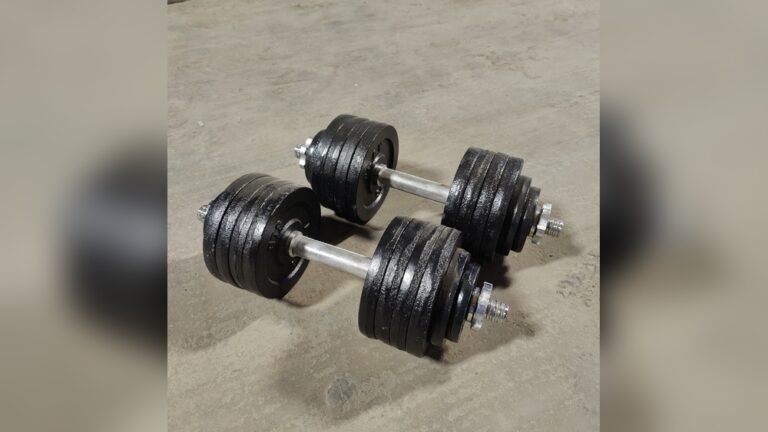
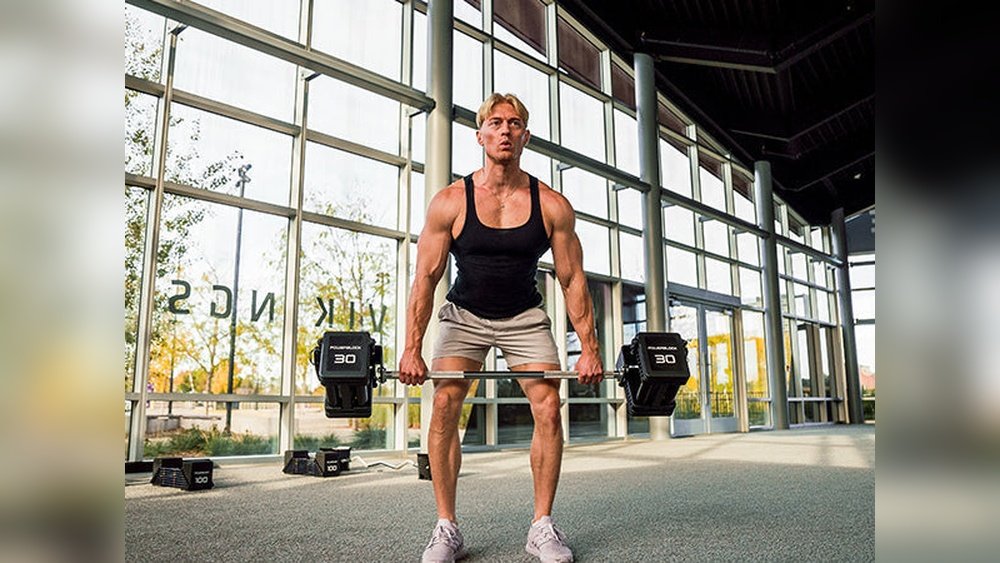
When you’re working out with fixed dumbbells, safety isn’t just important—it’s essential. Using these weights without the right precautions can lead to injuries that slow down your progress or even stop you from training altogether.
But don’t worry, you can protect yourself with simple steps that make a big difference. You’ll discover easy-to-follow safety tips that keep your workouts effective and injury-free. Keep reading to learn how to lift smarter and stay strong for the long run.
Choosing The Right Dumbbells
Choosing the right fixed dumbbells is important for safe and effective workouts. The right dumbbells help prevent injuries and improve your exercise experience. Consider a few key factors before buying to make the best choice.
Material And Grip Options
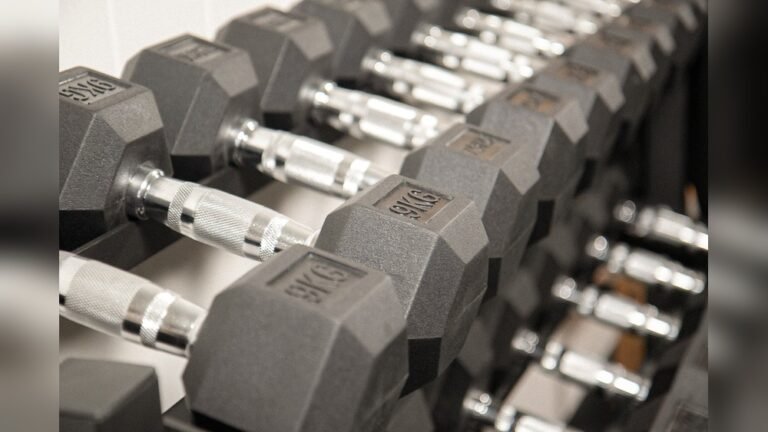
Fixed dumbbells come in different materials like cast iron, rubber-coated, and neoprene. Rubber-coated dumbbells protect floors and reduce noise. Cast iron dumbbells are durable but may damage surfaces.
Grip texture matters. Knurled metal handles offer a firm hold. Neoprene and rubber grips provide comfort and reduce slipping. Choose a grip that feels secure and comfortable in your hand.
Weight Selection Tips
Pick dumbbell weights suitable for your strength level and goals. Start with lighter weights to learn proper form. Gradually increase weight as you gain strength.
Choose a weight that challenges your muscles but allows full control. Avoid weights that are too heavy, which can cause injury. Fixed dumbbells come in various increments; select weights that match your workout plan.
Checking Dumbbell Quality
Inspect dumbbells for solid construction and smooth finishes. Check if the weight is evenly balanced on both sides. Uneven weights can cause strain and poor form.
Look for any cracks, rough edges, or loose parts. High-quality dumbbells last longer and provide safer workouts. Test the grip to ensure it does not slip during use.
Proper Handling Techniques
Proper handling techniques for fixed dumbbells are essential to avoid injury. They help you lift safely and keep control during workouts. Good habits protect your joints and muscles. Using the right methods also improves your exercise results.
Safe Lifting Practices
Start with a firm grip on the dumbbell handles. Keep your back straight and bend your knees when picking up weights. Avoid sudden movements. Lift smoothly and steadily to protect your spine. Use your legs to help lift, not just your back. Place the dumbbells down gently after each set.
Maintaining Control During Exercises
Keep a steady grip on the dumbbells at all times. Move through exercises slowly and with purpose. Avoid swinging the weights. Focus on controlling the dumbbell’s path. Controlled movements reduce the risk of injury and increase muscle engagement. Pause briefly at the top of each movement for better control.
Avoiding Common Grip Mistakes
Do not hold dumbbells too tightly or too loosely. A tight grip causes unnecessary tension in your forearms. A loose grip increases the risk of dropping the weight. Use your fingers and palm evenly to hold the dumbbell. Check your grip regularly during workouts. Adjust if you feel slipping or discomfort.
Workout Environment Safety
Creating a safe workout environment is key for using fixed dumbbells. A clean and organized space helps prevent accidents. Proper lighting and floor grip reduce risks of slips and falls. This section covers simple steps to keep your workout area safe and ready.
Clearing Your Workout Space
Remove all obstacles from your workout area. Keep floors free of toys, cables, and clutter. A clear space lets you move freely and avoid tripping. Make sure there is enough room to lift and place dumbbells safely.
Using Non-slip Mats
Place non-slip mats under your workout area. These mats prevent slipping on smooth floors. They also protect the floor from damage caused by dumbbells. Choose mats that stay firmly in place during your workout.
Ensuring Adequate Lighting
Good lighting helps you see your surroundings clearly. It reduces the chance of accidents and errors. Use bright, even lighting in your workout space. Avoid dark corners where you might miss obstacles or weights.
Warm-up And Stretching
Warming up and stretching are key before using fixed dumbbells. These steps prepare your muscles and joints. They reduce the chance of injury and improve your workout quality. A good warm-up raises your heart rate and loosens tight muscles. Stretching targets the specific muscles used during dumbbell exercises.
Dynamic Warm-up Moves
Start with movements that mimic your workout actions. Arm circles, leg swings, and torso twists work well. These moves increase blood flow and warm your muscles. Perform each move for 30 seconds. Avoid holding still during this phase. Keep your body moving and ready for action.
Targeted Stretching For Dumbbell Workouts
Focus on muscles you will use with dumbbells. Stretch your shoulders, arms, chest, and back. Hold each stretch gently for 15 to 20 seconds. Do not push too hard or bounce. This helps your muscles relax and extend. Targeted stretching improves flexibility and range of motion.
Avoiding Overexertion
Avoiding overexertion is key to safe workouts with fixed dumbbells. Pushing too hard can cause injuries and slow progress. Understanding how to manage effort keeps training effective and safe.
Recognizing Fatigue Signs
Fatigue shows in many ways. Muscle shaking, slower movements, and poor form are clear signs. Ignoring these can lead to strains or worse injuries. Stop or lower weight if you feel tired.
Progressive Weight Increases
Increase dumbbell weight step by step. Sudden heavy lifting stresses muscles and joints. Small, steady rises build strength safely. Track your progress to avoid lifting too much too soon.
Rest And Recovery Importance
Rest days help muscles heal and grow. Skipping rest can cause burnout and injuries. Sleep and proper nutrition also support recovery. Give your body time to rebuild between sessions.
Credit: nutroone.com
Maintaining Dumbbell Condition
Maintaining your fixed dumbbells is key to safe workouts. Well-kept dumbbells last longer and work better. Small care steps prevent accidents and damage.
Regular Inspection For Damage
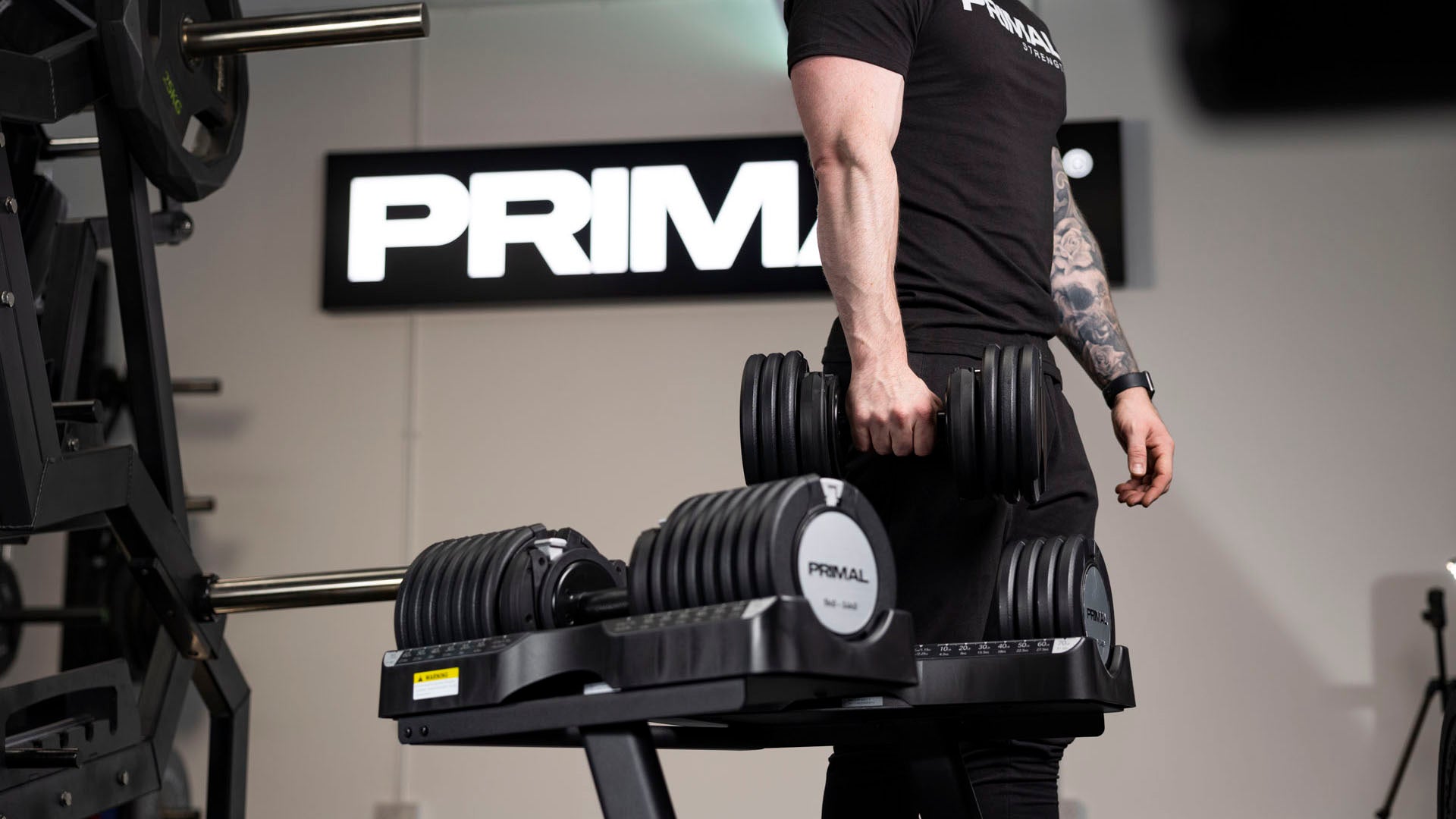
Check dumbbells before every use. Look for cracks, chips, or loose parts. Damaged dumbbells can cause injuries. Tighten any loose screws or bolts. Replace dumbbells that show serious wear. Regular checks keep your equipment safe.
Cleaning And Storage Tips
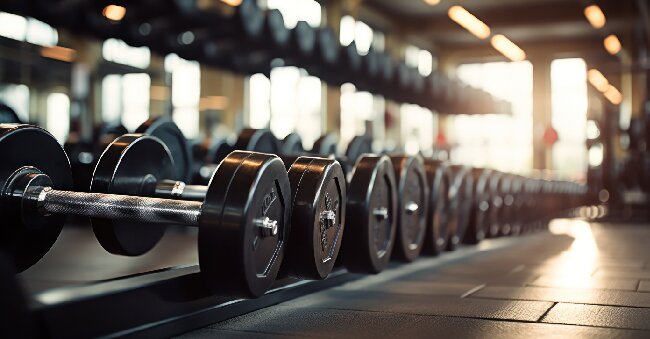
Clean dumbbells after workouts. Use a damp cloth to remove sweat and dirt. Avoid harsh chemicals that damage surfaces. Dry dumbbells well to prevent rust. Store them in a dry, cool place. Keep dumbbells off the floor to avoid moisture. Proper storage protects your equipment and your health.
Spotting And Assistance
Using fixed dumbbells safely is key to avoid injuries. Spotting and assistance help protect you during workouts. They give extra support when lifting heavy weights. Knowing when and how to use a spotter keeps your exercise safe and effective.
When To Use A Spotter
Use a spotter during heavy or difficult lifts. Spotters help with exercises like dumbbell presses and curls. They assist when you feel tired or weak. Spotters provide help if you lose control of the dumbbells. Avoid lifting very heavy weights alone without assistance.
Safe Spotting Techniques
The spotter should stay alert and ready to help. Keep hands close but avoid touching the dumbbells unless needed. Communicate clearly about when help is required. Support the dumbbells only if the lifter struggles. Never take control of the weights without warning. Proper spotting reduces the risk of injury for both lifter and spotter.
Credit: www.primalstrength.com

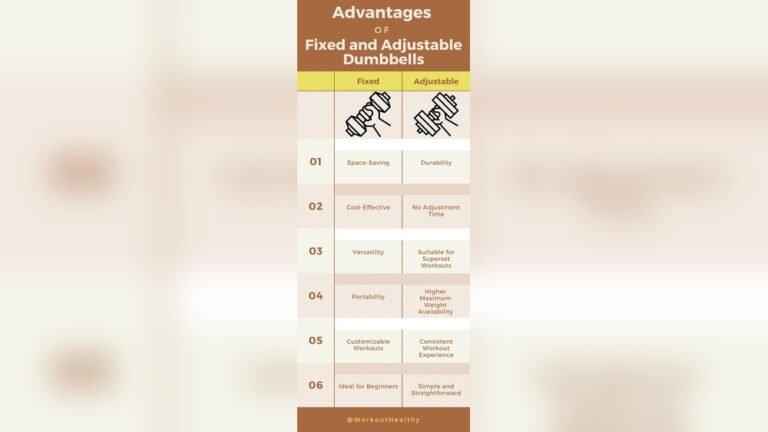
Credit: workouthealthy.com
Frequently Asked Questions
How Do I Safely Lift Fixed Dumbbells?
Always warm up before lifting fixed dumbbells. Use proper form and controlled movements. Avoid sudden jerks to prevent injury.
What Is The Best Way To Store Fixed Dumbbells?
Store fixed dumbbells on a rack or designated area. Keep them off the floor to avoid tripping hazards and damage.
How Can I Prevent Hand Injuries With Dumbbells?
Wear gloves for better grip and wrist support. Ensure your hands are dry and avoid overloading beyond your strength.
Are Fixed Dumbbells Safer Than Adjustable Ones?
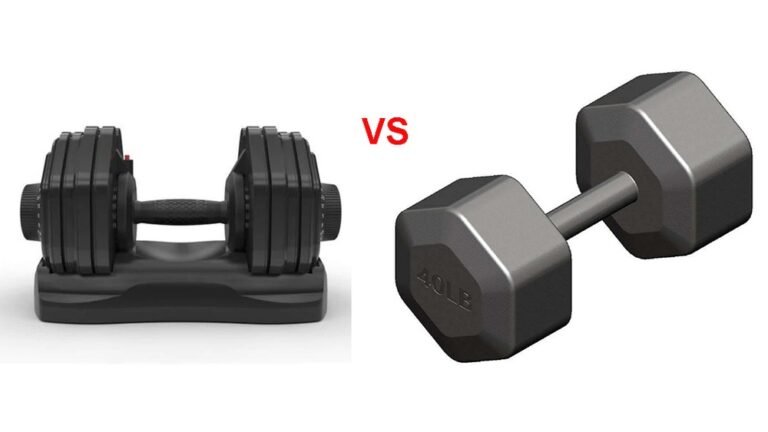
Fixed dumbbells have a solid design that reduces moving parts. This makes them generally safer and more stable during workouts.
Conclusion
Using fixed dumbbells safely protects your body and boosts workout success. Always check the dumbbells for damage before lifting. Keep a firm grip and control your movements. Clear your workout space to avoid trips or slips. Rest well between sets to prevent strain.
Small steps make a big difference in safety. Stay focused and listen to your body’s signals. Safe workouts help you train longer and feel better. Keep these tips in mind every time you lift. Safety first.