When you’re lifting heavy weights, your grip can often be the weak link that holds you back. That’s where lifting straps come in—they help you hold on tighter and push further.
But using them the wrong way can lead to injuries or even damage your equipment. So, how do you make sure you’re getting the most out of your lifting straps safely? You’ll discover simple yet powerful safety tips that protect your wrists, improve your lifts, and keep you injury-free.
Keep reading to lift smarter, not just harder.
Choosing The Right Straps
Choosing the right lifting straps is essential for safe and effective lifting. The correct straps protect your hands and improve your grip. Selecting straps that match your lifting needs reduces injury risks and enhances performance.
Material Types
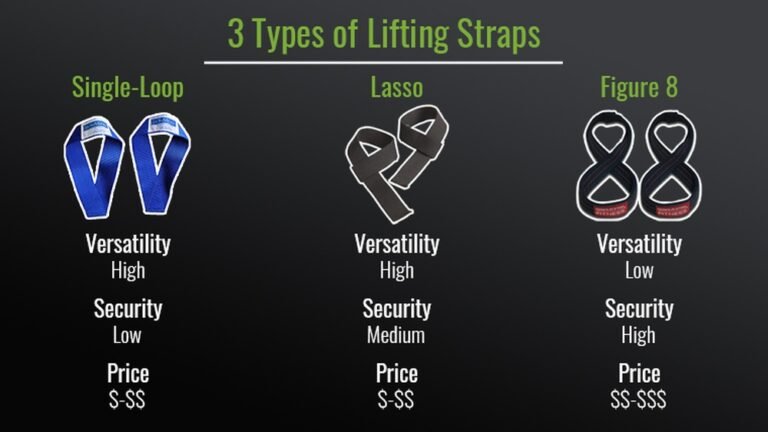
Lifting straps come in several materials. Cotton straps are soft and comfortable but wear out quickly. Nylon straps offer good strength and durability. Leather straps are very strong and last long but can be stiff at first. Choose material based on comfort and durability needs.
Load Capacity
Check the load capacity before buying lifting straps. The capacity shows the maximum weight the straps can hold safely. Using straps with too low capacity can cause accidents. Always pick straps with a load capacity higher than your heaviest lift.
Strap Length And Width
Strap length affects how well you can wrap them around the bar. Longer straps offer more wrapping options. Width impacts comfort and grip security. Wider straps spread pressure and reduce hand pain. Select length and width that fit your lifting style and hand size.
Credit: pms-ind.com
Proper Strap Placement
Proper strap placement is key to safe and effective lifting. Correct positioning ensures straps support your grip without causing discomfort or injury. It also helps maintain control of the barbell during lifts. Follow these simple steps to place your lifting straps correctly.
Wrist Loop Positioning
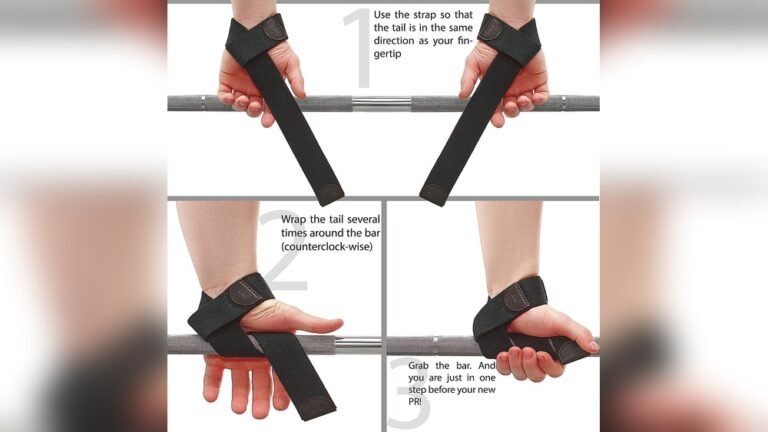
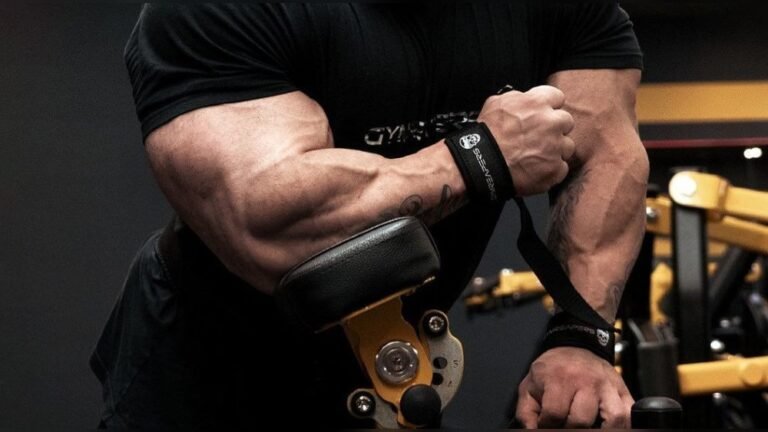
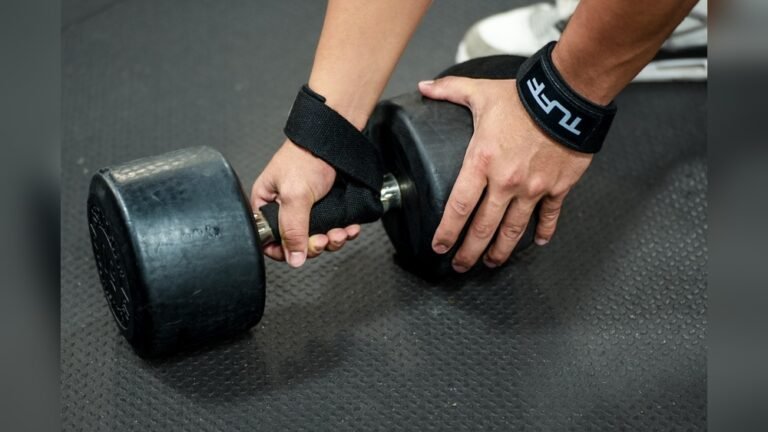
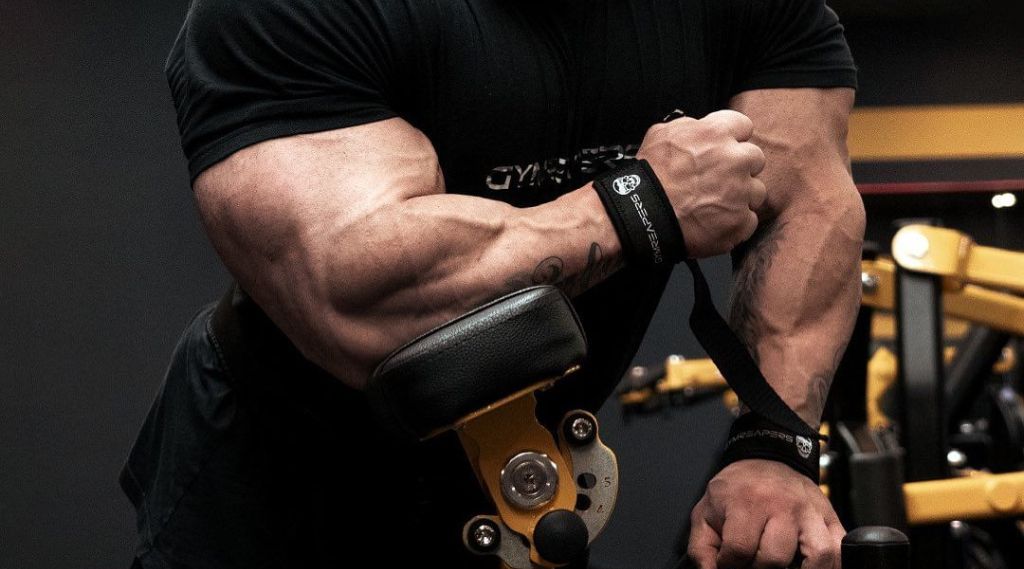
Slide your hand through the wrist loop so the strap rests on your wrist bone. The loop should fit snugly but not cut off circulation. Position the strap flat against your skin to avoid slipping. This placement keeps the strap secure while giving you full wrist movement.
Wrapping Around The Bar
Wrap the loose end of the strap around the barbell tightly. The strap should go under and over the bar, creating a firm grip. Wrap it toward the inside of your hand for better control. Proper wrapping prevents the bar from slipping during heavy lifts.
Securing The Straps
After wrapping, hold the bar with your fingers and tighten the strap by pulling the loose end. Make sure the strap is snug but not overly tight. Secure the strap so it stays in place throughout the lift. This step ensures safety and improves your lifting performance.
Techniques For Safe Lifting
Using lifting straps correctly helps protect your wrists and improve grip. Safe techniques reduce injury risk and improve lifting efficiency. Focus on proper wrist support, strap tension, and load balance for best results.
Maintaining Wrist Support
Keep your wrists straight and stable during lifts. Avoid bending them forward or backward. Secure the straps around your wrists without cutting off circulation. Wrist support helps prevent strains and sprains.
Avoiding Over-tightening
Tighten straps just enough to hold the weight firmly. Over-tightening can cut off blood flow and cause discomfort. Straps should feel snug but not painful. Loosen straps between sets to let blood circulate.
Balancing The Load
Distribute the weight evenly on both straps. Uneven loads increase the risk of dropping the weight or injuring yourself. Check that the straps sit evenly on the bar or object. Balanced lifting improves control and safety.
Common Mistakes To Avoid
Using lifting straps can help improve your grip and performance. Still, many people make simple mistakes that reduce safety and effectiveness. Avoiding these common errors keeps your lifting safe and comfortable. Pay close attention to how you handle and use your straps. Small details make a big difference in preventing injuries and equipment damage.
Twisting Or Catching Straps On Edges
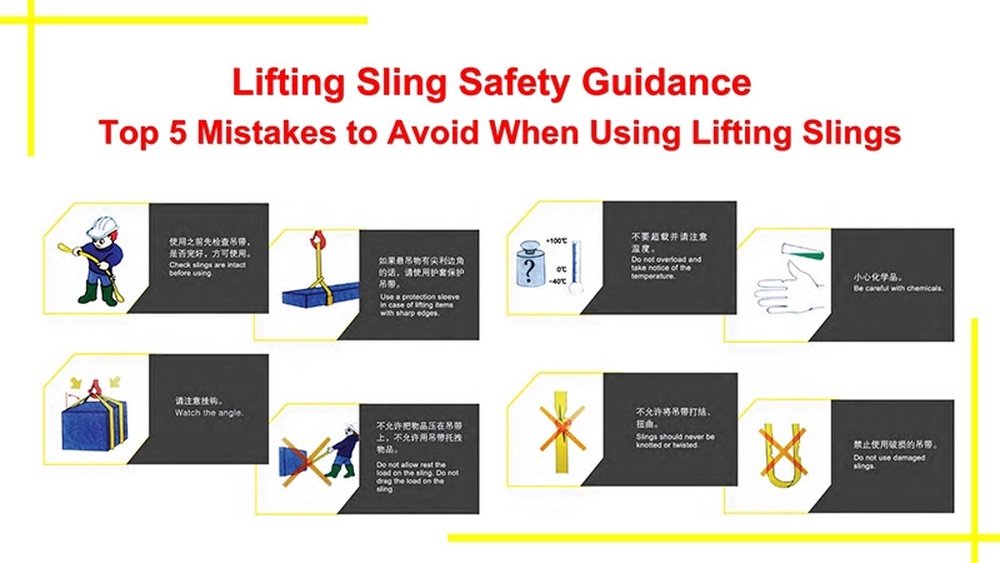
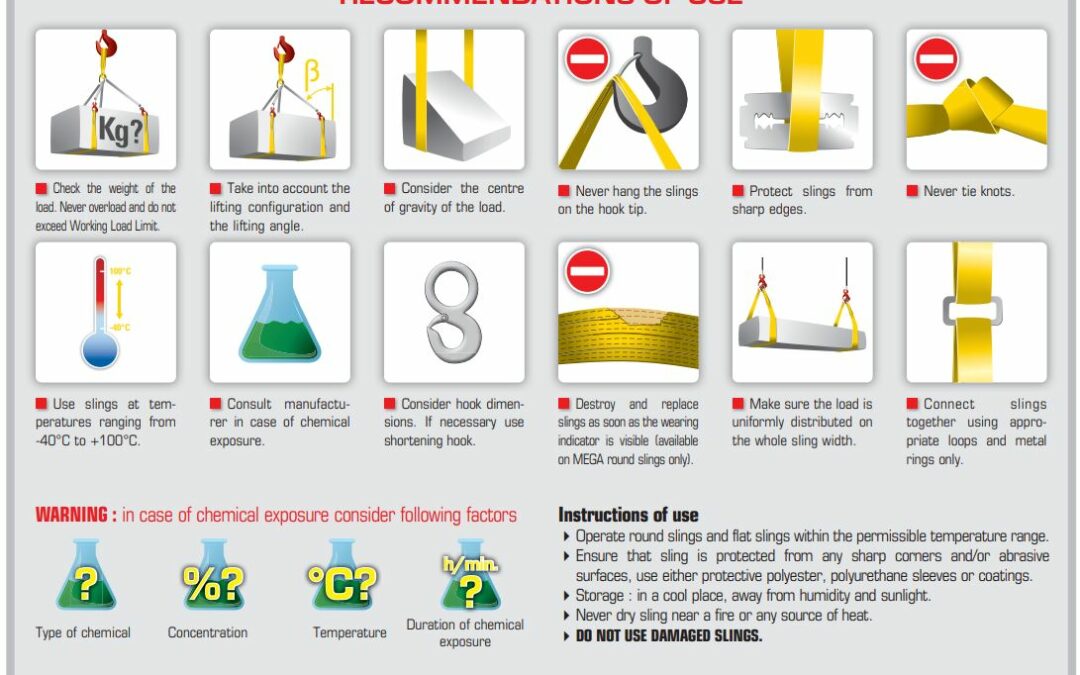
Straps must lie flat and smooth during lifts. Twisting weakens the strap’s strength. It can cause sudden breaks or slips. Avoid catching straps on sharp edges or corners. These can cut or fray the material quickly. Check the strap position before each lift. Smooth out any twists or folds. This keeps the load secure and your hands protected.
Using Damaged Straps
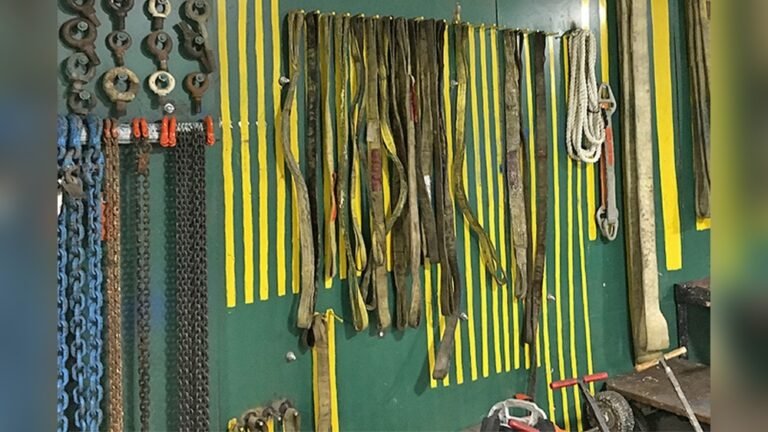
Never use straps with visible damage. Cuts, frays, or worn spots reduce their strength. Damaged straps can fail under heavy load. Inspect straps regularly for signs of wear. Replace any straps that show damage immediately. Using damaged gear risks serious injury. Keep your lifting safe by using only intact straps.
Ignoring Circulation Issues
Straps that are too tight can cut off blood flow. This causes numbness or tingling in your hands. Pay attention to how tight you wrap the straps. Loosen them if your hands feel numb or cold. Proper circulation helps maintain grip and prevents injury. Adjust straps to stay secure but comfortable during every lift.
Inspecting And Maintaining Straps
Proper inspection and maintenance of lifting straps ensure safe and effective use. Straps face daily stress and must stay strong to support heavy loads. Regular checks prevent accidents caused by worn or damaged gear. Simple care routines extend strap life and keep performance reliable.
Regular Wear And Tear Checks
Look over straps before every use. Check for cuts, frays, or broken stitching. Feel for weak spots or thin areas. Inspect the metal parts for rust or bending. Any damage weakens the straps. Do not use straps that show signs of wear. Safety depends on strong, intact equipment.
Cleaning And Storage Tips
Keep straps clean from dirt and sweat. Use mild soap and water to wash them gently. Avoid harsh chemicals that damage fabric fibers. Dry straps fully before storing to stop mold and mildew. Store straps in a cool, dry place away from sunlight. Proper storage prevents material breakdown and keeps straps ready.
When To Replace Straps
Replace straps immediately if you find tears or deep cuts. Straps with worn stitching or broken metal parts need replacement too. Do not ignore signs of damage or weakness. Old straps lose strength and risk failure. Regular replacement protects you from injury and equipment damage.
Safety Practices During Lifting
Using lifting straps can boost your grip and performance. Safety practices during lifting protect your body and prevent injuries. These tips help you lift objects with control and care.
Proper Body Mechanics
Bend your knees, not your back, when lifting. Keep your back straight and core tight. Use your legs to do most of the work. Avoid twisting your body during the lift. This reduces strain on your spine.
Keeping Close To The Body
Hold the load close to your body at all times. This lowers the stress on your arms and back. Keeping the weight near your center of gravity improves balance. It also helps you control the object better.
Using Spotters When Needed
Have a spotter when lifting heavy or awkward items. Spotters help guide and steady the load. They can assist if you lose your grip or balance. Always communicate clearly with your spotter before lifting.
Enhancing Grip Without Straps
Enhancing grip without lifting straps is key to safer and stronger workouts. Developing natural grip strength reduces dependence on gear. It also helps prevent injuries caused by slipping or poor hold. Some simple methods and tools can improve your grip effectively. Focus on these techniques to lift confidently without straps.
Building Grip Strength
Grip strength improves with regular, targeted exercises. Use hand grippers to squeeze and release. Perform farmer’s carries by holding heavy weights in each hand and walking. Dead hangs from a pull-up bar also build endurance in your hands. Do wrist curls with light dumbbells to strengthen forearms. These exercises make your grip stronger over time.
Alternative Grip Aids
Several tools help improve grip without using lifting straps. Chalk absorbs sweat and reduces slipping. Gloves provide padding and better hold on bars. Tape wrapped around fingers or palms adds extra friction. Some use rubber grips or pads designed for weightlifting. These aids increase grip safety and comfort during lifting sessions.
Credit: www.gymreapers.com

Credit: www.adora-ict.com
Frequently Asked Questions
What Are The 7 Safe Lifting Techniques?
The 7 safe lifting techniques are: bend knees, keep back straight, secure footing, hold load close, avoid twisting, lift smoothly, and use proper grips.
How To Use Lifting Straps Correctly?
Loop straps snugly around wrists, wrap ends tightly around the bar towards the inside. Tighten by pulling back straps and gripping firmly. Keep wrists supported without cutting circulation. Maintain a straight back and firm footing during lifts for safety.
What Is The Safety Factor Of Lifting Straps?
The safety factor of lifting straps is typically 5:1, meaning they support five times their rated load. Always check manufacturer ratings before use.
What Are The Safety Precautions For Lifting?
Bend your knees and keep your back straight. Secure a firm footing before lifting. Hold the load close to your body. Avoid twisting while carrying. Inspect equipment and use qualified assistance.
Conclusion
Using lifting straps correctly keeps you safe and protects your body. Always check the straps for damage before each use. Wrap the straps tightly to avoid slipping during lifts. Keep your back straight and bend your knees while lifting. Avoid twisting your body to prevent injury.
Practice good form and use straps only when necessary. These simple habits help you lift safely and build strength over time. Stay cautious and respect your limits for better results. Safety first, every time you lift.