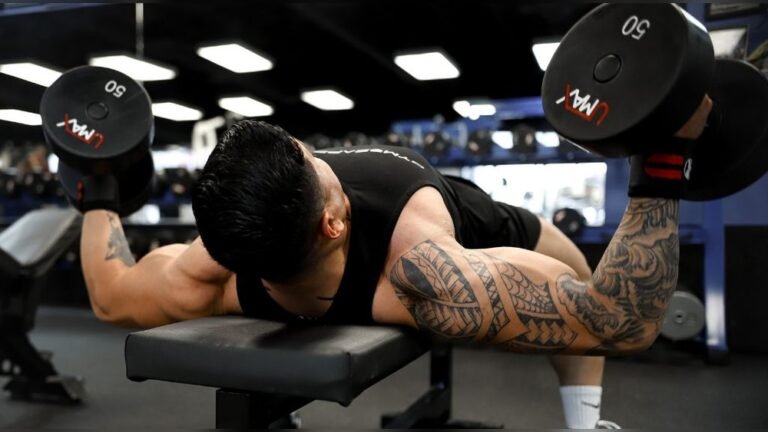
When you’re pushing your limits in the gym, wrist wraps can be a game changer. They offer crucial support that helps protect your wrists during heavy lifts and intense workouts.
But here’s the thing—if you don’t use them the right way, wrist wraps might do more harm than good. You want to avoid injuries and get the most from your training, right? That’s why knowing the safety tips for wrist wraps is essential for you.
You’ll discover simple yet powerful ways to use wrist wraps correctly, when to rely on them, and when to hold back. Keep reading to protect your wrists and boost your performance safely every time you train.
Benefits Of Wrist Wraps
Wrist wraps offer many benefits for weightlifters and fitness enthusiasts. They provide support and protection during heavy lifting. Using wrist wraps can help you lift more safely and effectively. Understanding their benefits helps you use them correctly and avoid injury.
Improved Wrist Stability
Wrist wraps keep your wrist in a stable position. This support reduces unwanted movement during lifting. Stability helps maintain proper form. It prevents your wrist from bending in harmful ways. This control is important for exercises like bench presses and overhead lifts.
Enhanced Lifting Performance
With wrist wraps, you can lift heavier weights more comfortably. The added support reduces wrist fatigue. This lets you focus on the main muscles you want to work. Wrist wraps help you push through tough sets. They improve your strength and endurance during workouts.
Reduced Injury Risk
Wrist wraps protect your wrists from strain and injury. They limit excessive bending and twisting. This lowers the chance of sprains and strains. Using wraps helps those with weak or recovering wrists. They provide extra care during heavy or repetitive lifting.
Credit: www.ergodyne.com
Proper Application Techniques
Proper application techniques are essential to get the most support from wrist wraps. Using the right method prevents injury and improves performance. Learning how to apply wraps correctly keeps your wrists stable and safe during workouts.
Choosing The Right Wrap Length And Material
Select wrist wraps that fit your wrist size and workout type. Shorter wraps work well for light support. Longer wraps provide more stability for heavy lifts. Cotton blends offer breathability and comfort. Elastic materials give extra stretch and tightness. Choose a material that feels good and meets your support needs.
Correct Wrapping Method
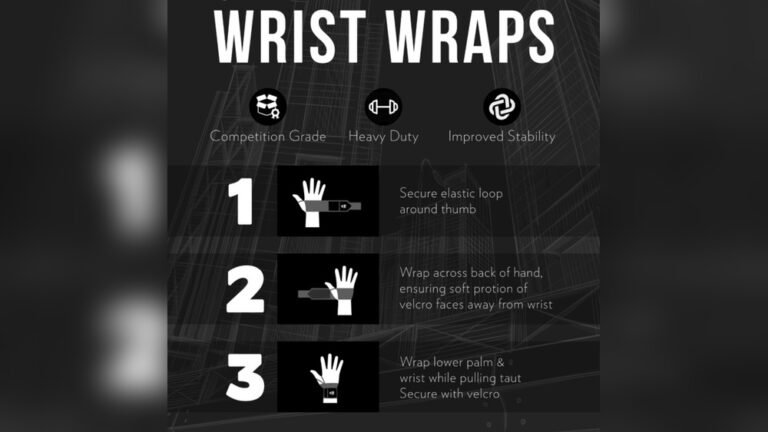
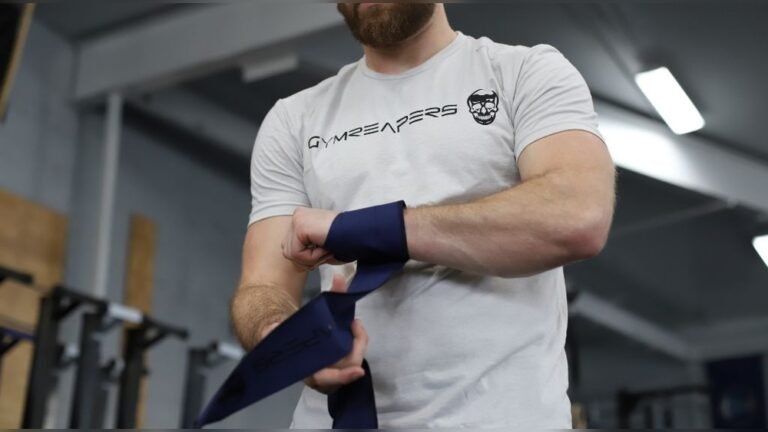
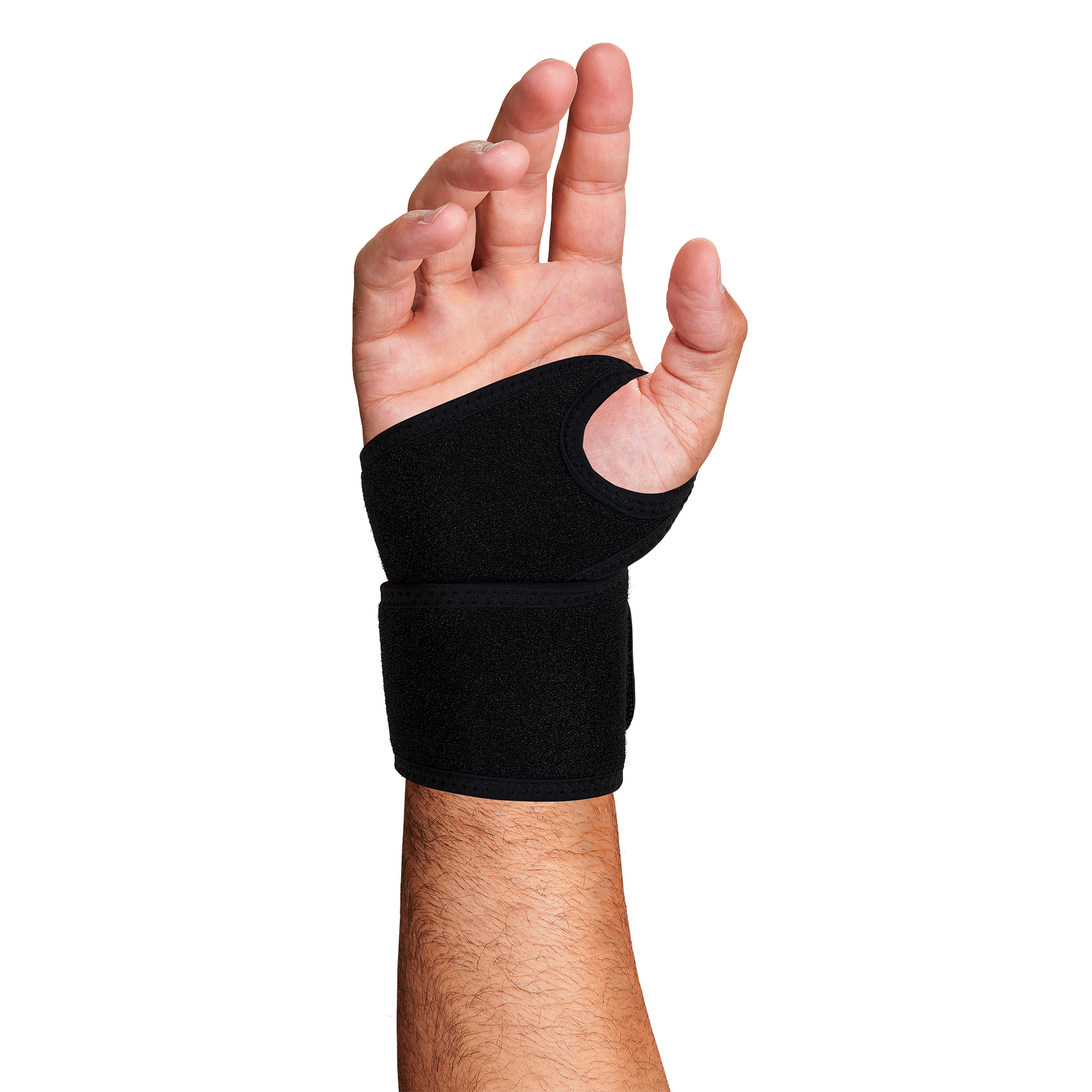
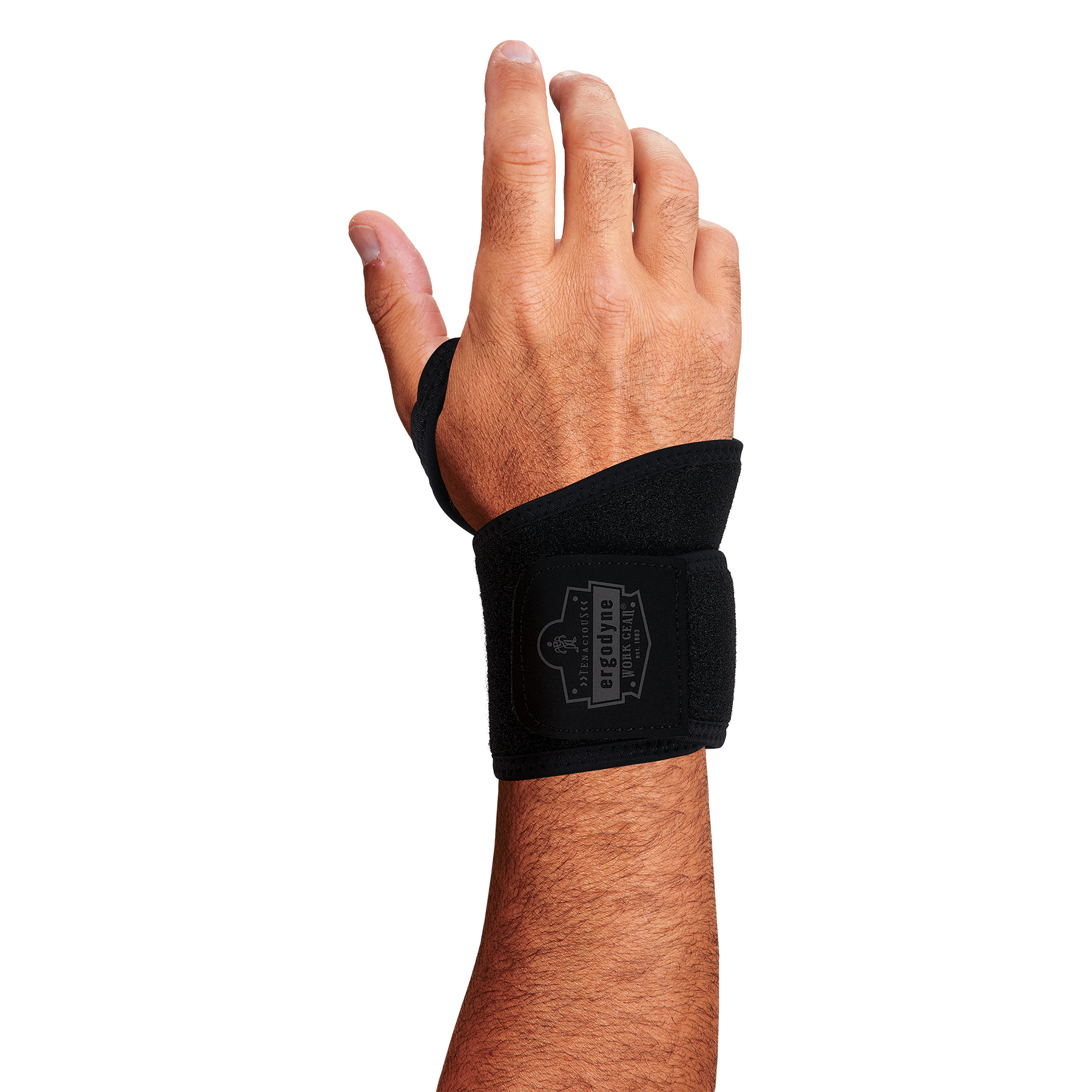
Start by placing the thumb loop around your thumb. Wrap the fabric around your wrist, keeping it snug but not too tight. Overlap each pass slightly to avoid gaps. Wrap from the base of your hand towards the forearm. Avoid wrapping too far into your palm or fingers. This ensures good wrist movement while securing the joint.
Securing The Wraps Effectively
Finish by fastening the wrap with the Velcro strap. Pull the wrap tight enough to feel firm support. Avoid cutting off blood flow or causing numbness. Check that the wrap stays in place during movement. Adjust if it loosens or causes discomfort. Proper security keeps your wrists stable throughout your workout.
When To Use Wrist Wraps
Wrist wraps provide extra support during certain workouts. Knowing when to use them helps prevent injury. Using wrist wraps only at the right time keeps your wrists strong and flexible. Overuse can lead to dependence and weaker wrists. Use them mainly for challenging lifts and intense training sessions.
Heavy Lifting And Max Attempts
Use wrist wraps for heavy lifting sessions. They stabilize your wrist joint under high pressure. During max attempts, wraps help maintain good form. They reduce strain and risk of injury. This support lets you lift heavier weights safely. Avoid using wraps for light lifts or warm-ups.
High Volume Training Days
On days with many sets and reps, wrists can get tired. Wrist wraps reduce fatigue by offering extra support. They help maintain performance throughout the workout. Using wraps during high volume training prevents wrist pain. Give your wrists a break while still training hard.
Pressing Movements
Pressing exercises put a lot of stress on wrists. Wraps keep wrists aligned and stable during presses. They are useful for bench press, overhead press, and similar moves. Wrist wraps improve control and reduce discomfort. Use wraps to protect wrists during heavy or intense pressing work.
When To Avoid Wrist Wraps
Wrist wraps provide strong support during heavy lifting. Yet, they are not always the best choice. Using wrist wraps at the wrong time can stop your wrists from growing stronger naturally. It may also hide poor technique or cause dependence on the wraps. Knowing when to avoid wrist wraps helps keep your wrists safe and healthy.
During Warm-ups And Light Sets
Wrist wraps are not needed during warm-ups or light sets. These lighter exercises help your wrists get ready for heavy work. Wrapping your wrists during warm-ups can block this natural preparation. It stops your wrists from adjusting and getting stronger. Use wrist wraps only when the weight is heavy enough to strain your wrists.
Mobility And Wrist Strengthening Exercises
Wrist wraps limit your wrist movement. This can reduce the benefit of mobility exercises. These exercises improve your wrist flexibility and strength. Wearing wraps during these exercises can slow your progress. Let your wrists move freely to build natural strength and flexibility. Avoid wrist wraps in exercises aimed at wrist health.
Exercises Not Limited By Grip
Some exercises do not rely on grip strength. For example, leg presses or back extensions. Using wrist wraps here does not help and may hide weak points. Your grip might not be the limiting factor in these moves. Avoid wrist wraps to see where your true weaknesses are. This helps you improve safely and effectively.
Risks Of Overusing Wrist Wraps
Wrist wraps offer solid support during heavy lifting. Yet, overusing them can lead to several risks. Understanding these risks helps you use wrist wraps safely. Avoid relying on them too much to keep your wrists healthy and strong.
Grip Strength Decline
Wrist wraps reduce the effort your grip must make. Over time, this leads to weaker grip muscles. Weak grip strength affects many exercises and daily tasks. Your hands may tire faster without wrist wraps. Build grip strength naturally by limiting wrist wrap use.
Dependency And Weakness
Relying on wrist wraps all the time causes dependency. Your wrist muscles do not work as hard. This results in weaker wrists and less stability. Weak wrists increase the chance of injury during lifting. Use wraps only when needed to avoid this problem.
Masking Underlying Pain
Wrist wraps can hide pain or discomfort during workouts. Masking pain prevents you from noticing real wrist problems. Ignoring pain may worsen injuries over time. Treat wrist pain properly instead of covering it with wraps. Listen to your body and rest when needed.
Credit: www.ergodyne.com
Differences Between Wraps And Straps
Wrist wraps and lifting straps often confuse many gym-goers. Both help during lifting but serve different purposes. Understanding these differences helps keep your workouts safe and effective. Knowing when to use each tool protects your wrists and improves performance.
Wrist Wraps For Support
Wrist wraps provide firm support to the wrist joint. They reduce strain during pressing exercises like bench press or overhead press. Wraps stabilize the wrist in a neutral position. This prevents bending that may cause injury. They are ideal for heavy lifts that stress the wrist.
Lifting Straps For Grip Assistance
Lifting straps help improve grip on the bar or dumbbell. They wrap around the wrist and the bar to reduce grip fatigue. Straps allow you to lift heavier weights without losing hold. They work well for pulling exercises like deadlifts or rows. Straps do not provide wrist joint support.
Choosing Based On Exercise Type
Select wrist wraps for exercises needing wrist stability and support. Choose lifting straps for movements where grip limits your strength. Avoid using straps on exercises where grip is not a factor. Use wrist wraps sparingly to avoid dependency and maintain wrist strength. Correct use reduces injury risk and improves your lifting results.
Maintaining Wrist Health
Maintaining wrist health is crucial for anyone using wrist wraps regularly. Proper care helps prevent injuries and ensures long-term joint strength. Wrist wraps provide support but should not replace natural wrist conditioning. Balance wrap use with exercises and rest to keep wrists strong and pain-free.
Wrist Strengthening Exercises
Strengthen your wrists with simple exercises. Wrist curls using light weights improve muscle endurance. Wrist rotations increase joint flexibility. Squeezing a soft ball boosts grip strength. Perform these exercises two to three times a week. Strong wrists reduce the risk of injury during heavy lifts.
Proper Recovery And Rest
Rest is vital for wrist health. Avoid overusing wrist wraps in every session. Give your wrists time to recover after intense workouts. Apply ice if you feel swelling or stiffness. Gentle stretching can help reduce muscle tension. Listen to your body and avoid pushing through pain.
Monitoring Pain And Discomfort
Pay attention to any wrist pain or discomfort. Mild soreness is normal but sharp pain is a warning. Stop using wrist wraps if pain persists. Seek advice from a healthcare professional for lasting issues. Early detection prevents serious injuries. Never ignore signals from your wrists.

Credit: www.fightsense.com
Tips For Safe Lifting With Wraps
Using wrist wraps can boost your lifting performance and protect your wrists. Safe use of wraps ensures you avoid injuries and get the best support. Follow these simple tips to lift safely with wrist wraps.
Avoiding Excessive Tightness
Wraps should feel snug but not painful. Too tight wraps can reduce blood flow and cause numbness. Start wrapping with light pressure and adjust as needed. Loosen the wrap if you feel tingling or discomfort. Proper tightness supports your wrist without restricting movement.
Balancing Wrap Use With Natural Strength
Use wrist wraps only during heavy lifts or max attempts. Avoid using wraps for warm-ups or light sets. This helps your wrists build natural strength over time. Relying too much on wraps can weaken your wrist muscles. Train your wrists both with and without wraps for best results.
Regularly Inspecting Wrap Condition
Check your wraps for signs of wear or damage before each session. Look for tears, frayed edges, or stretched fabric. Damaged wraps offer less support and can break during lifting. Replace your wraps if you notice any defects. Clean them regularly to keep material strong and flexible.
Frequently Asked Questions
How To Secure Wrist Wraps?
Secure wrist wraps by sliding your thumb through the loop, wrap tightly around the wrist, and fasten the Velcro. Ensure snugness without cutting off circulation for optimal support.
How To Strengthen Wrists To Prevent Injury?
Strengthen wrists by doing wrist rotations, wrist curls, and grip exercises daily. Stretch before workouts and avoid overusing wrist wraps. Gradually increase load to build resilience and prevent injury.
When Should You Not Use Wrist Straps?
Avoid wrist straps during warm-ups, light lifts, mobility exercises, or when building natural wrist and grip strength. Do not use them if chronic pain exists without addressing its cause. Skip straps when grip isn’t the limiting factor to prevent dependency and maintain proper form.
How To Properly Wrap A Wrist Injury?
Start with a clean, dry wrist. Place the wrap around the wrist, securing the thumb loop first. Wrap tightly but comfortably, overlapping layers. Ensure firm support without cutting circulation. Finish by securing the end with the Velcro strap for stability and protection.
Conclusion
Wrist wraps can protect your wrists during heavy lifting. Use them properly to avoid injury and improve support. Don’t rely on wraps for all exercises; let your wrists build natural strength. Always wrap snugly but not too tight to keep blood flowing.
Listen to your body and stop if you feel pain. Following these simple safety tips helps you train smarter and safer every time. Stay consistent and take care of your wrists for long-term fitness success.