Choosing the right barbell set can feel overwhelming. With so many sizes, weights, and types out there, how do you know what fits your needs best?
Whether you’re setting up a home gym or upgrading your equipment, understanding the size guide for barbells is key to maximizing your workouts and avoiding injury. In this guide, you’ll discover exactly how to pick the perfect barbell set tailored to your strength goals and space.
Keep reading to make your next lift smarter, safer, and more effective.

Credit: midwaysports.com
Barbell Types
Barbells come in different types, each designed for specific workouts and goals. Choosing the right barbell helps improve your training and safety. Understanding the main barbell types can guide your purchase and use.
Barbells vary in length, weight, and thickness. These differences affect how you lift and what exercises you can do. Here are the most common types you will find in gyms and home setups.
Standard Barbells
Standard barbells usually weigh around 15 to 25 pounds. They have a fixed length of about 5 to 6 feet. The grip area is smooth or slightly knurled for better hold. These bars use smaller weight plates with a 1-inch hole. They are great for beginners and light lifting.
Olympic Barbells
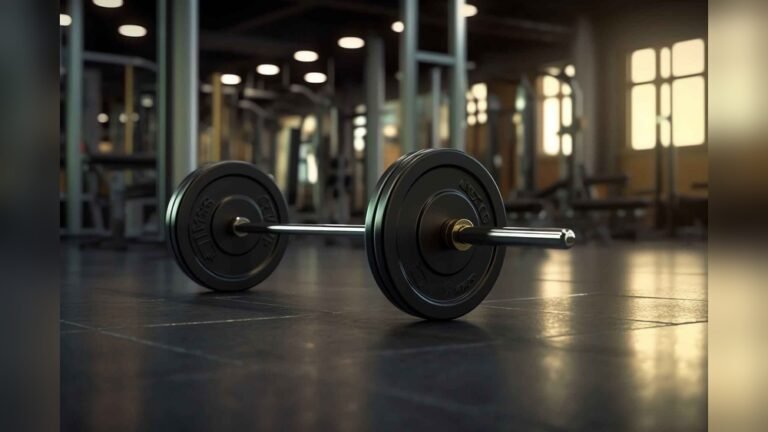
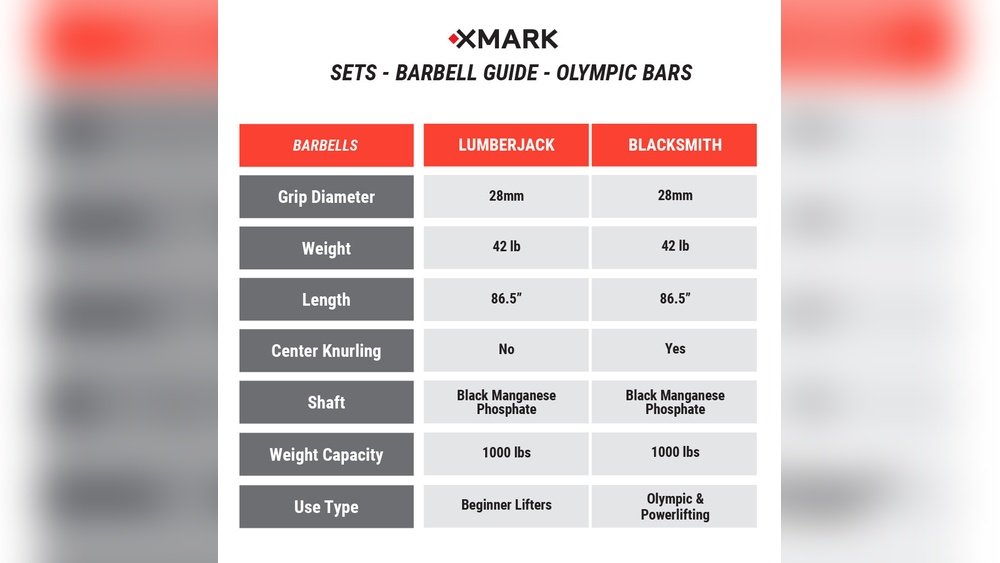
Olympic barbells are longer and heavier, typically 7 feet and 44 pounds. They have a 2-inch diameter sleeve that spins freely. This spinning helps reduce wrist strain during lifts like clean and jerk. Olympic bars hold larger weight plates used in competitions. They suit serious lifters and athletes.
Specialty Barbells
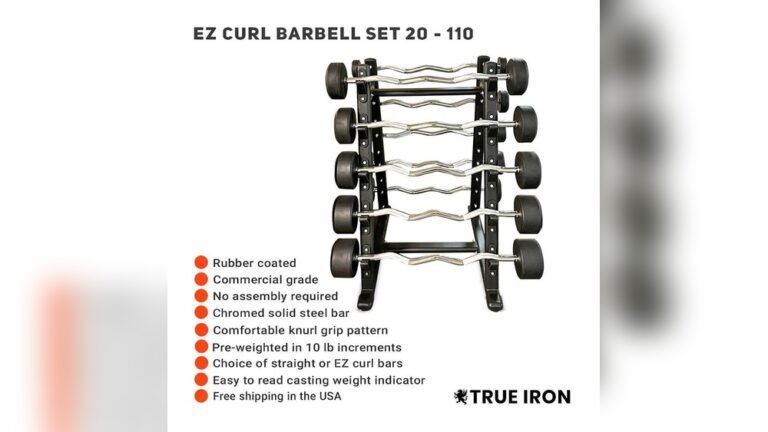
Specialty barbells include trap bars, safety squat bars, and curl bars. Each type targets specific muscles or lifts. Trap bars have a hex shape for deadlifts and shrugs. Safety squat bars add padding and handles for squats. Curl bars have a curved shape for arm exercises. These barbells offer variety and comfort.

Credit: xmarkfitness.com
Barbell Sizes
Choosing the right barbell size is important for effective workouts. Different exercises and user needs require specific barbell dimensions. Understanding barbell sizes helps you pick the perfect set for strength training or general fitness.
Barbells vary in length, diameter, and weight plate size. Each aspect affects your grip, lift, and workout comfort. This guide explains these size differences clearly.
Length Variations
Barbell length ranges from about 4 feet to 7 feet. Standard barbells are usually 7 feet long. Shorter bars are common for home gyms or beginners. Longer bars provide more space for weight plates and grip options. Choose length based on your workout space and exercise type.
Diameter Differences
The diameter of the barbell shaft affects your grip. Most standard barbells have diameters between 25mm and 29mm. Olympic barbells typically measure 28mm or 29mm. Thicker bars offer a stronger grip but can be harder to hold for small hands. Thinner bars suit those with smaller hands or beginners.
Weight Plate Dimensions
Weight plates fit on barbells and come in various sizes. Standard plates usually have a 1-inch hole. Olympic plates have a 2-inch hole to fit thicker bars. Plates vary in diameter and thickness depending on weight. Larger plates are easier to load and provide better stability during lifts.
Choosing The Right Size
Choosing the right size barbell set is key to safe and effective workouts. The size affects your grip, balance, and lifting performance. Picking the wrong size can cause discomfort or injury. Consider your personal needs carefully before buying.
Several factors help determine the best size for you. These include your fitness goals, body size, and where you plan to use the barbell. Each factor shapes the ideal barbell set for your training.
Based On Fitness Goals
Your training goals guide the barbell size choice. For strength training, choose a heavier, longer barbell. Powerlifters prefer bars that hold more weight plates. For general fitness, a medium-weight barbell works well. Lighter barbells suit beginners and those focusing on endurance or mobility.
Considering User Height And Strength
Your height affects barbell length and grip width. Taller users need longer bars for comfortable lifts. Shorter lifters benefit from shorter barbells for better control. Strength level also matters. Stronger users require barbells that support heavy loads. Beginners should start with lighter, manageable sizes to build confidence.
Home Gym Vs Commercial Gym Use
Barbells for home gyms differ from commercial ones. Home gym barbells are usually smaller and lighter for easy storage. Commercial gyms use standardized barbells that fit all users. Choose a barbell size that fits your space and training style. Home setups favor versatile, compact bars. Commercial gyms need durable, heavy-duty barbells for many users.
Credit: www.powdercoatingonline.com
Weight Plate Selection
Selecting the right weight plates is crucial for building strength safely and effectively. Weight plate choice impacts your workout progress and comfort. Understanding plate types, increments, and compatibility helps you pick the best set for your barbell.
Plate Types And Materials
Weight plates come in various materials like cast iron, rubber, and steel. Cast iron plates are durable and affordable. Rubber-coated plates protect floors and reduce noise. Steel plates offer a sleek look and long-lasting use. Each type suits different workout needs and environments.
Weight Increments
Plates come in standard increments such as 1.25, 2.5, 5, 10, 25, 35, and 45 pounds. Smaller increments allow precise weight adjustments. This helps in gradual strength gains without risking injury. Choose increments that match your training goals and progress pace.
Plate Compatibility
Ensure plates fit your barbell’s sleeve diameter. Olympic barbells use 2-inch holes. Standard barbells use 1-inch holes. Using incompatible plates can cause safety issues. Check your barbell size before buying plates to avoid problems during workouts.
Barbell Set Features
The features of a barbell set define its performance and comfort. Choosing the right barbell depends on knowing these key aspects. Each feature affects your lifting experience and safety.
Below are important features to consider in a barbell set. They help in selecting the best option for your workout needs.
Knurling And Grip Options
Knurling is the textured pattern on the barbell’s grip area. It helps prevent slipping during lifts. Some bars have aggressive knurling for better hold. Others use mild knurling to protect the skin. Grip thickness also varies to fit different hand sizes. Choose a barbell with comfortable knurling and grip for your exercises.
Sleeve Types And Bearings
Sleeves are the ends of the barbell where weights slide on. They rotate to reduce wrist strain and improve lift smoothness. Some sleeves use bushings, while others have bearings for better rotation. Bearings offer faster spin, good for Olympic lifts. Bushings provide durability and stability. Sleeve length and diameter also vary by barbell type.
Durability And Build Quality
Durability depends on the materials and finish used in the barbell. High-quality steel increases strength and lifespan. Look for bars with corrosion-resistant coatings like chrome or black oxide. Solid welds and tight fittings ensure long-term use without damage. A durable barbell stands up to heavy lifting and daily wear.
Safety Tips
Using a barbell set safely protects you from injuries. Following safety tips ensures a smooth workout experience. This section covers key points for safe use of your barbell set.
Proper Handling
Always lift the barbell with control and steady movements. Avoid sudden jerks to prevent muscle strain. Use a firm grip to keep the bar from slipping. Check your posture before lifting weights. Do not overload the barbell beyond your strength. Use collars or clips to secure weight plates firmly. Ask for help with heavy lifts if needed.
Storage Recommendations
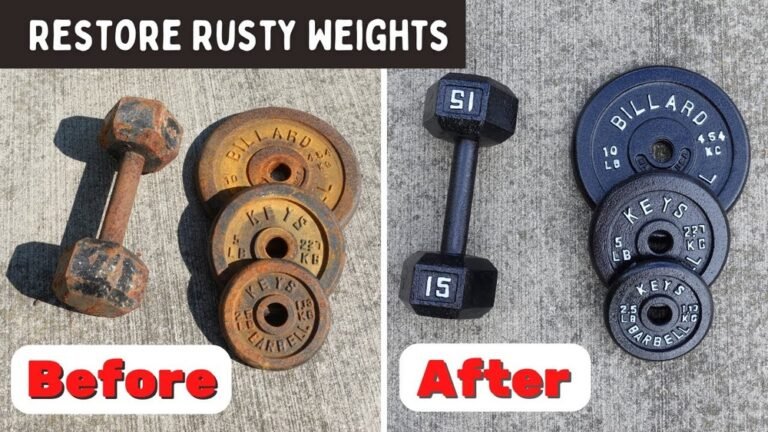
Store your barbell set in a dry, clean area. Keep it off the floor to avoid rust and damage. Use a rack or wall mount designed for barbells. Avoid stacking heavy weights on top of the barbell. Separate plates by size to prevent confusion. Regularly inspect the storage space for hazards. Keep the area free of clutter to reduce accidents.
Maintenance Practices
Clean the barbell regularly with a dry cloth. Remove sweat and dust to prevent corrosion. Apply light oil to the bar’s moving parts if needed. Check for cracks or bends before use. Tighten any loose parts or screws. Replace worn-out collars or clips immediately. Proper maintenance extends the life of your barbell set.
Budget Considerations
Budget plays a key role when choosing a barbell set. Different price points offer various features and quality levels. Understanding budget options helps you pick the best set without overspending. This guide divides barbell sets into three main categories: entry-level, mid-range, and premium. Each category fits different needs and wallets.
Entry-level Sets
Entry-level barbells cost less and suit beginners. These sets often include basic bars and plates. They are lighter and made from standard materials. Entry-level sets work well for light workouts and home gyms. Expect simpler designs and fewer extras. These barbells may not last as long but offer good value for the price.
Mid-range Options
Mid-range barbells provide better quality and durability. They use stronger steel and thicker plates. These sets fit intermediate lifters and frequent use. Mid-range barbells often include features like knurling for grip and balanced weight distribution. They cost more but offer longer life and better performance. This range suits users wanting a solid upgrade from beginner sets.
Premium Barbell Sets
Premium barbells are for serious lifters and professionals. They use top-grade steel with advanced engineering. These sets offer precise weight standards and excellent balance. Premium barbells often include features like reinforced sleeves and corrosion resistance. They cost the most but last for years of heavy use. Choose premium sets for high performance and durability.
Frequently Asked Questions
Do I Need A 6ft Or 7ft Barbell?
Choose a 6ft barbell for smaller spaces and beginners. Pick a 7ft barbell for standard workouts and heavier lifting.
How To Tell If Bar Is 35 Or 45?
Check the bar’s length and diameter: a 35-pound bar is shorter and thinner than a 45-pound bar. Standard 45-pound bars measure 7 feet and 28mm diameter. Use a scale for precise weight verification.
Are 45 Pound Plates Actually 45 Pounds?
Yes, 45-pound plates generally weigh 45 pounds. Minor weight variations can occur due to manufacturing tolerances.
Is A Barbell 40 Or 45lbs?
A standard Olympic barbell weighs 45 lbs (20. 4 kg). Some training bars can weigh 40 lbs, but 45 lbs is most common.
Conclusion
Choosing the right barbell size helps improve your workout experience. Different barbells suit different exercises and strength levels. Knowing the length, weight, and diameter matters a lot. This guide simplifies your decision and saves time. Use it to find a barbell that fits your needs.
Start lifting with confidence and proper equipment. Stay consistent and enjoy your fitness journey.