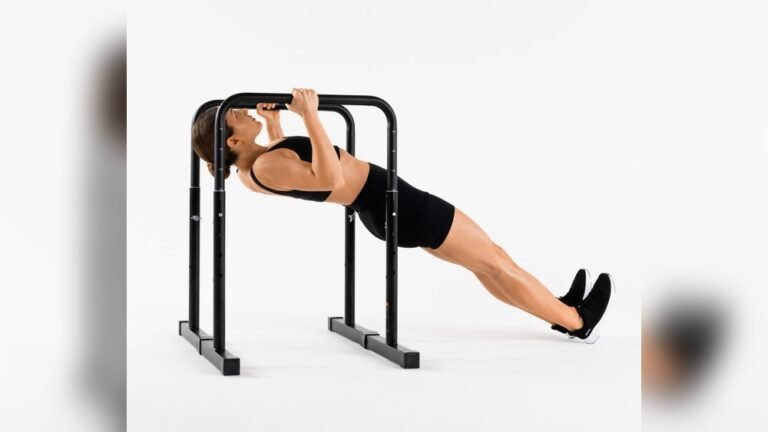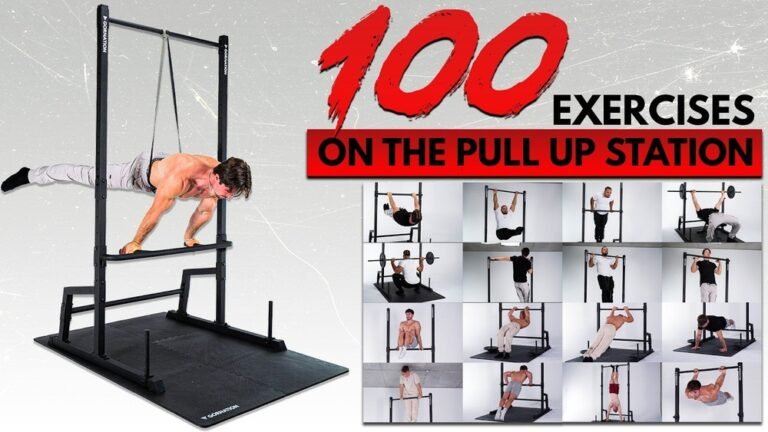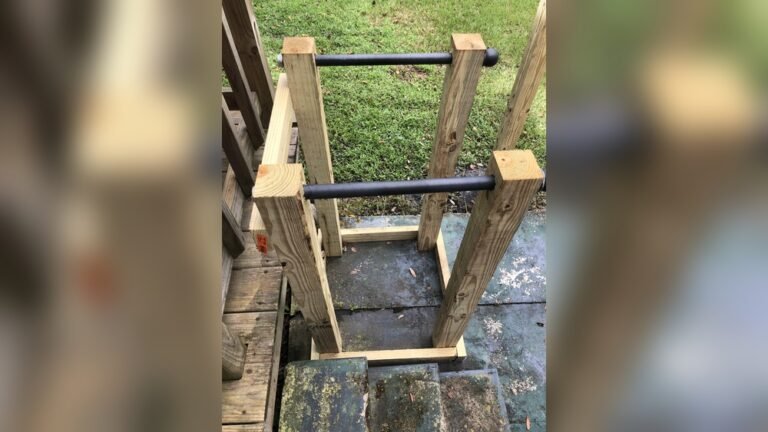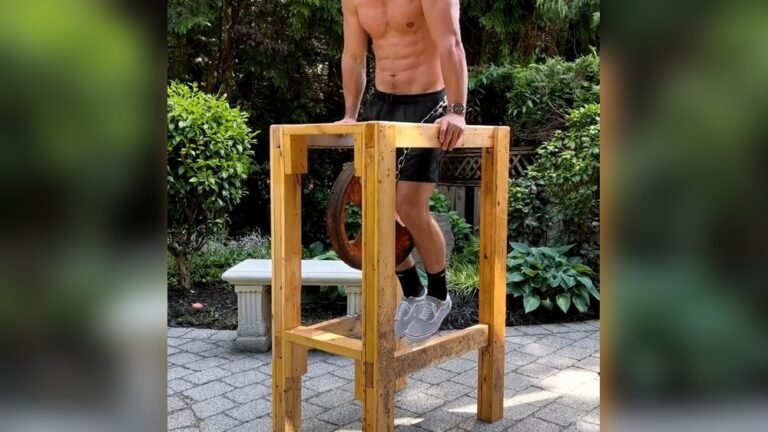
Are you ready to take your dip workouts to the next level? Getting the right size dip station can make all the difference in your performance and safety.
Whether you’re a beginner or a seasoned fitness enthusiast, knowing the ideal height and width for your dip bars is key to maximizing your strength gains while protecting your shoulders and wrists. In this guide, you’ll discover simple tips to find the perfect dip station size tailored just for you.
Keep reading to unlock the secret to better dips and smoother progress!

Credit: www.magic-vacation.com
Choosing Dip Bar Width
Choosing the right dip bar width is crucial for effective workouts. The width affects muscle engagement and joint comfort. Picking the correct size ensures better performance and reduces injury risk. This guide helps you understand how to select the best dip bar width for your needs.
Standard Widths And Measurements
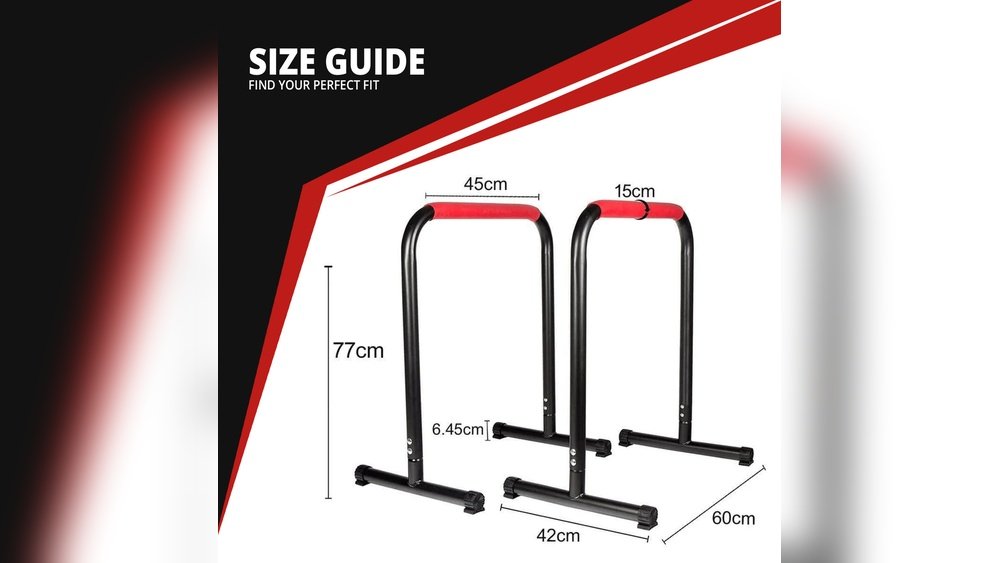
Most dip bars range between 12 to 24 inches wide. The common width is about shoulder-width apart. This size fits most body types and provides balanced support. Adjustable bars let you change the width for different exercises. Measure your shoulder width for a more personalized fit.
Wide Vs Narrow Grip Effects
A narrow grip targets the triceps and chest more. It keeps your arms close to the body. A wide grip activates the shoulders and chest differently. It can increase the stretch but may strain the joints. Both grips add variety but choose based on your strength goals.
Shoulder And Wrist Safety
Too wide a grip can stress your shoulders and wrists. It may cause pain or injury over time. Keep bars at a comfortable width to avoid strain. Proper form and controlled movement help protect joints. Stop if you feel sharp pain and adjust the width.
Determining Dip Bar Height
Determining the right dip bar height is key for effective and safe workouts. The correct height supports good form and reduces injury risk. It lets you move freely without touching the ground or feeling cramped. Choosing dip bars too low or too high can strain your shoulders and wrists.
Height depends on your skill level, body size, and workout style. Beginners need different settings than those adding extra weight. Taller users also require special height adjustments. Understanding these factors helps you pick the perfect dip bar height for your needs.
Recommended Heights For Beginners
Beginners should start with dip bars set at about elbow height. This allows easy support when lowering and pushing up. Bars too high or low cause poor form and stress joints. Around 40 to 45 inches off the ground works well for most adults. This height keeps feet clear from the floor during dips.
Adjusting Height For Weighted Dips
Weighted dips need more clearance below the bars. Extra space prevents your feet or weights from hitting the floor. Raise dip bars 2 to 4 inches higher than your normal dip height. This ensures smooth movement and full range of motion. Avoid bars that are too high, which can reduce stability.
Height Considerations For Tall Users
Tall users require taller dip bars for comfort and safety. Bars should be at least 2 to 4 inches above elbow height. This adjustment stops hips from hitting bars during dips. Taller bars allow full arm extension without bending knees too much. Measure your arm length and adjust bars accordingly for best results.
Grip Style And Bar Shape
The grip style and bar shape of a dip station affect your workout comfort and results. Choosing the right combination helps protect your joints and targets muscles effectively. Understanding the differences in bar design improves your dip technique and safety.
Straight Vs Angled Bars
Straight bars offer a classic, firm grip. They keep your wrists in a neutral position. Angled bars tilt slightly outward or inward. This reduces wrist strain and feels more natural for many users. Angled bars also allow varied hand positions, adding exercise variety. Choose bars that fit your wrist comfort and workout goals.
Grip Positioning Tips
Place your hands shoulder-width apart for balanced support. Keep your wrists straight and avoid bending them too much. Hold the bars firmly but not too tight to prevent fatigue. Adjust your grip width slightly based on your shoulder size. Experiment with grip positions to find what feels best and maintains control during dips.
Impact On Muscle Activation
Grip style and bar shape influence which muscles work hardest. Straight bars focus more on the triceps and chest. Angled bars engage the shoulders and chest differently. Narrow grips emphasize triceps, while wider grips target chest muscles. Small changes in grip can shift muscle activation and improve overall strength development.

Credit: marciodidier.com.br
Customizing For Body Type
Customizing a dip station to fit your body type improves workout effectiveness and comfort. Every person has unique shoulder width, arm length, and body shape. Adjusting the dip station can prevent strain and boost performance. A well-fitted station supports proper form and reduces injury risk.
Adapting Width For Shoulder Size
Set the dip bars to match your shoulder width. Bars too wide cause shoulder pain and reduce strength. Bars too narrow limit movement and feel awkward. Align bars so your hands sit just outside your shoulders. This position keeps your joints safe and muscles active.
Adjusting For Arm Length
Consider your arm length when choosing dip station height and depth. Longer arms need more space to move freely. Short arms require shorter bars for better control. Adjust bar height so your elbows bend naturally without overextending. This helps maintain smooth, safe dips.
Ergonomics For Comfort
Comfort matters during dips to avoid injury and fatigue. Padding on bars reduces pressure on wrists and hands. Angled grips support natural wrist position and reduce strain. Make sure the station allows easy entry and exit. Comfortable design encourages longer, more consistent workouts.
Installation And Space Requirements
Installing a dip station requires careful planning of space and setup. Proper installation ensures safety and comfort during workouts. Consider where you want to place it and how much room you need. This section explains key points about installation and space needs.
Indoor Vs Outdoor Setup
Dip stations can be set up indoors or outdoors. Indoor setups protect the equipment from weather damage. They also offer a controlled environment for workouts. Outdoor setups provide fresh air and more space. Choose a weather-resistant model for outdoor use. Make sure the surface is level and stable in either setup.
Portable Dip Stations
Portable dip stations offer flexibility and easy storage. They are lightweight and can be moved quickly. These stations suit small spaces and temporary setups. Check the weight limit before buying a portable model. Ensure it locks firmly in place during use. Portable options work well for apartments and travel.
Floor Space And Clearance
Allow enough floor space for safe movement around the dip station. A minimum area of 4 by 4 feet is ideal. Leave extra room for arm and leg movement. Clearance above the station should be at least 7 feet. This prevents hitting the ceiling during exercises. A flat, non-slip floor helps keep the station stable.

Credit: pipedreamfurniture.co.uk
Maintenance And Durability
Maintaining your dip station properly ensures it lasts longer and stays safe. Durability depends on how well you care for the equipment. Regular upkeep prevents damage and keeps your workouts smooth. Understanding key maintenance points helps extend the life of your dip station.
Material Choices
Dip stations come in various materials. Steel is strong and resists bending. Powder-coated steel prevents rust and adds durability. Aluminum models are lightweight but less sturdy. Plastic parts may wear out faster. Choose materials that suit your workout intensity and environment.
Routine Checks
Inspect your dip station regularly. Look for loose bolts or screws. Tighten any parts that feel wobbly. Check for rust or corrosion, especially on metal surfaces. Clean the bars after use to remove sweat and dirt. These simple steps keep the station safe and stable.
Extending Equipment Lifespan
Store your dip station in a dry place to avoid rust. Use protective covers if kept outside. Avoid overloading beyond the weight limit. Lubricate moving parts if the station has adjustable features. Replace worn-out parts promptly to prevent accidents and maintain function.
Frequently Asked Questions
What Is The Best Width For A Dip Station?
The best dip station width matches or slightly exceeds shoulder width. This reduces shoulder stress and improves strength safely.
What Height Should My Dip Bar Be?
Set your dip bars at least at elbow height or slightly higher. This height ensures full range of motion and safety during dips.
Is Wide Or Narrow Better For Dips?
A shoulder-width or slightly wider grip is best for dips. It ensures safety, reduces shoulder stress, and maximizes strength. Wide grips strain shoulders and wrists, while narrow grips limit range of motion. Keep your arms close to your body for optimal form and muscle engagement.
How Wide Should Your Arms Be When Doing Dips?
Grip the dip bars shoulder-width apart. Keep hands under shoulders and slightly outside hips. This ensures shoulder safety and effective muscle engagement.
Conclusion
Choosing the right dip station size improves your workout comfort and safety. Aim for bars about shoulder-width apart for best results. Make sure the height suits your body to avoid strain. Proper size helps maintain good form and builds strength effectively.
Remember, a well-fitted dip station supports steady progress. Keep these points in mind when selecting your dip station. A good fit means better training and fewer injuries. Stay consistent and enjoy your fitness journey with confidence.