Choosing the right fixed dumbbells can make a huge difference in your workouts. But with so many sizes and options, it’s easy to feel overwhelmed.
You want dumbbells that fit your strength level and goals perfectly, so you get the most from every rep. In this guide, you’ll discover how to pick the perfect size fixed dumbbells for your needs. Whether you’re just starting out or ready to push your limits, this will help you make smart choices that boost your progress.
Keep reading to find the ideal dumbbell size that matches your fitness journey.
Credit: gearmashers.com
Benefits Of Fixed Dumbbells
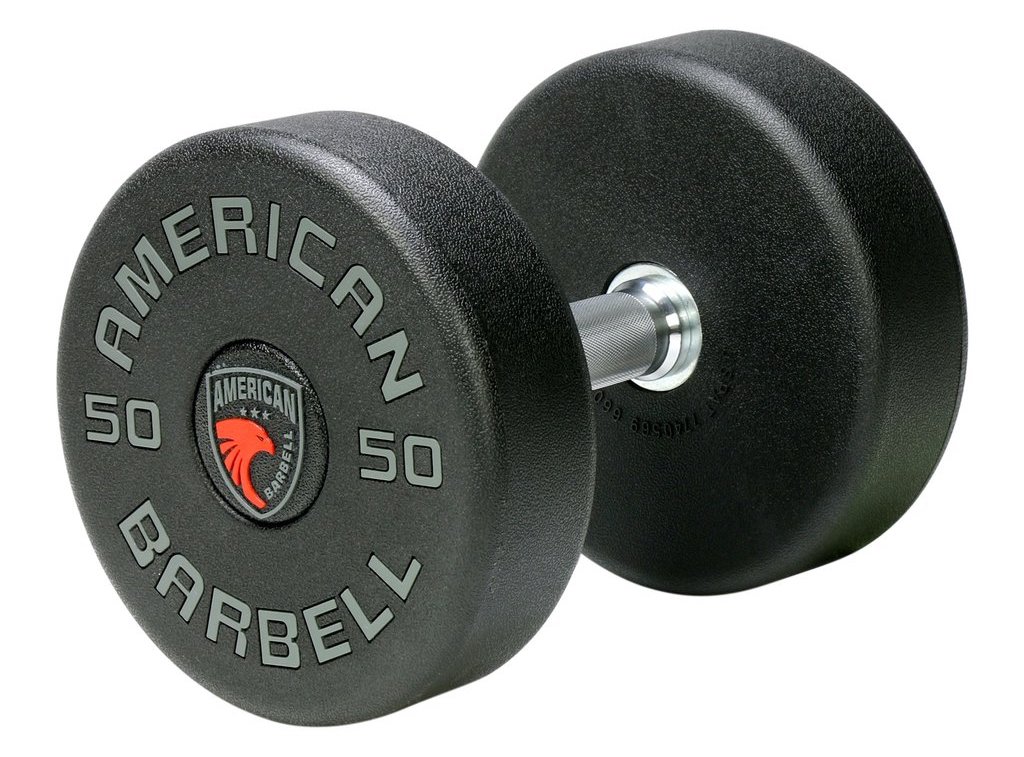
Fixed dumbbells offer many benefits for home workouts and gyms. They are reliable, easy to handle, and fit well into small spaces. Using fixed dumbbells helps maintain a steady workout pace without interruptions. Their simple design suits both beginners and experienced lifters.
Durability And Maintenance
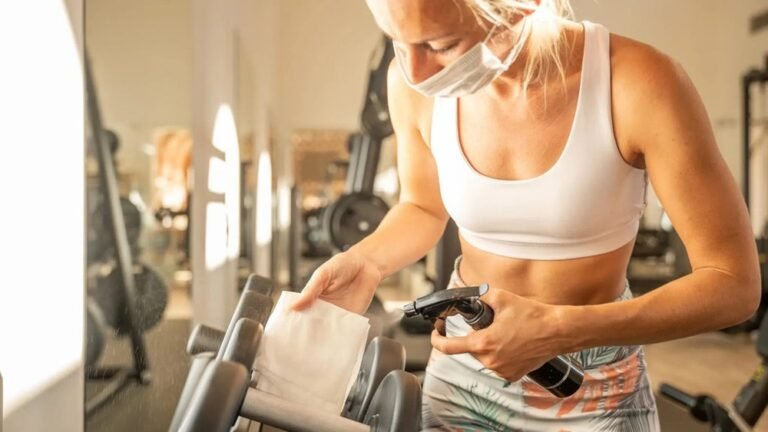
Fixed dumbbells last long because of their solid build. They usually have metal or rubber coating to prevent damage. These dumbbells need very little care. Wiping them after use keeps them clean and rust-free. No parts to adjust means fewer chances of breaking.
Space Efficiency
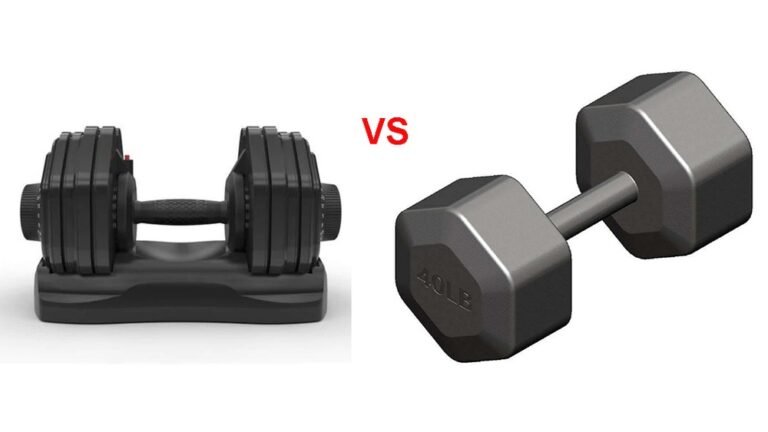
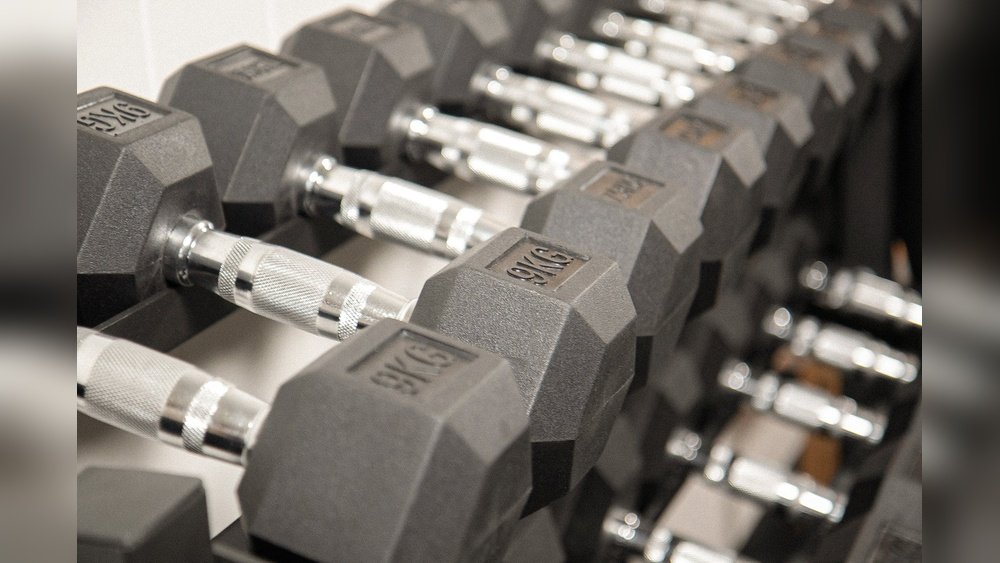
Fixed dumbbells take up less space than adjustable sets. Each weight has its own dumbbell, so no extra tools are needed. They fit neatly on racks or shelves. This makes them ideal for small rooms or home gyms. Easy to grab and put away after workouts.
Ease Of Use For Beginners
Fixed dumbbells are simple to use for new lifters. No settings or adjustments confuse beginners. Just pick up the right weight and start exercising. This helps build confidence and good form. They allow users to focus on proper movement and safety.

Credit: www.primalstrength.com
Factors Influencing Weight Choice
Choosing the right weight for fixed dumbbells depends on several key factors. These factors help ensure safety and effectiveness during workouts. The right weight supports progress without causing injury. Understanding these points helps select dumbbells that match your needs and abilities.
Fitness Level And Goals
Your current fitness level plays a big role in weight choice. Beginners should start with lighter weights to build strength safely. Advanced users can choose heavier dumbbells to challenge muscles. Goals matter too. For muscle building, heavier weights with fewer reps work best. For endurance, lighter weights with more reps suit better.
Exercise Type And Muscle Groups
Different exercises target different muscles. Large muscle groups like legs and back can handle heavier weights. Smaller muscles like biceps and shoulders need lighter weights. Compound exercises use multiple muscles and require manageable weights. Isolation exercises focus on one muscle and need precise weight choice.
Repetition Range And Intensity
The number of repetitions affects weight choice. Low reps with high weight build strength. High reps with low weight improve endurance. Intensity must match your fitness goals. Adjust weights to keep good form throughout sets. Avoid weights that cause strain or poor technique.
Common Weight Options
Fixed dumbbells come in many weight options. Choosing the right weight is key for your fitness goals. Different weights serve different purposes in your workout. Knowing common weight options helps you pick what fits you best.
Light Weights For Endurance
Light dumbbells usually range from 1 to 5 pounds. They help improve muscle endurance and tone. Ideal for beginners or those doing high repetitions. Light weights reduce injury risk during longer workouts. Use them for exercises like arm raises and shoulder presses.
Moderate Weights For Strength
Moderate weights range from 6 to 15 pounds. They build muscle strength without heavy strain. Good for those with some exercise experience. Suitable for exercises like bicep curls and chest presses. Moderate weights help increase muscle size gradually.
Heavy Weights For Power
Heavy dumbbells usually weigh 16 pounds or more. They develop power and muscle mass quickly. Best for advanced lifters and power training. Use heavy weights for moves like deadlifts and squats. Proper form is important to avoid injuries.
Testing Your Ideal Dumbbell Weight
Finding the right dumbbell weight is key for good workouts. The right weight helps build strength safely. Testing your ideal dumbbell weight takes time and care. It helps avoid injuries and keeps exercises effective.
Start light and adjust gradually. Pay attention to how your body feels. This process helps you pick the best dumbbell weight for your goals.
Trial With Different Weights
Try lifting different dumbbell weights to see what fits. Begin with lighter weights to warm up your muscles. Then test heavier ones to challenge yourself. Note which weight lets you complete exercises with good form. Avoid weights that feel too heavy or cause pain. Trial and error helps find your perfect fit.
Signs Of Correct Weight Selection
The right dumbbell weight feels challenging but manageable. You can do 8 to 12 reps with good form. Muscles feel tired but not strained after a set. You avoid shaking or struggling to lift. No sharp pain should occur. This balance means the weight suits your current strength.
Adjusting Weight Over Time
Strength grows as you train regularly. Increase dumbbell weight in small steps. Watch for signs you can lift more easily. Progress helps prevent plateaus in muscle growth. Adjust weight every few weeks to stay challenged. Consistent updates keep workouts effective and safe.
Tips For Safe Dumbbell Use
Using fixed dumbbells safely is key to effective workouts. Good habits protect your body and improve results. Follow simple tips to avoid injury and build strength.
Proper Form And Technique
Hold dumbbells firmly but not too tight. Keep your back straight and core tight. Move slowly and control each lift. Avoid swinging or jerking weights. Use smooth, steady motions for best results.
Warm-up And Stretching
Start with light cardio to increase blood flow. Stretch your arms, shoulders, and legs gently. Warm muscles reduce the risk of strains. Spend at least five minutes warming up before lifting.
Avoiding Common Injuries
Do not lift weights that feel too heavy. Stop if you feel sharp pain or discomfort. Rest between sets and avoid overtraining. Use proper shoes for good support and balance. Keep your workout space clear of obstacles.
Budget And Quality Considerations
Choosing fixed dumbbells involves balancing budget and quality. The right dumbbells last longer and feel better during workouts. Quality depends on materials and how they are made. Smart choices save money and improve your exercise experience.
Material Types And Coatings
Fixed dumbbells come in various materials. Cast iron is common and durable but can rust. Steel dumbbells are strong and last longer. Some have rubber or neoprene coatings. These coatings protect floors and reduce noise. Vinyl coatings offer a comfortable grip but wear faster. Choose materials based on your workout needs and budget.
Price Vs. Longevity
Cheaper dumbbells may save money upfront. They often wear out quickly or break. Higher-priced dumbbells usually have better build quality. They resist rust and damage longer. Investing a bit more can reduce replacement costs. Think about how often you will use them. Durability matters for frequent workouts.
Where To Buy
Buy dumbbells from sports stores or online shops. Physical stores let you test the weight and feel. Online stores offer a wider range and better prices. Check customer reviews to know product quality. Look for sellers with good return policies. Compare prices before making a final choice.

Credit: www.littleblokefitness.com.au
Frequently Asked Questions
What Are Fixed Dumbbells And Their Benefits?
Fixed dumbbells have a set weight and cannot be adjusted. They offer durability, ease of use, and quick weight changes. Ideal for home gyms and circuit training, they provide consistent resistance for strength building and muscle toning.
How To Choose The Right Size Fixed Dumbbells?
Choose dumbbells based on your fitness level and exercise type. Start with lighter weights for beginners and increase gradually. Consider your workout goals—lighter for toning, heavier for muscle gain. Proper size prevents injury and improves workout effectiveness.
Are Fixed Dumbbells Suitable For All Fitness Levels?
Yes, fixed dumbbells suit all fitness levels. Beginners can start with lighter weights, while advanced users can select heavier options. Their versatility supports strength training, rehabilitation, and endurance workouts, making them accessible and useful for everyone.
How To Store Fixed Dumbbells Properly?
Store dumbbells on racks or designated shelves to keep your space organized. Avoid placing them on the floor to prevent damage. Proper storage extends their lifespan and ensures safety by reducing tripping hazards in your workout area.
Conclusion
Choosing the right fixed dumbbell size helps improve your workouts. Start with lighter weights to build strength safely. Gradually increase weight as your muscles get stronger. Use a size guide to find the best fit. Proper weights reduce injury risk and boost progress.
Stay consistent and patient for the best results. Keep your fitness routine simple and effective. Small steps lead to big changes over time. Remember, the right dumbbell size supports your fitness goals.