Choosing the right size lifting straps can make all the difference in your workout. If your straps are too tight, they’ll cut off circulation and feel uncomfortable.
Too loose, and you risk losing your grip just when you need it most. You want straps that fit your hands and wrists perfectly, giving you the support and stability to lift heavier and push harder. In this guide, you’ll learn exactly how to measure your hand and wrist to find the ideal lifting strap size.
By the end, you’ll know which size works best for your training style—whether you’re just starting out or lifting serious weight. Keep reading to unlock the secret to better grip and stronger lifts!

Credit: www.gymreapers.com
Measuring Your Hand And Wrist
Choosing the right size lifting straps starts with accurate measurements of your hand and wrist. This process helps ensure a secure fit and maximum support during lifts. Follow these simple steps to get precise measurements.
Hand Length Measurement
Place your hand flat on a table with fingers straight. Measure from the base of your palm to the tip of your middle finger. Use a ruler or measuring tape for accuracy. This length helps find the strap size that fits your hand comfortably.
Wrist Width Calculation
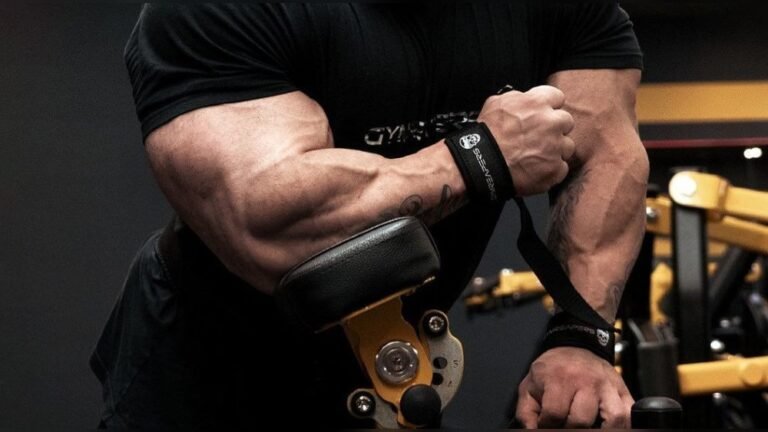
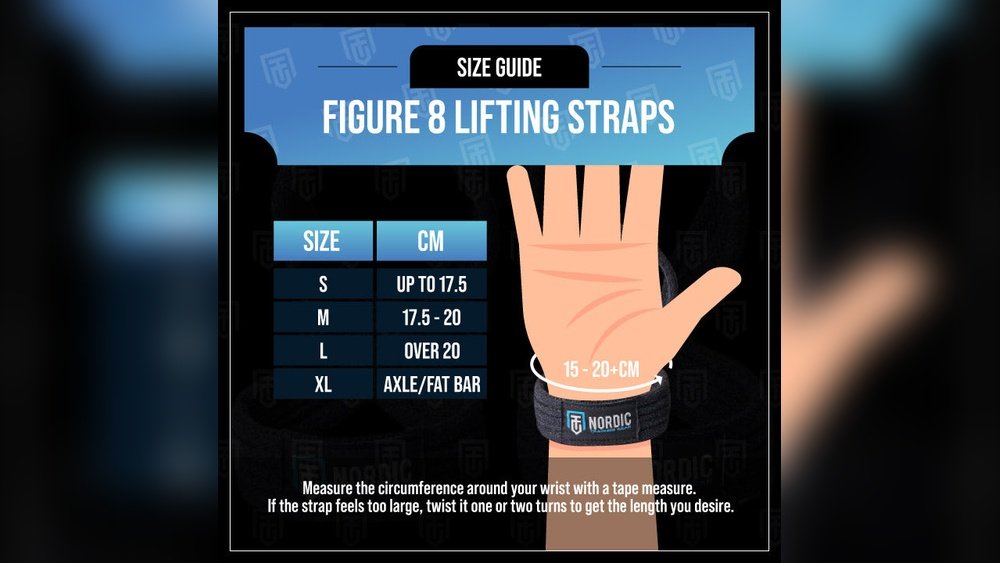
Wrap a soft tape measure around your wrist just below the wrist bone. Note the circumference in inches or centimeters. This width guides the strap’s wrist loop size for a snug fit. A well-fitted wrist loop prevents slipping during lifts.
Adjusting For Axle Bars
Axle bars have a thicker grip than standard bars. Add extra length to your strap size for these bars. Increasing strap size by one ensures better grip and comfort. This adjustment helps maintain control during heavy lifts on axle bars.

Credit: www.gymreapers.com
Choosing Strap Size By Activity
Choosing the right lifting strap size depends largely on your activity. Different exercises require different levels of support and flexibility. Picking the correct size improves comfort and performance. It also helps prevent injury during your lifts. Below are guidelines to match strap sizes with your lifting style and needs.
Best Sizes For Beginners And Light Lifting
Beginners and light lifters should select smaller or medium straps. These sizes offer more flexibility and less bulk. They wrap around the wrist once, providing basic stability. Smaller straps allow easy movement and comfort during workouts. They work well for CrossFit, general gym use, and lighter weights.
Options For Heavy Lifting And Powerlifting
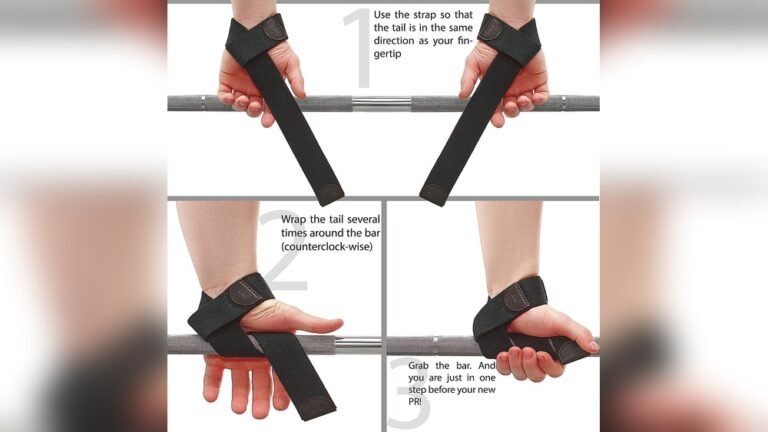
Heavy lifting and powerlifting demand larger, firmer straps. These straps wrap around the wrist multiple times for solid support. They create a cast-like effect that stabilizes the wrist under heavy loads. Medium to large sizes fit average to larger wrists better. Choose a strap that offers maximum stiffness for safer lifts.
Considerations For Wrist Thickness
Measure your wrist circumference before buying straps. Thicker wrists need longer straps for a secure fit. Thin wrists benefit from shorter, more flexible straps. Proper fit prevents straps from slipping or cutting off circulation. Always add half your wrist width to your hand measurement for accuracy.
Material And Feel Differences
The material and feel of lifting straps greatly affect your workout experience. Different fabrics offer varied comfort, flexibility, and support. Choosing the right type depends on your lifting style and wrist size. Understanding these differences helps you pick straps that fit well and perform effectively.
Flexible And Lightweight Straps
Flexible straps use soft materials like cotton or nylon blends. They bend easily and feel light on your wrists. These straps suit beginners and lighter lifts. Their thin design reduces bulk, allowing free wrist movement. Comfort is high, but support may be moderate. They wrap around the bar quickly for basic grip enhancement.
Firm And Supportive Straps
Firm straps often contain thicker fabrics or added padding. They feel stiff and provide strong wrist support. These straps fit well for heavy lifting and powerlifting. Their thickness offers a secure grip and reduces wrist strain. Multiple wraps around the bar increase stiffness. This design improves control during intense lifts.
Impact On Stability And Support
Material and feel impact how stable you feel during lifts. Lightweight straps offer flexibility but less firm hold. Firm straps deliver solid stability and wrist protection. Choosing the right strap depends on your lifting goals. Proper support reduces injury risk and boosts confidence. Balance comfort and support for optimal performance.
Popular Brand Size Charts
Popular brand size charts help you pick the right lifting straps. They show how to measure your wrist and hand for the best fit. Using the correct size improves comfort and grip during lifts. Each brand has unique sizing details. Knowing these details helps you choose wisely.
Sbd Apparel Sizing Tips
SBD Apparel recommends measuring from the base of your hand to the edge between your middle and ring fingers. Add half your wrist width to this number. This method ensures the strap fits snugly. SBD straps suit both beginners and heavy lifters. Smaller sizes fit lighter weights and thinner wrists. Larger sizes offer more support for heavy lifting.
Versa Gripps Length Variations
Versa Gripps size depends mainly on wrist circumference. The strap length changes with size, not the width. Choose a longer strap for bigger wrists or use with thicker bars. Shorter straps fit smaller wrists and lighter loads. Proper length keeps the strap secure and prevents slipping.
Gymreapers And Strength Shop Guides
Gymreapers and Strength Shop provide clear size charts. They use wrist measurements in inches or millimeters. Small sizes fit wrists under 5.5 inches, medium for 5 to 7 inches, and large for over 6.5 inches. Their straps offer solid support for powerlifting and bodybuilding. Check their guides to match your wrist size perfectly.
Sizing Adjustments And Tips
Choosing the right size lifting straps is key for a secure grip and better performance. Adjustments help fit the straps perfectly to your wrist and hand size. Small changes can make lifting safer and more comfortable. Here are useful tips and advice for sizing adjustments.
When To Size Up Or Down
Size up if your wrist is thicker or you use thick bars like axle bars. Bigger straps wrap better and offer more support. Size down if you have smaller wrists or prefer less bulk. Smaller straps feel lighter and allow more wrist movement. Consider the type of lifting and your comfort before deciding.
Handling Excess Strap Length
Too much strap length can get in the way or cause discomfort. Tuck the extra strap under the wrapped part to keep it neat. You can also cut the strap if it is too long, but check the warranty first. Wrapping the strap tightly reduces loose ends and improves grip security.
User Experiences And Recommendations
Many users say sizing up works best for heavy lifting and powerlifting. They feel stronger and more stable with longer straps. Others prefer sizing down for CrossFit or lighter gym workouts. A snug fit without excess strap helps reduce slipping. Testing different sizes helps find your best fit.
Special Considerations
Choosing the right lifting straps size involves more than just measuring your wrist. Special considerations help ensure comfort, safety, and effectiveness during your lifts. Different needs arise from body type, lifting style, and strap care. These factors influence which straps suit you best.
Women’s Size Guide
Women often have smaller wrists and hands than men. Straps designed for women are usually shorter and thinner. This design helps avoid excess material that can cause discomfort. Measure from the base of your palm to the tip of your middle finger. Add half your wrist’s width for accuracy. This ensures straps fit snugly without being too tight or loose.
Using Straps For Different Lifting Styles
Powerlifting, bodybuilding, and CrossFit use straps differently. Powerlifters need thicker, stronger straps for heavy loads. Bodybuilders may prefer straps that offer moderate support and flexibility. CrossFit athletes often choose lighter, more flexible straps for quick movements. Match your strap choice to your lifting style for better grip and comfort.
Maintenance And Replacement Timing
Regular care extends the life of your lifting straps. Clean straps with mild soap and water after workouts. Air dry them completely before storage. Inspect straps often for signs of wear like fraying or weakening. Replace straps immediately if they show damage. Worn-out straps can fail during lifts and cause injury.

Credit: sbdapparel.com
Frequently Asked Questions
What Size Lifting Straps Do I Need?
Measure from hand base to between middle and ring finger, add half your wrist width. Size up for axle bars. Choose small for thin wrists, medium for average, large for bigger wrists or heavy lifting.
What Is The Difference Between 12 And 18 Inch Wrist Wraps?
12-inch wrist wraps suit beginners or lighter lifts, offering flexibility and basic support. 18-inch wraps provide firmer, cast-like support for heavier lifting and larger wrists.
How To Know What Size Wrist Wraps To Get?
Measure from hand base to middle-ring finger edge, add half your wrist width. Choose a size based on wrist circumference. Size up for axle bars or heavier lifts.
What Size Figure 8 Straps?
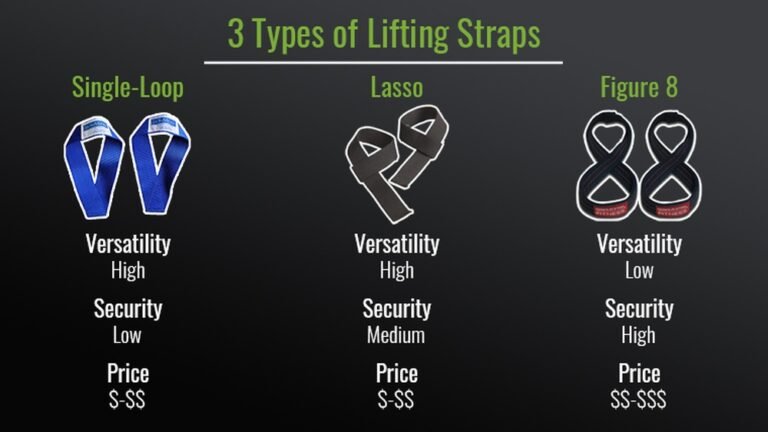
Measure from the base of your hand to the edge between middle and ring finger. Add half your wrist width. Size up for axle bars.
Conclusion
Choosing the right lifting straps size improves grip and safety. Measure your hand and wrist carefully before buying. Remember, a proper fit feels secure but not too tight. Using the correct size helps you lift heavier and train longer. Avoid discomfort by checking size charts from trusted brands.
Good straps support your wrists and reduce injury risk. Take your time to find the best size for your workouts. Your lifting performance will benefit from the right strap fit.