Choosing the right powerlifting belt size can make all the difference in your lifting performance and safety. If you’ve ever felt unsure about which belt fits you best, you’re not alone.
Wearing a belt that’s too tight or too loose can hold you back or even cause discomfort during your lifts. In this guide, you’ll discover simple, practical tips to find the perfect powerlifting belt size tailored to your body. Whether you’re a beginner or an experienced lifter, knowing how to measure and choose your belt will help you lift with confidence and protect your core effectively.
Keep reading to learn exactly what size suits you and why it matters for your powerlifting journey.

Credit: au.gymreapers.com
Powerlifting Belt Types
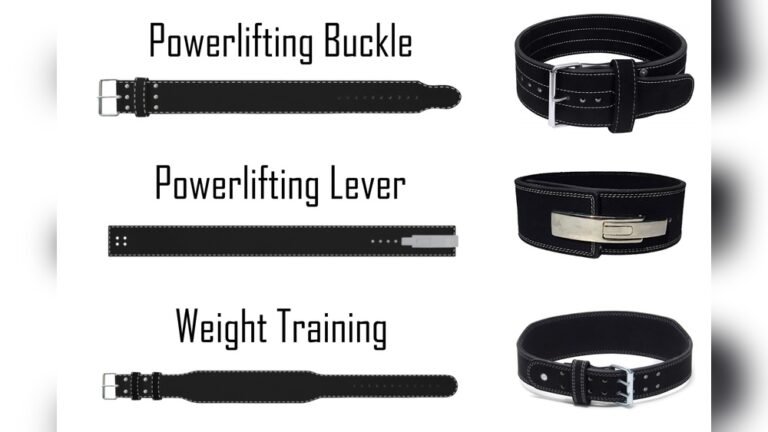
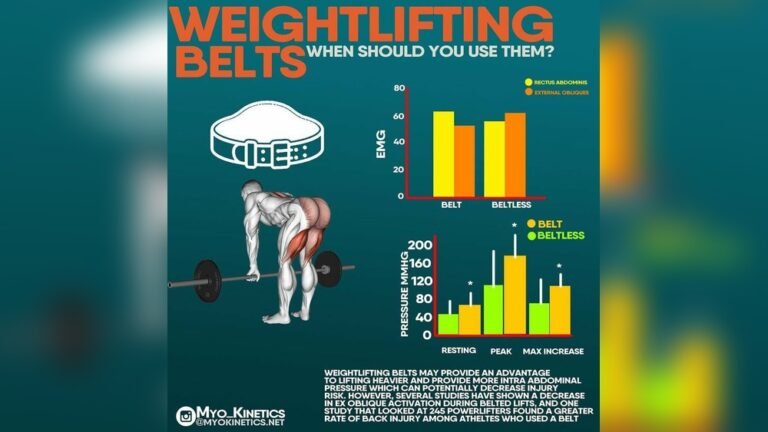
Powerlifting belts come in several types, each designed to support your lifts differently. Choosing the right type helps improve your form and protect your back. Understanding the main types can guide you to the best fit for your training style.
Leather Belts
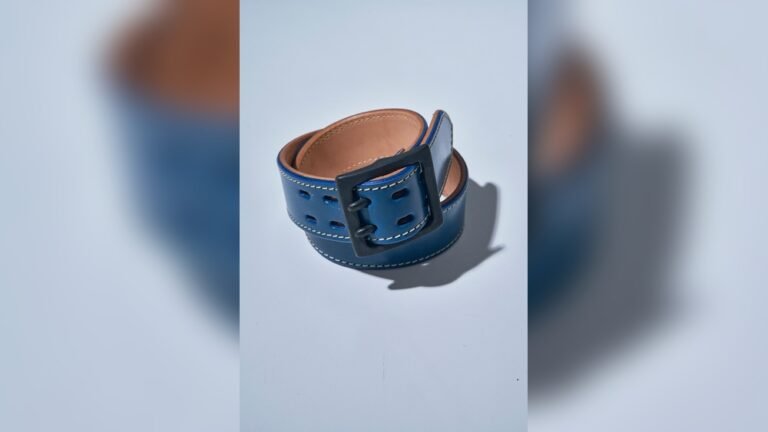
Leather belts are tough and provide excellent support. They are stiff, helping you brace your core during heavy lifts. These belts need time to break in but become very comfortable. Many advanced lifters prefer leather for its durability and firm hold. The thickness and width vary, usually around 4 inches wide and 10mm thick. Leather belts offer maximum stability but may feel rigid at first.
Nylon Belts
Nylon belts are lighter and more flexible than leather. They offer good support for beginners and intermediate lifters. Nylon belts break in quickly and are easier to adjust during workouts. These belts are less bulky and allow more freedom of movement. They work well for dynamic lifts like squats and deadlifts. Nylon belts are often more affordable and comfortable for long training sessions.
Hybrid Options
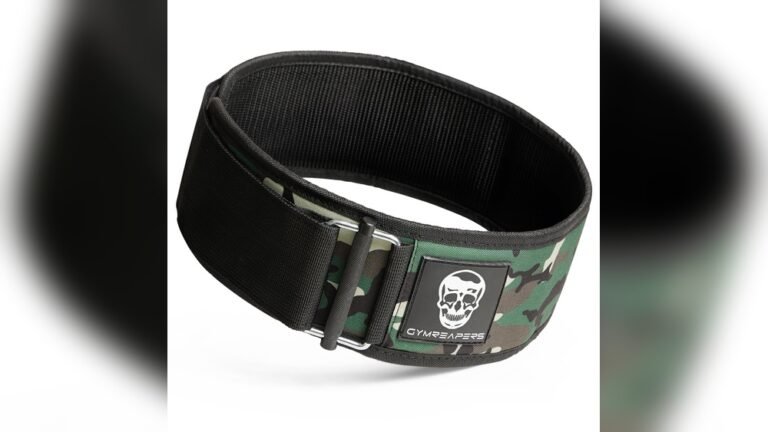
Hybrid belts combine leather and nylon materials. They offer a balance between stiffness and flexibility. The inside might be soft nylon for comfort, with a leather outer layer for durability. Hybrid belts suit lifters who want support without feeling too rigid. They adapt to different lifts and training styles. This option fits well for those transitioning from beginner to advanced levels.
Choosing Belt Width And Thickness
Choosing the right width and thickness for a powerlifting belt is key to effective support and comfort. These two factors affect how the belt feels during lifts and how well it protects your lower back. Picking the right size helps improve your form and performance.
Common Width Sizes
Powerlifting belts usually come in widths of 4 inches or 6 inches. A 4-inch belt is popular because it fits most body types well. It works for squats, deadlifts, and bench presses. A 6-inch belt offers more surface area, giving stronger support. This size suits lifters who want extra stability for heavy lifts. Some belts taper at the front for comfort while keeping wide support at the sides.
Thickness Impact On Support
Belt thickness usually ranges from 8 mm to 13 mm. Thicker belts provide firmer support and limit spine movement more. This helps during very heavy lifts. Thinner belts feel lighter and allow more flexibility. They break in faster and may suit beginners or lifters who want comfort over maximum stiffness. The thickness also affects how long the belt lasts. Thicker belts tend to be more durable but take longer to soften.
Which Fits Your Lifting Style
Choose a wider, thicker belt if you perform heavy squats or deadlifts. It locks your core tightly and helps keep your spine safe. If you train with varied exercises or lighter weights, a 4-inch, thinner belt may feel better. Some lifters prefer a stiffer belt for static lifts and a softer one for dynamic moves. Consider how much support you want versus how much freedom to move. Testing different belts can help find the best fit for your style.
Measuring Your Waist Correctly
Measuring your waist correctly is vital for choosing the right powerlifting belt size. A proper fit ensures comfort and support during heavy lifts. An inaccurate measurement can lead to a belt that is too tight or too loose, affecting your performance and safety. Follow these simple steps for the best results.
Using A Tape Measure
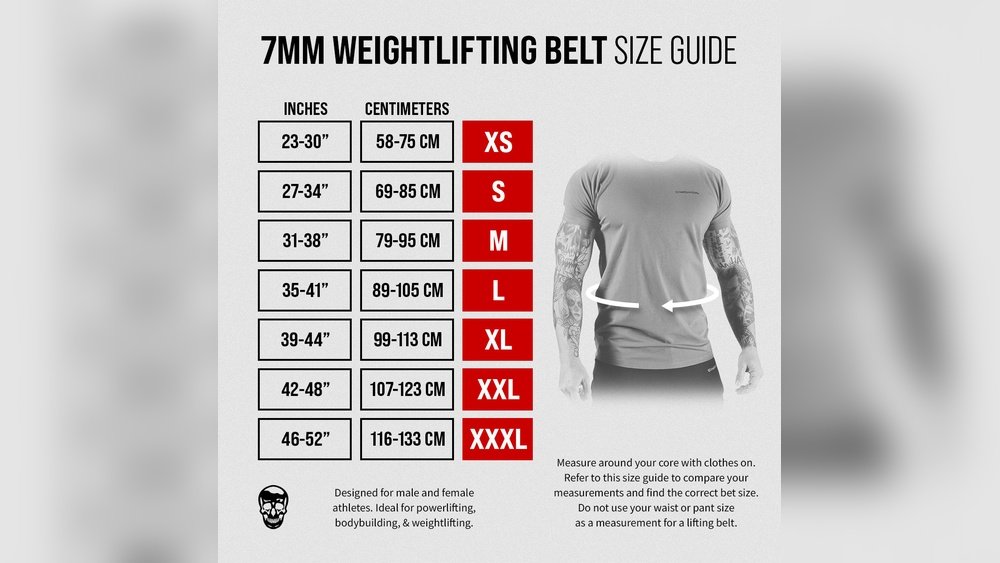
Use a soft tape measure designed for body measurements. Stand up straight and wrap the tape around your waist. Place the tape just above your hip bones, where the belt will sit. Keep the tape snug but not tight. Take the measurement in inches or centimeters. Write down the number for reference.
Measuring Over Clothing
Measure your waist over the clothing you plan to wear during lifting. Avoid thick or bulky clothes that add extra inches. A thin shirt or tank top works best. This method helps you get a realistic size for everyday training. It prevents the belt from feeling too tight over your usual gear.
Finding The Middle Hole Fit
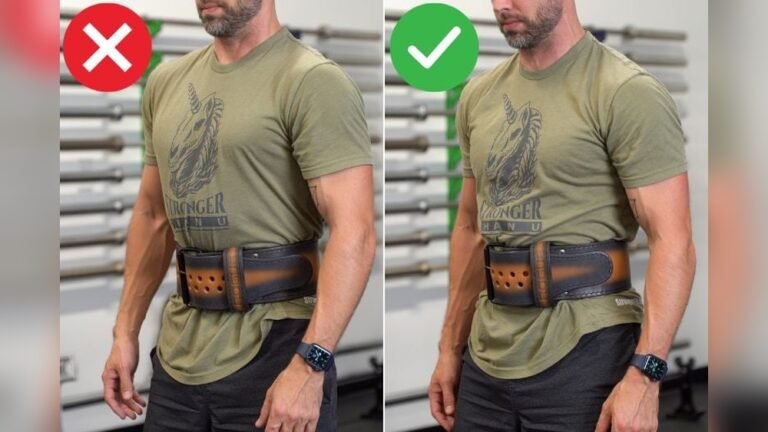
Powerlifting belts have several holes for adjustment. Aim to buy a belt that fits your waist at the middle hole. This gives you room to tighten or loosen it as needed. It also extends the belt’s lifespan as your waist size changes. Check that the belt feels secure but not restrictive at this setting.
Navigating Brand Size Charts
Choosing the right powerlifting belt size is crucial for safety and performance. Different brands use varied sizing methods, making the process confusing. Understanding how to navigate brand size charts helps you pick the perfect fit. This section breaks down why sizes vary, how to read charts, and adjusting for comfort.
Why Sizes Vary By Brand
Each brand designs belts with unique materials and thicknesses. These differences affect how the belt fits around your waist. Some brands use inches, others centimeters, causing size discrepancies. The belt’s width and stiffness also influence sizing. Brands may cut sizes differently based on their target lifter type. Always check the brand’s specific measurements before buying.
How To Read Size Charts
Start by measuring your waist where you wear the belt. Use a soft measuring tape for accuracy. Compare your measurement with the chart’s size ranges. Note if the brand lists waist circumference or belt length. Some charts include conversion between inches and centimeters. Pick a size that matches your measurement or is slightly larger for adjustment.
Adjusting For Personal Comfort
Comfort varies depending on your lifting style and body shape. A belt too tight can restrict breathing and movement. Too loose, and it won’t provide enough support. Choose a size that allows you to breathe deeply but still feels secure. Consider belt thickness; thicker belts offer more support but less flexibility. Test the belt by tightening it as you would during a lift. Adjust sizing if needed for your best comfort and support.
Sizing Tips For Different Lifters
Choosing the right size for a powerlifting belt depends on the lifter’s experience and goals. Different lifters need different fits to get proper support and comfort. This section gives sizing tips tailored to various lifter types. Follow these guidelines to find your ideal powerlifting belt size.
Beginners And Versatile Lifters
Beginners should pick belts that offer comfort and flexibility. A belt around 4 inches wide works well for most. Look for medium stiffness to allow easy movement during lifts. This size suits squats, deadlifts, and other common exercises. It supports the core without feeling too tight or rigid. Versatile lifters who perform many types of lifts also benefit from this size. It helps maintain good form while training across different movements.
Advanced And Elite Lifters
Advanced lifters need belts with more rigidity for maximum support. A thicker and stiffer belt around 4 inches wide is ideal. This size provides a firm brace to handle heavy weights safely. Elite lifters often prefer belts made from thick leather for lasting durability. These belts may feel uncomfortable at first but offer better protection during heavy squats and presses. Proper sizing ensures the belt fits snugly without cutting off circulation. It helps maintain core stability under extreme loads.
Deadlift-specific Sizing
Deadlifters may choose slightly different sizing than other lifters. A narrower belt, about 3 to 4 inches wide, can allow more range of motion. This helps avoid restriction during the lift. Some lifters prefer a looser fit on deadlift days to reduce discomfort. Measuring your waist at the belly button gives a good size estimate. Make sure the belt is tight enough to support your lower back but not so tight it causes pain. Proper deadlift sizing can improve performance and reduce injury risk.
Breaking In Your Belt
Breaking in your powerlifting belt is essential for comfort and performance. A new belt feels stiff and hard. It may not fit your body perfectly at first. Taking time to break in the belt helps it mold to your shape. This process makes lifting safer and more comfortable. Here are some simple steps to ease your belt into everyday use.
Leather Belt Break-in Methods
Leather belts need gentle care to soften up. Wear your belt around the house for short periods. This warms the leather and makes it more flexible. Use a leather conditioner to prevent cracking. Apply it sparingly and rub it in evenly. You can also bend the belt slightly by hand to loosen it. Avoid heavy bending that might damage the leather. Repeat these steps daily until the belt feels softer.
Maintaining Belt Flexibility
Keep your belt flexible by storing it correctly. Hang the belt on a hook or roll it loosely. Avoid folding it sharply or leaving it in damp places. Clean the belt with a damp cloth after workouts. Let it dry naturally, away from direct heat. Regular conditioning keeps the leather healthy and pliable. A flexible belt fits better and supports you well during lifts.
When To Replace Your Belt
Watch for signs that your belt needs replacing. Cracks, tears, or broken holes reduce its support. A belt that no longer holds tight can be dangerous. If the leather feels too thin or worn, consider a new belt. Also replace the belt if the buckle or hardware breaks. Using a damaged belt can cause injury during heavy lifts. Change your belt promptly to stay safe and strong.
Common Sizing Mistakes To Avoid
Choosing the right size for a powerlifting belt is crucial for safety and performance. Many lifters make sizing mistakes that reduce the belt’s effectiveness. These errors can cause discomfort or poor support during lifts. Avoiding common sizing mistakes ensures the belt fits well and functions properly.
Choosing Based On Clothing Size
Clothing size does not match belt size. Pants or shirt sizes reflect different measurements. Waist size for belts depends on where you wear it. Measure your waist at the belly button for best results. Do not guess based on your clothing label. Always use a tape measure to find your true waist size.
Ignoring Brand Differences
Each brand may have unique sizing charts. One brand’s medium might be another’s large. Check the sizing guide for each belt before buying. Look at actual waist measurements, not just the size name. Trust the brand’s chart over assumptions. This helps avoid belts that are too tight or loose.
Overlooking Belt Adjustability
Many belts have several holes for adjustment. Check how many holes the belt offers. More holes mean better fit options. A belt should allow tightening or loosening around your waist. Avoid belts with very few adjustment points. Proper adjustability helps maintain comfort during different lifts.

Credit: schiek.com
Adjusting Belt Fit For Comfort
Adjusting the fit of your powerlifting belt is key to both comfort and performance. A well-fitted belt supports your core while allowing freedom of movement. Getting this balance right helps you lift safely and effectively.
Every lifter’s body is different. Your belt must feel secure without causing pain or restricting breathing. Small changes in fit can make a big difference during heavy lifts.
Looser Vs Tighter Fits
A looser belt offers more comfort and easier breathing. It suits warm-ups and lighter sets. But it may reduce support during heavy lifts.
A tighter belt gives stronger core support. It helps maintain proper posture under heavy loads. Tight belts can feel restrictive and take time to get used to.
Choose a fit that feels firm but not painful. Adjust based on the lift type and your comfort level.
Customizing Fit With Holes
Most belts have multiple holes to adjust tightness. Use these holes to find your ideal fit.
Try different holes before training. This helps you pick the best balance of snugness and comfort.
A belt that’s too loose will shift during lifts. Too tight can cause discomfort or bruising. Adjust slowly over several sessions.
When To Seek Professional Advice
If you feel persistent pain or discomfort, ask an expert. A coach or trainer can check your belt fit and lifting form.
Professional advice helps avoid injury and improves belt use. They may suggest a different belt size or style.
Getting help early saves time and improves your lifting experience.

Credit: www.gymreapers.com
Frequently Asked Questions
What Size Powerlifting Belt Do I Need?
Measure your waist at the belly button. Choose a belt size matching your waist in inches, using the middle hole for fit. Check brand charts for exact sizing. Most lifters wear Medium (26-34″), Large (30-38″), or XL (34-42″). Adjust if between sizes for comfort and security.
Is A 10mm Or 13mm Belt Better?
A 10mm belt offers more comfort and flexibility, ideal for most lifters and dynamic lifts. A 13mm belt provides maximum support and rigidity, best for elite lifters and heavy static lifts. Choose based on your lifting style and support needs.
What Size Belt Do I Need For A 42 Inch Waist?
For a 42-inch waist, choose a belt size around 44 inches. This allows comfortable adjustment and a secure fit. Always check specific brand size charts for the best match.
What Size Belt Do I Need For A 32 Waist?
For a 32-inch waist, choose a belt size 34 to 36 inches for a comfortable fit. Belt sizes refer to the middle hole measurement. Check specific brand size charts for exact fit.
Conclusion
Choosing the right powerlifting belt size matters for safety and performance. A well-fitted belt supports your core and improves lifting stability. Measure your waist carefully before buying to ensure comfort and proper fit. Remember, different brands may have slightly different sizing charts.
Take your time to compare and pick a belt that feels secure without being too tight. Wearing the correct belt size helps you lift with confidence and reduces injury risk. Keep these tips in mind for your next training session or competition.