Choosing the right resistance band can feel confusing. You might wonder, “What size should I pick?” or “Will one band work for all my workouts?” The truth is, resistance bands come in different sizes and tensions for a reason.
Picking the right size matters because it impacts your results, safety, and how much you enjoy exercising. In this guide, you’ll discover exactly how to find the perfect resistance band size for your fitness level and goals. Keep reading to make your workouts smarter and more effective with the right band in hand.
Resistance Band Types
Resistance bands come in different types to suit various workouts and fitness levels. Each type offers unique features and resistance styles. Choosing the right type helps maximize your training results.
Loop Bands
Loop bands are circular and continuous. They are great for lower body exercises like squats and leg lifts. These bands come in multiple resistance levels. Lightweight loops are perfect for beginners. Heavier loops add more challenge for advanced users.
Tube Bands
Tube bands are long and cylindrical with handles. They provide a firm grip for upper body workouts. These bands mimic weightlifting motions. Tube bands work well for strength and flexibility training. They offer varied resistance by adjusting the stretch.
Therabands
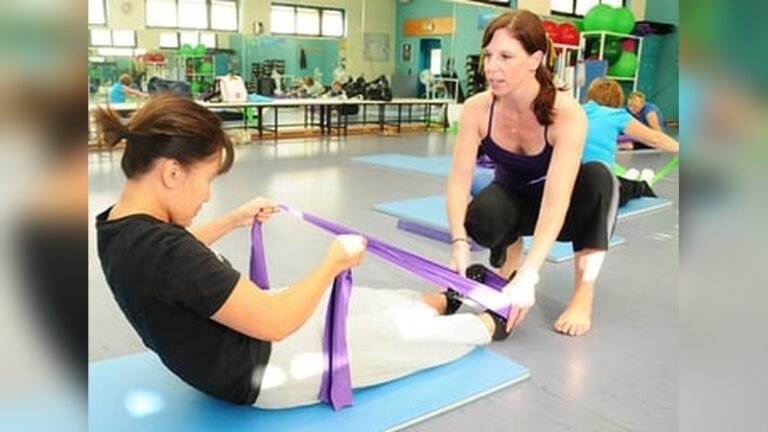
TheraBands are flat, wide, and made of latex. They are popular for physical therapy and rehab. These bands have color-coded resistance levels. Users can easily track progress by switching colors. TheraBands are gentle yet effective for muscle strengthening.
Fabric Bands
Fabric bands are made from woven material. They are durable and non-slip, ideal for intense workouts. These bands provide medium to heavy resistance. Fabric bands feel comfortable on the skin. They are perfect for glute and leg toning exercises.
Resistance Levels Explained
Resistance bands come in various resistance levels to match different fitness needs. Each level offers a unique challenge and suits specific exercises. Understanding these levels helps you pick the right band for your workout. This guide breaks down the common resistance levels from light to extra heavy.
Light Resistance
Light resistance bands provide gentle tension. They are perfect for beginners and rehabilitation exercises. These bands help improve muscle tone and flexibility without strain. Use them for warm-ups or recovery workouts. Light bands suit small muscle groups and slow movements.
Medium Resistance
Medium resistance bands offer moderate tension. They fit most users and workout types. These bands build strength and endurance gradually. Ideal for full-body workouts and muscle toning. Medium resistance challenges muscles while allowing controlled movement.
Heavy Resistance
Heavy resistance bands create strong tension. They target muscle growth and power training. Use them for advanced workouts and strength building. Heavy bands help increase muscle size and improve performance. They are best for experienced users.
Extra Heavy Resistance
Extra heavy resistance bands deliver maximum tension. They are for expert athletes and heavy lifting. These bands push muscles to their limits. Use them to increase strength and explosive power. Extra heavy resistance requires proper form and caution.
Choosing Band Size
Choosing the right size for your resistance band improves workout results and safety. The band’s size affects how much tension it creates. Different exercises need different band sizes. Understanding length, width, and thickness helps pick the best band for your needs.
Length Considerations
Band length matters for comfort and range of motion. Longer bands suit full-body exercises like squats or rows. Shorter bands work well for small movements or targeted muscle groups. Check the exercise’s movement path to choose the right length.
Width And Thickness
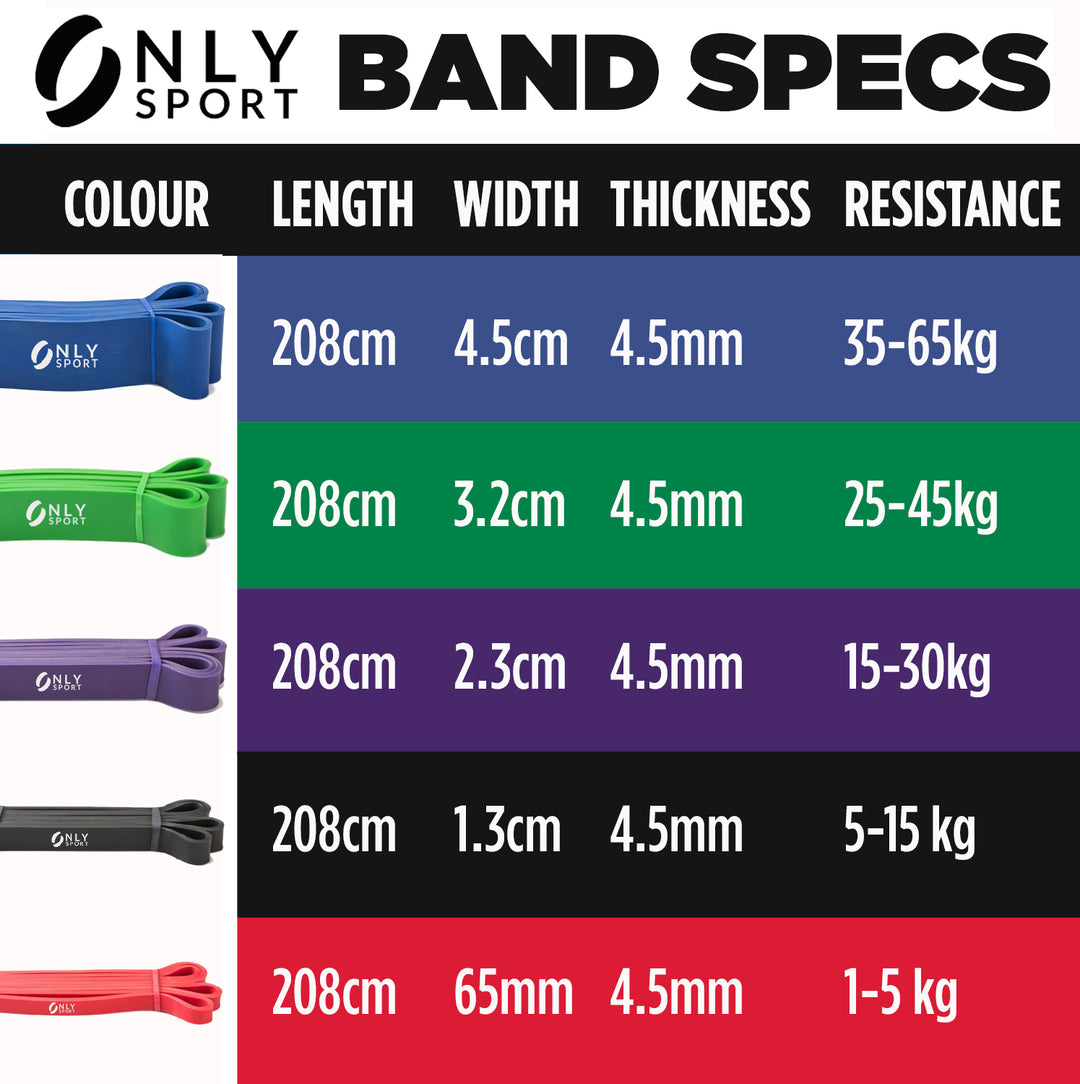
Width and thickness control the band’s resistance level. Wider and thicker bands provide more resistance. Thin and narrow bands offer less tension. Pick a band width and thickness based on your strength and exercise type.
Matching Size To Exercise
Use light bands for stretching and warm-ups. Medium bands fit most strength training exercises. Heavy bands work best for advanced strength workouts. Match the band size to exercise intensity for better progress and injury prevention.
Credit: darmizananak.com
Fit For Different Fitness Goals
Resistance bands come in various sizes and strengths to suit many fitness goals. Choosing the right size helps you target your specific needs. Different exercises require different resistance levels. This makes bands fit for strength, rehab, flexibility, and endurance training. Understanding these uses guides you to the best choice.
Strength Training
Thicker bands provide higher resistance for muscle building. Use heavy bands for exercises like squats and presses. They challenge your muscles and improve power. Medium bands suit beginners working on basic strength. Strength training with bands helps tone and grow muscles.
Rehabilitation
Light resistance bands support gentle movements for injury recovery. They allow slow, controlled exercises to rebuild muscle. Bands in smaller sizes reduce strain on joints. Rehab bands improve mobility without causing pain. They help restore function after injury or surgery.
Flexibility And Mobility
Medium and light bands assist in stretching and mobility drills. They provide support in deep stretches and range of motion work. Using bands increases flexibility safely. They help loosen tight muscles and joints. Bands make stretching easier and more effective.
Endurance Workouts
Light to medium resistance bands suit high-rep, low-resistance exercises. They keep muscles active for longer periods. This helps build stamina and muscle endurance. Bands add variety to cardio and circuit training. Endurance workouts with bands improve overall fitness and energy.
Sizing Tips For Beginners
Choosing the right size resistance band is crucial for an effective workout. Beginners often feel confused about which band to pick. This guide simplifies the process. It helps you select bands that match your strength and fitness goals.
Starting Light
Start with a light resistance band. It helps you learn the correct form. Light bands reduce the risk of injury. They allow your muscles to adapt gradually. Use light bands for warm-ups and simple exercises. This builds confidence and control.
Progressing Through Sizes
Move to medium resistance bands as you get stronger. Increase the band size slowly to avoid strain. Track your progress to know when to upgrade. Medium bands add more challenge without overloading muscles. Eventually, try heavy bands for advanced strength training.
Avoiding Common Mistakes
Do not choose a band that feels too hard at the start. Avoid skipping light and medium bands. Using a band too strong can cause injury or bad form. Do not rely on one band size for all exercises. Different moves may need different resistance levels.
Band Stacking And Combination
Band stacking and combination offer a flexible way to adjust resistance levels during workouts. Combining different bands lets users customize intensity to match their strength and exercise needs. This method enhances workout variety and helps target muscles more effectively.
Using multiple bands together can create progressive resistance. It also extends the usability of bands across different fitness levels. Understanding how to stack and combine bands is essential for safe and efficient training.
How To Stack Bands
Stacking bands means using two or more bands at once. Simply hold or anchor the bands together. Make sure they stretch evenly for balanced resistance. Avoid twisting or overlapping bands to prevent damage. Secure bands on handles or anchors to keep them stable. Adjust the number of bands to increase or decrease tension.
Benefits Of Combining Bands
Combining bands allows precise control over resistance levels. It helps users progress without buying new bands. You can target different muscle groups by adjusting tension. This method improves workout variety and prevents boredom. Stacking bands also helps with rehabilitation exercises needing gentle resistance. It supports gradual strength building and muscle recovery.
Recommended Combinations
Start with light and medium bands together for moderate resistance. Pair medium and heavy bands for advanced strength training. Use two light bands for warm-ups or stretching exercises. Avoid stacking too many heavy bands to reduce injury risk. Try mixing colors if bands have different resistance levels. Always test combinations before full exercise to ensure comfort and safety.
Gender And Size Considerations
Choosing the right resistance band size depends on gender and body size. Men and women often have different strength levels and muscle mass. These differences affect which band size suits best. Picking the correct size helps avoid injury and improves workout results.
Women’s Band Sizes
Women usually start with lighter resistance bands. These bands offer less tension, making exercises easier. Common sizes for women range from light to medium resistance. These sizes support muscle toning and endurance building. Women with more strength might prefer medium or heavy bands. Always select a band that feels challenging but manageable.
Men’s Band Sizes
Men often need bands with higher resistance. Medium to heavy bands are common choices. These sizes help build strength and muscle mass effectively. Men with less experience should begin with medium resistance bands. Gradually increasing resistance prevents strain and injury. The right band size allows full movement without snapping or overstretching.
Unisex Options
Unisex bands work well for many users. These bands come in various resistance levels suitable for all genders. Light, medium, and heavy resistance bands cover a wide range of needs. Beginners and advanced users both benefit from unisex bands. Choosing a set with multiple sizes helps cover all exercise types and strengths.

Credit: opcionesadministrativas.com
Measuring Resistance
Measuring resistance in bands is key to choosing the right one. It helps match your strength and fitness goals. Resistance is the force needed to stretch the band. Different bands offer different resistance levels. Knowing how to measure resistance makes workouts safer and more effective.
Pound And Kilogram Charts
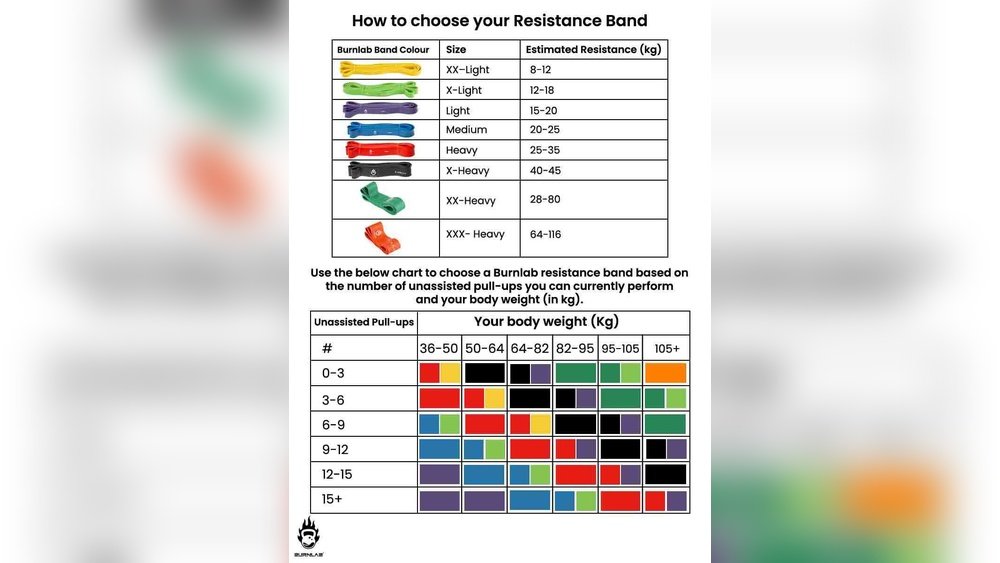
Resistance bands often list resistance in pounds or kilograms. These charts show how much force the band provides at different stretch lengths. For example, a band might offer 10 pounds of resistance at 100% stretch. Using these charts helps pick the right band for your workout strength.
Charts make comparisons easy. You can see if a band is light, medium, or heavy resistance. This helps avoid buying a band that is too hard or too easy to use. Some brands provide detailed charts on their packaging or websites.
Color Coding Systems
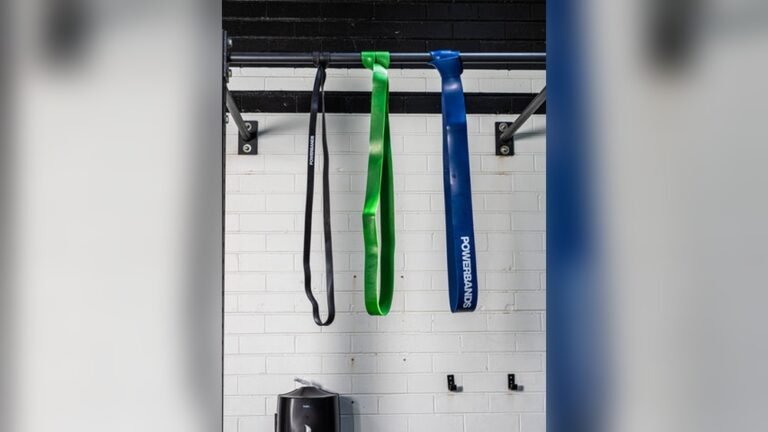
Many brands use colors to mark resistance levels. Each color matches a specific resistance range. For example, yellow bands often mean light resistance. Green or blue bands might mean medium resistance. Black or red bands usually indicate heavy resistance.
This color system helps users quickly find the right band. It also allows easy mixing and matching during workouts. Colors are not universal, so check the brand’s chart. This prevents confusion and ensures you get the correct resistance.
Tension Vs. Stretch Length
Tension is the force a band creates when stretched. Stretch length is how far the band is pulled from its resting length. Resistance increases as the band stretches more. This means tension depends on stretch length.
Knowing this helps you control workout difficulty. A short stretch gives less resistance. A longer stretch gives more tension. Exercises should focus on controlled stretching for best results. Understanding tension and stretch length improves workout efficiency and safety.
Using Resistance Bands Safely
Using resistance bands safely is essential to prevent injuries and ensure effective workouts. These bands stretch and pull, so proper handling is key. Simple safety steps can help you enjoy your exercise sessions without harm.
Follow clear safety practices to protect your joints and muscles. Check your bands for wear and choose the right size for your strength. Understanding these basics improves your fitness routine and keeps you safe.
Proper Fit Checks
Choose a resistance band that fits your workout needs. The band should feel snug but not too tight. Test the band by stretching it slightly before use. It should return to its original shape quickly. Avoid bands that slip or roll during exercise. Proper fit reduces the risk of snapping or injury.
Avoiding Overstretching
Do not stretch resistance bands beyond their limit. Overstretching can cause the band to break suddenly. Use controlled movements and avoid fast, jerky pulls. Replace bands that show signs of damage or thinning. Staying within the band’s stretch limit extends its life and keeps you safe.
Maintenance Tips
Store resistance bands in a cool, dry place away from sunlight. Heat and sunlight weaken the band material over time. Clean bands with mild soap and water after use. Avoid harsh chemicals or rough surfaces that can damage the bands. Regular checks for tears or cracks help spot issues early.
Credit: www.maxcard.com.br
Frequently Asked Questions
How Do I Know What Size Resistance Band To Get?
Choose a resistance band based on your fitness level and goals. Start with light for beginners, medium for moderate strength, and heavy for advanced workouts. Consider a set with multiple sizes to vary resistance and target different muscles effectively.
Are Resistance Bands One Size Fits All?
Resistance bands are not one size fits all. Different sizes provide varying resistance levels for diverse fitness needs. Choose bands based on your strength and workout goals, often starting with light, medium, and heavy options for balanced training.
How Big Is A Size 32 Rubber Band?
A size 32 rubber band measures approximately 3 inches long and 1/8 inch wide. It suits light to medium tasks.
What Does A 30 Lb Resistance Band Mean?
A 30 lb resistance band means it provides 30 pounds of tension when stretched. It offers moderate workout resistance. Use it to strengthen muscles and improve flexibility. Resistance levels vary by band thickness and length. Choose bands matching your fitness level and exercise type.
Conclusion
Choosing the right resistance band size makes workouts safer and more effective. Bands come in light, medium, and heavy options to fit all fitness levels. Start with a set that offers variety to find your perfect match. Remember, the correct size helps you build strength steadily and avoid injury.
Keep your goals clear and adjust resistance as you progress. Simple steps lead to better results and more enjoyable exercise sessions. Use this guide to pick bands that suit your needs and boost your fitness journey.