Choosing the right size weighted vest can make all the difference in your workout. If you pick a vest that’s too heavy or doesn’t fit well, you might end up feeling uncomfortable or even risk injury.
But how do you know which size is best for you? Whether you’re just starting out or already pushing your fitness limits, this size guide will help you find the perfect weighted vest that fits your body and workout goals.
Keep reading to discover simple tips and key points that will make your training safer and more effective. Your ideal vest is closer than you think!

Credit: starfishstore.com.au
Weight Basics
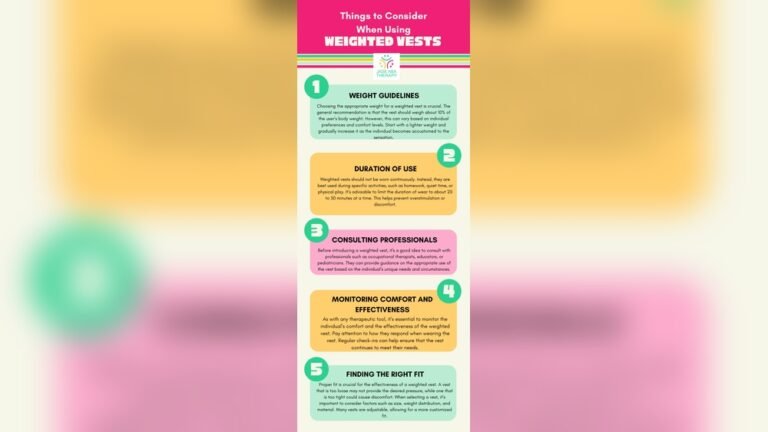
Understanding the basics of weighted vest sizes helps you choose the right weight. The right weight supports your fitness goals without causing injury. Start with manageable weights and increase as your strength grows. Different activities and skill levels need different vest weights.
Choosing the correct weight also improves workout comfort and effectiveness. Pay attention to your body’s signals to avoid strain or discomfort. Adjusting weight based on activity type keeps your training safe and productive.
Starting Weights For Beginners
Beginners should start with a light vest weight. Around 5% to 10% of your body weight is a good range. This weight adds challenge without overwhelming your muscles. Use it for simple exercises like pushups, squats, or walking. Starting light helps your body adapt safely.
Weights For Intermediate Users
Intermediate users can increase vest weight to 10% to 20% of body weight. This range suits strength training, running, or hiking. It offers a solid workout challenge without risking injury. Adjust the weight based on your fitness progress and goals. This helps maintain steady improvement.
Adjusting Weight By Activity
Choose vest weight based on the exercise type and intensity. Lower weights work better for fast movements or cardio. Heavier weights suit slow, controlled strength exercises. Always reduce weight if you feel pain or lose form. Proper adjustment ensures safe and effective workouts.

Credit: hyperwear.com
Sizing Tips
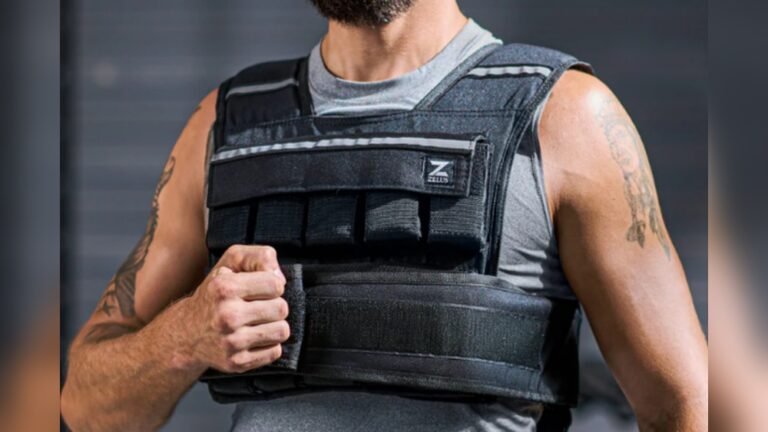
Choosing the right size for your weighted vest is key to comfort and performance. A vest that fits well stays secure and lets you move freely. It also prevents strain and discomfort during workouts. Follow these simple sizing tips to find the perfect fit for your body and training needs.
Measuring Chest And Hips
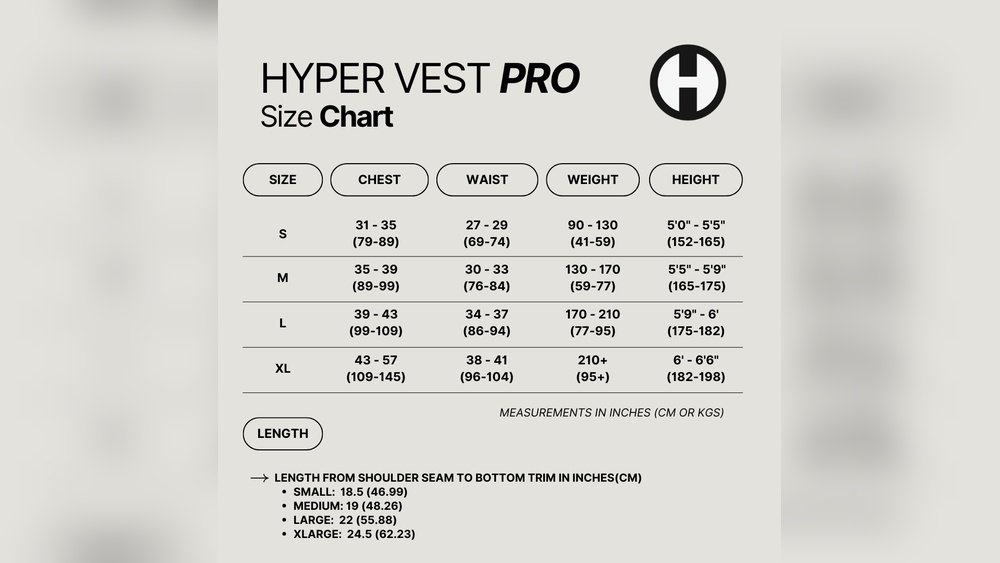
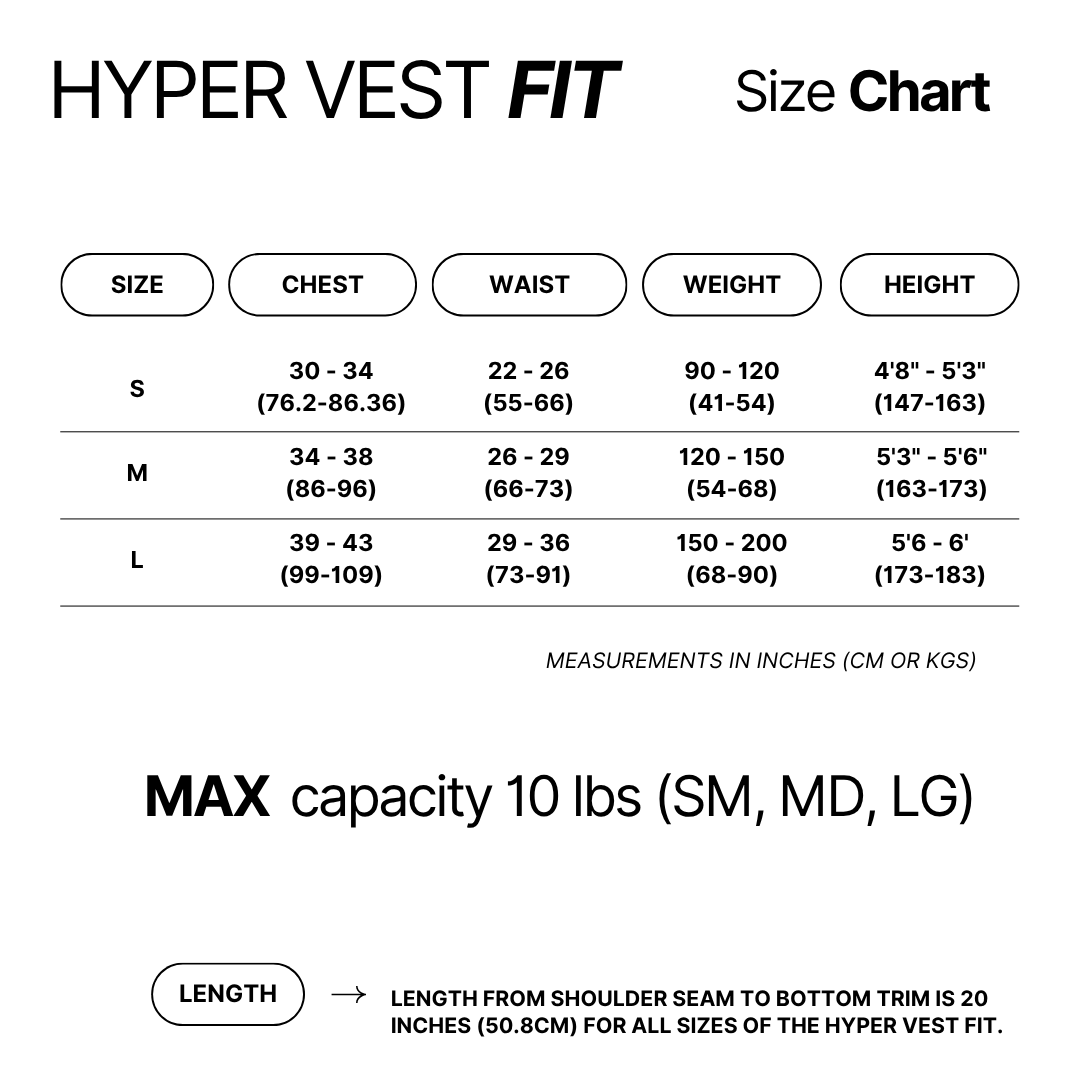
Use a soft tape measure to check your chest and hips. Measure around the widest part of your chest and hips. Keep the tape snug but not tight. These numbers help you pick a vest size that fits your body shape. Compare your measurements with the vest’s size chart for accuracy.
Fit Types And Compression
Weighted vests come in different fit styles. Some vests offer a loose fit for layering over clothes. Others have a tighter, compressive fit that hugs your body. Compression vests reduce movement of the weights. This fit is good for high-intensity exercises and running. Choose the fit that matches your activity and comfort needs.
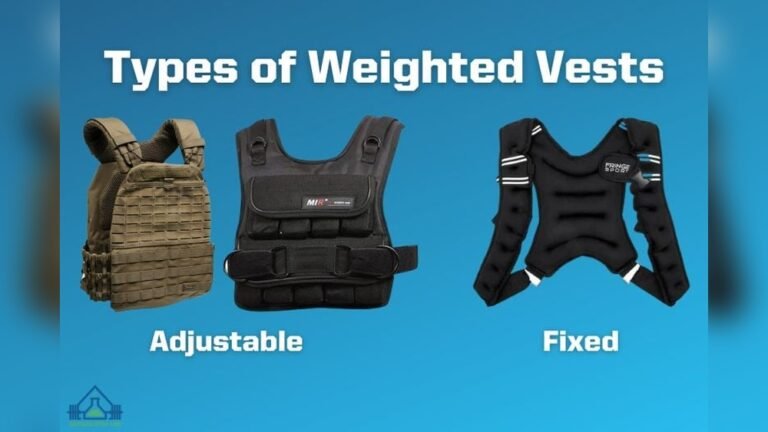
Adjustable Vs Fixed Weights
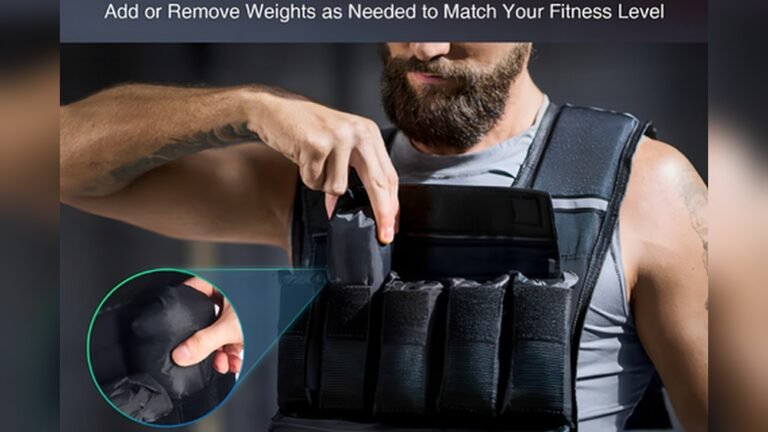
Vests with adjustable weights let you add or remove weight plates. This option helps you increase weight gradually. Fixed weight vests have a set amount of weight sewn in. They offer simplicity but less flexibility. Adjustable vests suit beginners and those progressing in strength. Fixed weight vests work well for consistent training loads.
Activity-specific Guidance
Choosing the right weighted vest size depends heavily on the activity you plan to do. Different exercises need different weight amounts and vest designs. This ensures comfort, safety, and the best results. Below is a simple guide to help pick the perfect vest based on your activity.
Weighted Vests For Walking
Walking with a weighted vest adds extra resistance to your steps. For this, a lighter vest between 5 to 15 pounds works well. It should fit snugly without shifting. A vest that is too heavy can cause discomfort and affect your walking form. Start with less weight and increase as your strength improves.
Weights For Strength Training
Strength training demands heavier and more stable weighted vests. Choose vests that hold 20 to 40 pounds, depending on your fitness level. The vest should allow full movement during exercises like push-ups and squats. Adjustable vests are ideal to add or remove weight easily. Proper fit prevents injury and helps maintain good posture.
Vests For Running And Hiking
Running and hiking require vests that balance weight and mobility. A vest weighing 10 to 25 pounds suits these activities best. It must be secure to avoid bouncing or sliding. Look for vests with breathable materials to keep you cool. The right size improves endurance without causing strain.
Safety And Comfort
Choosing the right size weighted vest is crucial for safety and comfort during workouts. A vest that fits well helps avoid injury and keeps you comfortable. It supports your body without causing pain or irritation. This section explains how to stay safe and feel good while using a weighted vest.
Listening To Your Body
Your body sends signals when the vest is too heavy or uncomfortable. Pay attention to aches or unusual soreness. Stop using the vest if you feel sharp pain. Adjust the weight or take breaks to prevent injury. Comfort means your body can handle the added weight without strain.
Common Pain Points
Pain often appears in the shoulders, back, and chest. These areas carry most of the vest’s weight. Poor fit or too much weight causes discomfort. Check for chafing or pressure marks on the skin. Address pain early to avoid long-term problems.
Proper Vest Positioning
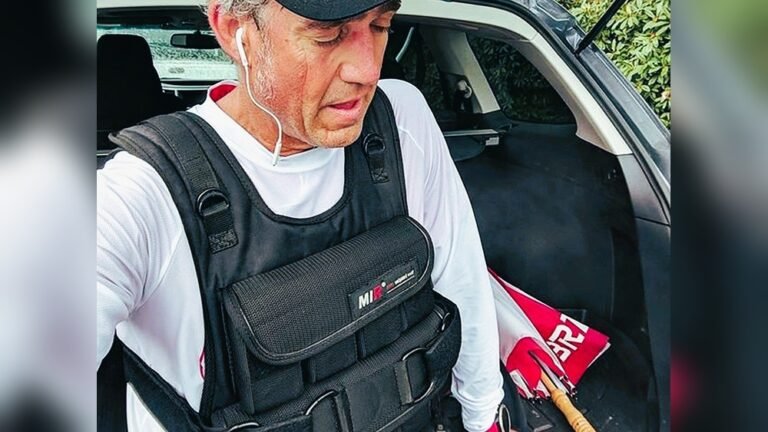
Wear the vest so it sits close to your torso. It should not shift or bounce during movement. Adjust straps to keep the vest stable and secure. The weight must be evenly spread across your upper body. Proper positioning improves comfort and prevents strain.
Choosing Your Vest
Choosing the right weighted vest is essential for comfort and effectiveness. This decision depends on several key factors. Understanding these will help you select a vest that fits your needs perfectly. The right vest supports your workout and avoids injury.
Bodyweight Considerations
Your bodyweight helps determine the vest size and weight. A heavier person can often handle more weight safely. Lighter individuals should start with less weight. This reduces strain on joints and muscles. Choose a vest that feels secure without restricting movement.
Weight Load Preferences
Decide how much extra weight you want to carry. Start with a low weight for basic exercises. Increase weight gradually as your strength improves. Adjustable vests offer flexibility to change the load. Avoid weights that cause pain or poor posture.
Material And Durability
The vest material affects comfort and lifespan. Look for breathable fabrics to reduce sweat and heat. Strong stitching and quality fabric prevent tears. Durable materials maintain shape even after heavy use. Choose a vest that lasts through many workouts.
Credit: www.posudaeuro-market.ru
Progression Strategies
Progression strategies help you use a weighted vest safely and effectively. They guide you to increase weight and intensity gradually. This approach lowers injury risk and improves strength over time. Follow these strategies to make steady progress with your weighted vest training.
Starting Light And Increasing
Begin with a light weighted vest to allow your body to adjust. Choose a weight that feels manageable for your exercises. Gradually add weight as you build strength and endurance. Increasing too fast can cause pain or injury. Start slow and listen to your body’s signals.
Using Removable Weights
Weighted vests with removable weights offer great flexibility. You can add or remove weight plates based on your workout goals. This feature helps you control the intensity easily. Use fewer weights for longer sessions or more weights for short bursts. Removable weights make progression smooth and safe.
Tracking Performance Gains
Keep a record of your workouts and the vest’s weight. Note changes in reps, sets, or exercise duration. Tracking helps you see improvements and adjust the vest weight correctly. It also motivates you to stay consistent. Regular tracking ensures you progress steadily and avoid plateaus.
Frequently Asked Questions
How To Determine Weighted Vest Size?
Measure your chest and waist to find the right vest size. Check the brand’s size chart for a perfect fit. Choose adjustable vests for flexibility. Ensure the vest fits snugly without restricting movement. Select weight based on your fitness level and workout type.
Should I Get A 12 Or 16 Lb Weighted Vest?
Choose a 12 lb vest if you’re new to weighted training or want light added resistance. Opt for 16 lb if you seek a tougher challenge and have more experience. Always listen to your body and adjust weight to avoid joint strain or poor form.
What Size Weighted Vest For A 160 Lb Woman?
A 160 lb woman should start with a weighted vest between 10-20% of her body weight. Choose 16-32 lbs for balanced intensity and comfort. Select adjustable vests to modify weight as fitness improves. Always listen to your body to avoid strain or injury.
How Much Weight Should I Wear On My Weighted Vest?
Start with 5-10% of your body weight for beginners. Increase gradually based on comfort and exercise intensity. Stop if joint pain occurs.
Conclusion
Choosing the right weighted vest size improves comfort and workout results. Start with lighter weights to avoid strain or injury. Adjust the vest as your strength and endurance grow. Proper fit ensures better balance during exercises like pushups and squats.
Remember to listen to your body and stop if pain occurs. A well-fitted vest helps you exercise safely and effectively. Keep these tips in mind for your fitness journey. Your perfect weighted vest size makes training more enjoyable and productive.