Choosing the right wrist wraps can make a huge difference in your training and performance. But how do you know which size fits you best?
If your wraps are too tight, they’ll cut off circulation; too loose, and they won’t provide the support you need. You might be wondering how to measure your wrist correctly or what length is ideal for your hand size and workout intensity.
This size guide for wrist wraps is designed to clear up all that confusion. By the end, you’ll know exactly which wrist wraps are perfect for you—offering the support, comfort, and protection you need to push your limits safely. Keep reading to find your perfect fit and take your training to the next level!
Wrist Wrap Lengths
Wrist wrap lengths vary to match different training needs and hand sizes. Choosing the right length improves comfort and support during workouts. Each length serves a unique purpose, from light protection to strong wrist stabilization.
Short Wraps For Beginners
Short wrist wraps usually measure around 12 inches. They suit beginners and people with smaller hands. These wraps offer basic wrist support and protect against minor injuries. Short wraps feel lighter and are quicker to put on. They work well for light exercises and fitness training. Avoid short wraps for heavy lifting or intense sparring.
Medium Wraps For Versatile Use
Medium wrist wraps range from 18 to 24 inches in length. They provide a balance between support and flexibility. These wraps fit most hand sizes comfortably. Medium wraps work for various activities like weightlifting, boxing, and CrossFit. They offer better wrist stability than short wraps. Medium wraps adapt well to different training levels.
Long Wraps For Maximum Support
Long wrist wraps measure 36 inches or more. They deliver the strongest wrist support available. These wraps are best for heavy lifting and intense combat sports. Long wraps protect the wrist and knuckles with extra padding. They help prevent injuries during heavy bag work and sparring. Long wraps take longer to apply but offer superior protection.
Measuring Your Wrist
Measuring your wrist accurately is essential to find the right wrist wraps. Proper measurement ensures comfort and effective support during workouts. This section helps you measure key wrist dimensions easily.
Finding Wrist Circumference
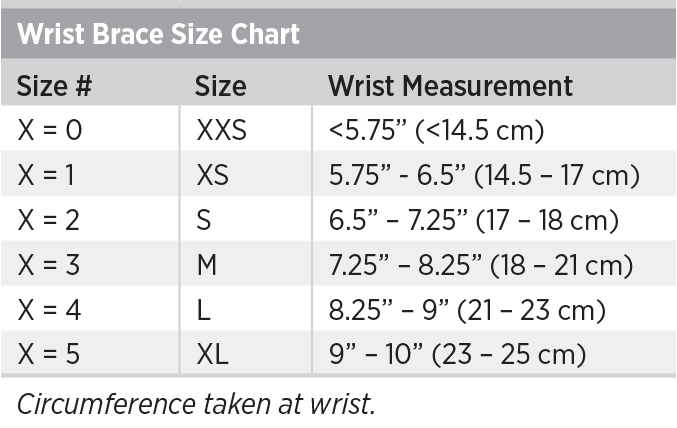
Wrap a flexible measuring tape around your wrist. Place it just below the wrist bone. Keep the tape snug but not tight. Note the number where the tape meets itself. This is your wrist circumference. Use this number to select the correct wrap size.
Measuring Palm Width
Spread your fingers slightly and measure across the widest part of your palm. The tape should go from the base of your index finger to the outer edge of your palm. This helps ensure the wrap fits well around your hand. It also aids in choosing the right length for optimal coverage.
Using A Measuring Tape Effectively
Use a soft cloth or tailor’s measuring tape for accuracy. Avoid metal tapes as they are rigid. Hold the tape flat against your skin without gaps. Measure twice for consistency. Write down your measurements immediately. Accurate tape use prevents wrong size selection and discomfort.
Choosing Based On Activity
Choosing the right wrist wraps depends heavily on the activity you plan to do. Different sports and training styles require varied levels of support and flexibility. Picking wrist wraps that match your activity helps protect your wrists and improve your performance.
Light Training And Fitness
For light training and general fitness, shorter wrist wraps work best. They offer enough support without feeling bulky. These wraps are perfect for beginners or those doing light bag work and basic exercises. They are quick to put on and comfortable under gloves. Keep in mind, they do not provide heavy-duty support.
Heavy Bag And Sparring
Training with a heavy bag or sparring needs wrist wraps that give more protection. Longer wraps provide better wrist stability and extra padding for knuckles. They help prevent injuries during intense sessions. These wraps take more time to wrap but offer superior support. Ideal for serious fighters and those with larger hands.
Powerlifting And Weightlifting
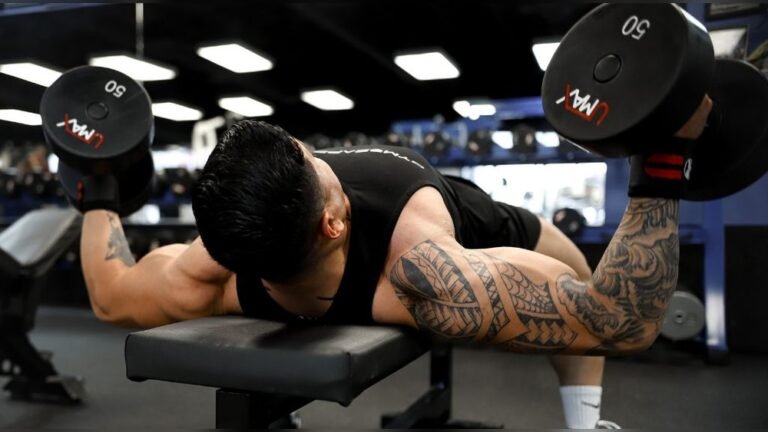
Powerlifting and weightlifting demand wrist wraps that maximize wrist strength. Choose wraps that are thick and sturdy. They keep the wrist joint locked to avoid strain and injury. These wraps are usually longer to cover more wrist area. They help maintain proper form during heavy lifts and reduce fatigue.
Credit: www.pediacaremed.com
Support Levels Explained
Understanding wrist wrap support levels helps you pick the right type. Different wraps offer varying protection for your wrists and hands. Choosing the right support level reduces injury risk and improves comfort during workouts.
Each support level suits different training needs and hand sizes. Below, the key features of each level are explained clearly.
Basic Protection Features
Basic wrist wraps provide light support for casual use. They help keep your wrist stable during light exercises. These wraps are thin and easy to wear under gloves. Ideal for beginners or light bag work. They protect against minor strains but do not offer strong compression.
Enhanced Wrist Stability
Wraps with enhanced stability offer firmer support for intense workouts. They have thicker, tighter material for better wrist locking. These wraps reduce wrist movement to prevent injury during heavy lifting. Suitable for serious training and sparring. They help maintain proper wrist alignment under stress.
Knuckle And Joint Padding
Advanced wraps include extra padding over knuckles and joints. This padding cushions impact during heavy bag work or sparring. They protect vulnerable areas from bruises and cuts. These wraps are bulkier but provide maximum hand protection. Best choice for fighters and athletes needing full hand safety.
Material Types And Comfort
Choosing the right wrist wraps depends a lot on the material and comfort. Wrist wraps come in different materials. Each offers unique benefits for support and wearability. Comfort is key during workouts. The right material helps maintain wrist stability without causing discomfort.
Understanding differences in fabric types helps you pick wraps that suit your needs and training style.
Cotton Vs Elastic Wraps
Cotton wrist wraps feel soft and natural on the skin. They absorb sweat well and reduce irritation. These wraps offer moderate support and are great for light training or beginners. Elastic wraps stretch more, giving a tighter, adjustable fit. They provide stronger wrist support. Elastic is better for heavy lifting and intense workouts. Both types have pros and cons, based on your activity level and comfort needs.
Breathability And Sweat Management
Breathability affects how your skin feels during exercise. Cotton wraps allow air to flow through, helping keep wrists cool. Elastic wraps often trap heat and sweat, which can cause discomfort. Some elastic blends include mesh or perforations for better airflow. Good sweat management prevents slipping and skin irritation. Choose wraps that balance support with moisture control.
Durability And Stretch
Durability depends on material quality and construction. Cotton wraps are strong but may lose shape after many washes. Elastic wraps keep their stretch longer, maintaining firm support. Overstretching elastic can reduce its effectiveness. Look for wraps with reinforced stitching for longer life. Proper care extends the lifespan of your wrist wraps.
Credit: www.ebay.com
Wrapping Techniques
Wrapping techniques play a key role in the effectiveness of wrist wraps. Proper wrapping protects your wrists and improves stability during workouts. Different methods suit different training needs. Learning the right technique helps avoid injury and boosts performance.
Below are simple guides to three common wrapping styles. Each method focuses on a specific purpose and skill level.
Quick Wrap For Beginners
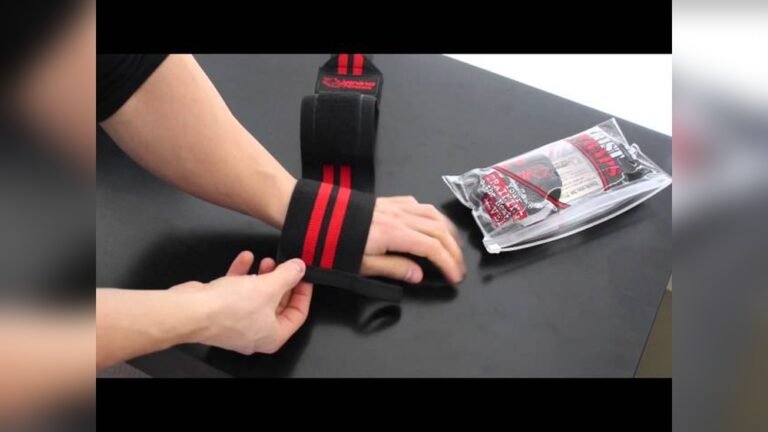
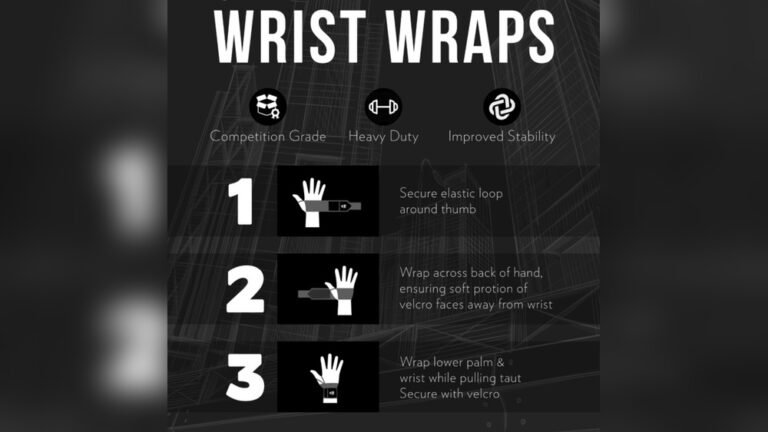
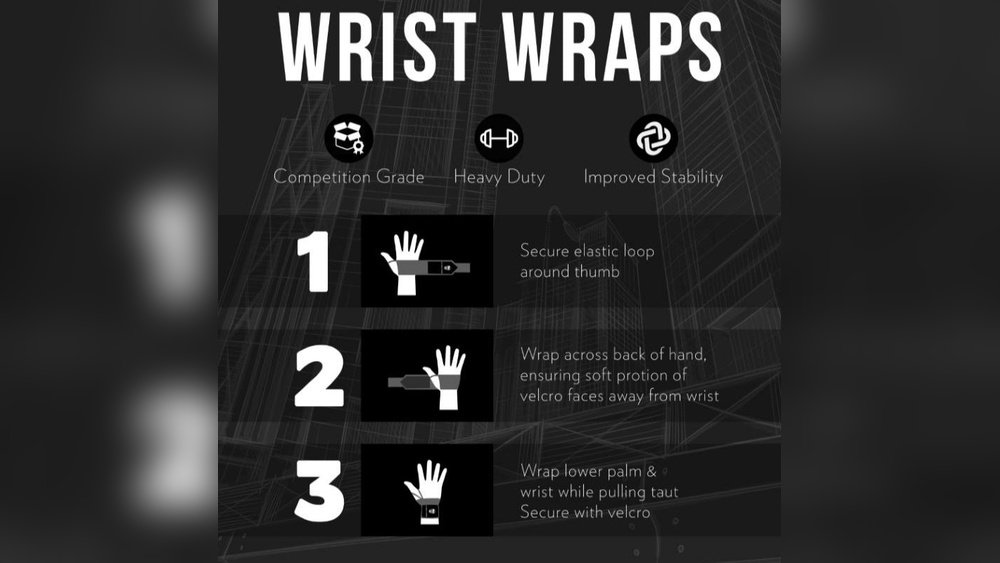
This technique is fast and easy. Start by placing the loop around your thumb. Wrap around your wrist two or three times for basic support. Then, wrap lightly across the back of your hand. Finish by securing the wrap with the Velcro strap. It offers enough protection for light workouts or fitness training. Perfect for those new to wrist wraps.
Secure Wrap For Heavy Training
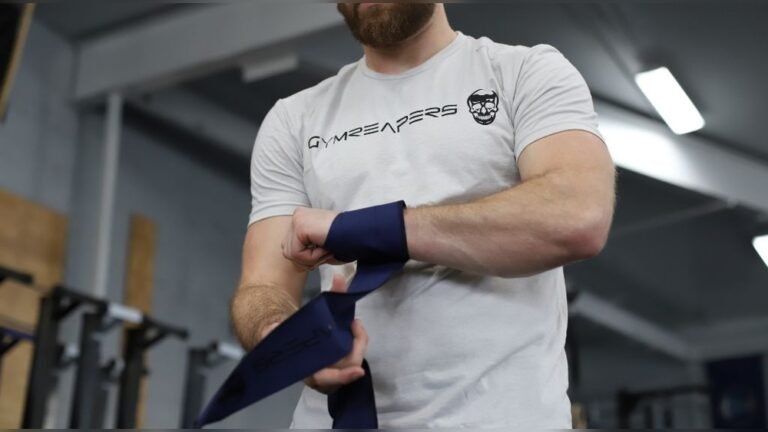
This method offers strong support for intense sessions. Begin by looping around the thumb. Wrap tightly around the wrist four to five times for extra stability. Next, wrap around the knuckles to protect the hand. Then, cross back over the wrist to lock the wrap in place. This technique prevents wrist bending during heavy lifts or sparring. Ideal for serious athletes and heavy bag work.
Common Wrapping Mistakes
Many make errors that reduce wrap effectiveness. Wrapping too loosely causes weak support and wrist strain. Wrapping too tightly cuts off circulation and feels uncomfortable. Avoid leaving gaps or wrinkles, which can cause skin irritation. Not covering the knuckles leaves them unprotected. Correct wrapping ensures safety and comfort during training.
Sizing Tips For Different Brands
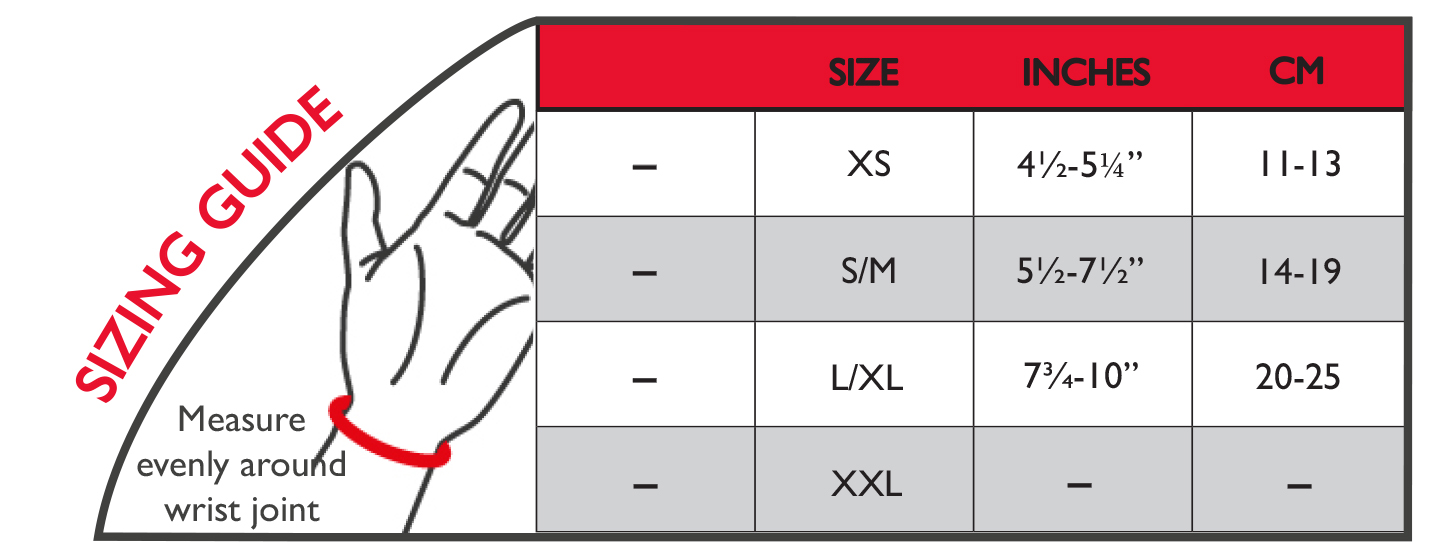
Choosing the right wrist wrap size varies by brand. Each brand uses different measurements and sizing standards. This makes it important to understand each chart before buying. Knowing how to adjust for your fit style helps improve comfort and support. Learning when to size up or down avoids common mistakes and ensures better wrist protection.
Comparing Brand Size Charts
Each brand offers a unique size chart for wrist wraps. Some use inches, others use centimeters. Sizes may differ even for similar wrist measurements. Check the chart closely before choosing your size. Note the smallest and largest wrist measurements for each size. This helps you pick the best fit for your wrist.
Adjusting For Fit Preferences
Some prefer tighter wraps for more support. Others want a looser fit for comfort. Consider how you like your wrist wraps to feel. If you like tight wraps, choose a size closer to your wrist measurement. If you want looser wraps, pick a size slightly larger. Adjusting size based on preference improves your experience.
When To Size Up Or Down
Size up if you have wider wrists or want extra padding. Larger sizes allow more wrap layers and better protection. Size down if your wrists are smaller or you want less bulk. Smaller wraps are quicker to put on and feel lighter. Choose carefully to avoid wraps that are too loose or too tight.
Maintaining Your Wrist Wraps
Proper care keeps your wrist wraps in great shape. Maintaining them extends their life and keeps support strong. Clean wraps prevent odors and skin irritation. Storing wraps correctly avoids damage and deformation. Replace wraps when they wear out to ensure safety and comfort. Follow simple steps for cleaning, storing, and replacing your wrist wraps.
Cleaning And Washing
Wash wrist wraps regularly after use. Hand wash with mild soap and cold water. Avoid harsh detergents that weaken fabric fibers. Rinse thoroughly to remove all soap. Hang wraps to air dry completely before storing. Do not use a dryer as heat can damage elastic materials. Clean wraps stay fresh and keep skin healthy.
Storage Tips
Store wrist wraps in a cool, dry place. Avoid direct sunlight to prevent fading and material breakdown. Roll wraps loosely to maintain elasticity and shape. Use a dedicated pouch or bag for storage. Keep wraps away from sharp objects that can cause tears. Proper storage preserves wrap support and comfort.
Replacing Worn Wraps
Check wrist wraps for signs of wear regularly. Look for frayed edges, stretched fabric, or weak Velcro. Replace wraps if they lose tightness or support. Old wraps may cause injuries during training. Invest in new wraps to protect your wrists effectively. Timely replacement ensures consistent wrist support.

Credit: www.allsportdynamics.com
Frequently Asked Questions
How To Choose Wrist Wrap Size?
Measure your wrist circumference with a tape. Choose wraps that match this size for proper support and comfort. Select length based on training intensity and hand size. Short wraps suit beginners; longer wraps provide extra support for heavy lifting.
How Do You Know What Size Wraps To Get?
Measure your wrist circumference with a tape around its widest part. Choose wraps matching that size for proper support and comfort. Shorter wraps suit beginners and light training; longer wraps provide more support for heavy lifting and intense workouts.
What Size Wrist Strap Do I Need?
Measure your wrist circumference with a tape. Choose a strap length matching your wrist size for comfortable support and protection.
Should I Get 120 Or 180 Handwraps?
Choose 120-inch wraps for beginners, smaller hands, light training, and less bulk. Opt for 180-inch wraps for heavy bag work, sparring, larger hands, and maximum support. Longer wraps offer better wrist and knuckle protection but take more time to wrap.
Conclusion
Choosing the right wrist wrap size improves your training comfort and support. Measure your wrist carefully for an accurate fit. Smaller wraps suit light workouts and beginners well. Longer wraps offer better support for heavy lifting and sparring. A proper fit protects your wrists and enhances performance.
Keep these tips in mind to find the best wraps for you. Your hands and wrists will thank you during every workout. Stay consistent and enjoy safer training with the right wrist wraps.