
When it comes to building strength and improving your fitness, the barbell set you choose can make all the difference. But with so many types of barbell sets available, how do you know which one fits your workout style and goals?
Whether you’re lifting at home or hitting the gym, understanding the different barbells will help you get the most out of every rep. You’ll discover the key types of barbell sets, what makes each unique, and how to pick the perfect one for your training.
Ready to lift smarter? Let’s dive in.
Credit: www.shoshitamam.com
Barbell Types
Barbells come in different types for various workout needs. Each type suits a specific training style. Knowing barbell types helps you choose the right one. This choice improves your workout and safety.
Here are the main types of barbells used in gyms and home setups.
Olympic Barbells
Olympic barbells are the most common for serious lifters. They weigh 20 kilograms (about 44 pounds) for men. Women’s Olympic barbells are lighter, about 15 kilograms. These bars have rotating sleeves to protect your wrists. They fit standard Olympic weight plates. These barbells are great for lifts like snatch and clean & jerk.
Powerlifting Barbells
Powerlifting barbells focus on heavy lifts like squats and deadlifts. They are thicker and stiffer than Olympic bars. This design prevents bending during heavy lifts. These bars usually weigh 20 kilograms. They have less spin on sleeves to keep plates steady. Powerlifters prefer these for their strength training routines.
Standard Barbells
Standard barbells are lighter and shorter than Olympic bars. They usually weigh around 15 pounds (7 kilograms). These bars use smaller weight plates with a 1-inch hole. They are common in home gyms and for beginners. Standard barbells are good for general fitness and light lifting.
Specialty Barbells
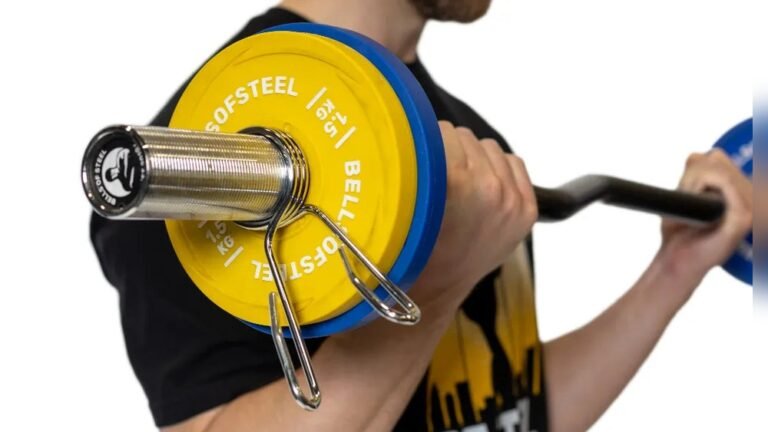
Specialty barbells serve specific training needs. Examples include trap bars, safety squat bars, and cambered bars. Trap bars help with deadlifts and reduce back stress. Safety squat bars add padding and handles for comfort. Cambered bars change the lift angle for muscle focus. These bars support targeted workouts and injury prevention.

Credit: vixencomposites.com
Barbell Materials
Choosing the right barbell involves understanding the materials used. Barbell materials affect strength, durability, and grip. Knowing these details helps pick a barbell that fits your workout needs and budget.
Steel Quality
Steel forms the core of every barbell. High-quality steel means better strength and less bending. Bars made from stainless steel resist rust and last longer. Lower-grade steel can bend easily and wear out fast. Look for tensile strength ratings. A higher number means a stronger barbell.
Coatings And Finishes
Coatings protect the steel from rust and damage. Common finishes include chrome, zinc, and black oxide. Chrome is shiny and resists corrosion well. Zinc offers a matte look and good protection. Black oxide is less shiny but adds grip and rust resistance. Some barbells use knurled finishes to improve handling.
Grip And Knurling
Knurling is the textured pattern on the barbell’s grip area. It helps prevent slipping during lifts. Some barbells have aggressive knurling for a firm hold. Others use smoother knurling for comfort. Grip diameter also matters. Thicker grips challenge your forearms more, while thinner grips feel easier to hold.
Barbell Sizes
Choosing the right barbell size is crucial for effective workouts. Barbell sizes vary to fit different training needs and body types. Understanding these sizes helps you pick the best barbell for your exercises. The three main factors to consider are length, diameter, and weight options.
Length Variations
Barbells come in different lengths. Standard barbells are usually around 5 to 7 feet long. Olympic barbells tend to be about 7 feet long. Shorter bars, like curl bars, range from 3 to 5 feet. The length affects the type of exercises you can do. Longer bars allow for more weight and wider grip options.
Diameter Differences
Barbell diameters also vary. The grip thickness typically ranges from 25mm to 32mm. Olympic bars usually have a 28mm or 29mm diameter. Thicker bars build stronger grip strength. Thinner bars suit beginners and lighter lifts. The diameter influences comfort and control during lifts.
Weight Options
Barbells come in various weights. Standard bars weigh around 15 to 25 pounds. Olympic bars are heavier, usually 44 pounds for men’s bars and 33 pounds for women’s bars. Specialty bars may weigh more or less. Choose the weight that matches your strength and workout goals.

Credit: www.amazon.sa
Barbell Sets
Barbell sets are essential for strength training and muscle building. They offer a variety of options to suit different workout needs and skill levels. Choosing the right set can improve your exercise routine and help you reach fitness goals faster.
Barbell sets come in several types. Each type has unique features and benefits. Understanding these can help you pick the best option for your home gym or fitness center.
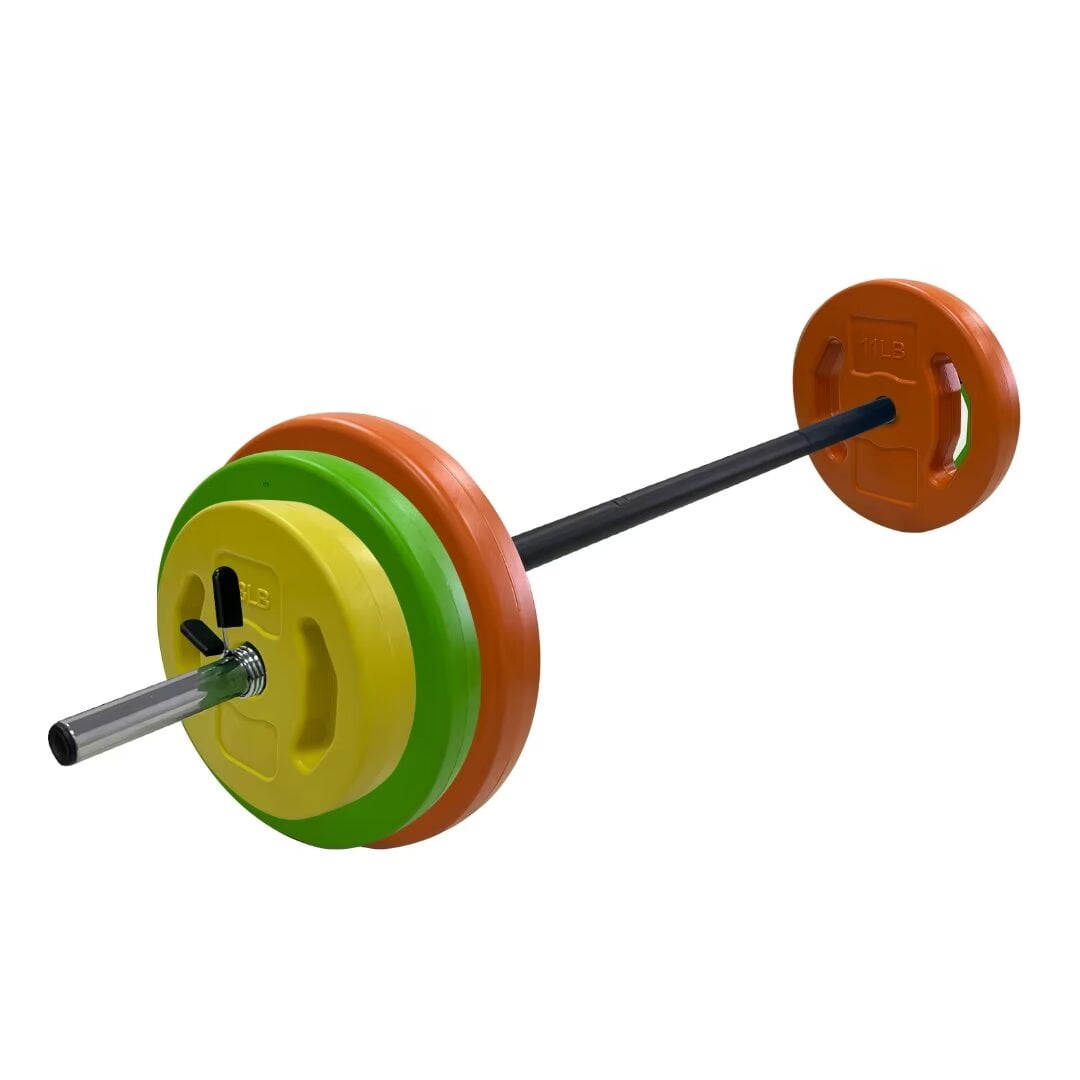
Complete Weight Sets
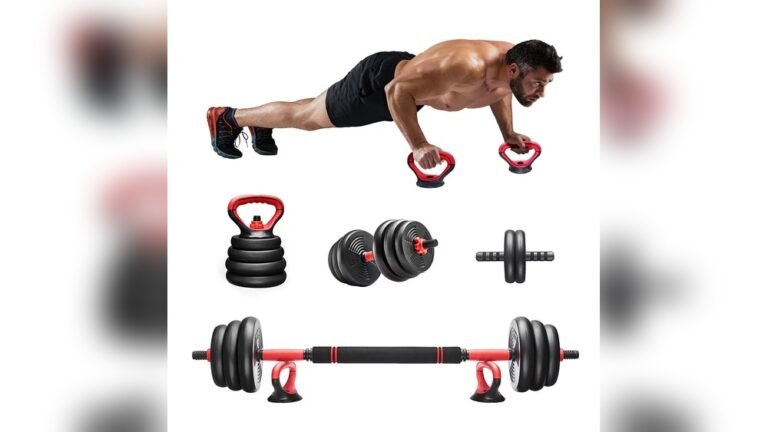
Complete weight sets include a barbell with a full range of weight plates. This setup allows you to start lifting right away. The plates are usually made of metal or rubber. These sets are great for beginners and those who want a ready-to-use solution. They provide a balanced workout experience with fixed weight increments.
Adjustable Barbell Sets
Adjustable barbell sets let you change the weight easily. You can add or remove plates based on your strength level. This type is very flexible and saves space. It suits users who want gradual progress. Adjustable sets are ideal for home gyms with limited room.
Fixed Weight Sets
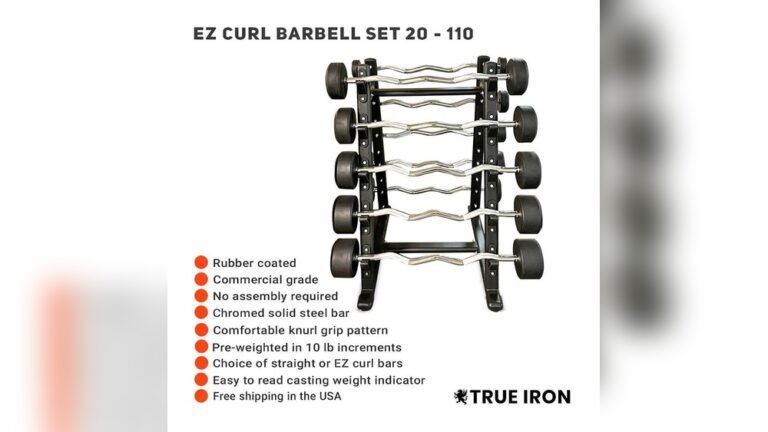
Fixed weight barbells come with weights that cannot be changed. They are simple and durable. These sets are perfect for quick workouts and group training sessions. Fixed barbells often have different weights for various exercises. They provide convenience without the hassle of adjusting plates.
Choosing By Workout
Choosing the right barbell set depends on the type of workout you plan to do. Each workout style requires specific barbell features for best results. Understanding these needs helps you pick a barbell that matches your fitness goals. Below are common workout types and the best barbells for each.
Strength Training
Strength training needs heavy-duty barbells. Look for bars with high weight capacity and solid construction. These bars handle heavy plates and intense lifting. Knurling should be firm for a strong grip. Durable steel and good whip help during powerlifting moves.
Weightlifting
Weightlifting barbells must be flexible and lightweight. Olympic barbells are ideal due to their spin and whip. They allow smooth, fast lifts like snatches and clean and jerks. Look for bars with rotating sleeves to reduce wrist strain. Precision and balance are key features here.
Home Gym Use
Home gyms need versatile barbells for various exercises. Standard or Olympic bars work well depending on space and budget. Choose bars that fit your weight plates and storage space. A bar with moderate knurling suits different lifts. Durability is important but so is convenience.
Crossfit And Functional Training
CrossFit requires barbells that handle varied workouts. Bars should be strong yet flexible for different movements. Good grip and spin are essential for fast lifts and transitions. Look for bars designed to resist wear from constant use. Versatility and toughness are vital for CrossFit training.
Price And Quality
Choosing the right barbell set depends a lot on price and quality. Both factors affect your workout experience and the durability of the equipment. Good quality barbells last longer and feel better to use. Price often reflects the materials and design of the set. Understanding different price ranges helps find a set that suits your budget and needs.
Budget Options
Budget barbells cost less but still offer decent quality. These sets suit beginners and casual lifters. They often use standard steel and basic finishes. Weight plates may be lighter or made of cheaper materials. Expect less smooth rotation on sleeves. These barbells work well for home gyms with limited budgets. They provide a solid start without a large investment.
Mid-range Picks
Mid-range barbells balance quality and price well. They use better steel and improved craftsmanship. Sleeves usually have smoother bearings or bushings. Weight plates may be coated to resist rust and damage. These sets suit regular gym users who want reliable equipment. Durability and performance improve noticeably in this range. Ideal for those who train often and want better feel.
Premium Sets
Premium barbells offer top quality and advanced features. They use high-grade steel with excellent tensile strength. Sleeves have precision bearings for smooth rotation. Weight plates are often calibrated and coated with durable materials. These sets suit serious lifters and professional gyms. Premium barbells provide superior balance and grip. Expect a longer lifespan and excellent performance.
Maintenance And Care
Proper maintenance and care keep your barbell set safe and functional. Regular attention prevents rust and damage. It also ensures smooth performance for every workout. Follow simple steps to clean, store, and protect your barbell. These habits extend the life of your equipment.
Cleaning Tips
Wipe down your barbell after each use. Use a dry cloth to remove sweat and dust. For deeper cleaning, apply mild soap with water. Avoid harsh chemicals that can harm the metal. Dry the barbell completely to stop rust formation. Use a nylon brush to clean knurling grooves. This removes dirt and chalk buildup effectively.
Storage Advice
Store your barbell in a dry place to prevent moisture. Use a rack or wall mount to keep it off the floor. Avoid leaning it against walls where it can bend or fall. Cover the barbell with a cloth or sleeve to block dust. Keep weight plates separate and organized. Proper storage keeps the barbell straight and rust-free.
Longevity Enhancements
Apply light oil to the barbell sleeves regularly. This maintains smooth rotation and reduces wear. Check collars and screws for tightness before workouts. Replace damaged parts immediately to avoid injury. Avoid dropping the barbell on hard surfaces. Use rubber mats to protect both barbell and floor. These steps help your barbell last longer and perform better.
Frequently Asked Questions
What Are The Common Types Of Barbell Sets?
Common barbell sets include standard, Olympic, and specialty barbells. Each varies in length, weight, and grip style for different exercises.
How To Choose The Right Barbell Set For Beginners?
Beginners should start with standard or Olympic barbells with moderate weight. Focus on durability, grip comfort, and compatibility with available weights.
What Is The Difference Between Standard And Olympic Barbells?
Standard barbells usually weigh 15-25 lbs and have 1-inch sleeves. Olympic barbells weigh 44 lbs and have 2-inch sleeves for heavier plates and advanced lifts.
Can I Use A Barbell Set For Home Workouts?
Yes, barbell sets are excellent for home gyms. Choose compact, versatile sets with adjustable weights for various strength training exercises.
Conclusion
Choosing the right barbell set depends on your fitness goals and space. Each type offers unique benefits for strength training and muscle growth. Standard barbells suit beginners, while Olympic barbells fit serious lifters. Consider weight capacity and bar length for safety.
Proper equipment helps improve form and prevent injury. Start with a set that matches your needs and budget. Enjoy steady progress by using the right barbell for your workouts.