When it comes to lifting heavier weights or pushing your limits in the gym, your grip can often be the weak link. That’s where lifting straps come in—they help you hold onto the bar longer and lift more safely.
But did you know there are different types of lifting straps designed for various needs? Choosing the right one can make a big difference in your performance and comfort. You’ll discover the main types of lifting straps and how each can boost your workout.
Whether you’re deadlifting, rowing, or doing Olympic lifts, knowing which strap suits your style will help you lift smarter and stronger. Keep reading to find the perfect match for your grip!
Credit: www.youtube.com
Lasso Straps
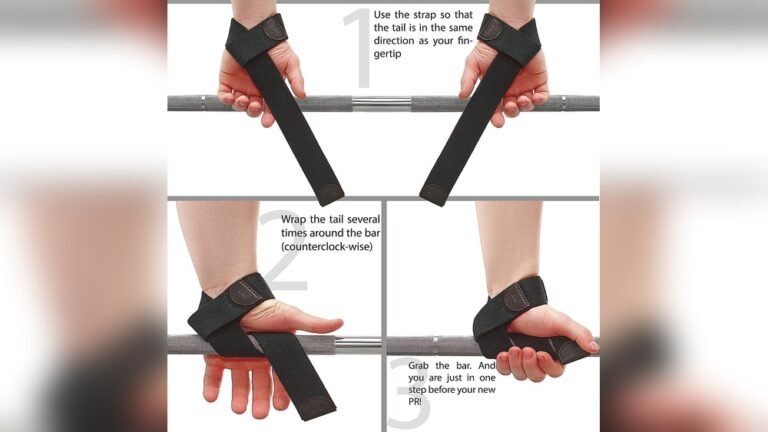
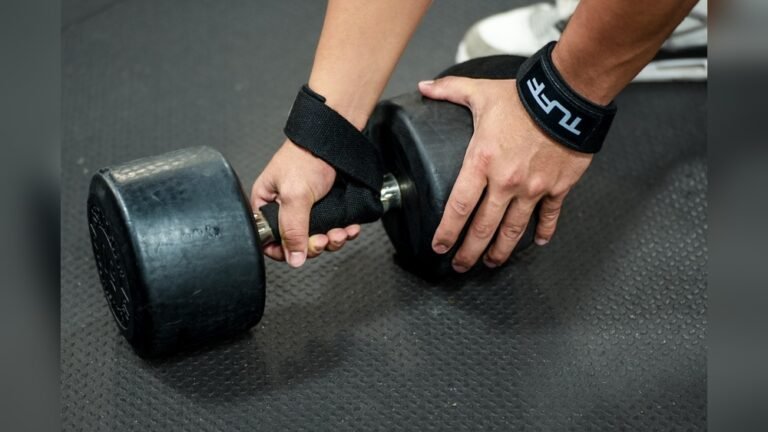
Lasso straps are a popular choice for weightlifters of all levels. They wrap securely around the wrist and the bar, providing extra grip support. This type helps reduce the strain on your hands during heavy lifts. Many find lasso straps simple to use and effective for improving lifting performance.
Design And Features
Lasso straps consist of a long piece of material with a loop at one end. The loop fits around your wrist tightly. The other end wraps around the barbell or dumbbell. These straps are usually made from cotton or leather. Their design allows a strong hold without slipping. Some models include padding for wrist comfort. The straps tighten as you grip, enhancing your hold.
Ideal Uses
Lasso straps work well for deadlifts, rows, and shrugs. They help hold the bar firmly during heavy lifts. Lifters use them to reduce grip fatigue. These straps suit beginners and advanced lifters alike. They also perform well in powerlifting and bodybuilding. Lasso straps are helpful during high-rep sets or max lifts. They allow you to focus on your form and strength.
Pros And Cons
Pros include easy adjustment and strong grip support. They reduce hand strain and improve lifting confidence. Lasso straps are durable and often affordable. On the downside, they can cause wrist discomfort if too tight. Some lifters find them tricky to adjust quickly. They may also limit wrist mobility during certain exercises. Proper use and fit are key to avoiding issues.

Credit: garagegymlab.com
Figure-eight Straps
Figure-eight straps stand out for their unique design and strong grip. They wrap around the wrist and bar in a figure-eight shape. This design gives lifters more control over heavy weights. Many powerlifters and serious lifters prefer these straps for their reliability and security during lifts.
Construction And Grip
Figure-eight straps usually feature a single continuous loop. This loop forms the figure-eight shape when wrapped around the bar and wrist. They are often made of strong materials like cotton or nylon. The grip is tight and secure, reducing the chance of the bar slipping. The design allows a quick and firm hold without complex wrapping.
Best For Heavy Lifts
These straps are excellent for heavy lifts like deadlifts and shrugs. They help lifters hold onto the bar more firmly. The figure-eight design reduces grip fatigue during long sets. This makes them popular in powerlifting and strongman training. Lifters can focus more on strength than grip strength with these straps.
Limitations
Figure-eight straps are not as versatile as other types. They can be harder to adjust quickly between sets. Some find them uncomfortable because they restrict wrist movement more. They may not be the best choice for exercises needing wrist flexibility. Beginners might also find them tricky to use at first.
Wrist Wrap Straps
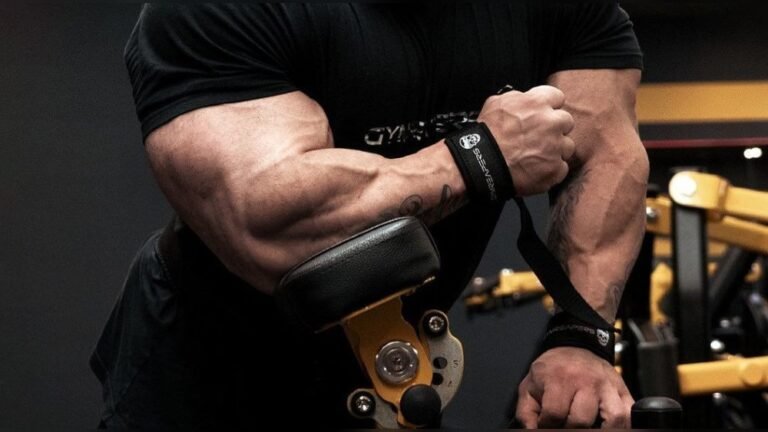
Wrist wrap straps provide strong support by wrapping around the wrist and bar. They combine wrist stability with grip assistance for heavy lifts. These straps suit lifters who want secure control and wrist protection.
Wrap Style And Fit
Wrist wrap straps cover the wrist fully and loop around the bar. This style keeps the strap tight and secure during lifts. The fit is adjustable with hook-and-loop fasteners, allowing a snug hold. A good fit prevents slipping and offers steady wrist support.
Convenience And Comfort
These straps are easy to put on and take off before and after sets. They reduce strain on the wrist and help maintain grip without extra effort. Padded versions add comfort by cushioning the wrist against pressure. Some find them bulky, but the support often outweighs this.
When To Choose
Wrist wrap straps work well for heavy pulling exercises like deadlifts and rows. They help lifters with weak grip or wrist pain to lift safely. Choose them for workouts requiring both wrist stability and grip strength. They suit bodybuilders and powerlifters who handle heavy weights regularly.
Closed-loop (olympic) Straps
Closed-Loop (Olympic) straps are a popular choice among serious lifters. These straps form a secure loop around the wrist and barbell. The design prevents slipping and offers strong grip support. They are especially favored in Olympic weightlifting for their reliability and ease of use.
Quick Release Mechanism
Closed-Loop straps usually feature a quick release mechanism. This allows lifters to remove the straps fast after a lift. The mechanism helps avoid delays between sets. It also enhances safety during heavy lifts by enabling a swift exit.
Suitability For Olympic Lifts
These straps suit Olympic lifts like snatches and clean and jerks. They provide a tight hold without restricting wrist movement. Lifters can maintain control while executing fast, dynamic motions. The secure loop reduces the risk of the bar slipping.
Performance Benefits
Closed-Loop straps improve grip strength by taking pressure off the hands. This helps lifters focus on technique and power. The firm hold increases confidence during heavy lifts. It also reduces hand fatigue, allowing more reps and longer training sessions.
Material Types
Lifting straps come in various materials, each offering unique benefits. Choosing the right material affects comfort, grip, and durability. Understanding these materials helps you pick the best strap for your workouts.
Cotton Straps
Cotton straps are soft and absorb sweat well. They provide a comfortable feel during lifting sessions. These straps reduce skin irritation and are gentle on the wrists. Cotton straps work great for beginners and everyday use. They also offer decent grip without damaging the barbell.
Leather Straps
Leather straps are strong and long-lasting. They offer excellent support for heavy lifts. These straps may feel stiff at first but soften with use. Leather provides a secure grip and resists wear and tear. They suit lifters who need durability and classic style in their gear.
Nylon Straps
Nylon straps are lightweight and highly durable. They resist stretching and moisture better than other materials. Nylon offers a firm grip, making it popular for intense workouts. These straps dry quickly and maintain strength over time. Nylon is ideal for lifters who want reliable performance under pressure.
Padded Vs Non-padded
Lifting straps come in two main varieties: padded and non-padded. Each type offers distinct benefits depending on your workout needs and personal preferences. Understanding the differences helps you pick the right straps for comfort, support, and performance.
Comfort And Wrist Support
Padded lifting straps provide extra cushioning around the wrist. This padding reduces pressure during heavy lifts, preventing discomfort and soreness. Non-padded straps feel lighter but may dig into the skin during intense sessions. For lifters with sensitive wrists, padded straps offer better protection and comfort.
Bulk And Flexibility
Non-padded straps are thinner and more flexible. They allow greater freedom of movement and easier grip adjustments. Padded straps add bulk, which can limit wrist motion slightly. Some lifters find padded straps bulky, while others appreciate the added padding despite the size.
Choosing Based On Lifting Style
Powerlifters often prefer padded straps for heavy, slow lifts. The extra wrist support helps maintain form and reduces fatigue. Bodybuilders and Olympic lifters may choose non-padded straps to keep flexibility high during fast or varied movements. Your lifting style should guide your strap choice for best results.
Durability And Maintenance
Understanding the durability and maintenance of lifting straps helps extend their life. Proper care keeps straps safe and effective for heavy lifting. Different materials require different attention to stay strong.
Material Longevity
Cotton straps are soft but wear out faster than others. They absorb sweat, which can weaken fibers over time. Leather straps last longer and resist stretching. They stay strong under heavy loads but need regular care. Nylon straps offer high strength and resist moisture well. They last long but may fray if not cared for properly.
Care Tips
Keep straps clean by wiping off sweat and dirt after use. Avoid washing leather straps in water; use a damp cloth instead. For cotton and nylon straps, hand wash with mild soap and air dry. Store straps in a cool, dry place away from sunlight. Avoid folding straps tightly to prevent damage to fibers.
Signs To Replace
Check for frayed edges or loose stitching on all straps. Leather straps that crack or become stiff need replacement. Look for thinning areas or tears in cotton and nylon straps. If straps lose grip or feel weak, replace them immediately. Using damaged straps increases injury risk during lifting.

Credit: www.ifastfitness.com
Top Picks By Category
Choosing the right lifting straps enhances your grip and boosts workout results. Different straps suit different lifting styles. Here are top picks by category to help you find your perfect match.
Best Overall Straps
Gymreapers Lifting Straps stand out for quality and price. They use soft cotton for comfort and strong grip. These straps fit most lifters and work well for various exercises. Their durable design lasts through many sessions.
Best For Powerlifting
Rogue Ohio Straps are built for heavy lifts. Their leather construction offers solid support and toughness. Powerlifters trust these straps for deadlifts and other max effort lifts. The simple design makes them easy to use and reliable.
Best For Bodybuilding
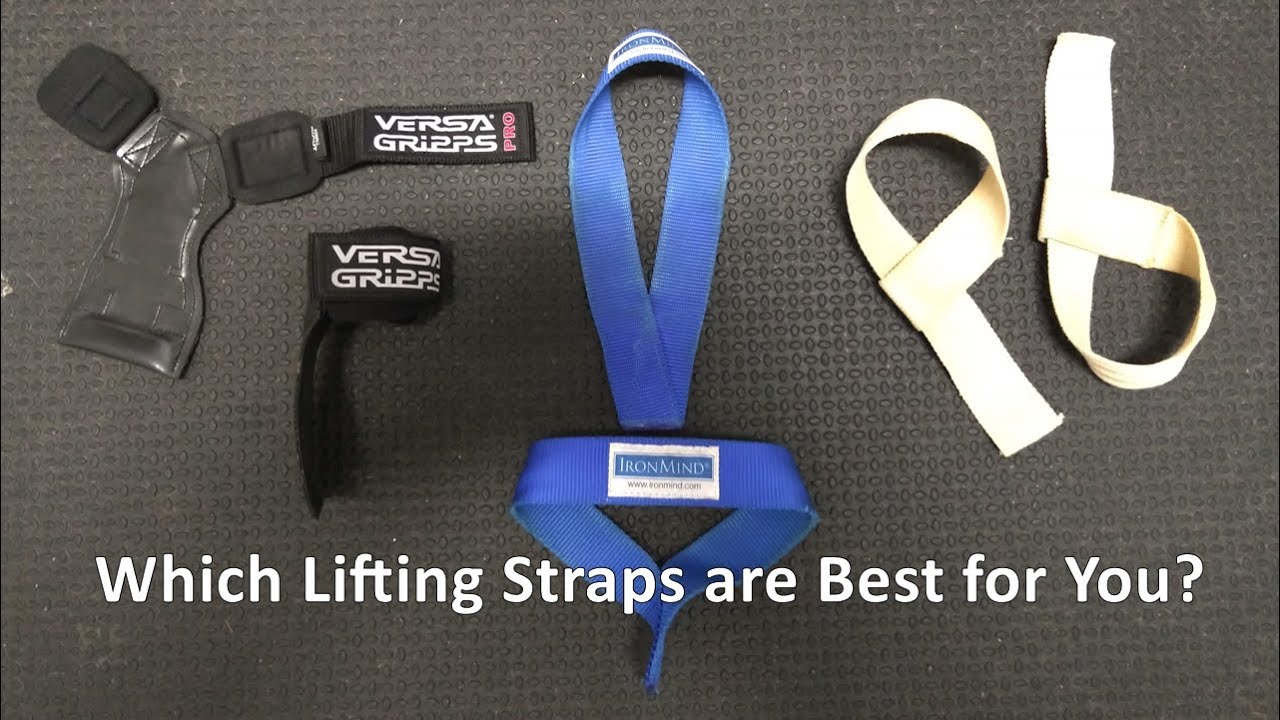
Versa Gripps Pro straps suit bodybuilding and rowing movements. These wrist wrap straps provide extra wrist support. They help maintain grip during high-rep sets and reduce hand fatigue. Some may find them a bit bulky, but the comfort is worth it.
Best Budget Options
DMoose Lifting Straps deliver good quality at a low price. Iron Bull Basic Straps offer solid grip without breaking the bank. Both options use cotton and nylon blends for durability. They are perfect for beginners or those on a budget.
Choosing The Right Strap
Choosing the right lifting strap affects your workout quality and safety. Each strap type suits different lifting styles and needs. Understanding key factors helps pick the best strap for you. The right choice improves grip and comfort during lifts.
Matching Strap To Lift Type
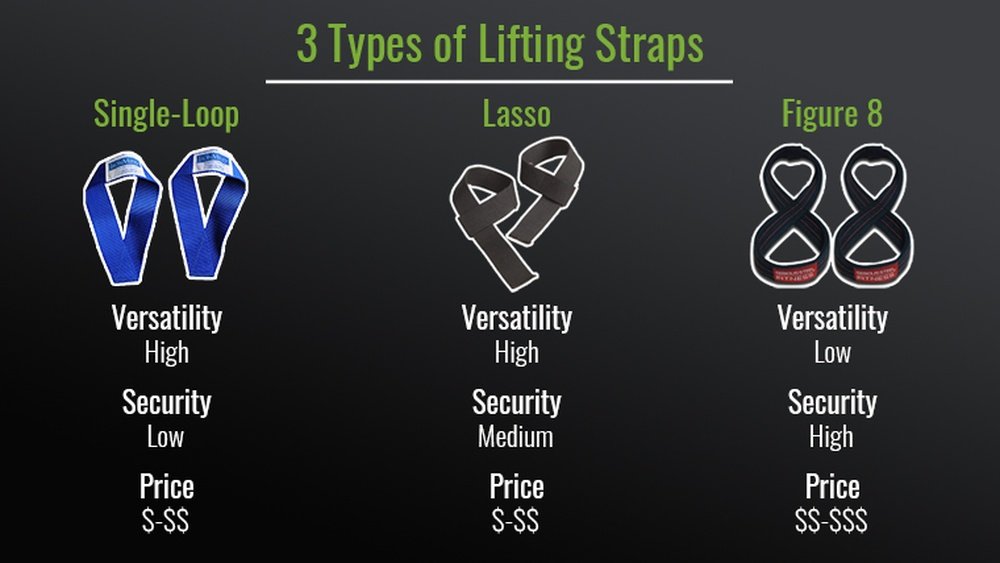
Different lifts require different strap styles. Loop straps work well for general lifting and rows. Figure 8 straps provide extra security for heavy deadlifts. Wrist wrap straps offer convenience for bodybuilding and repeated sets. Choose a strap that fits the lifts you do most.
Grip Strength Considerations
Your natural grip strength guides strap choice. Strong grips might need simpler straps to avoid over-reliance. Weaker grips benefit from straps that fully support the bar. The strap should enhance your grip without causing discomfort or slipping.
Personal Comfort Preferences
Comfort affects how long you can train effectively. Cotton straps feel soft and reduce skin irritation. Leather straps are tough but may feel stiff at first. Nylon straps offer strength but may cause sweating. Pick a strap that feels good on your wrists and hands.
Safety Tips
Using lifting straps improves grip and helps lift heavier weights safely. Yet, improper use can cause injuries or reduce effectiveness. Follow these safety tips to protect your wrists and enhance your workout performance. Proper technique and care keep you safe and strong.
Proper Usage Techniques
Wrap the strap tightly around your wrist first. Then loop it around the bar securely. Ensure the strap lies flat without twists. Keep your grip firm but relaxed. Avoid over-tightening, which can cut off circulation. Practice using straps with lighter weights at first. This builds confidence and perfects your form.
Avoiding Common Mistakes
Do not rely solely on straps for every lift. Straps should support, not replace, your grip strength. Avoid wrapping the strap too loosely or too tightly. Never use damaged or worn-out straps. Check for frayed edges or weak spots before each use. Remove straps immediately if you feel pain or numbness. Avoid using straps on exercises that do not require them.
Maintaining Wrist Health
Stretch and warm up your wrists before lifting. Use wrist wraps if you need extra support. Do wrist strengthening exercises regularly. Take breaks during long sessions to prevent strain. Listen to your body and rest if wrists feel sore. Proper wrist care prevents injuries and improves lifting longevity.
Frequently Asked Questions
Which Lifting Strap Is The Best?
The best lifting strap depends on your needs. Gymreapers Lasso straps suit most lifters. Rogue Ohio straps excel in powerlifting. Versa Gripps offer premium wrist support. Choose cotton for comfort, leather for durability, and nylon for strength.
Are Figure 8 Lifting Straps Better?
Figure 8 lifting straps provide extra grip security for very heavy lifts. They limit bar movement but may reduce wrist flexibility and comfort. Choose them for maximum hold during deadlifts but prefer other types for versatility and ease of use.
Are Padded Or Non-padded Lifting Straps Better?
Padded lifting straps offer extra comfort and reduce wrist strain during heavy lifts. Non-padded straps provide better grip feel and flexibility but may cause more wrist discomfort. Choose padded for support and non-padded for direct weight feel and affordability.
Which Straps Are The Best?
The best lifting straps depend on use: Gymreapers Lasso straps suit most lifters, Rogue Ohio straps excel in powerlifting, and Versa Gripps work well for bodybuilding. Choose cotton for comfort, leather for durability, and nylon for strength. Padded straps enhance comfort during heavy lifts.
Conclusion
Choosing the right lifting strap depends on your needs and lifting style. Lasso straps suit beginners and general use well. Figure 8 straps offer a secure grip for heavy lifts. Wrist wrap straps provide convenience but may slow down changes during sets.
Materials like cotton feel soft, leather lasts long, and nylon adds strength. Consider comfort and durability before deciding. Using the correct strap can improve your grip and help you lift safely. Keep practicing with your chosen type to get the best results.