If you’re serious about building strength, choosing the right squat rack can make all the difference in your workouts. But with so many types available, how do you know which one fits your space, budget, and training goals?
Whether you have a big garage gym or a small apartment corner, understanding the different types of squat racks will help you make the best choice for your fitness journey. You’ll discover the key features, pros, and cons of each squat rack type—so you can lift safely, efficiently, and confidently every time.
Keep reading to find the perfect squat rack that matches your needs and takes your training to the next level.
Types Of Squat Racks
Squat racks come in different styles to fit various workout needs. Each type offers unique features and benefits. Choosing the right rack helps improve your training safety and effectiveness.
Some racks provide more support, while others save space. Understanding the main types helps you pick the best one for your gym setup.
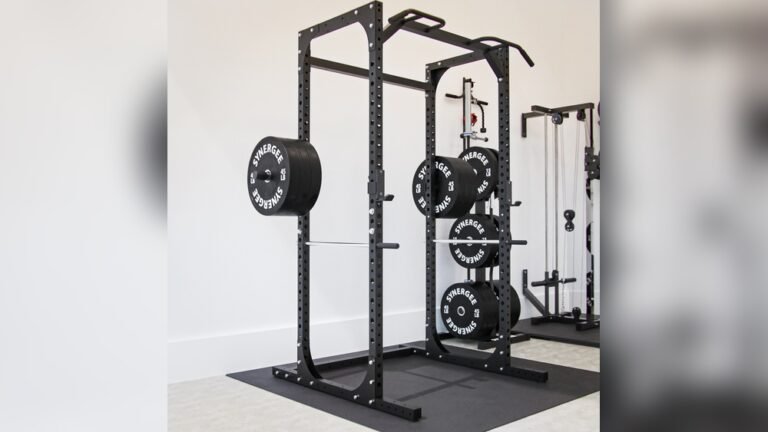
Power Rack
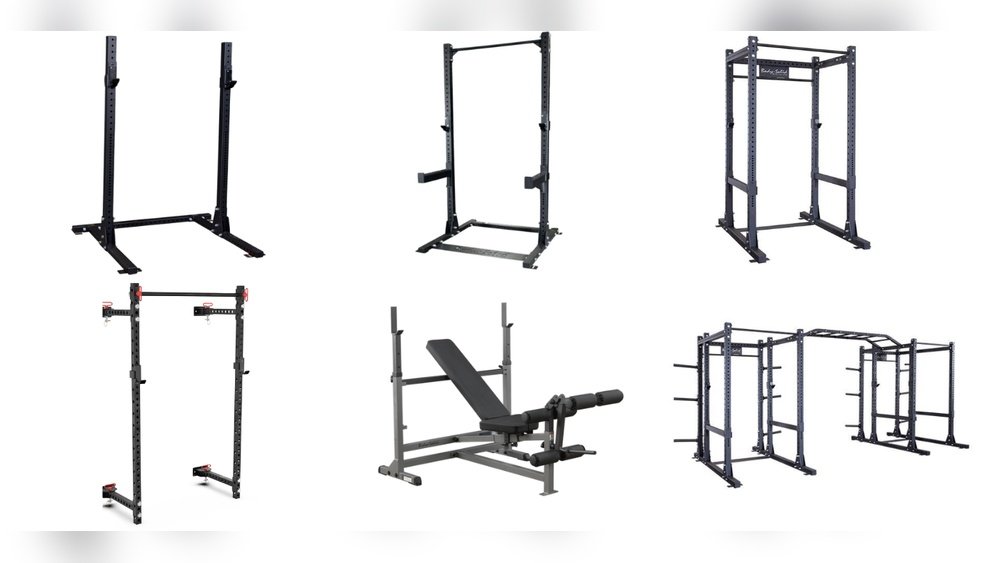
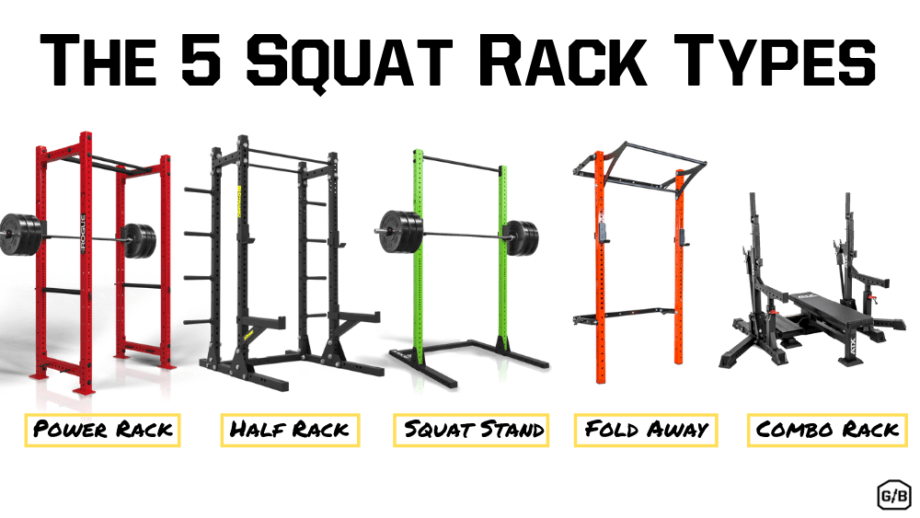
Power racks have a full frame that surrounds the lifter. They include safety bars to catch the weight if you fail a lift. This rack works well for squats, bench presses, and pull-ups. It offers great stability and safety for heavy lifting.
Half Rack
Half racks are smaller and take up less space. They have two upright posts with adjustable safety catches. This type suits home gyms or limited space areas. Half racks still provide good safety for squats and other lifts.
Squat Stand
Squat stands are the most basic and lightweight option. They consist of two separate stands to hold the barbell. These stands are easy to move and store. They offer less safety but work for experienced lifters who don’t need spotters.
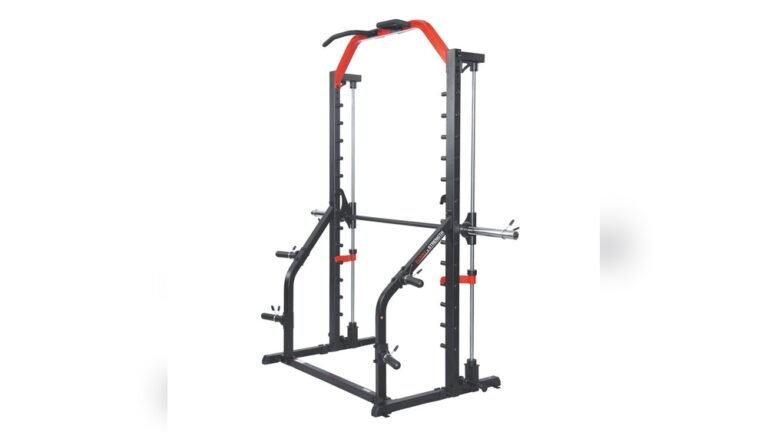
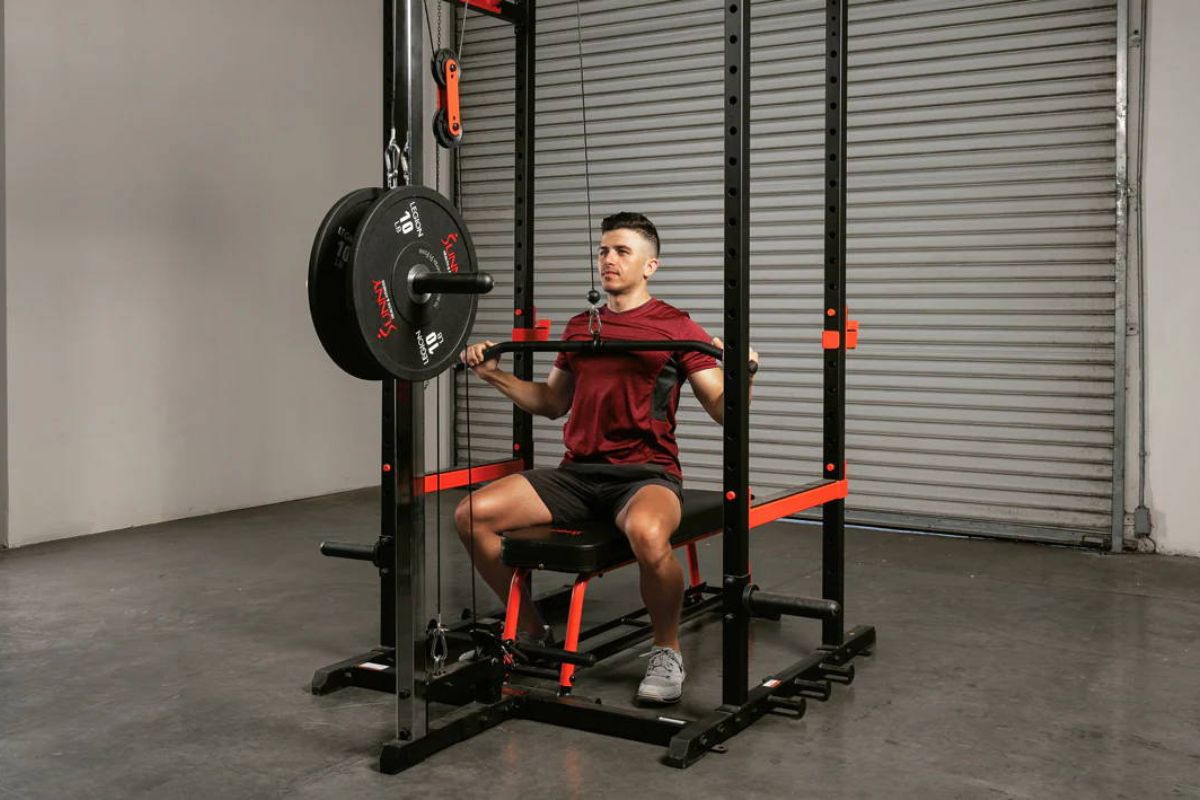
Smith Machine
Smith machines have a barbell fixed to vertical rails. The bar moves up and down in a guided path. This design adds stability and reduces the risk of dropping the weight. Smith machines are good for beginners and controlled movements.
Credit: torokhtiy.com
Key Features Of Each Rack
Each type of squat rack has unique features that affect its use and suitability. Understanding these key features helps you choose the right rack for your space and workout style.
Safety Mechanisms
Safety is crucial when lifting heavy weights. Power racks often include safety bars or pins to catch the barbell. Half racks may have adjustable safety arms for protection. Squat stands usually rely on spotters or the lifter’s control. Smith machines have built-in safety stops, limiting the bar’s movement to a fixed path.
Space Requirements
Space is a major factor when selecting a rack. Power racks need more room due to their large frame. Half racks save space and fit in smaller areas. Squat stands are the most compact and easy to move. Smith machines vary in size but are generally bulky because of their guided system.
Versatility
Versatility varies across rack types. Power racks support many exercises like squats, bench presses, and pull-ups. Half racks offer similar functions but with fewer attachments. Squat stands are mostly for squats and overhead presses. Smith machines limit movement but help beginners maintain form.
Durability
Durability depends on construction and materials. Power racks use thick steel for heavy loads and long use. Half racks also use strong steel but may have thinner frames. Squat stands are lighter and less sturdy. Smith machines are durable but may require more maintenance due to moving parts.
Choosing By Space
Choosing a squat rack depends a lot on the available space. Different racks fit different room sizes and layouts. Picking the right one keeps your gym safe and functional. It also makes workouts more comfortable. Consider your space carefully before deciding on a squat rack type.
Home Gym Considerations
Home gyms usually have limited space. Compact racks like half racks or squat stands work best here. They take less floor space and still support most exercises. Think about ceiling height and room layout too. A power rack might be too large for small rooms. Choose a rack that fits easily and leaves room for movement.
Garage Gym Setup
Garages offer more space but can have low ceilings or uneven floors. Power racks fit well in garages due to their sturdy build. They handle heavy lifting and multiple exercises. Ensure you have enough room around the rack for safety. Consider weather protection if your garage is not climate controlled. Look for racks with rust-resistant finishes.
Commercial Gym Needs
Commercial gyms require durable, high-capacity racks. Power racks with many features suit this environment. They must withstand heavy daily use and different user sizes. Space can be larger but still limited by overall gym design. Choose racks that allow multiple users and accessories. Safety features and easy adjustability are key in commercial settings.
Budget Options
Choosing a squat rack that fits your budget is key to building a home gym. Budget options can offer good quality without spending too much. These racks focus on basic features and durability. They suit beginners and casual lifters well.
Entry-level Racks
Entry-level racks are simple and affordable. They usually have a basic frame and fewer add-ons. These racks are lightweight and easy to move. They support light to moderate weights. Perfect for small spaces and new lifters.
Most entry-level racks include adjustable safety bars. These provide protection during lifts. Some models come with weight plate storage. This helps keep your workout area tidy.
Mid-range Racks
Mid-range racks offer more strength and features. They have thicker steel and better stability. These racks often include pull-up bars or dip handles. They support heavier weights for growing strength.
The design is more durable and space-efficient. Mid-range racks suit regular lifters who want variety. They balance cost and quality well.
Premium Racks
Premium racks are built for serious lifters. They use high-grade steel and advanced welding. These racks have many features like multiple adjustment points and accessory compatibility.
Premium racks offer maximum stability and safety. They handle very heavy weights without wobbling. Lifters who train often or competitively will benefit most.
These racks also provide a professional look for home gyms. The higher price reflects the quality and durability.
Attachments And Accessories
Attachments and accessories increase the functionality of a squat rack. They allow you to do more exercises in one place. These add-ons make workouts safer and more efficient. Many squat racks come with or support these extras. They help save space and keep your workout area organized.
Pull-up Bars
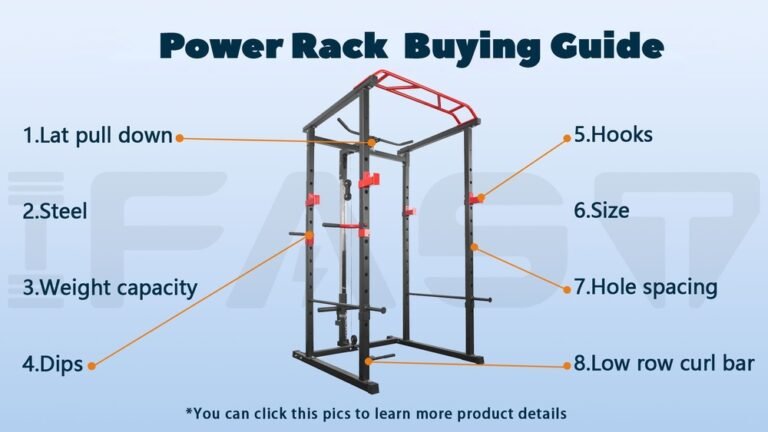
Pull-up bars are common attachments on squat racks. They let you do pull-ups and chin-ups easily. This adds upper body exercises to your routine. The bar is usually sturdy and wide enough for different grips. It helps strengthen your back, arms, and shoulders.
Dip Stations
Dip stations attach to the rack for doing dips. Dips work your chest, triceps, and shoulders. These stations provide handles at a comfortable height. They offer stability and safety during dips. Having a dip station on your rack saves space.
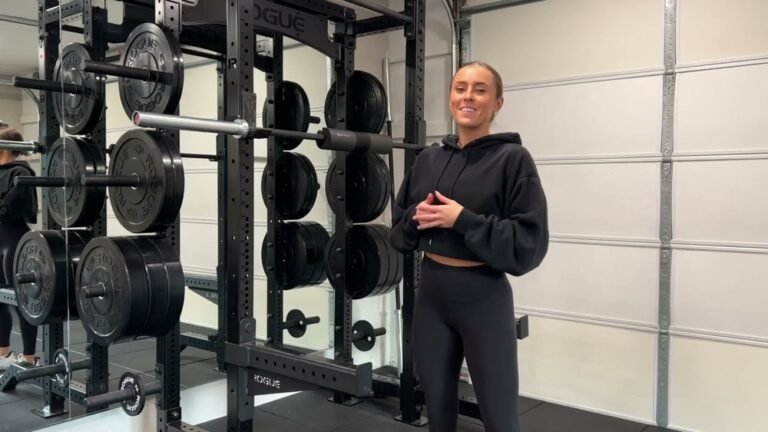
Weight Storage
Weight storage attachments hold plates and bars. They keep your weights organized and off the floor. This reduces clutter and lowers the risk of tripping. Storage pegs are often built into the rack frame. Easy access to weights speeds up your workout.
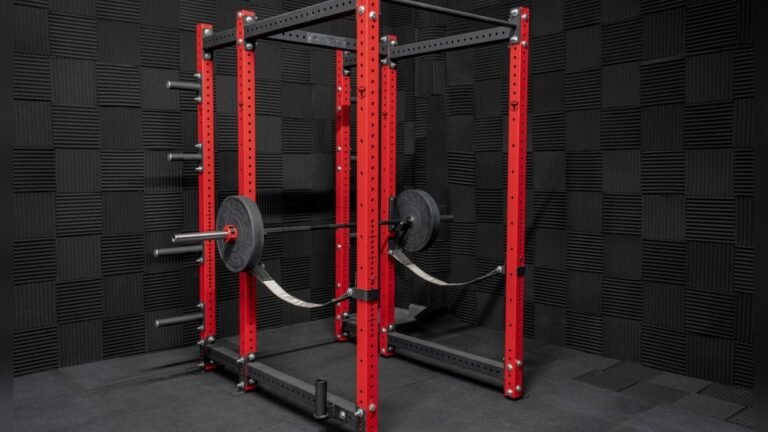
Safety Straps
Safety straps are vital accessories for heavy lifting. They catch the bar if you fail a lift. Unlike safety pins, straps are flexible and easier to adjust. They protect you from injury during squats and bench presses. Straps add confidence when lifting heavier weights.
Credit: www.garagegymreviews.com
Training Experience And Goals
Choosing the right squat rack depends on your training experience and fitness goals. Different racks support different levels of intensity and types of workouts. Understanding your current skill level helps select the best equipment.
Beginners need safety and simplicity. Intermediate lifters want more features for varied exercises. Advanced users require racks that handle heavy loads and complex routines.
Beginner Needs
Beginners benefit from squat racks with solid safety features. Adjustable safety bars help prevent injury during lifts. Simple racks with clear instructions work well. Space-saving designs fit home gyms easily. Focus on racks that allow learning proper form safely.
Intermediate Lifters
Intermediate lifters need racks offering more versatility. Options like pull-up bars and dip stations add value. Adjustable heights accommodate different exercises and users. Stronger frames support heavier weights for progress. Half racks and power racks suit this level well.
Advanced Training
Advanced lifters require heavy-duty racks with high weight capacity. Full power racks with multiple attachment points are best. Features like plate storage and band pegs help advanced routines. Safety is critical at high weights, so choose sturdy racks. Customizable racks match specific training goals and space.
Space-saving Solutions
Space-saving squat racks are perfect for small home gyms. They use minimal floor area while offering solid support for your workouts. These racks fit in tight spaces without sacrificing safety or functionality. Ideal for apartments or rooms with limited space, they keep your gym organized and accessible.
Folding Racks
Folding racks fold flat against the wall when not in use. This feature frees up floor space instantly. You can open them quickly to start your workout. Many models include adjustable hooks and safety bars. Folding racks are strong and stable despite their compact design. They suit users who need a flexible setup in limited areas.
Wall-mounted Racks
Wall-mounted racks attach directly to the wall, saving floor space completely. They hold barbells and weights securely at a convenient height. These racks are ideal for very small rooms or garages. Installation requires strong wall support and proper tools. Wall-mounted racks offer a sturdy and space-efficient option for serious lifters.
Top Rack Picks
Choosing the right squat rack can improve your workouts and keep you safe. Different racks suit different needs and spaces. This guide highlights the top squat rack picks for various users. Each option offers unique benefits. Find the perfect match for your home gym or training style.
Best Overall
The best overall squat rack combines strength, stability, and versatility. It supports heavy lifts and various exercises. This rack fits both beginners and advanced lifters. Its durable build lasts for years. Adjustable safety bars and hooks add convenience. Ideal for full-body workouts and powerlifting routines.
Best For Small Spaces
Small space racks save room without sacrificing quality. These racks are compact and easy to move. They fit apartments and tight workout areas. Despite their size, they remain strong and stable. Perfect for people with limited space but big fitness goals.
Best Budget
Budget-friendly racks offer good quality at a low price. They provide essential features for safe lifting. These racks suit beginners or casual lifters well. Easy to assemble and maintain, they deliver value. A smart choice for those starting their fitness journey.
Best All-in-one
All-in-one racks combine multiple functions in one unit. They often include pull-up bars, dip stations, and weight storage. This rack type maximizes workout options in one spot. Great for users wanting a full gym setup at home. Saves money and space with versatile design.
Credit: powerliftingtechnique.com
Frequently Asked Questions
What Are The Different Kinds Of Squat Racks?
The main types of squat racks include power racks, half racks, squat stands, and Smith machines. Power racks offer full safety and versatility. Half racks save space with a compact design. Squat stands provide a minimalist setup. Smith machines guide the bar on fixed rails for stability.
Is A 300lb Squat Impressive?
A 300lb squat is impressive for many, especially beginners and intermediate lifters. It shows solid strength development.
What Is The Best Squat Rack?
The best squat rack combines safety, durability, and space efficiency. Power racks offer versatility; half racks save space. Consider budget, available space, and workout needs before choosing. Popular options include Fringe Sport for budget, PRx Profile PRO for small spaces, and Force USA MyRack for modular features.
How Much Should A 170 Lb Man Squat?
A 170 lb man should aim to squat around 1. 5 to 2 times his body weight, roughly 255 to 340 lbs. This varies by experience and fitness level. Beginners may start lower, while advanced lifters can exceed this range safely with proper form.
Conclusion
Choosing the right squat rack depends on your space and workout needs. Power racks suit those wanting full safety and versatility. Half racks save space and still offer good support. Squat stands work well for simple lifting setups. Smith machines guide your motion but limit natural movement.
Consider your goals and room before buying. A good rack helps improve strength safely. Use this knowledge to pick a rack that fits your home gym perfectly. Training with the right equipment makes workouts more effective and enjoyable.