If you’re looking to boost your workouts, improve strength, or increase endurance, a weighted vest might be exactly what you need. But did you know there are different types of weighted vests designed for various fitness goals and comfort levels?
Choosing the right one can make a huge difference in your performance and safety. You’ll discover the main types of weighted vests, how they work, and which one fits your lifestyle best. Keep reading to find the perfect vest that will help you reach your fitness goals faster and smarter!
Types Of Weighted Vests
Weighted vests come in various styles to suit different workouts and goals. Choosing the right type helps improve strength, endurance, and calorie burn. Each vest type offers unique features and benefits. Understanding these options makes selecting easier and training more effective.
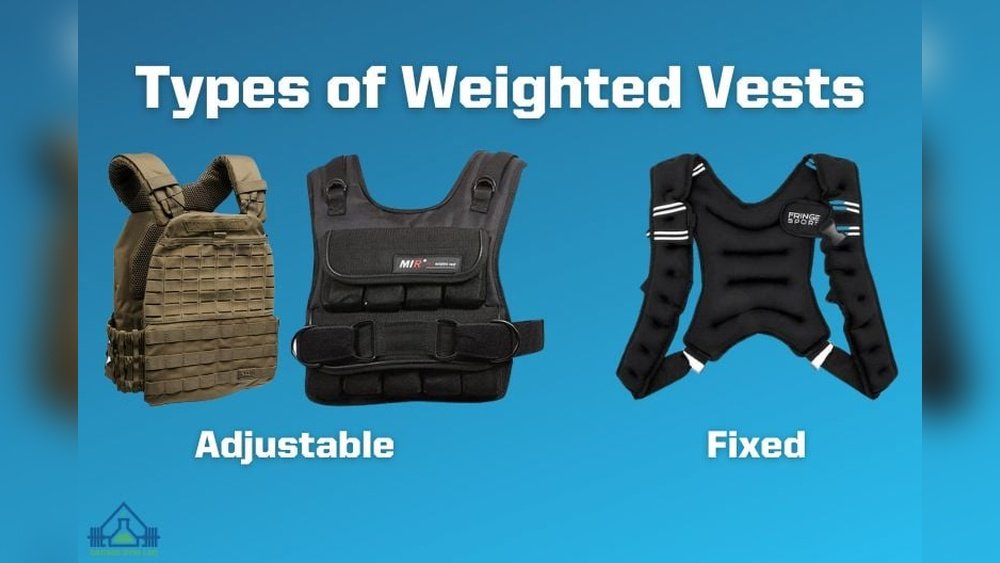
Adjustable Vests
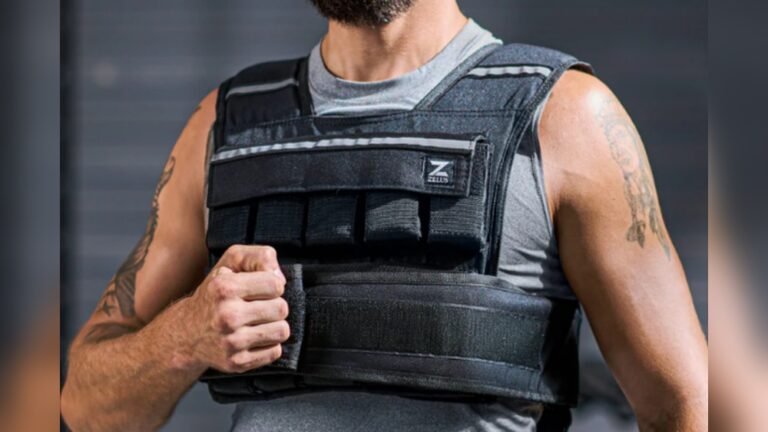
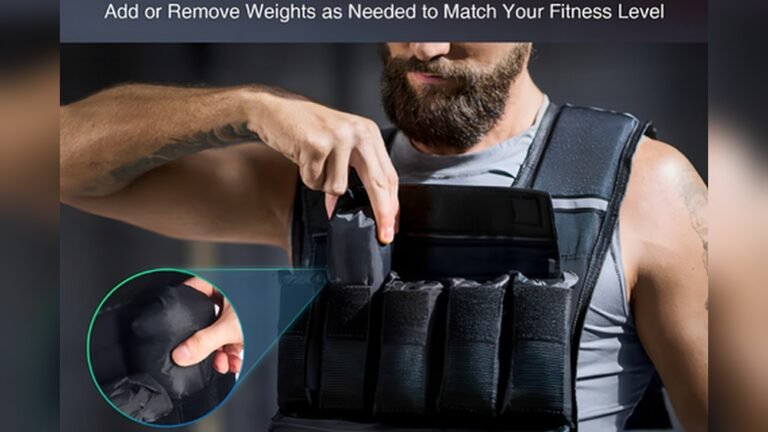
Adjustable vests allow you to add or remove weights. You can change the weight based on your workout needs. This flexibility suits beginners and advanced users alike. These vests usually have small pockets for weights like sandbags or metal plates. They provide a customizable experience and help track progress.
Fixed Weight Vests
Fixed weight vests come with a set amount of weight sewn into the vest. They do not allow weight changes. These vests offer simplicity and durability. They are lighter and easier to wear for long sessions. Fixed vests work well for steady training without frequent adjustments.
Sand-filled Vests
Sand-filled vests use small bags of sand as the weight. The sand shifts inside the vest, creating a natural movement during exercise. These vests are often soft and flexible. They provide a different feel compared to solid weights. Sand-filled vests suit dynamic workouts and functional training.
Plate-loaded Vests
Plate-loaded vests use heavy plates inserted into pockets on the vest. The plates are usually made of metal or hard plastic. This type offers precise weight control and stability. It is ideal for serious strength training and weighted runs. Plate-loaded vests tend to be more durable and secure.
Neoprene Vests
Neoprene vests are made from soft, stretchy material. They often combine fixed weight or small removable weights. Neoprene feels comfortable and hugs the body well. These vests are lightweight and suitable for cardio workouts. They also dry quickly, making them good for outdoor use.

Credit: www.living.fit
Weight Classes And Sizes
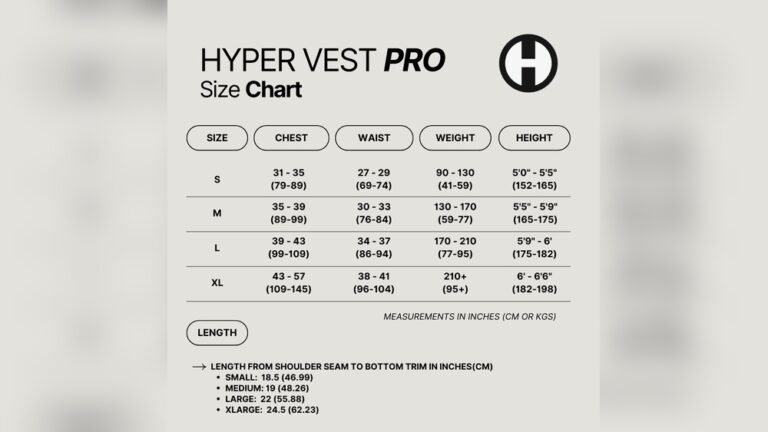
Weighted vests come in different weight classes and sizes. Choosing the right vest depends on your fitness level and workout goals. Weight classes help you pick a vest that suits your needs without causing injury or discomfort.
Understanding the various weight categories makes your training safer and more effective. Each class offers unique benefits and challenges.
Lightweight Vests
Lightweight vests usually weigh between 2 to 10 pounds. They are perfect for beginners and those focusing on endurance. These vests add small resistance without overwhelming the body. Lightweight options help improve posture and muscle tone gently.
Medium Weight Vests
Medium weight vests range from 10 to 25 pounds. They suit intermediate users who want more challenge. These vests increase strength and cardiovascular endurance effectively. Medium weight vests are ideal for daily training and longer sessions.
Heavyweight Vests
Heavyweight vests weigh more than 25 pounds. They are designed for advanced athletes and strength training. These vests provide intense resistance for muscle building. Heavyweight vests demand proper form and gradual progression to avoid injury.
Choosing The Right Weight
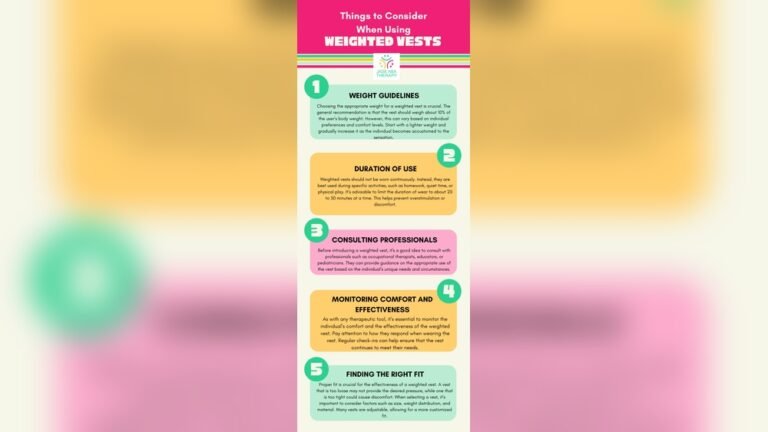
Choosing the right weight for your weighted vest is key to a safe and effective workout. The right weight challenges your muscles without causing injury. It depends on your exercise type, fitness level, and goals. Start light and increase gradually for best results.
Weight Guidelines By Activity
Different activities need different weights. For walking or light jogging, 5 to 10% of your body weight works well. Strength training can use heavier weights, around 10 to 20%. For high-intensity workouts, keep the weight lower to maintain speed and form. Use less weight for balance or agility exercises.
Fitness Level Considerations
Beginners should start with light weights, about 2 to 5% of body weight. This helps the body adapt and avoid strain. Intermediate users can increase to 10% as strength improves. Advanced athletes may use 15% or more, depending on experience and goals. Always listen to your body to prevent injury.
Adjusting Weight Over Time
Progressive overload helps build strength and endurance. Increase the vest weight slowly, about 1 to 2 pounds every week or two. Watch for signs of fatigue or pain and reduce weight if needed. Use adjustable vests with removable weights for easy changes. Keep challenging yourself but stay safe.
Benefits Of Weighted Vests
Weighted vests offer many benefits for fitness and daily activities. They add extra resistance to your body, making movements harder and workouts more effective. Wearing a weighted vest helps build strength, improve endurance, and support weight loss. These vests suit different fitness levels and goals. Using one regularly can bring noticeable improvements in physical health.
Improved Strength
Weighted vests increase the load your muscles must carry. This extra weight forces muscles to work harder during exercise. Over time, this leads to stronger muscles and better overall strength. Strength gains can help in daily tasks and other workouts. Even simple bodyweight exercises become more challenging and effective with added weight.
Enhanced Endurance
Wearing a weighted vest makes your body use more energy. This helps improve your stamina and endurance. Activities like walking, running, or climbing stairs become more demanding with extra weight. Your heart and lungs get stronger as they work to supply oxygen to your body. With regular use, endurance improves, allowing longer and more intense workouts.
Weight Loss Support
Weighted vests increase the calories burned during physical activity. More effort means your body uses more energy and fat. This helps support weight loss goals. Wearing a vest during daily movements or workouts adds resistance without extra equipment. It also encourages better posture and muscle activation, which further boosts calorie burn.
Potential Downsides
Weighted vests offer many benefits but also come with some downsides. Understanding these drawbacks helps you use them safely. Some issues affect your joints, posture, breathing, and comfort. Being aware of these can prevent injuries and discomfort.
Joint And Back Stress
Wearing a weighted vest adds extra pressure on your joints. Knees, hips, and lower back may feel more strain. This stress can cause pain or injury over time. People with joint problems should be careful. Start with lighter weights and increase slowly.
Posture Issues
Weighted vests can change how you stand and move. Some users lean forward or slouch to balance the weight. Poor posture may lead to muscle pain and stiffness. Keep your back straight and core tight while wearing the vest. Good form reduces posture problems.
Breathing Difficulties
Heavy vests can press on your chest and ribs. This pressure may make it harder to breathe deeply. Shortness of breath can reduce workout performance. Choose vests with adjustable straps for better fit. Avoid weights that feel too tight around your chest.
Heat And Comfort Challenges
Weighted vests often trap heat close to your body. This can cause excessive sweating and discomfort. Some materials do not breathe well, increasing heat buildup. Look for vests with mesh or ventilation panels. Stay hydrated and take breaks to cool down.
Safety Tips
Weighted vests add resistance to workouts and daily activities. Using them safely is important to avoid injuries. Follow these safety tips to get the best results while protecting your body.
Start With Light Weight
Begin with a light weighted vest. This helps your body adjust slowly to the extra load. Avoid jumping to heavy weights too fast. It reduces the risk of strain and muscle pain.
Monitor Body Signals
Pay close attention to how your body feels. Stop if you feel pain, dizziness, or shortness of breath. These signs mean your body needs rest or less weight. Listen carefully to avoid serious injuries.
Maintain Proper Form
Keep good posture during exercises with a weighted vest. Poor form can lead to back or joint problems. Focus on controlled movements and stable balance. Proper form ensures safe and effective training.
Avoid Overloading
Do not add too much weight at once. Overloading can cause muscle strain and joint damage. Increase weight gradually over weeks or months. This helps your body build strength safely and steadily.
Best Vests For Different Activities
Weighted vests come in various styles designed for specific activities. Choosing the right vest boosts performance and comfort. Different features suit running, strength training, therapy, or everyday use. Below are the best vests for each activity type.
Running And Cardio
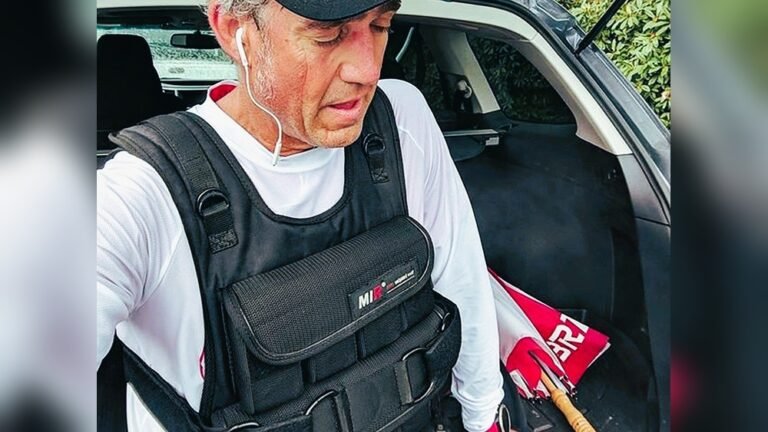
Lightweight vests with snug fits work best for running. They reduce bounce and stay secure during fast movements. Breathable materials help keep you cool. Adjustable weights let you start light and increase gradually. Look for vests with reflective strips for safety in low light.
Strength Training
Heavier vests with more weight options suit strength workouts. Durable fabrics resist wear from lifting and jumping. Wide straps and padding add comfort during intense exercises. Removable weights allow easy adjustment for different workouts. Choose a vest that balances weight evenly to protect your back.
Rehabilitation And Therapy
Vests for rehab are lighter and softer to avoid strain. They help improve posture and build muscle gradually. Adjustable weights support slow progress. Easy-to-wear designs assist those with limited mobility. These vests focus on comfort and gentle resistance.
Everyday Use
For daily wear, choose simple, discreet vests. Moderate weight helps improve posture and burn calories while you move. Soft, breathable fabrics increase comfort during long use. Adjustable features let you add or remove weight easily. Ideal for walking, chores, or casual activity.

Credit: garagegymlab.com
Popular Brands And Models
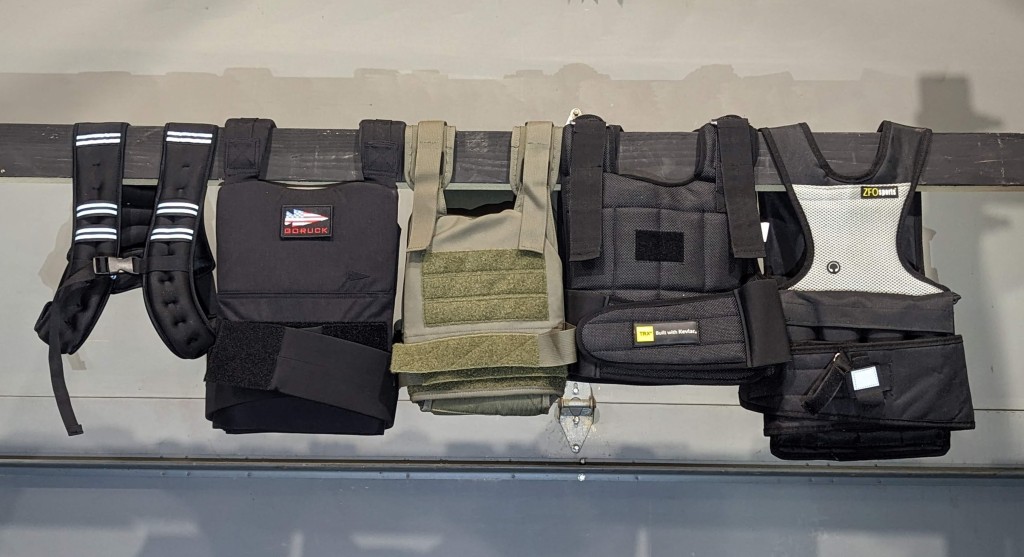
Weighted vests come in many styles and weights. Choosing a trusted brand ensures quality and comfort. Popular brands offer models that fit different needs and budgets. These brands focus on durability, adjustable weights, and user-friendly designs.
Cap Barbell
CAP Barbell weighted vests are popular for their affordability. They offer adjustable weights using removable plates. The vests are made of durable nylon and mesh for breathability. Many users like the snug fit and easy adjustments. They suit beginners and intermediate users well.
Skyshalo
SKYSHALO vests stand out for their lightweight and flexible design. These vests use small weight bags that can be added or removed. The adjustable buckle system allows a secure fit. They are ideal for running, walking, and bodyweight exercises. Many buyers appreciate their comfort and versatility.
Ethos
Ethos weighted vests are known for their sleek design. They offer adjustable weight plates in a compact vest. The materials are soft yet strong, providing comfort during workouts. Many users highlight the vest’s balance and stability. Ethos is a good choice for strength training and cardio.
Gofit
GoFit vests focus on neoprene material for flexibility and comfort. Their weighted vests come with small weights sewn into pockets. The lightweight design suits various fitness activities. Users find GoFit vests easy to wear for longer sessions. They are a budget-friendly option with good quality.
Rogue Fitness
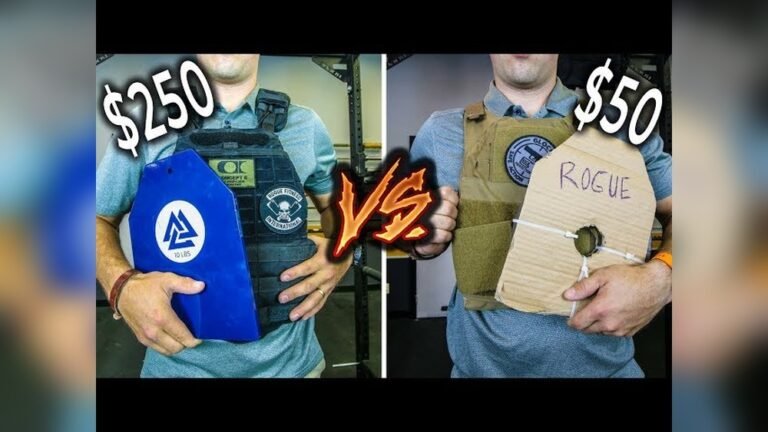
Rogue Fitness offers premium weighted vests for serious athletes. Their Echo Weight Vest has steel plates that are easy to add or remove. The vest is made from tough materials to withstand heavy use. Many users praise its durability and secure fit. Rogue’s models are perfect for intense training.
Credit: www.outdoorgearlab.com
Frequently Asked Questions
How Heavy Should Your Weighted Vest Be?
Choose a weighted vest that equals 5-10% of your body weight for beginners. Increase gradually as strength improves.
What Are The Different Classes Of Vests?
Vests are classified into Class I, II, and III based on visibility and reflectivity standards. Class I suits low-risk areas, Class II suits moderate-risk zones, and Class III is for high-risk environments requiring maximum visibility.
Do Weighted Vests Come In Different Weights?
Weighted vests come in various weights, typically ranging from 5 to 50 pounds. Many feature adjustable weights for customizable resistance.
Is There A Downside To Wearing A Weighted Vest?
Wearing a weighted vest may cause joint stress, poor posture, discomfort, heat buildup, and breathing difficulty if too heavy or ill-fitting. Gradual use and proper form reduce injury risks. Avoid if you have heart, balance, or severe joint issues.
Conclusion
Weighted vests come in many types to suit different needs. Some are adjustable, others have fixed weights. Choosing the right vest depends on your fitness goals and comfort. Start light to avoid injury and increase weight gradually. Wearing a vest can boost workouts but listen to your body.
Proper fit helps prevent discomfort and posture problems. Explore options to find what works best for you. Use the right vest to enhance training safely and effectively.