If you want to build strength, save space, and get more from your workouts, adjustable dumbbells are a game-changer. But maybe you’re unsure how to use them properly or how to switch weights quickly and safely.
This guide is made just for you. You’ll learn exactly how adjustable dumbbells work, the best ways to handle them, and tips to avoid common mistakes. Whether you’re a beginner or looking to upgrade your home gym, mastering adjustable dumbbells will make your training more effective and enjoyable.
Keep reading to unlock the full potential of your adjustable dumbbells and take your fitness to the next level.
Choosing Adjustable Dumbbells
Choosing the right adjustable dumbbells matters. It affects your workout quality and comfort. Focus on key features to match your fitness needs. This guide covers what to check before buying.
Weight Range And Increments
Select dumbbells with a weight range fitting your strength level. Beginners need lighter options, while advanced users need heavier weights. Check the increments between weights. Smaller increments allow gradual progress in your training. This helps avoid injury and improves muscle growth.
Adjustment Mechanisms
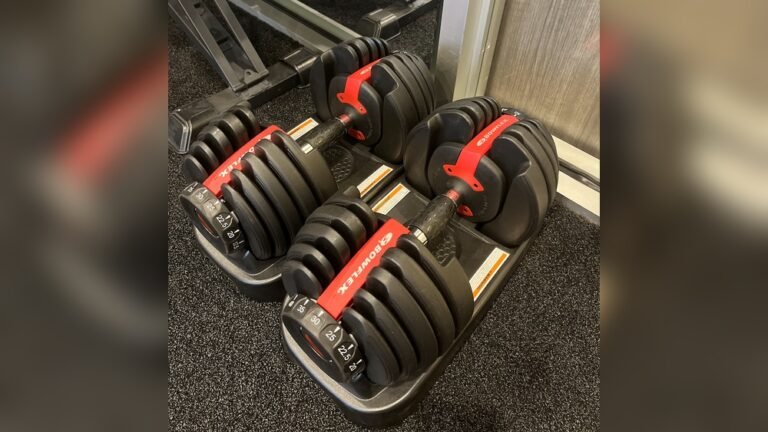
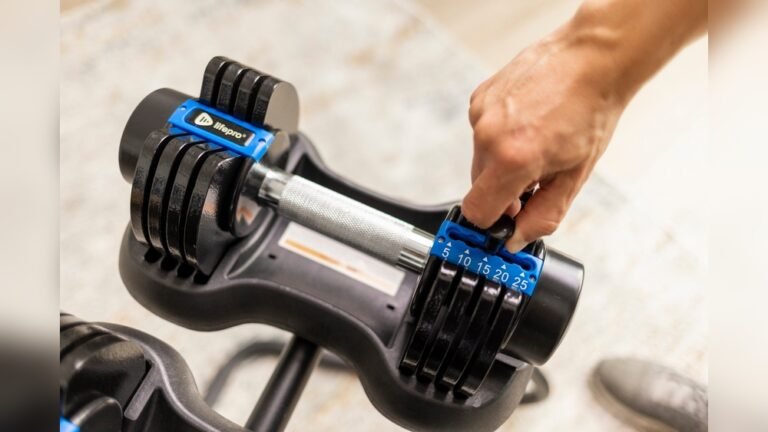
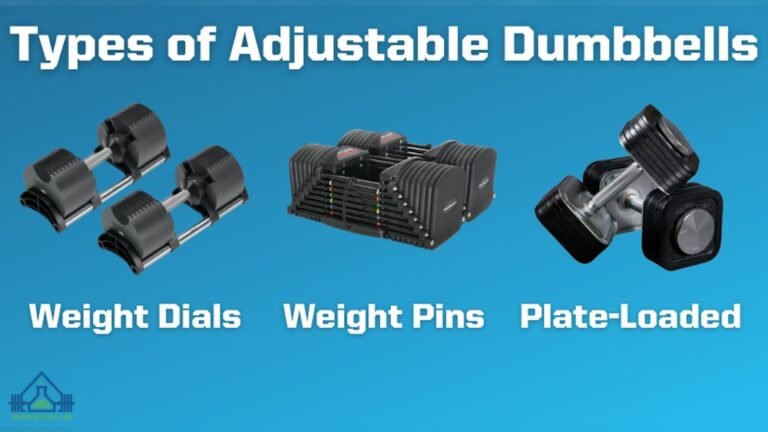
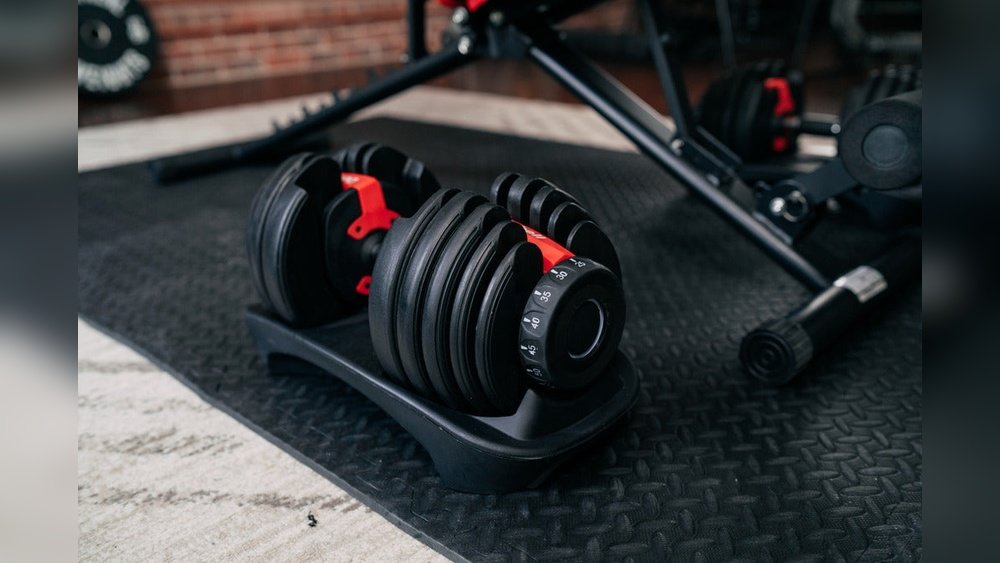
Look for easy-to-use adjustment systems. Common types include dial, pin, or selector switch. A smooth mechanism saves time during workouts. It also prevents frustration. Test how quickly you can change weights. Reliable locks ensure safety during exercise.
Material And Grip Quality
Choose dumbbells made from durable materials like steel or iron. Coated handles reduce sweat and improve grip. Textured or rubberized grips prevent slipping. Comfortable grips reduce hand fatigue. Quality materials increase dumbbell lifespan.
Storage And Space Considerations
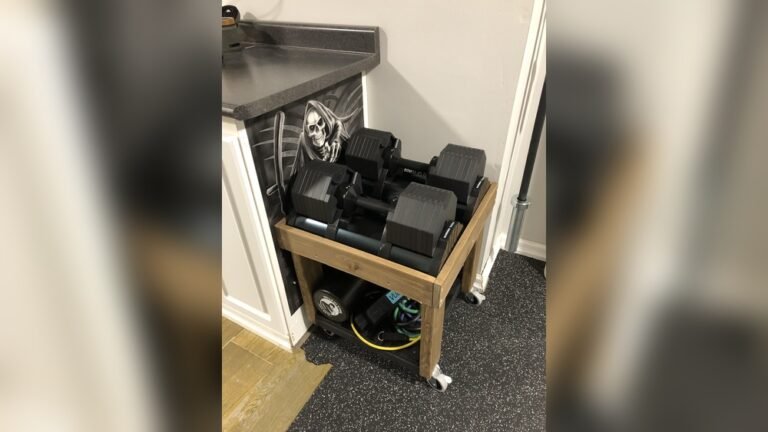
Adjustable dumbbells save space compared to fixed sets. Check if the set includes a stand or case for neat storage. Compact designs fit small workout areas better. Consider the weight of the dumbbells for easy moving and storing. Good storage options keep your space tidy and safe.
Credit: sunnyhealthfitness.com
Setting Up For Success
Setting up adjustable dumbbells correctly is vital for a safe and effective workout. It ensures you maximize your training benefits and avoid injuries. Proper setup helps you focus on your exercises without distractions. Follow simple steps for a smooth start and lasting success.
Securing The Weight Lock
Always check the weight lock before lifting. Turn the dial or adjust the selector to your desired weight. Ensure both sides are balanced and securely locked. A loose lock can cause weights to fall off and lead to injury. Double-check the lock every time you change weights.
Proper Warm-up Techniques
Begin with light cardio to increase blood flow. Do dynamic stretches that target your muscles. Warm up with lower weight dumbbells before heavier sets. This prepares your muscles and joints for the workout. Avoid starting cold to reduce the risk of strains.
Establishing Good Posture
Stand with your feet shoulder-width apart. Keep your back straight and shoulders relaxed. Engage your core muscles to support your spine. Avoid leaning or hunching during exercises. Good posture improves exercise effectiveness and prevents injuries.
Adjusting Weights Safely
Adjusting weights safely is essential for effective workouts with adjustable dumbbells. Incorrect adjustments can lead to imbalanced loads, causing injury or damage to equipment. Always take time to set the weights properly before starting any exercise. This ensures smooth transitions between sets and protects your muscles and joints.
Using The Dial Or Lock System
Most adjustable dumbbells use a dial or lock system to change weights. Turn the dial or slide the lock to select the desired weight. Listen for a click or feel the lock snap into place. This confirms the weight plates are secure. Never force the dial or lock, as this can break the mechanism.
Ensuring Equal Weight On Both Sides
Always check that both sides of the dumbbell have equal weight. Unequal weights cause poor form and risk injury. Use the dial or lock system on each side to match the weight settings exactly. After adjusting, lift the dumbbell slightly to feel if the balance is correct. If it tilts, readjust immediately.
Common Adjustment Mistakes To Avoid
Avoid rushing when changing weights. Skipping steps can cause plates to loosen or fall off. Do not adjust weights while holding the dumbbell in your hand. Place it back on the base before changing settings. Avoid setting weights beyond the recommended maximum to prevent damage. Regularly inspect the locking mechanism for wear or dirt that may affect performance.
Effective Home Workouts
Adjustable dumbbells help you build strength without leaving home. They save space and let you change weights fast. Use them for many exercises that target different muscles.
Here are effective workout ideas using adjustable dumbbells. Each targets key muscle groups for balanced strength.
Chest And Upper Body Exercises
Try the dumbbell chest press to work your chest and arms. Lie on a bench or floor and press weights up. Dumbbell shoulder presses build shoulder strength. Raise weights overhead while standing or sitting. Add dumbbell flyes to stretch and tone your chest muscles.
Back And Arm Workouts
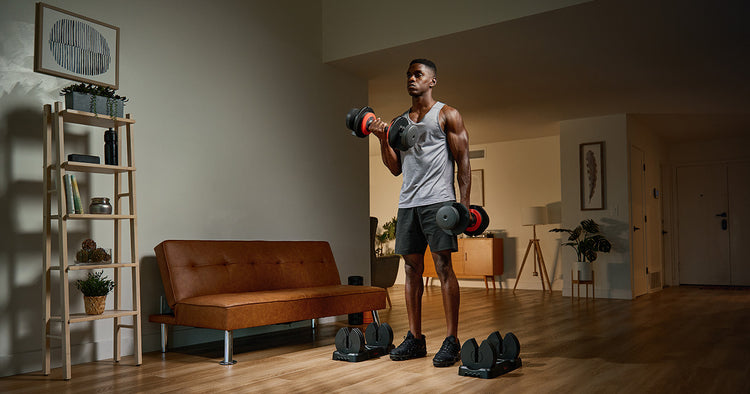
Use bent-over rows to strengthen your back and biceps. Bend forward and pull dumbbells toward your chest. Bicep curls focus on arm muscles; lift weights with your palms up. Tricep extensions target the back of your arms. Lift dumbbells overhead and lower behind your head slowly.
Lower Body Movements
Squats with dumbbells boost leg and glute strength. Hold weights at your sides and bend knees. Lunges improve balance and target thighs. Step forward with one leg and lower your body. Deadlifts work hamstrings and lower back. Keep your back straight and lift weights from the floor.
Full-body Strength Routines
Combine exercises for a full-body workout. Start with squats, then do rows, presses, and curls. Move quickly between exercises to keep your heart rate up. This routine builds muscle and improves endurance.
Maximizing Results
Maximizing your results with adjustable dumbbells depends on smart workout strategies. Using these tools effectively helps build strength and improve fitness. Focus on consistent progress and smart training techniques. This section explains key ways to get the most from your adjustable dumbbells.
Progressive Overload Strategies
Progressive overload means gradually increasing the weight or reps over time. Start with a comfortable weight and add small increments regularly. This challenges your muscles to grow stronger. Avoid lifting too heavy too soon. Consistent, gradual increases reduce injury risk and boost gains.
Track the weight and reps each session. Push yourself a little more each week. Change exercises or angles to target muscles differently. Progressive overload keeps workouts effective and muscles improving.
Incorporating Hiit With Dumbbells
High-Intensity Interval Training (HIIT) mixes short bursts of intense work with rest. Use dumbbells to add strength moves into your HIIT routine. For example, combine dumbbell squats with quick punches or rows. This burns fat and builds muscle fast.
Keep intervals short, about 20-40 seconds, with equal rest. Dumbbells add resistance, making your workout harder in less time. HIIT with dumbbells improves endurance and strength at once.
Tracking Your Performance
Tracking your workouts helps measure progress and stay motivated. Use a notebook or app to record weights, reps, and sets. Note how you feel during and after exercises. This helps find what works best.
Review your records weekly to spot trends and plan increases. Tracking keeps workouts organized and goals clear. It shows your steady improvement with adjustable dumbbells.
Troubleshooting And Maintenance
Proper troubleshooting and maintenance keep your adjustable dumbbells safe and effective. Regular care prevents damage and extends their lifespan. Understanding common problems helps you fix them quickly. Clean dumbbells perform better and last longer. Knowing when to replace parts avoids workout interruptions.
Common Issues And Fixes
Sometimes the weight selector may stick or not lock properly. Clean the selector dial and remove dirt or sweat. Check for loose screws and tighten them carefully. If the plates do not align, realign them gently before use. A squeaking sound means lubrication is needed. Use a light oil spray on moving parts.
Cleaning And Care Tips
Wipe dumbbells with a dry cloth after each use. Avoid water to prevent rust on metal parts. Use a soft brush to clear dust from crevices. Store dumbbells in a dry place to avoid moisture damage. Regular cleaning keeps the mechanism smooth and reliable. Check for rust and remove it with fine sandpaper.
When To Replace Parts
Replace parts if the selector dial cracks or breaks. Worn-out grips should be changed for safety and comfort. If weight plates chip or crack, stop using them immediately. Springs and locking pins lose tension over time and need replacement. Use manufacturer-approved parts for best fit and performance. Regularly inspect parts to catch damage early.
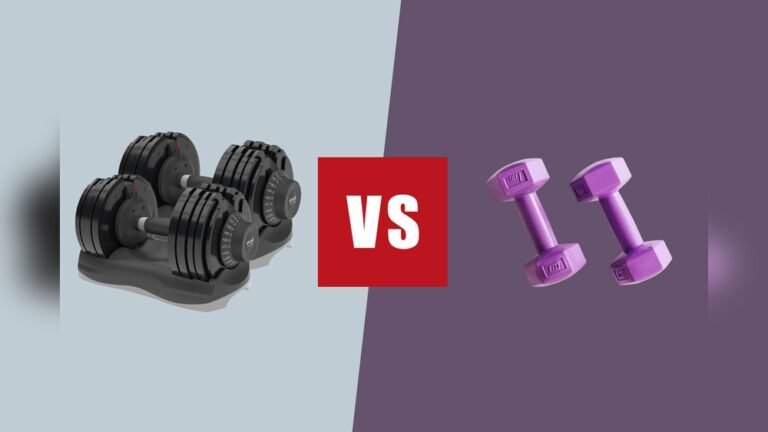
Comparing Adjustable And Regular Dumbbells
Choosing between adjustable and regular dumbbells affects your workout space, budget, and routine. Both types serve to build strength but differ in design and functionality. Understanding these differences helps pick the right option for your needs.
Space And Cost Benefits
Adjustable dumbbells save a lot of space by combining many weights into one set. They replace several pairs of regular dumbbells, reducing clutter. This makes them ideal for small apartments or home gyms.
Regular dumbbells cost less per pair but add up if you buy many weights. Adjustable sets have a higher upfront cost but can be cheaper over time. They also cut down on the need for extra storage racks.
Versatility And Convenience
Adjustable dumbbells let you change weights quickly by turning a dial or moving a pin. This saves time during workouts with varied exercises. They suit people who want to train multiple muscle groups without switching equipment.
Regular dumbbells offer simplicity with no adjustment needed. They feel solid and balanced for some users. Many prefer them for fast-paced workouts or heavy lifting without interruptions.
Potential Drawbacks
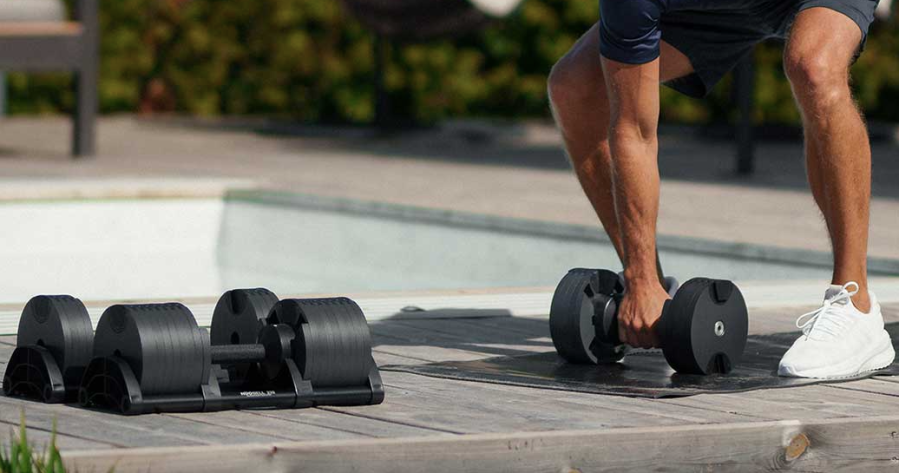
Adjustable dumbbells can be heavier and bulkier than regular ones. Some models require careful handling to avoid dropping plates. Learning to adjust them properly may take a few tries.
Regular dumbbells take more space and can be costly if you need many weights. They lack the convenience of quick weight changes. This might slow down your workout flow.

Credit: manuals.plus
Credit: mensfitness.co.uk
Frequently Asked Questions
How To Use The Adjustable Dumbbells?
Place the dumbbell on its base. Turn the dial to select your desired weight. Ensure both sides match. Grip firmly, maintain good posture, and perform controlled exercises.
What Are The Downsides Of Adjustable Dumbbells?
Adjustable dumbbells can be heavier and bulkier than fixed ones. They require time to adjust weights and may be more expensive. Some models have durability issues, and the adjustment mechanism can wear out with frequent use.
What Can I Do With Adjustable Dumbbells?
Adjustable dumbbells allow strength training with varied weights. Use them for presses, curls, rows, squats, lunges, and deadlifts. They save space and fit full-body workouts by easily adjusting resistance.
How To Count Weight On Adjustable Dumbbells?
To count weight on adjustable dumbbells, set both dials to the desired weight. Ensure they match before lifting. The total weight equals the selected number on each side plus the dumbbell handle’s weight. Always double-check settings for accuracy and safety.
Conclusion
Adjustable dumbbells make workouts simple and space-saving. You can change weights quickly to fit your exercise needs. Practice adjusting them safely before starting your routine. Use proper form to avoid injuries and get the best results. These dumbbells fit many exercises, helping you build strength effectively.
Keep them organized on their base after use. With regular practice, you will feel stronger and more confident. Enjoy the convenience and variety they bring to your home workouts.