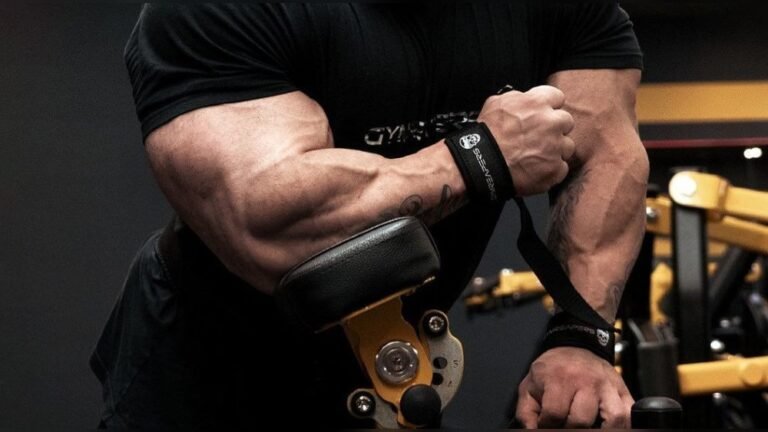
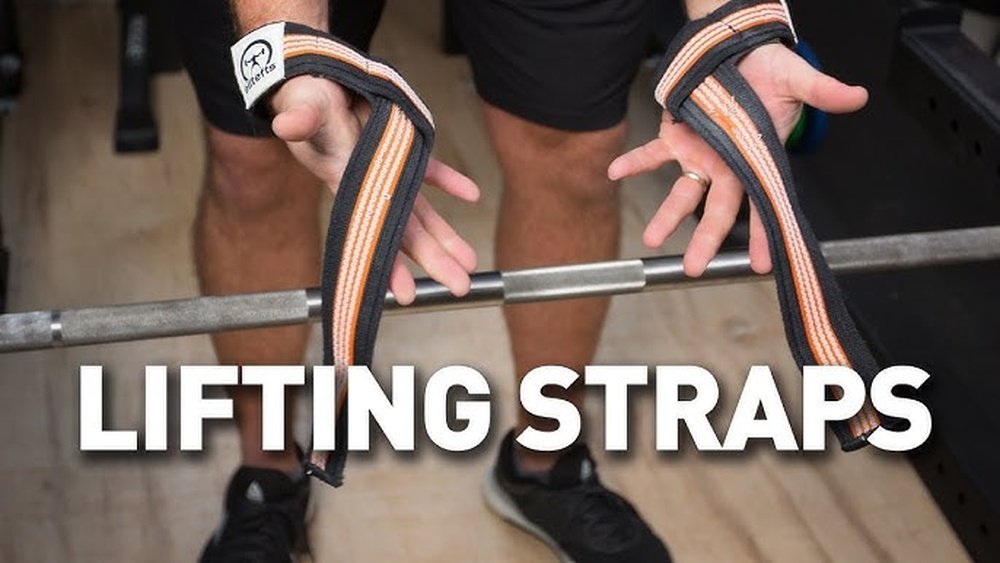
Are you struggling to lift heavier weights because your grip gives out too soon? Lifting straps might be the game-changer you need to push past that barrier.
But using them the right way is key—otherwise, you won’t get the full benefit or might even risk injury. In this guide, you’ll learn exactly how to use lifting straps correctly to boost your strength, protect your grip, and take your workouts to the next level.
Keep reading, and discover simple tips that can make a huge difference in your lifting performance.
Choosing Lifting Straps
Choosing the right lifting straps improves your grip and workout performance. The right straps support heavy lifts and reduce hand fatigue. Consider factors like strap type, material, size, and fit. These elements affect comfort and effectiveness during your training sessions.
Types Of Straps
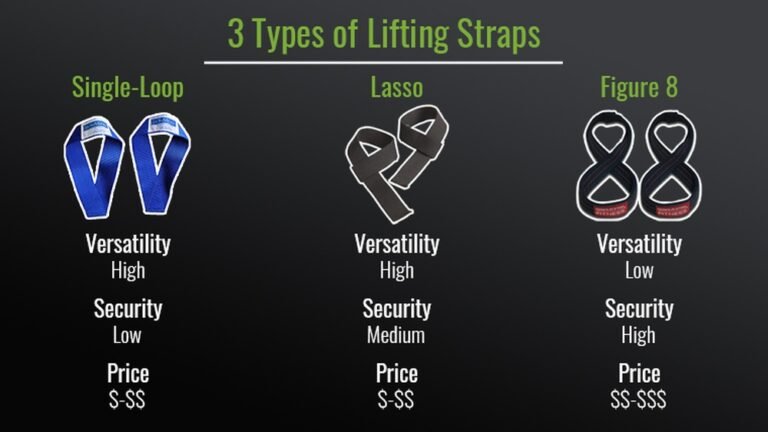
There are several types of lifting straps. Figure-eight straps form a loop around the wrist and bar. They offer a secure hold but limit wrist movement. Loop straps wrap around the wrist and bar separately. They provide more wrist freedom and adjustability. Wrist wraps combine support and strap features for extra stability. Choose a type based on your lifting style and comfort needs.
Material Considerations
Lifting straps come in different materials like cotton, nylon, and leather. Cotton straps are soft and comfortable but wear out faster. Nylon straps are strong and durable, ideal for heavy lifting. Leather straps offer excellent grip and last long but may feel stiff at first. Pick a material that balances comfort, durability, and grip for your workouts.
Size And Fit
Proper size and fit are crucial for effective lifting straps. Straps too long or short can cause discomfort or slip during lifts. Most straps come in standard lengths, but some brands offer adjustable sizes. The strap should fit snugly around your wrist without cutting off circulation. Test the fit by wrapping the strap and tightening it before lifting.
Preparing For Use
Preparing your lifting straps before starting your workout is crucial. Proper preparation ensures safety and improves your grip strength. It also helps you lift heavier weights with confidence. Follow simple steps to get ready.
Checking Your Equipment
Inspect your lifting straps carefully. Look for tears, frays, or worn areas. Damaged straps can break during lifting. Make sure the loops and ends are secure. Clean straps provide better grip and last longer. Replace straps if you find any damage. A quick check keeps your training safe and effective.
Wearing The Straps Correctly
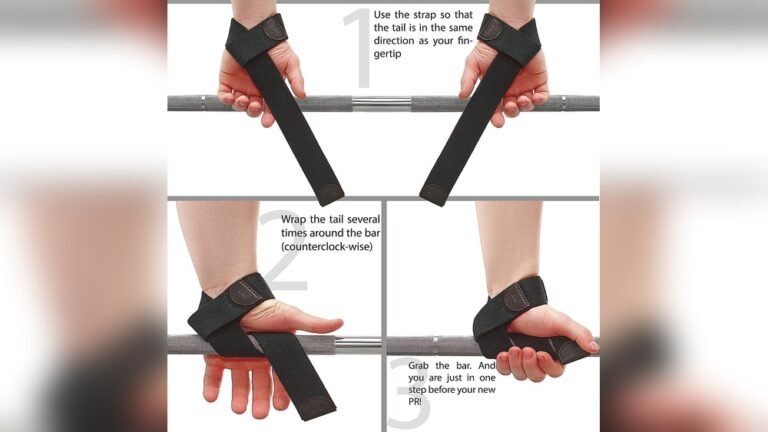
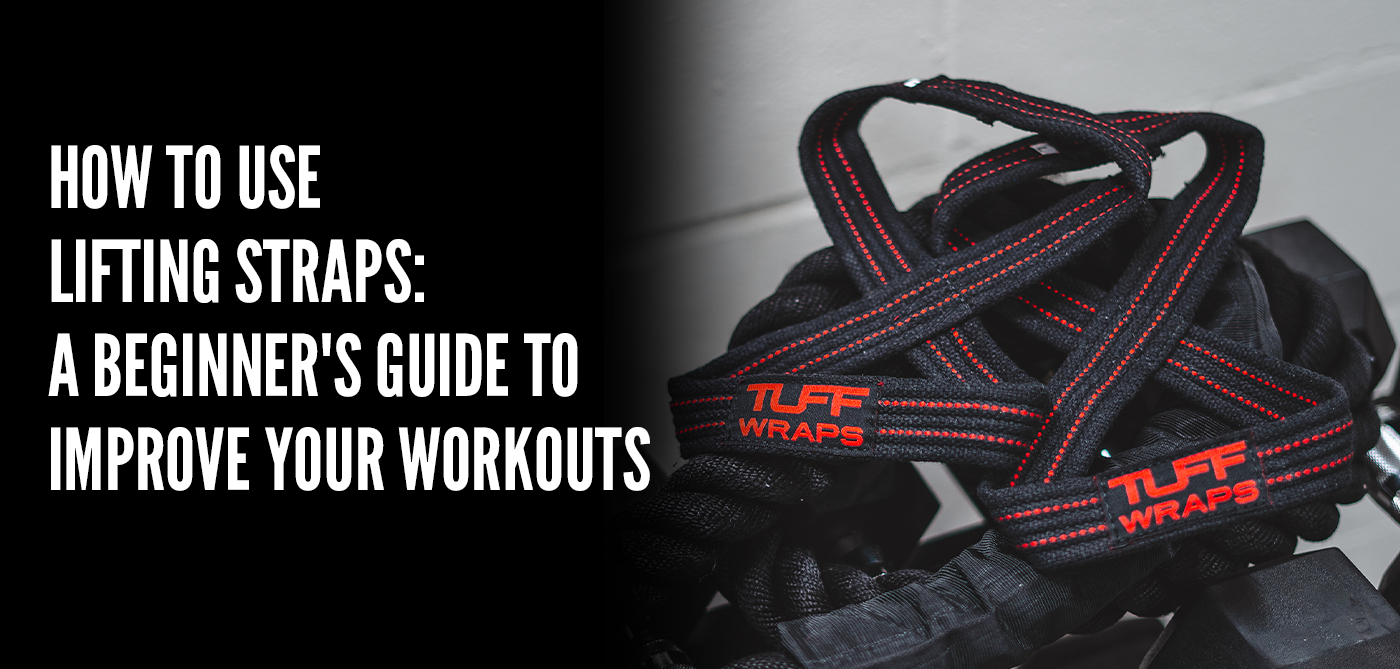
Slip your hand through the loop of the strap. The strap should rest comfortably around your wrist. The loose end must be long enough to wrap around the bar. Wrap the strap tightly around the bar for a secure hold. Ensure the strap direction matches your hand – right strap on right hand, left strap on left. Adjust the fit so it feels snug but not too tight. Proper wearing improves grip and reduces slippage during lifts.
Basic Wrapping Techniques
Lifting straps improve grip and help lift heavier weights safely. Knowing basic wrapping techniques ensures straps work well. Proper wrapping keeps the strap tight and secure during lifts. Follow these simple steps to wrap lifting straps correctly.
Right Vs Left Hand Placement
Place the right strap on your right hand and the left strap on your left hand. The strap loop should sit comfortably around your wrist. The loose end of the strap points away from your palm. This setup prevents slipping and ensures a firm grip.
Wrapping Around The Bar
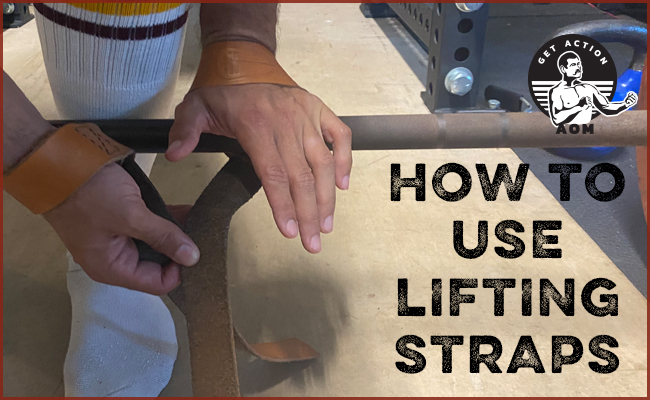
Hold the bar with your fingers. Wrap the loose strap end around the bar, moving it under and over. The strap should cross the bar once or twice for a tight hold. Keep the strap flat without twists to avoid discomfort.
Securing The Strap
After wrapping, grip the bar firmly with your hand over the strap. Pull the loose end to tighten the strap around the bar. Lock the strap by squeezing your fingers and wrist together. This locks your grip and reduces the chance of slipping.
Credit: www.tuffwraps.com
Advanced Wrapping Methods
Advanced wrapping methods improve grip strength and control during heavy lifts. These techniques help secure the strap firmly around the wrist and bar. Proper wrapping reduces slippage and increases lifting safety. They also allow better adjustment for comfort without sacrificing hold.
Double Wrapping
Double wrapping means looping the strap twice around the bar. This creates extra friction and a stronger grip. Start by placing the strap over the bar. Wrap it under and over again, making two full loops. Pull tight to remove slack. Double wrapping works well for heavy deadlifts and rows.
Adjusting Tightness For Comfort And Grip
Adjusting strap tightness balances comfort with grip security. Wrap the strap around your wrist first. Then, wrap it around the bar. Pull the strap to tighten, but avoid cutting off circulation. Check your hand and fingers for comfort. Tight enough to hold firmly, loose enough to avoid pain.
Exercises That Benefit Most
Lifting straps support your grip during heavy lifts. They help you hold the bar longer and lift heavier weights. Some exercises benefit more from straps because grip limits the weight you can lift. Using straps on these moves can improve your strength and form.
Deadlifts
Deadlifts challenge your grip with very heavy weights. Straps reduce grip fatigue and let you focus on lifting the weight. They help keep your hands secure on the bar. This support lets you pull more weight safely and improve your deadlift numbers.
Rows
Rows require a strong grip to pull the weight towards your body. Straps stop your grip from giving out early. This allows you to do more reps and use heavier weights. Your back muscles get a better workout without grip holding you back.
Pull-ups And Chin-ups
Pull-ups and chin-ups need a tight grip on the bar. Straps help you hold the bar longer during sets. They reduce hand and finger fatigue, letting you do more reps. This helps build stronger back and arm muscles over time.
Shrugs
Shrugs focus on your traps but require a strong grip on the barbell or dumbbells. Straps keep the weight secure in your hands. This lets you lift heavier loads without worrying about losing grip. You can fully target your traps for better muscle growth.
Credit: www.artofmanliness.com
Safety Tips
Using lifting straps can boost your grip strength and help you lift heavier weights. Safety is important to avoid injury and get the best results. Follow these safety tips to use lifting straps the right way.
Avoiding Overuse
Do not rely on lifting straps for every workout. Using them too much can weaken your natural grip. Train your hands and forearms without straps sometimes. This balance keeps your muscles strong and healthy.
Maintaining Proper Form
Always keep good form while lifting, even with straps. Straps help hold the weight, but your body must stay aligned. Poor form can cause injuries. Focus on posture, control, and smooth movements during lifts.
When To Avoid Straps
Skip straps for exercises that need hand strength, like pull-ups. Avoid straps when training grip endurance. Straps are best for heavy lifts where grip fails first. Use them wisely to protect your progress and safety.
Maintaining Your Straps
Proper care extends the life of your lifting straps. Regular maintenance keeps them safe and effective. Clean straps perform better and last longer. Storing straps correctly prevents damage. Replace straps when signs of wear appear. Follow these tips to maintain your gear.
Cleaning Instructions
Wipe straps with a damp cloth after use. Use mild soap and water for deeper cleaning. Avoid harsh chemicals that weaken the fabric. Let straps air dry completely before storing. Do not put straps in the washing machine or dryer.
Storage Tips
Store straps in a cool, dry place. Keep them away from direct sunlight and heat. Avoid folding straps tightly to prevent creases. Hang straps or lay them flat to keep shape. Clean and dry straps before storing to stop mold growth.
Replacing Worn Straps
Check straps regularly for frayed edges or tears. Replace straps if stitching is loose or damaged. Do not use straps with weakened material. Worn straps can break and cause injury. Always use strong, intact straps for lifting.
Common Mistakes To Avoid
Using lifting straps can improve your grip during heavy lifts. Avoid common mistakes to get the best results. These errors reduce effectiveness and may cause injury.
Loose Wrapping
Wrapping straps too loosely makes them slip during lifts. Secure the strap tightly around your wrist first. Then, wrap it firmly around the bar. A loose wrap reduces grip support and can cause accidents.
Using Straps Too Early
Relying on straps from the start weakens your natural grip. Use straps only for heavy sets or max lifts. Build your grip strength first. Overusing straps slows your progress and grip development.
Ignoring Grip Strength Training
Straps help but do not replace grip training. Neglecting grip exercises leads to weaker hands and wrists. Include grip workouts like farmer’s walks or dead hangs. Strong grip improves overall lifting and reduces injury risk.
Maximizing Strength Gains
Maximizing strength gains requires smart use of lifting straps. These tools help you lift heavier weights safely. They reduce grip fatigue so you can focus on muscle growth. Proper use of straps supports your training goals without neglecting grip strength. Balance is key for long-term progress.
Combining Straps With Grip Training
Use lifting straps to support your grip during heavy sets. Afterward, train your grip without straps to build hand strength. Exercises like farmer’s walks and dead hangs improve grip endurance. This combo prevents your grip from limiting your lifts. Strong grip and straps together enhance overall strength.
Progressive Overload Strategies
Increase the weight gradually to challenge your muscles. Use straps to hold heavier loads safely as your grip catches up. Avoid jumping to very heavy weights too fast. Focus on small, steady increases in reps or weight. This approach helps muscles grow without risking injury.
Tracking Your Improvements
Keep a workout journal to record weights, sets, and reps. Note when you use lifting straps and how they help. Tracking progress shows patterns and areas for growth. Review your records regularly to adjust your training plan. Clear tracking supports consistent strength gains over time.

Credit: www.youtube.com
Frequently Asked Questions
What Are Lifting Straps Used For?
Lifting straps help improve grip strength during heavy lifts. They reduce grip fatigue and allow you to lift more weight safely. Straps support your wrists and secure the barbell or dumbbell, enhancing performance in exercises like deadlifts and rows.
How Do You Properly Wear Lifting Straps?
Slide the strap through the loop and place it around your wrist. Wrap the loose end tightly around the barbell or dumbbell. Adjust for a snug fit to prevent slipping, ensuring the strap supports your grip without cutting off circulation.
When Should I Use Lifting Straps In Workouts?
Use lifting straps during heavy pulling exercises when grip strength limits performance. Ideal for deadlifts, shrugs, and rows. Avoid using straps for all lifts to maintain natural grip strength development and avoid over-reliance.
Can Lifting Straps Prevent Injuries?
Yes, lifting straps reduce grip fatigue and wrist strain, lowering injury risk. They help maintain proper form by stabilizing the wrists and preventing the bar from slipping. Use straps appropriately to protect joints during heavy lifts.
Conclusion
Using lifting straps can improve your workout by securing your grip. Practice wrapping them tightly around your wrists and the bar. This helps lift heavier weights safely and reduces hand fatigue. Remember to use straps only when needed to build grip strength.
With correct use, lifting straps support your progress and protect your hands. Keep practicing, and your lifts will feel more controlled and confident.