If you’re serious about building strength and staying safe during heavy lifts, mastering your power rack is a game-changer. This versatile piece of equipment is designed to support your workouts, protect your body, and help you push your limits with confidence.
But are you using your power rack to its full potential? In this guide, you’ll discover easy-to-follow tips and techniques that make every session more effective and injury-free. Whether you’re new to power racks or looking to improve your form, this article will give you the clear, practical advice you need to take control of your training and see real results.
Keep reading to unlock the full power of your power rack.
Power Rack Basics
A power rack is a key piece of equipment for weight training. It helps you lift weights safely and with control. Beginners and experts use it to do many exercises. Understanding the power rack basics will improve your workouts and prevent injuries.
This guide covers the main features of a power rack. It explains how it differs from a squat rack. It also shows the common types you can find in gyms or home setups.
Key Features
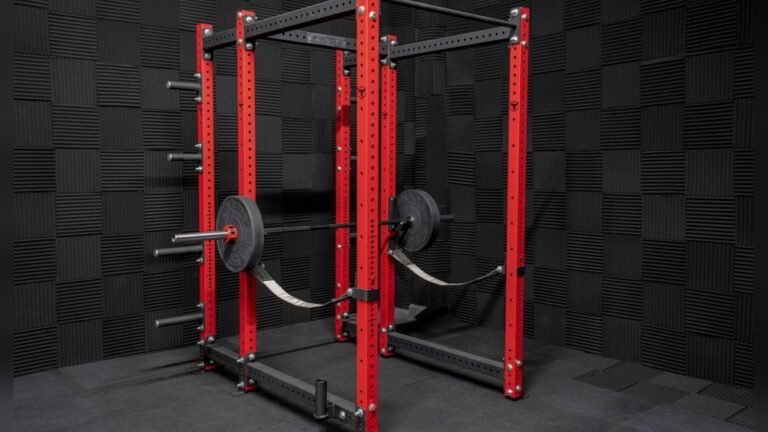
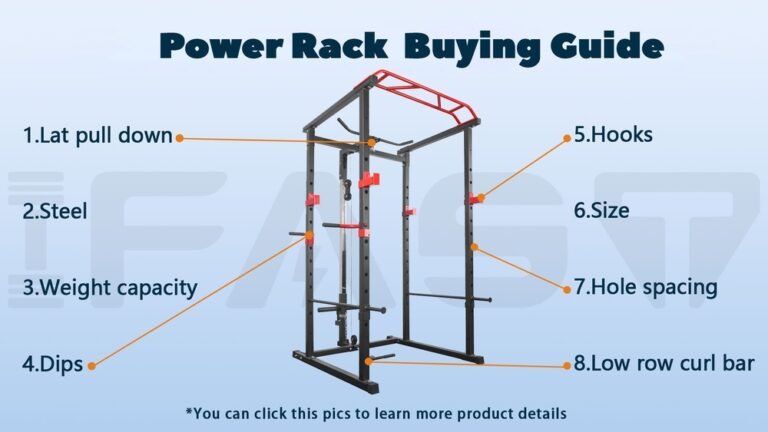
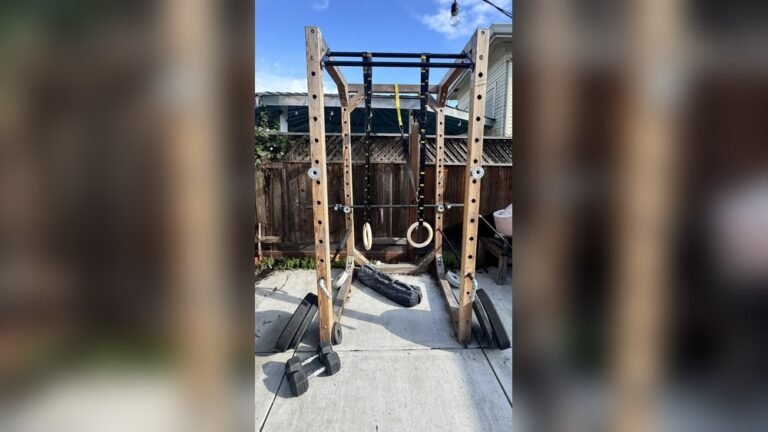
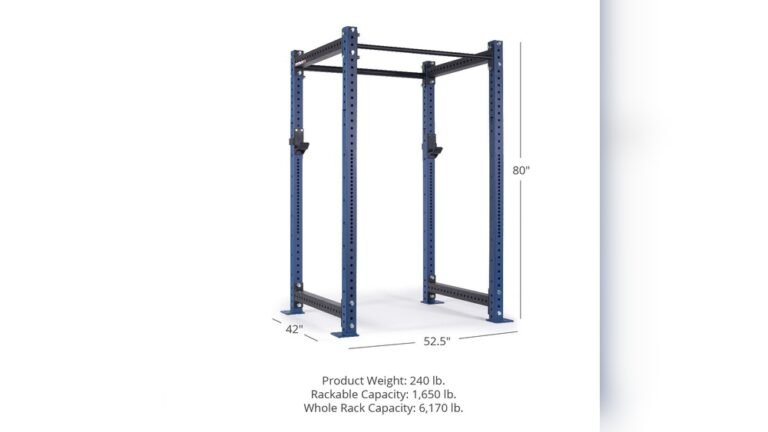
A power rack has four strong vertical posts. These posts support adjustable safety bars. The bars catch the barbell if you fail a lift. It also has multiple holes for bar placement. This allows exercises at different heights. Some racks include pull-up bars and weight storage pegs. The open design offers space for many movements.
Power Rack Vs Squat Rack
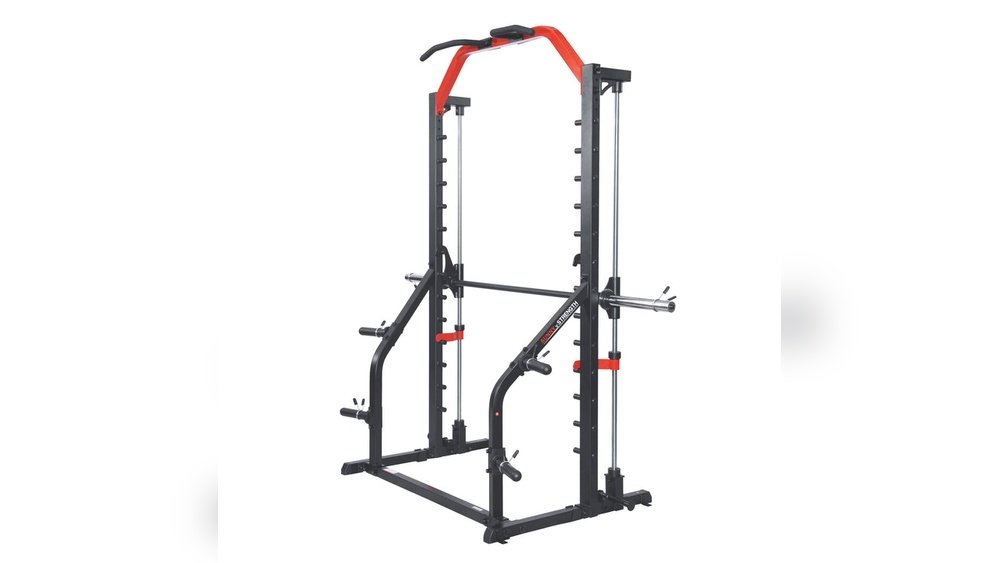
A power rack is more versatile than a squat rack. A squat rack mainly supports squats and some presses. It has two posts with adjustable hooks. A power rack surrounds you with four posts. It includes safety bars for better protection. Power racks suit more exercises and heavier lifts. Squat racks are simpler and take less space.
Common Types
There are full power racks and half racks. Full racks have four posts and a complete frame. Half racks have two posts and lean against a wall. Some racks fold to save space. Others come with extra attachments like dip bars. Choose a type based on space, budget, and workout needs.
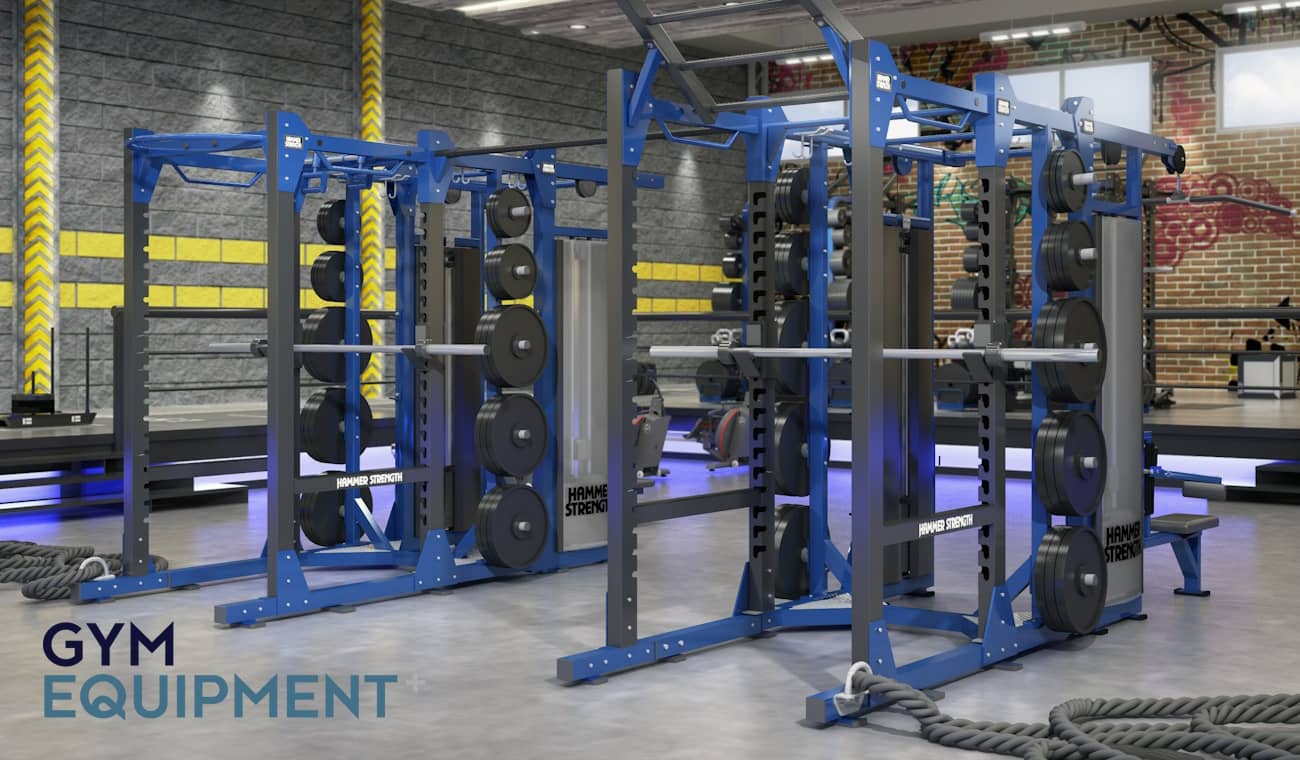
Credit: gymequipment.co.uk
Setting Up Your Power Rack
Setting up your power rack correctly ensures safety and enhances workout efficiency. This guide helps you arrange your power rack for the best performance. Proper setup also reduces injury risks and improves comfort during exercises.
Each step in this guide focuses on key areas to prepare your power rack for daily use. Follow these simple instructions to create a reliable and functional workout space.
Adjusting Height And Safety Bars
Set the height of the barbell supports according to your exercise needs. Adjust the safety bars to catch the barbell if you fail a lift. Keep the safety bars just below your lowest lifting point. This prevents the bar from falling on you during squats or presses.
Make small height changes to match different exercises like bench press or squats. Always double-check that the bars lock securely before starting your workout.
Essential Accessories
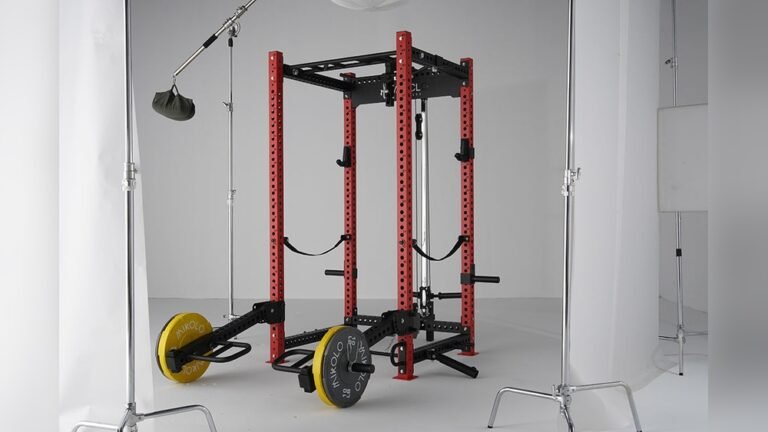
Add accessories to increase the functionality of your power rack. Common items include dip bars, pull-up bars, and landmine attachments. Use weight plate holders to keep your space organized and safe. Resistance bands and safety straps also improve training variety and safety.
Choose accessories that fit your workout style and rack model. Proper accessories make workouts more effective and enjoyable.
Space And Placement Tips
Place your power rack on a flat, stable surface to prevent movement. Allow enough room around the rack for safe lifting and easy access. Leave space for spotters or additional equipment near the rack.
Keep the area free from clutter to avoid tripping hazards. Good lighting helps you see clearly and maintain proper form. Position the rack away from doors and walkways for safety.
Effective Exercises With Power Rack
The power rack is a versatile tool for strength training. It supports many exercises that build muscle and improve fitness. Using it correctly helps you train safely and effectively.
Here are some effective exercises you can do with a power rack. Each targets different muscle groups and offers variety to your workout routine.
Squats And Variations
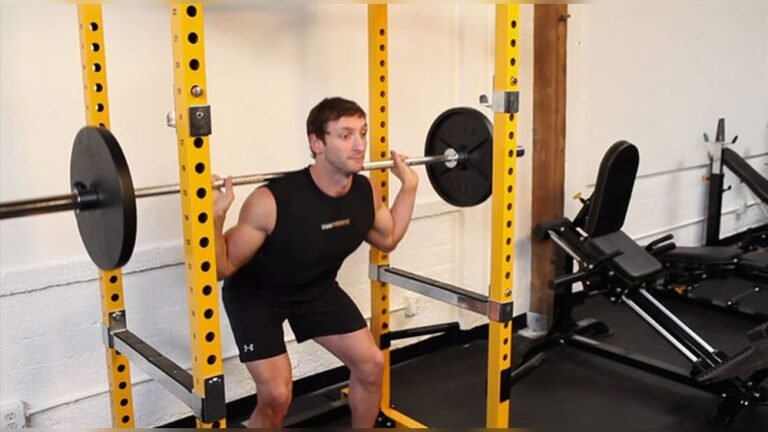
Squats are a core exercise for leg strength. Position the barbell on your shoulders inside the rack. Stand with feet shoulder-width apart. Lower your hips down and back. Keep your chest up and spine straight. Return to standing by pushing through your heels.
Try variations like front squats or box squats. Front squats focus more on your quads. Box squats help control depth and improve form. The power rack’s safety bars catch the weight if you cannot lift it.
Bench Press Techniques
The power rack allows safe bench pressing with a barbell. Set the bench inside the rack. Adjust the safety bars just below chest level. Lie on the bench and grip the bar slightly wider than shoulder-width.
Lower the bar slowly to your chest. Push it up until arms are straight. Use the rack’s hooks to rack the bar safely. Spotters are not always needed with the safety bars in place.
Pull-ups And Bodyweight Moves
Many power racks include a pull-up bar. Pull-ups strengthen your back and arms. Grip the bar with your hands slightly wider than shoulder-width. Pull your chin over the bar. Lower down with control.
You can also do hanging leg raises for core strength. Use the rack for dips or inverted rows. These bodyweight moves add variety and challenge different muscles.
Maximizing Strength Gains
Maximizing strength gains requires smart use of your power rack. It helps you train safely and effectively. Planning your workouts with clear goals improves results. Focus on gradual progress and proper recovery to build muscle and power.
Using the power rack correctly lets you lift heavier weights with confidence. This section covers key strategies to boost your strength gains.
Progressive Overload Strategies
Increase weight, reps, or sets step by step. This forces muscles to adapt and grow stronger. Track your workouts to ensure steady progress. Avoid big jumps in weight to reduce injury risk. Use the power rack’s safety features to push limits safely.
Balancing Volume And Intensity
Volume means total work done, intensity means how hard the work is. Find a balance for best strength gains. Too much volume can cause fatigue. Too much intensity can lead to injury. Use the rack to control your training load with correct form and rest.
Incorporating Recovery
Rest allows muscles to repair and grow. Schedule rest days between heavy sessions. Use light workouts or stretching on recovery days. Sleep well and eat enough protein to support growth. The power rack can aid recovery by reducing strain during workouts.
Common Mistakes To Avoid
Using a power rack correctly is key to safe and effective workouts. Many people make simple mistakes that can cause injury or limit progress. Avoiding these errors helps you get the best results from your training.
Incorrect Rack Usage
Not setting the safety bars at the right height is a common error. This can cause the bar to fall too far if you fail a lift. Another mistake is placing the barbell too high or low on your back during squats. This affects your balance and form. Make sure to adjust the rack to fit your body size and exercise type.
Ignoring Safety Protocols
Skipping the use of safety pins or bars is risky. They protect you if a lift goes wrong. Some users lift heavy weights alone without a spotter or safety setup. This increases the chance of accidents. Always use the rack’s safety features and never lift beyond your ability without help.
Poor Form Habits
Bad posture and movement habits often develop when using a power rack. Rounding your back, locking your knees, or letting your knees cave inward can lead to injury. It is important to focus on proper technique. Use mirrors or record yourself to check your form. Good habits keep you safe and improve strength gains.

Credit: www.blkboxfitness.com
Maintenance And Safety Tips
Maintaining your power rack is key to safe and effective workouts. Regular care keeps the equipment strong and reliable. Follow these tips to protect your investment and avoid injuries.
Regular Inspection
Check all bolts and screws every week. Tighten anything loose to keep the rack stable. Look for cracks or rust on the metal parts. Replace damaged pieces immediately. Inspect safety bars and hooks for wear. Ensure the rack stands firm on the floor without wobbling.
Cleaning And Lubrication
Wipe down the rack after each use to remove sweat and dust. Use a mild cleaner to prevent rust. Avoid harsh chemicals that can damage the finish. Lubricate moving parts like pulleys or pins monthly. Use light oil or silicone spray for smooth operation. Cleanliness extends the life of your power rack.
Safe Spotting Techniques
Always use the safety bars during heavy lifts. Adjust them to the right height before starting. Never lift without a spotter if you are unsure. Keep your grip secure on the barbell. Avoid sudden movements that could throw off balance. Practice controlled and steady lifting for safety.

Credit: titan.fitness
Frequently Asked Questions
How To Properly Use A Power Rack?
Set safety bars at proper height before lifting. Position the barbell securely on hooks. Perform controlled lifts within the rack. Use collars to secure weights. Always maintain good form and avoid overloading the rack.
What Is The 3-3-3 Rule For Working Out?
The 3-3-3 rule guides workout structure: perform 3 exercises, 3 sets each, with 3 minutes rest between sets. It balances strength and recovery.
What Is The 2 2 2 Rule In Gym?
The 2 2 2 rule in gym means doing 2 exercises, 2 sets each, with 2 minutes rest between sets. It balances workout intensity and recovery.
What Should You Avoid When Using A Power Rack?
Avoid lifting without setting safety pins properly. Do not overload the rack beyond its limit. Skip poor form and neglect warm-ups. Never leave the bar unsecured or use unstable footing. Avoid distractions to maintain focus and prevent accidents.
Conclusion
Using a power rack helps you exercise safely and effectively. Follow proper form to avoid injuries and improve strength. Adjust the rack to fit your height and workout needs. Keep the area clear and check equipment before each use. Consistent practice builds confidence and better results over time.
Remember, safety and correct technique matter most in every session. Enjoy your workouts and stay committed to your fitness goals.