If you’re serious about powerlifting, you already know that every detail counts—especially when it comes to safety and performance. A powerlifting belt isn’t just another accessory; it’s a game-changer that can help you lift heavier, protect your back, and push past your limits.
But how exactly do you use it right? Where should it sit? How tight should it be? Getting these basics wrong could hold you back or even cause injury. In this guide, you’ll discover everything you need to know to use your powerlifting belt like a pro.
Whether you’re squatting, deadlifting, or bench pressing, mastering the belt’s usage will give you the confidence and support to lift smarter and stronger. Keep reading to unlock the secrets that could transform your lifts and keep your body safe.

Credit: www.versagripps.com
Powerlifting Belt Types
Choosing the right powerlifting belt helps improve your lifting performance. Different belts offer various support styles and materials. Understanding types can guide you to the best fit for your needs.
Belts vary by design, material, width, and thickness. Each type suits different lifting styles and goals. Knowing these differences is key to effective use.
Olympic Vs Powerlifting Belts
Olympic belts tend to be thinner and more flexible. They allow more movement and suit dynamic lifts like snatches. Powerlifting belts are thicker and stiffer. They provide strong support for heavy squats and deadlifts.
Olympic belts taper from front to back for comfort. Powerlifting belts keep the same width all around for uniform support. Choose based on your lifting style and the lifts you perform most.
Leather Vs Nylon Belts
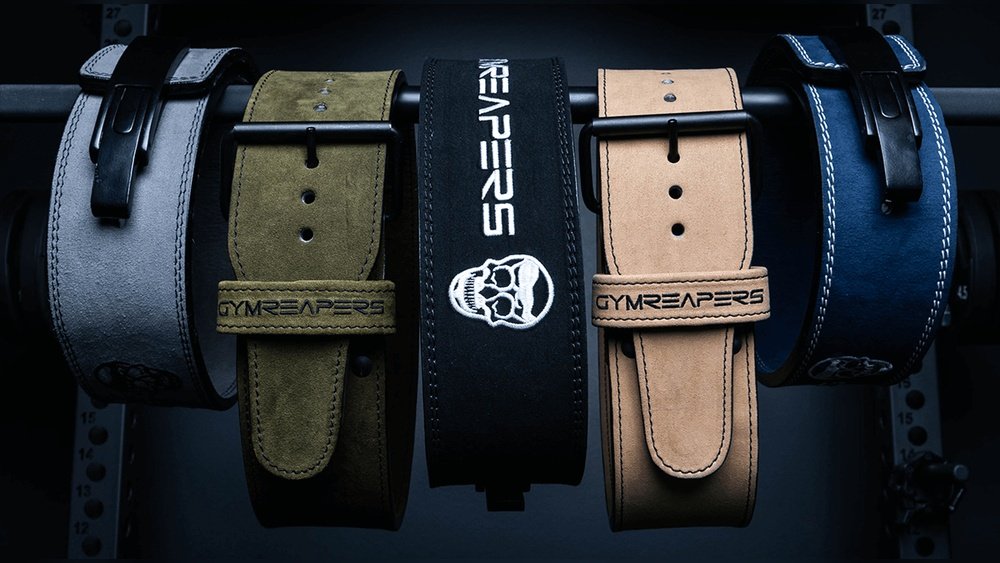
Leather belts offer firm, rigid support and last long. They require a break-in period to soften. Nylon belts are lighter and more flexible. They feel comfortable right away but may wear out faster.
Leather belts suit heavy, slow lifts needing maximum core stability. Nylon belts work well for lighter lifts and those needing more mobility. Material choice depends on your comfort and lifting intensity.
Width And Thickness Options
Standard powerlifting belts measure 4 inches wide for consistent support. Some belts taper at the back for better comfort during bends. Thickness ranges from 6mm to 13mm.
Thicker belts offer more support but can feel stiff. Thinner belts are easier to wear but give less stability. Pick a width and thickness that match your lifting style and comfort level.
Choosing The Right Belt
Choosing the right powerlifting belt is key for safety and performance. A good belt supports your core and helps maintain proper form. It must suit your lifting style and body shape. Selecting the wrong belt can limit your progress or cause discomfort. The following points guide you to pick the best belt for your needs.
Assessing Your Lifting Goals
Identify your main lifting targets first. Are you training for maximal strength or general fitness? Heavy lifts like squats and deadlifts need stronger, thicker belts. For lighter or varied exercises, a more flexible belt may work better. Your goals influence belt thickness, stiffness, and design choices. Choose a belt that matches your training intensity.
Matching Belt To Exercise Type
Different exercises require different belt styles. Powerlifting belts are usually thicker and uniform in width. Weightlifting belts often taper at the front for more movement. For squats and deadlifts, use a stiff belt that offers firm support. For Olympic lifts or CrossFit, a flexible belt helps with mobility. Pick a belt that fits the specific demands of your workout.
Fit And Comfort Considerations
Proper fit is vital to avoid discomfort and injury. The belt should sit snugly around your waist, not too tight or loose. Check the belt width; it must cover your core without digging into your ribs or hips. Leather belts offer durability but need a break-in period. Nylon belts are lighter and softer but may wear out faster. Try belts on to find one that feels secure and comfortable during lifts.
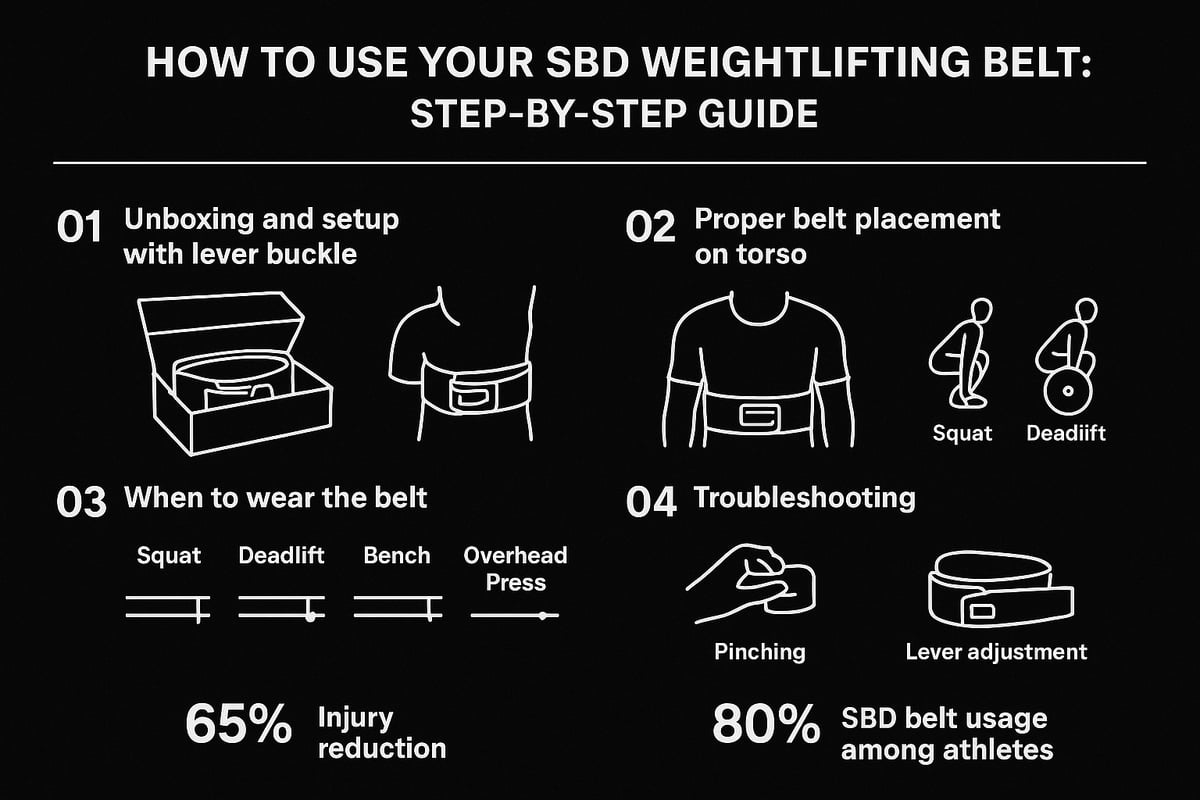
Proper Belt Placement
Proper belt placement is essential for effective support during powerlifting. The belt must sit correctly on the waist to help stabilize the core. Incorrect placement reduces the belt’s effectiveness and may cause discomfort or injury. Understanding how to position and adjust the belt for different lifts ensures safety and better performance.
Positioning On The Waist
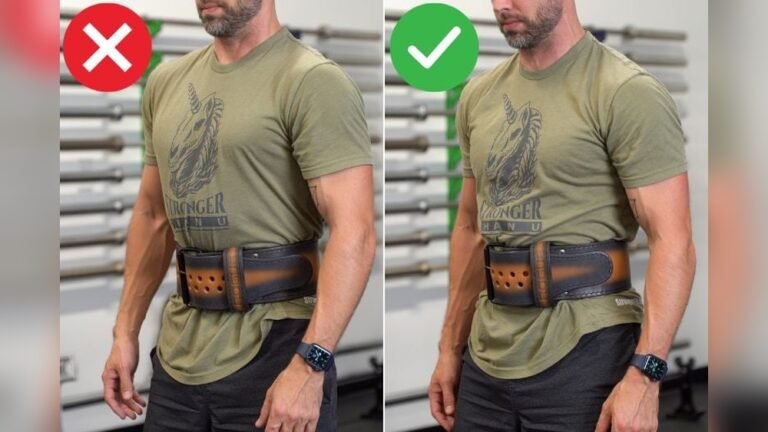
Place the belt around your natural waist, just above the hip bones. This position allows the belt to support your lower back and abdominal muscles. The belt should cover the area between the bottom of your ribs and the top of your hips. Avoid placing the belt too high or too low. Find a spot where it feels snug but comfortable.
Adjusting For Different Lifts
Tighten the belt firmly but not too tight to restrict breathing. For squats, wear the belt higher on the waist for better core support. During deadlifts, position the belt slightly lower to allow full hip movement. Adjust the tightness depending on the lift and how much support you need. Always test the fit before starting your sets.
Common Placement Mistakes
Placing the belt too low can limit hip motion and cause discomfort. Wearing it too high may not support the lower back properly. Over-tightening the belt can reduce breathing ability and increase pressure. Another mistake is wearing the belt loosely, which fails to provide needed stability. Check your placement and tightness regularly to avoid these errors.
Tightening Techniques
Proper tightening of a powerlifting belt is crucial for safety and performance. The belt must support your core without restricting breathing or movement. Using the right techniques helps build the needed intra-abdominal pressure. This pressure stabilizes your spine during heavy lifts. Below are key methods to tighten your belt effectively.
Creating Core Pressure
Start by placing the belt around your waist, just above your hips. Tighten it enough to feel firm but not painful. Take a deep breath into your belly, pushing your abdomen against the belt. This action creates core pressure inside your torso. The belt resists this outward force, giving your spine extra support. Hold the breath while you lift to maintain stability.
Optimal Tightness Levels
Find a balance between tight and loose. The belt should feel snug but allow you to breathe deeply. Too loose, and it won’t help your core pressure. Too tight, and it may restrict breathing or cause discomfort. Most lifters tighten the belt to a point where it feels firm but not painful. Adjust based on the lift type and your comfort.
Avoiding Over-tightening
Do not crank the belt as tight as possible. Over-tightening can reduce blood flow and limit breathing. It may cause dizziness or muscle cramps during lifts. A very tight belt also limits your natural movement and can hurt your performance. Aim for firm support, not max pressure. Listen to your body and adjust the belt accordingly.
Benefits Of Using A Belt
Using a powerlifting belt offers important benefits for lifters of all levels. It supports the body during heavy lifts and helps improve performance. Wearing a belt properly helps engage the core muscles and protects the spine. These benefits lead to safer and more effective training sessions.
Enhanced Core Stability
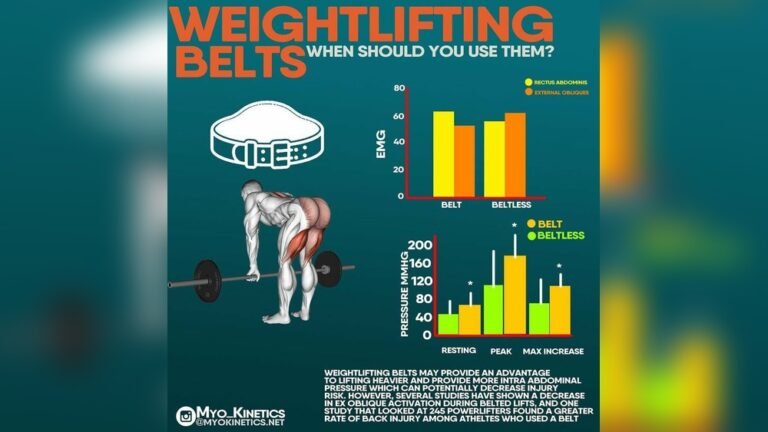
A powerlifting belt increases pressure in the abdominal area. This pressure stabilizes the spine and supports the lower back. With better stability, lifters keep proper form during lifts. The belt acts like a brace, helping the core muscles work harder. This reduces unwanted movement and improves control.
Injury Prevention
The belt reduces stress on the spine and surrounding muscles. It lowers the risk of strains and disc injuries during heavy lifts. By keeping the back aligned, the belt protects against sudden twists or bends. This safety helps lifters avoid common powerlifting injuries.
Boosting Maximal Strength
Wearing a belt allows lifters to lift heavier weights safely. The added support lets the core generate more force. This extra force helps increase maximal strength during squats, deadlifts, and other lifts. Lifters can push themselves further without losing stability or risking injury.
When To Use A Belt
Using a powerlifting belt correctly can improve your lifting safety and performance. Knowing when to wear a belt is key. The belt helps increase core stability and protect your lower back during heavy lifts. Not every lift needs a belt. Use it smartly to get the best support.
Max Effort Lifts
Wear your belt during max effort lifts. These lifts push your strength to the limit. A belt helps keep your spine stable under heavy loads. This support reduces injury risk. It also allows you to brace your core harder. Max effort lifts include attempts at your one-rep max or near it.
Heavy Squats And Deadlifts
Use a belt for heavy squats and deadlifts. These moves put great pressure on your lower back. The belt creates intra-abdominal pressure. This pressure supports your spine and improves lift control. Put on your belt before starting the set. Tighten it enough to feel firm but not painful.
Training Without A Belt
Practice lifting without a belt during lighter sets. This helps build natural core strength. Training beltless improves your stability and balance. Use this method in warm-ups or low-weight days. Avoid using a belt for every lift. This prevents over-reliance and strengthens your muscles naturally.
Belt Maintenance Tips
Maintaining your powerlifting belt is key to keeping it effective and durable. Proper care helps the belt hold its shape and support during heavy lifts. Simple maintenance steps can prevent damage and extend the belt’s life. Follow these tips to ensure your belt stays in top condition.
Cleaning And Care
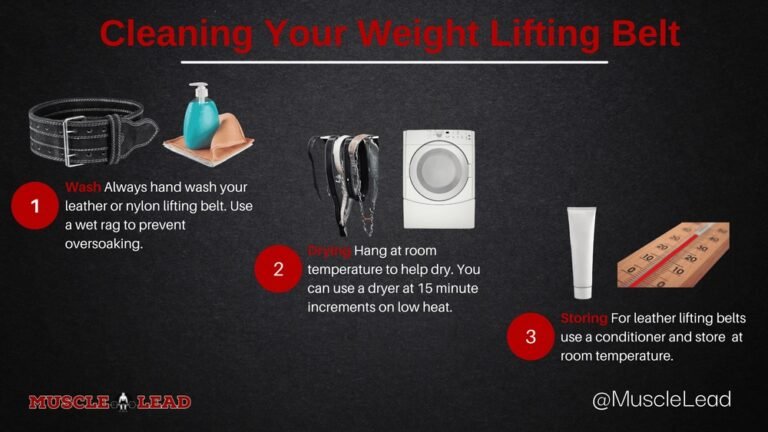
Clean your belt regularly to remove sweat and dirt. Use a damp cloth with mild soap to wipe the surface gently. Avoid soaking the belt or using harsh chemicals. Let it air dry naturally, away from direct sunlight or heat sources. This protects the leather or fabric from cracking and fading.
Breaking In A New Belt
A new belt feels stiff at first and needs time to soften. Wear it during warm-up sets or light training sessions. Gradually increase the belt’s use to shape it to your body. This process improves comfort and support. Avoid bending or folding the belt sharply, as this can cause cracks.
Extending Belt Lifespan
Store your belt in a cool, dry place when not in use. Avoid leaving it in a gym bag or car for long periods. Check the buckle and stitching often for signs of wear. Tighten screws or replace parts as needed. Proper care helps your belt last longer and perform better.
Credit: katamu.co
Common Belt Myths
Powerlifting belts often come with many misconceptions. These myths can confuse lifters about their proper use and benefits. Understanding the truth helps you use the belt correctly for better performance and safety. Let’s clear up some common myths about powerlifting belts.
Belt Use Limits Core Strength
Some believe belts weaken core muscles. The truth is belts support your core during heavy lifts. They help increase intra-abdominal pressure, which protects your spine. Using a belt does not stop your core from working. It actually allows you to lift heavier safely while still training your core.
Belts Guarantee Injury-free Lifting
No belt can promise lifting without injury. A belt adds support but does not replace good form. Injuries happen when technique fails or you push too hard. The belt helps reduce risk but cannot prevent all injuries. Proper training, warm-ups, and listening to your body remain essential.
One Belt Fits All
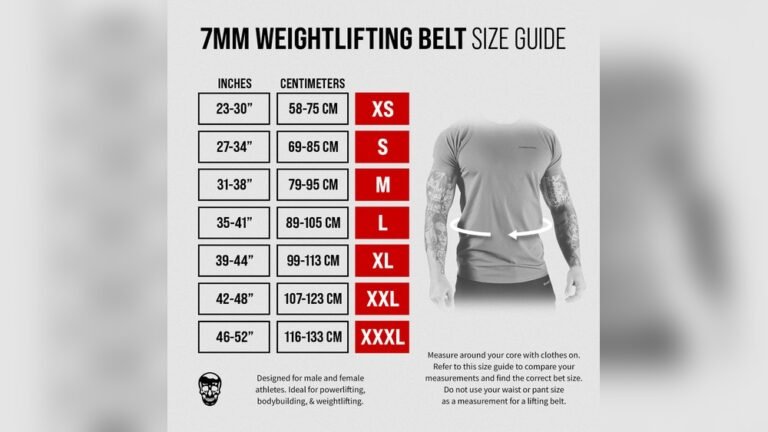
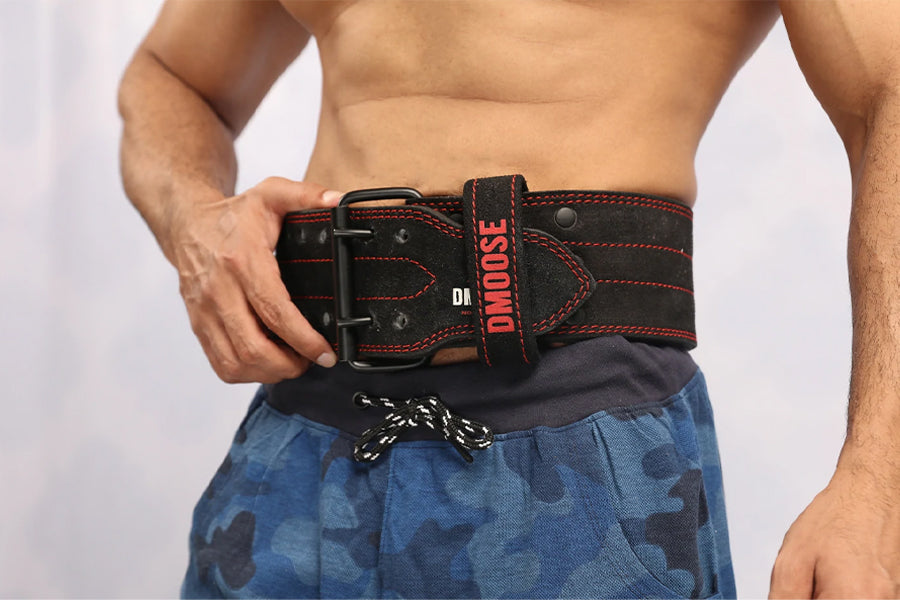
Powerlifting belts come in different sizes and styles. A belt that fits one person may not fit another well. Your body shape, waist size, and lifting style affect which belt suits you best. Choose a belt that fits snugly and feels comfortable during lifts. Avoid using a belt just because it is popular or cheap.
Credit: www.dmoose.com
Frequently Asked Questions
What Is M1, M2, M3, M4 In Powerlifting?
M1, M2, M3, and M4 in powerlifting refer to Masters age divisions. They group lifters by age to ensure fair competition. M1 covers ages 40-49, M2 50-59, M3 60-69, and M4 70+. This system promotes longevity and recognizes age-related strength differences.
How To Use A Powerlifting Belt?
Place the belt around your waist, above the hips. Tighten it enough to brace your core firmly. Adjust placement and tightness based on the lift and comfort. Maintain strong abdominal pressure throughout the movement for optimal support and stability.
What Are The Rules For Powerlifting Belts?
Powerlifting belts must be 4 inches wide and made of leather or approved material. They should not exceed 13mm thickness. Belts must be worn during squats and deadlifts only. Tighten the belt to support your core without restricting breathing. Follow specific federation rules carefully.
Do I Need A 10mm Or 13mm Lifting Belt?
Choose a 10mm belt for general lifting and comfort. Opt for a 13mm belt if you need maximum support during heavy powerlifting.
Conclusion
A powerlifting belt helps support your core during heavy lifts. Wearing it correctly boosts your stability and safety. Tighten the belt enough to feel firm but not uncomfortable. Position it around your waist, covering your lower back and abdomen. Practice using the belt in training before lifting maximum weights.
Remember, the belt is a tool, not a substitute for good form. Use it wisely to protect your body and improve your lifts. Consistent practice and proper use lead to better results over time.