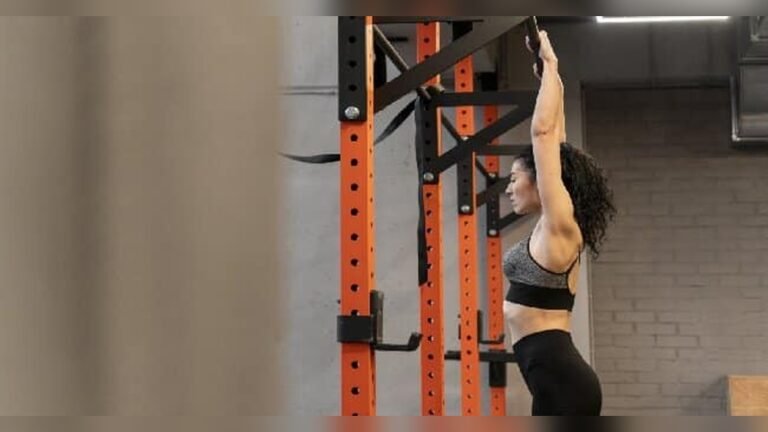
If you want to build real upper body strength and improve your fitness, mastering the pull-up bar is a game-changer. But using a pull-up bar correctly isn’t always straightforward.
You might wonder how to grip it, how often to train, or how to avoid common mistakes that hold back your progress. This guide is designed just for you—to make pull-up workouts simple, effective, and safe. Whether you’re a beginner aiming for your first pull-up or looking to take your routine to the next level, keep reading.
You’ll discover easy tips and step-by-step instructions that will help you unlock your full potential with the pull-up bar. Your stronger, fitter self is just a few pulls away.

Credit: www.gornation.com
Choosing The Right Bar
Choosing the right pull-up bar is essential for a safe and effective workout. The perfect bar fits your space, supports your weight, and feels comfortable. This guide helps you select the best pull-up bar for your needs.
Types Of Pull-up Bars
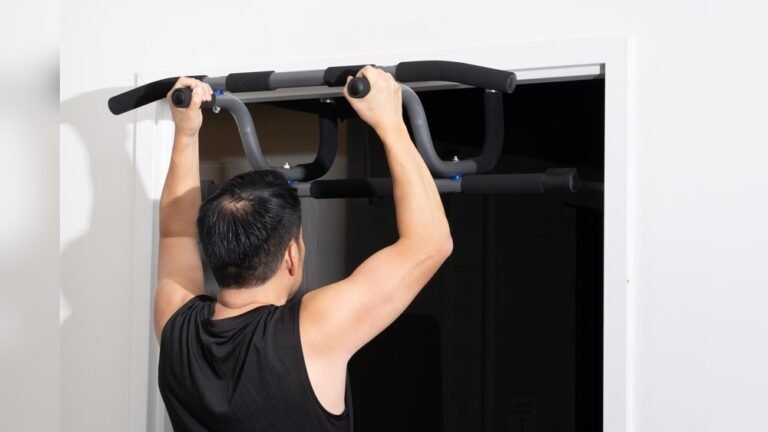
There are several types of pull-up bars. Doorway bars fit into door frames and are easy to install. Wall-mounted bars offer strong support but need drilling. Ceiling-mounted bars provide more space but require solid ceilings. Free-standing bars are portable and good for larger spaces.
Space And Installation Tips
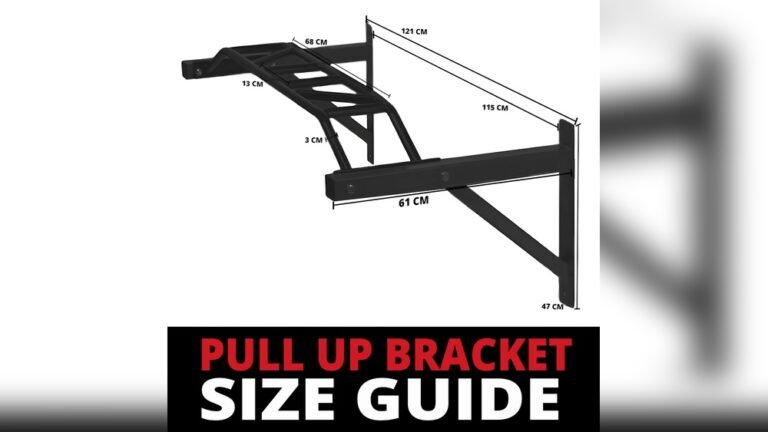
Measure your available space before buying. Ensure enough height for full arm extension. Check door frame width and strength for doorway bars. For wall or ceiling bars, find studs or solid beams to anchor the bar. Use proper tools and follow instructions carefully. Safety depends on secure installation.
Bar Material And Grip
Pull-up bars come in steel, aluminum, and other metals. Steel bars offer the best strength and durability. Aluminum bars are lighter but less sturdy. Check the grip surface for comfort. Rubber or foam grips reduce hand slipping and protect your skin. Choose a bar with a comfortable grip that suits your workout style.

Credit: www.gornation.com
Basic Pull-up Techniques
Pull-ups build upper body strength and improve muscle tone. Using proper techniques makes workouts safer and more effective. Focus on three key areas: grip, body position, and breathing. These basics help you do pull-ups with good form and avoid injury.
Grip Variations
Different grips target different muscles. The most common grip is the overhand grip, with palms facing away. This works your back and shoulders well. The underhand grip, with palms facing you, focuses more on the biceps. You can also try a neutral grip, where palms face each other. Change grips to train muscles evenly and avoid strain.
Body Positioning
Keep your body straight and tight during pull-ups. Engage your core to avoid swinging. Pull your shoulder blades down and back before lifting. Lead the movement with your chest, not your chin. Cross your legs or keep them slightly bent to stay balanced. Good posture makes pull-ups easier and safer.
Breathing Patterns
Breathe out as you pull yourself up. This helps engage your muscles better. Inhale slowly as you lower your body back down. Avoid holding your breath to prevent dizziness. Steady breathing keeps your energy up and supports muscle control. Practice breathing with every rep for best results.
Beginner Workout Routines
Starting pull-up exercises can be tough for beginners. Using a pull-up bar properly helps build strength safely. Simple routines help you gain muscle and improve endurance. Focus on controlled movements and steady progress. Keep workouts short and consistent to avoid injury.
Below are easy beginner routines to try. These exercises prepare your muscles for full pull-ups. Practice regularly and watch your strength grow.
Assisted Pull-ups
Assisted pull-ups reduce the load on your arms. Use a resistance band or a sturdy chair for support. Place the band under your knees or feet. Pull up slowly until your chin reaches the bar. Lower yourself with control. This method builds strength gradually and prevents strain.
Negative Pull-ups
Negative pull-ups focus on the lowering phase. Jump or step to get your chin above the bar. Slowly lower your body down as far as you can. Take about 3 to 5 seconds to descend. This trains muscles to handle full pull-ups. Repeat several times to improve muscle control and strength.
Repetition And Set Guidelines
Start with 3 sets of 5 to 8 reps. Take 1 to 2 minutes rest between sets. Gradually increase reps as you get stronger. Avoid rushing through movements. Quality matters more than quantity. Rest days are important to let muscles recover and grow.

Credit: balletpalmbeach.org
Advanced Pull-up Variations
Advanced pull-up variations challenge your strength and build muscle faster. These exercises target different muscles and improve control. Adding variety keeps workouts interesting and effective.
Try these variations to increase difficulty and boost your pull-up routine.
Weighted Pull-ups
Weighted pull-ups increase resistance using a weight belt or vest. This adds extra load to your muscles. Start with light weights and increase gradually. Weighted pull-ups build serious upper body strength. Keep your form strict to avoid injury.
Explosive Pull-ups
Explosive pull-ups focus on speed and power. Pull yourself up quickly and with force. You can try clapping at the top or pulling higher than usual. This variation improves fast-twitch muscle fibers. Use it to enhance your athletic performance and muscle growth.
One-arm Pull-ups
One-arm pull-ups are very challenging and require strong muscles. Use one arm to pull your entire body up. Beginners can start by using the second hand for support. This exercise builds extreme strength and control. Practice regularly to progress safely.
Integrating Pull-ups Into Full-body Workouts
Integrating pull-ups into full-body workouts boosts overall strength and muscle balance. Pull-ups target the upper body, especially the back and arms. Combining them with other exercises creates a more effective routine. This section explains how to add pull-ups with compound lifts, supersets, and endurance training.
Compound Lifts And Pull-ups
Compound lifts work multiple muscle groups at once. Examples include squats, deadlifts, and bench presses. Adding pull-ups complements these lifts by focusing on the upper back and arms. This combination improves muscle coordination and functional strength. It also prevents muscle imbalances and enhances workout efficiency.
Supersets And Giant Sets
Supersets pair two exercises performed back to back without rest. Giant sets involve three or more exercises done consecutively. Including pull-ups in these sets increases workout intensity. This method saves time and increases calorie burn. It also challenges both strength and endurance in one session.
Endurance And Strength Balance
Balancing endurance and strength ensures steady progress. Use pull-ups with low reps and heavy resistance to build strength. Perform high reps with lighter resistance to improve endurance. Alternating between these methods prevents plateaus. It also promotes muscle growth and better stamina for full-body workouts.
Common Mistakes To Avoid
Using a pull-up bar effectively means avoiding common mistakes. These errors can slow progress and cause injuries. Knowing what to avoid helps you gain strength safely. Below are key mistakes many make when using a pull-up bar.
Poor Form Issues
Poor form reduces workout results and risks injury. Swinging the body or using momentum lowers muscle engagement. Avoid partial pull-ups; go through the full range of motion. Keep your shoulders down and back during each pull-up. Tighten your core to stabilize the body. Controlled, steady movements work muscles better and prevent strain.
Overtraining Risks
Doing too many pull-ups without rest causes overtraining. Overtraining leads to fatigue and muscle soreness. Your muscles need time to recover and grow stronger. Schedule rest days between pull-up sessions. Listen to your body and stop if you feel pain. Balance pull-ups with other exercises to avoid burnout.
Grip And Shoulder Injuries
Improper grip puts stress on wrists and shoulders. Use a grip width that feels natural and comfortable. Avoid gripping too tightly or with locked wrists. Shoulder injuries happen when you pull with incorrect shoulder position. Keep shoulders engaged but relaxed, not shrugged. Warm up your shoulders before starting pull-ups to reduce injury risk.
Recovery And Progress Tracking
Tracking your recovery and progress is key for effective pull-up bar training. It helps avoid injury and keeps motivation high. Knowing when to rest and how to measure improvements leads to better results.
Rest Days Importance
Muscles need time to repair and grow stronger after workouts. Rest days prevent overtraining and reduce injury risk. Skipping rest can cause fatigue and slow progress. Plan rest days between pull-up sessions for better performance.
Tracking Reps And Sets
Write down the number of pull-ups you do each set. Tracking reps helps see strength gains over time. Note how many sets you complete and any changes in difficulty. This simple habit keeps your workout focused and organized.
Adjusting Workouts Over Time
As you get stronger, increase reps or sets gradually. Add variations like wide grip or chin-ups to challenge different muscles. Changing your routine prevents plateaus and builds balanced strength. Listen to your body and adjust intensity accordingly.
Pull-up Bar Safety Tips
Using a pull-up bar can greatly improve your strength and fitness. Safety is key to avoid injuries. Follow these tips to make your workouts safe and effective.
Proper Installation Checks
Check the pull-up bar before each use. Ensure it is firmly attached to the wall or door frame. Test the bar by applying pressure with your hands. Look for any signs of wear or damage. Tighten all screws and bolts regularly. Use a bar that fits your door frame securely. Avoid bars that move or wobble during use.
Warm-up And Stretching
Always warm up your muscles before using the pull-up bar. Do light cardio for 5-10 minutes to increase blood flow. Stretch your arms, shoulders, and back gently. This prepares your muscles and joints for exercise. Warming up reduces the risk of strains and injuries. Stretch after your workout to improve flexibility and recovery.
Using Assistance Bands Safely
Assistance bands help beginners perform pull-ups with less weight. Choose bands with the right resistance for your strength level. Secure the band tightly to the bar before use. Check the band for tears or damage before each workout. Avoid overstretching the band to prevent snapping. Use smooth, controlled movements when exercising with bands. Replace old or worn bands immediately for safety.
Frequently Asked Questions
How To Properly Use A Pull-up Bar?
Grip the bar shoulder-width, palms facing away or toward you. Pull up until your chin clears the bar. Lower slowly with control. Keep your body straight and engage your core. Breathe steadily and avoid swinging for best results.
What Is The 3-3-3 Rule For Working Out?
The 3-3-3 rule for working out means performing three sets of three different exercises, each with three repetitions. This method boosts strength, endurance, and muscle growth efficiently.
How Often Should You Use A Pull-up Bar?
Use a pull-up bar 2-3 times weekly to build strength and allow muscle recovery. Adjust frequency based on fitness level.
Does The 6 12 25 Method Work?
Yes, the 6 12 25 method works by combining heavy, moderate, and light reps to build strength, size, and endurance effectively. It boosts muscle growth and fat loss through high-intensity, time-efficient training that activates multiple muscle fibers. Consistency and proper form enhance its results.
Conclusion
Using a pull-up bar regularly builds upper body strength effectively. Start with simple grips and increase reps slowly. Focus on proper form to avoid injuries. Rest between workouts helps muscles recover and grow. Consistency is key to seeing real progress.
Enjoy the process and stay patient. Your strength will improve over time. A pull-up bar is a great tool for home workouts. Keep practicing to reach your fitness goals safely and steadily.