If you want to build strength, improve your fitness, and master one of the most effective exercises, learning how to use a squat rack is your first step. But if you’ve ever felt unsure about setting it up or worried about safety, you’re not alone.
This guide is designed just for you—to break down every part of using a squat rack clearly and simply. By the end, you’ll know exactly how to adjust the rack, position yourself, and perform squats with confidence. Ready to boost your workout and protect yourself from injury?
Keep reading, because understanding these basics will transform your training and help you get the results you want.
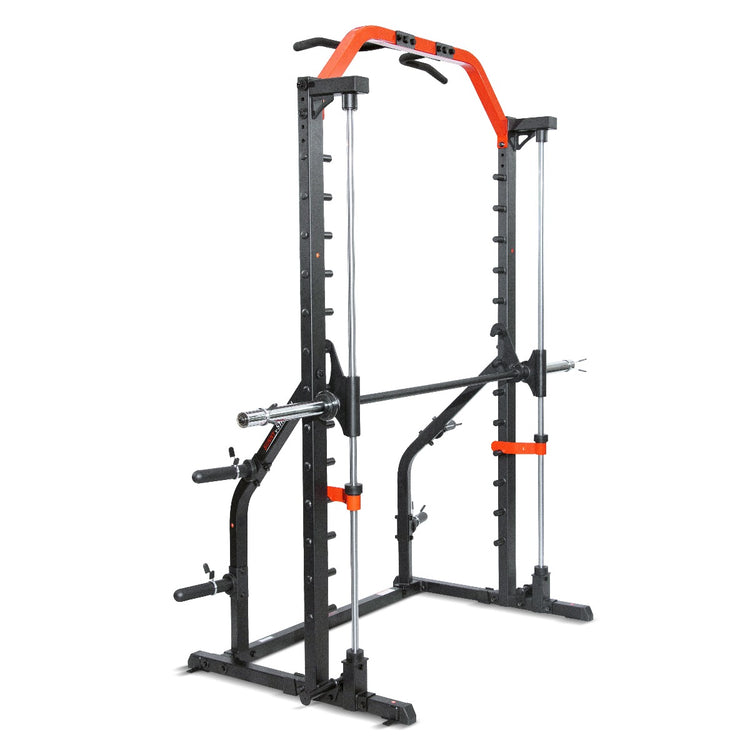
Credit: sunnyhealthfitness.com
Squat Rack Setup
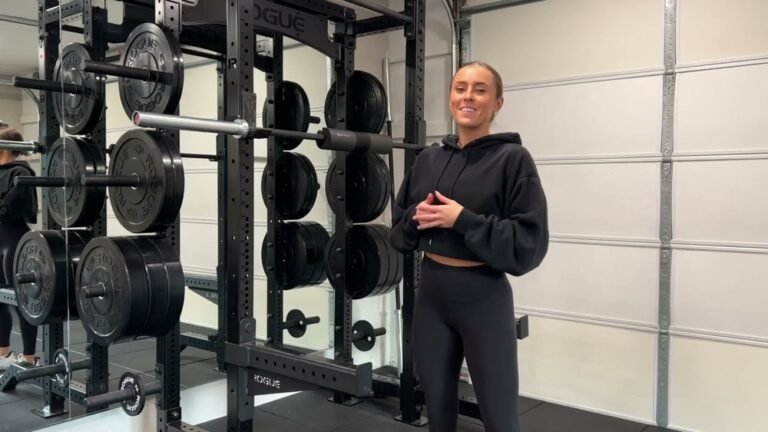
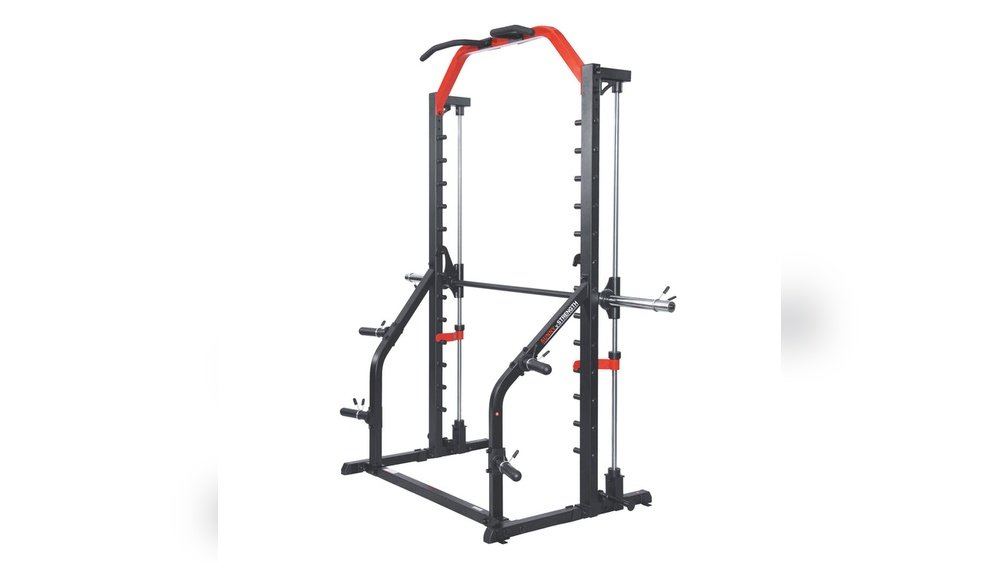
Setting up your squat rack correctly is essential for a safe and effective workout. Proper setup helps you maintain good form and avoid injuries. It also makes your training session smoother and more focused.
Follow these steps to prepare your squat rack before you start lifting. Each step ensures your equipment fits your body and workout style.
Adjusting J-hooks
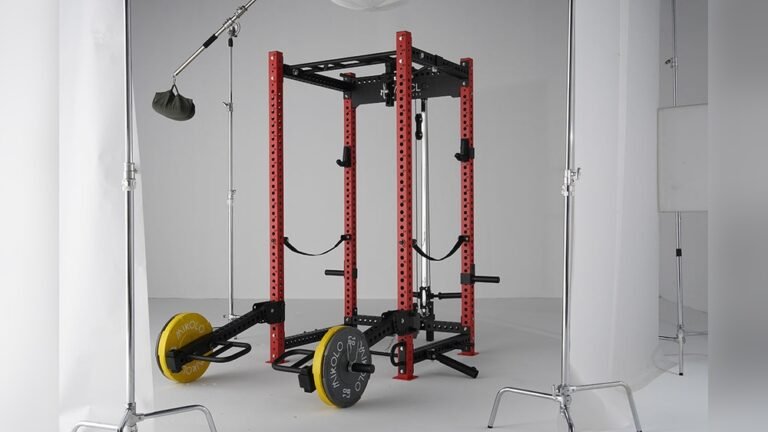
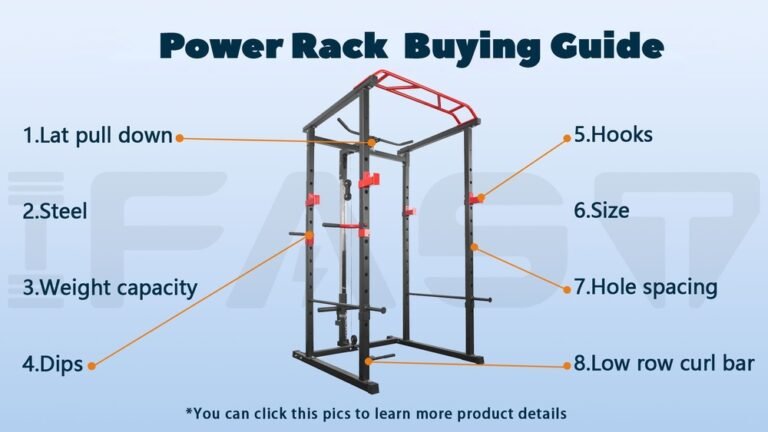
Set the J-hooks just below shoulder height. This position lets you easily step under the bar. Make sure they are level on both sides. Check that the hooks hold the barbell securely. Adjusting the hooks properly saves time and prevents accidents.
Setting Safety Bars
Place the safety bars slightly below your lowest squat depth. These bars catch the barbell if you fail a lift. Set them too high or too low, and they won’t protect you well. Proper safety bar placement gives you confidence to push harder.
Loading The Barbell
Load the barbell evenly on both sides. Use collars to secure the weight plates. Uneven loading can cause imbalance and injury. Start with lighter weights to warm up. Gradually add weight as you feel comfortable.
Clearing Workout Space
Clear the area around your squat rack. Remove any obstacles or equipment nearby. A clean space lets you move freely and safely. Keep water and towels within reach but away from your lifting area. A tidy workout space helps you focus better.

Credit: selectfitness.com
Proper Squat Technique
Proper squat technique is key for safe and effective workouts using a squat rack. It helps build strength and prevents injuries. Follow these steps carefully to perform squats correctly and get the best results.
Positioning Under The Bar
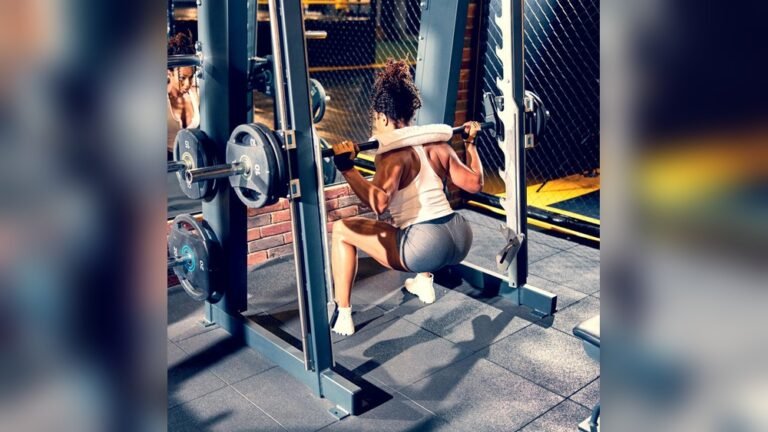
Stand with your feet shoulder-width apart. Step under the bar so it rests across your upper back, not your neck. Keep your chest up and your core tight. Look straight ahead to maintain balance.
Grip And Stance
Hold the bar with your hands just wider than shoulder-width. Grip firmly but do not squeeze too hard. Your feet should point slightly outward. This stance helps you squat deeper and stay stable.
Executing The Squat
Begin by bending your hips and knees at the same time. Push your hips back like sitting on a chair. Keep your knees in line with your toes. Lower yourself until your thighs are parallel to the floor or deeper if comfortable.
Rising And Re-racking
Push through your heels to stand up. Keep your chest lifted and back straight. Once standing, take a small step forward to return the bar onto the rack. Ensure the bar is secure before releasing your grip.
Safety Measures
Safety is the top priority when using a squat rack. Proper precautions reduce injury risks and improve workout confidence. Follow safety steps every time to protect yourself and others.
Using Safety Bars Effectively
Set safety bars just below your lowest squat depth. They catch the bar if you lose control. Adjust bars before each session for your height. Never skip using safety bars, especially with heavy weights. They create a safety net for failed reps.
Spotting Tips
Have a spotter when lifting heavy or trying new weights. A spotter watches your form and helps if you struggle. Communicate clearly with your spotter before starting. Keep your spotter alert and ready to assist. Spotting reduces the chance of accidents and boosts your confidence.
Warm-up Importance
Warm up muscles before squatting to prevent injuries. Start with light exercises or bodyweight squats. Warm-ups increase blood flow and improve flexibility. Spend at least 5–10 minutes warming up before heavy lifting. A good warm-up prepares your body for the workout ahead.
Common Mistakes To Avoid
Using a squat rack improves strength and fitness. Avoiding common mistakes helps keep workouts safe and effective. Many beginners make errors that cause injury or limit progress. Focus on correct form, proper settings, and safety measures. These factors make a big difference in your training.
Poor Form Issues
Bad form leads to injuries and less muscle gain. Keep your chest up and back straight during squats. Avoid letting your knees cave inward or move too far forward. Squat to about parallel, where thighs are level with the floor. Use controlled movements and do not bounce at the bottom. Stop if you feel pain or discomfort.
Incorrect Rack Settings
Wrong rack height makes lifting harder and unsafe. Set the J-hooks just below your shoulder height. This lets you step under the bar easily. Adjust safety bars to just below your lowest squat depth. This catches the bar if you fail a rep. Check these settings before each workout to avoid accidents.
Neglecting Safety Bars
Skipping safety bars risks serious injury during squats. Always use safety bars to protect yourself. Set them low enough to catch the barbell if you drop it. Do not rely on spotters alone. Safety bars provide a physical backup that prevents accidents. Use them even if you lift light weights.
Advanced Squat Rack Tips
Advanced squat rack tips help you improve strength and form. Use these tips to get better results and avoid injuries. Focus on techniques that challenge your muscles safely. Small changes can lead to big progress in your workouts.
Progressive Overload Strategies
Increase the weight gradually each week. Add small plates to the barbell for steady gains. Track your progress to avoid lifting too much too soon. Increase reps or sets if adding weight is not possible. Push your muscles slightly beyond their comfort zone each time.
Variation Exercises
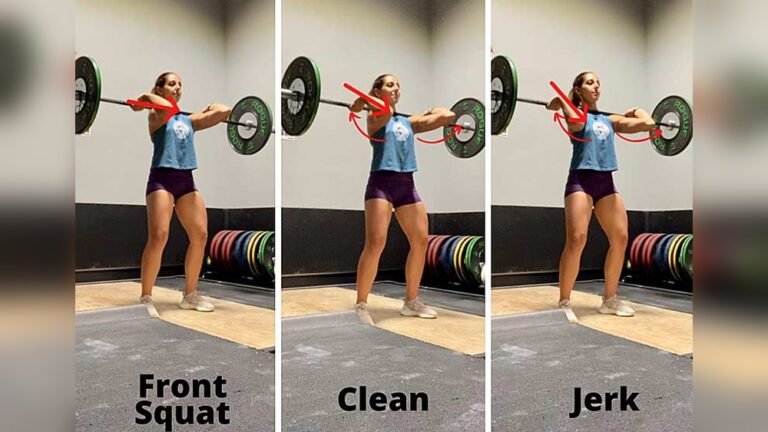
Try different squat styles to target muscles from new angles. Front squats shift focus to your quads and core. Box squats improve your squat depth and control. Pause squats build strength and stability in the lower body. Use these variations to avoid workout plateaus and stay motivated.
Breathing Techniques
Inhale deeply before you lower into the squat. Hold your breath briefly to create core pressure. Exhale slowly as you push back up to standing. Controlled breathing helps maintain balance and power. It also reduces the risk of dizziness and fatigue.
Maintenance And Care
Proper maintenance and care keep your squat rack safe and durable. Regular attention helps prevent damage and extends its life. Clean and inspect the rack often. Store it correctly to avoid rust and wear. These simple steps protect your investment and improve workout safety.
Cleaning The Rack
Wipe down your squat rack after each use. Use a soft cloth with mild soap and water. Avoid harsh chemicals that can damage the finish. Clean sweat and dust to prevent corrosion. Dry the rack thoroughly to stop moisture buildup.
Inspecting For Wear
Check bolts and screws for tightness regularly. Look for cracks or bends in the metal parts. Inspect safety pins and J-hooks for damage. Replace any worn or broken parts immediately. This reduces injury risk and keeps the rack stable.
Proper Storage
Store your squat rack in a dry, cool place. Avoid damp areas that cause rust. Keep the rack away from direct sunlight to protect paint. Cover the rack if possible to block dust. Proper storage helps keep the rack clean and functional for years.

Credit: www.youtube.com
Frequently Asked Questions
How Do You Use A Squat Rack?
Set J-hooks just below shoulder height. Position under the bar with hands wider than shoulders. Unrack and step back. Squat with chest up, knees out, thighs parallel. Drive up through heels. Walk forward and re-rack the bar safely. Adjust safety bars below squat depth for protection.
How Much Should A 170 Lb Man Squat?
A 170 lb man should squat about 1 to 1. 5 times his body weight for strength. Beginners start with the bar or light weights. Proper form and gradual progression prevent injuries and improve results.
Is A 300lb Squat Impressive?
A 300lb squat is impressive for many beginners and intermediate lifters. It shows solid strength but varies by age, weight, and training experience.
Is 10 Squats Equal To A 30 Minute Walk?
No, 10 squats do not equal a 30-minute walk. Walking burns more calories and improves cardiovascular health. Squats build strength but for fewer calories.
Conclusion
Using a squat rack safely helps improve your workout results. Adjust the J-hooks and safety bars before lifting. Keep your chest up and knees out during squats. Always control the movement and avoid rushing each rep. Practice regularly to build strength and confidence.
Staying consistent leads to better form and fewer injuries. Remember, safety and proper setup matter most. Enjoy your training and progress steadily with the squat rack.