If you’re serious about lifting heavier and protecting your wrists, wrist wraps can become your best workout ally. But how do you use them correctly to get the most out of your training?
Whether you’re pushing through tough bench presses or pulling heavy deadlifts, knowing how to wear and apply wrist wraps can make a big difference in your performance and injury prevention. In this guide, you’ll discover simple, step-by-step instructions to wrap your wrists securely without cutting off circulation, tips on using them for different lifts, and common mistakes to avoid.
Keep reading to unlock the secret to stronger, safer lifts with wrist wraps that support your goals every step of the way.
Choosing The Right Wrist Wraps
Choosing the right wrist wraps makes a big difference in your workout. The right pair offers support, comfort, and durability. It helps protect your wrists during heavy lifts and prevents injuries. Understanding key features guides you to the best choice for your needs.
Material And Length Options
Wrist wraps come in cotton, elastic, or a blend. Cotton wraps offer breathability and comfort. Elastic wraps provide more stretch and flexibility. Length varies from 12 to 24 inches. Longer wraps offer more support and coverage. Shorter wraps are easier to adjust and lighter.
Wrap Thickness And Support Level
Thickness affects how much support the wrap gives. Thicker wraps offer strong wrist stability. They work well for heavy lifting. Thinner wraps provide moderate support and more flexibility. Choose thickness based on your workout type and wrist strength.
Velcro Quality And Durability
Velcro keeps the wrap secure during workouts. High-quality Velcro lasts longer and holds tight. Poor Velcro may lose grip and loosen quickly. Check for strong stitching around the Velcro area. Durable Velcro ensures your wraps stay in place throughout your session.

Credit: www.youtube.com
Putting On Wrist Wraps
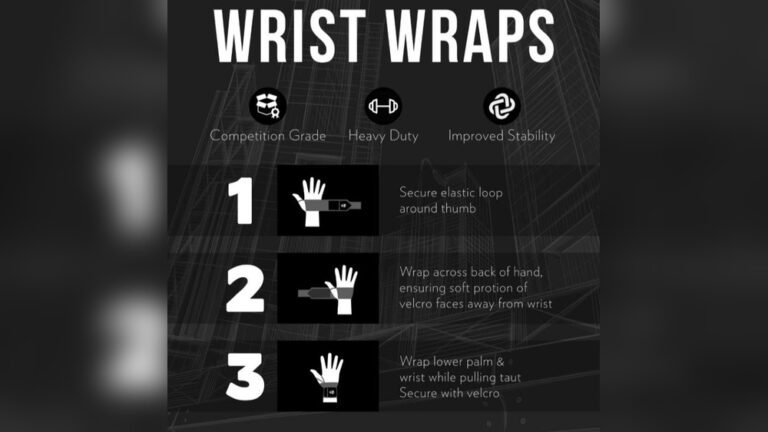
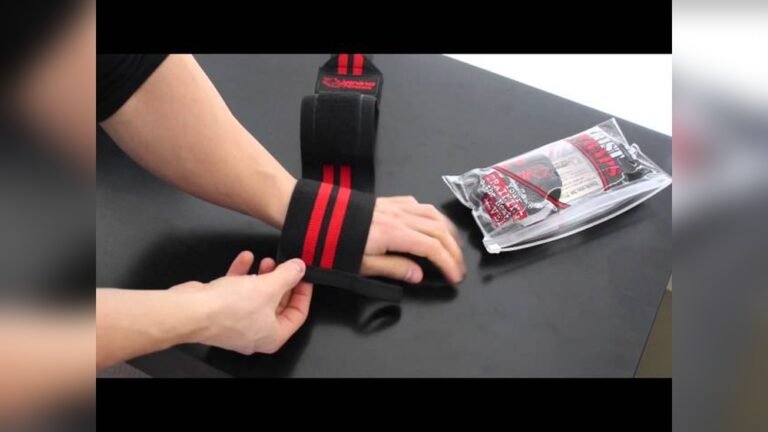
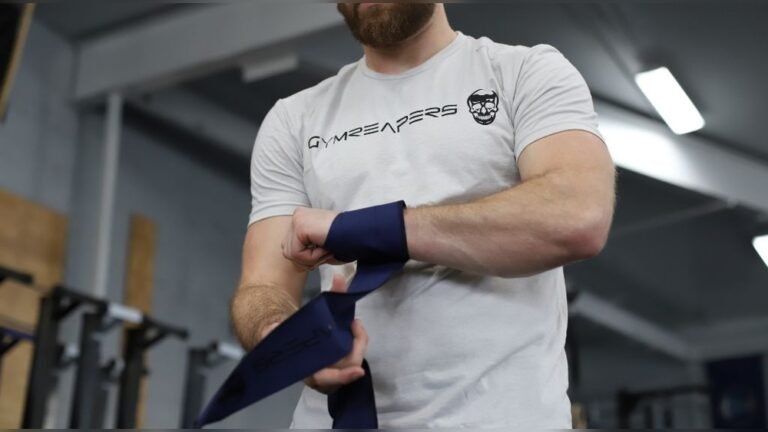
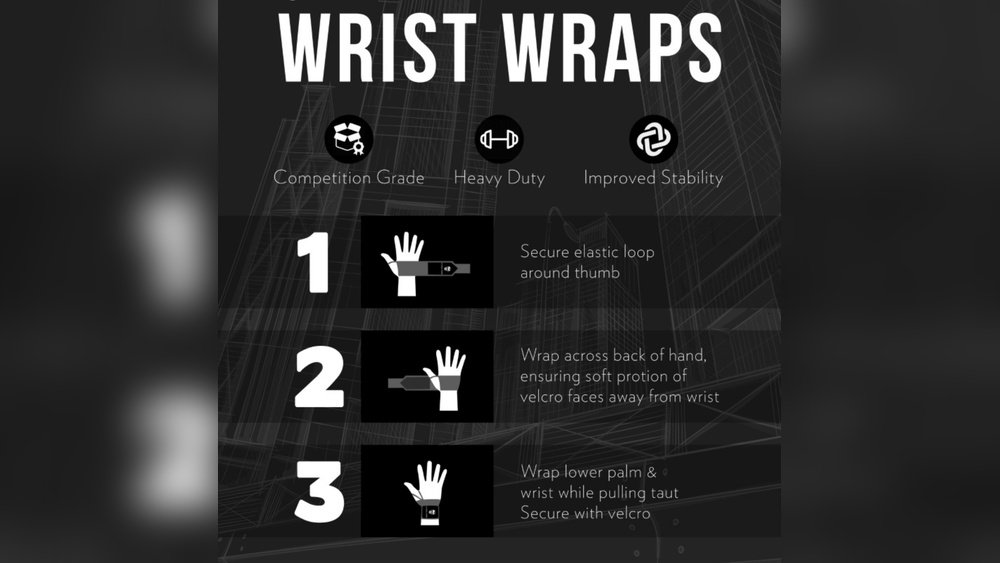
Putting on wrist wraps correctly improves wrist support and lifts safely. Follow these steps to get a secure fit. Proper wrapping helps avoid injury and boosts performance. Each step matters for comfort and stability.
Start With The Thumb Loop
Place the thumb loop over your thumb first. This keeps the wrap steady during application. The wrap should lie flat against your skin. Avoid twisting or folding the fabric. This ensures even pressure around your wrist.
Positioning On Wrist And Forearm
Slide the wrap so it covers half your wrist and forearm. The base of the wrap rests near your palm. This placement supports the wrist joint fully. Adjust to cover key areas without blocking movement. The wrap should feel snug but not tight.
Wrapping Techniques For Stability
Pull the wrap tightly across the back of your hand. Wrap it diagonally around your wrist for firm support. Continue circling the wrist until the wrap is secure. Avoid wrapping too loosely or too tight. Proper tension stabilizes the joint without cutting circulation.
Securing The Velcro Properly
Fasten the Velcro strap firmly at the end. Press down to ensure it sticks well. The wrap should stay in place during lifts. Check there is no numbness or tingling. Adjust the tightness if needed for comfort and safety.
Using Wrist Wraps For Pushing Lifts
Wrist wraps are essential tools for pushing lifts in weight training. They offer extra support to your wrists, which endure high pressure during exercises like bench press and dips. Using wrist wraps helps maintain wrist alignment and reduces the risk of injury. This guide explains how wrist wraps benefit pushing lifts and how to adjust them for comfort.
Benefits For Bench Press And Dips
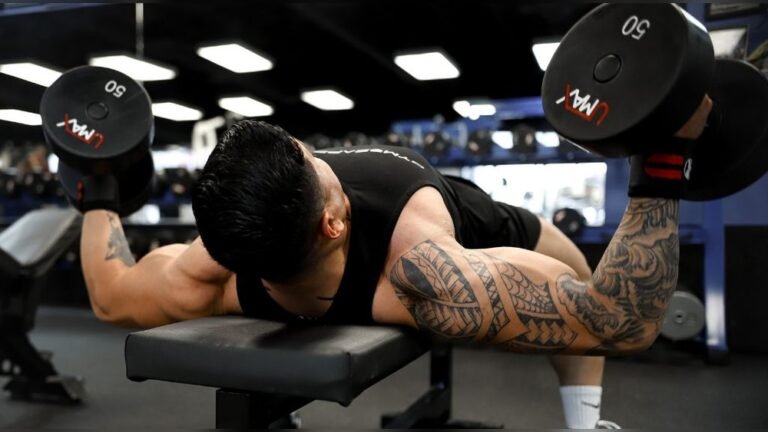
Wrist wraps provide stability during bench press and dips. They keep your wrists from bending too much under heavy weights. This support allows you to push harder and lift safely. Wrapping your wrists reduces strain on the joints and muscles. It also improves your overall lifting form and control.
Preventing Wrist Hyperextension
Wrist hyperextension happens when the wrist bends backward too far. Wrist wraps limit this movement by holding the wrist in a safe position. This prevention is crucial for heavy pushing lifts that put stress on your joints. By avoiding hyperextension, you reduce pain and long-term wrist damage. The wraps act like a brace, keeping your wrist stable.
Adjusting Wrap Tension For Comfort
Proper wrap tension is key to comfort and support. Wraps should be tight enough to hold the wrist steady but not so tight that they cut off circulation. A good wrap feels firm but allows normal hand movement. You may need to try different tensions before finding the best fit. Always check for numbness or tingling and loosen the wrap if needed.
Using Wrist Wraps For Pulling Lifts
Wrist wraps are a helpful tool for pulling lifts like deadlifts and rows. They support your wrists and reduce grip fatigue. Using wrist wraps correctly can improve your lifting performance. They help keep your grip strong so your muscles can work better.
Reducing Grip Fatigue In Deadlifts
Grip fatigue often limits pulling lifts. Wrist wraps help by supporting the wrist joint. This support reduces the strain on your hands and forearms. With less grip fatigue, you can lift heavier weights or perform more reps. Wrist wraps take some pressure off your grip, letting your back and legs do more work.
Wrapping Around The Bar Correctly
Wrap wrist wraps around the bar to improve grip security. Start by placing the thumb loop on your wrist. Wrap the strap tightly around your wrist and the bar. Make sure the wrap goes in the direction that pulls the bar toward you. This method helps the wrap hold the bar firmly. Avoid wrapping too loose or too tight to keep comfort and support.
Incorporating Lifting Straps Technique
Combine wrist wraps with lifting straps for extra grip help. First, loop the strap around your wrist. Next, place the loose end of the strap between your palm and the bar. Then, wrap the strap around the bar, usually moving toward your thumbs. Tighten the strap by pulling the bar toward you. This technique locks your grip, reducing the effort your hands need to hold the bar.
Common Mistakes To Avoid
Using wrist wraps incorrectly reduces their benefits and may cause discomfort or injury. Avoid these common mistakes to get the best support and safety from your wrist wraps.
Wrapping Too Loose Or Too Tight
Wrapping wrist wraps too loose offers little support and can lead to wrist strain. Too tight wrapping restricts blood flow and causes numbness or pain. Aim for snugness that stabilizes your wrist without discomfort. Check for tingling or color changes in your hand as you wrap.
Ignoring Circulation Checks
Failing to check blood flow after wrapping risks serious problems. Always test finger color and movement after securing the wraps. If fingers feel cold, numb, or turn blue, loosen the wrap immediately. Good circulation ensures safe and effective wrist support during workouts.
Using Wraps For Inappropriate Exercises
Wrist wraps work best for heavy pushing or pulling lifts like bench press or deadlifts. Avoid wearing wraps during exercises requiring wrist mobility or light loads. Using wraps for unsuitable moves can limit performance and increase injury risk. Match the wrap use to the exercise demands.
Maintaining Wrist Wraps
Maintaining wrist wraps helps keep them effective and long-lasting. Clean wraps stay fresh and prevent odors. Proper storage stops damage and keeps their shape. Knowing when to replace wrist wraps ensures safety during workouts. Follow these simple steps to care for your wrist wraps.
Cleaning And Care Tips
Hand wash wrist wraps using mild soap and cold water. Avoid harsh detergents that weaken fabric fibers. Rinse thoroughly to remove all soap residue. Air dry wraps flat, away from direct sunlight. Do not use a dryer or iron as heat damages material. Clean wraps regularly to prevent bacteria buildup and bad smells.
Storage Best Practices
Store wrist wraps in a cool, dry place. Keep them rolled or folded neatly to avoid creases. Avoid storing wraps in damp or humid environments. Use a breathable bag or container to prevent moisture. Do not leave wraps in gym bags for long periods. Proper storage helps maintain elasticity and support.
When To Replace Your Wraps
Replace wrist wraps if they lose elasticity or stretch out. Check for frayed edges, tears, or damaged Velcro. Worn wraps provide less support and may cause injury. Replace wraps after heavy use or several months of regular workouts. Fresh wraps ensure maximum wrist stability and safety.
Boosting Performance With Wrist Wraps
Wrist wraps play a key role in boosting workout performance. They provide extra support and stability to your wrists during heavy lifts. This helps you lift more weight safely and with better control. Using wrist wraps correctly can improve your lifting form and reduce the chance of injury.
Improving Lift Stability
Wrist wraps stabilize your wrist joint during lifts. They limit excessive bending or twisting. This keeps the wrist in a strong, neutral position. Stability helps you maintain better control of the bar or weights. It reduces unwanted wrist movement that can cause pain or injury.
With more stability, you can push or pull heavier loads. Wrist wraps act like a brace, supporting your wrist muscles and tendons. This support reduces strain and improves your lifting efficiency.
Enhancing Confidence And Focus
Feeling secure in your wrist position builds confidence. Wrist wraps give a sense of support and safety. This mental boost allows you to focus fully on your technique. You can concentrate on the target muscles without worrying about wrist pain.
Confidence reduces hesitation and distractions during lifts. It encourages you to push your limits. Wrist wraps provide peace of mind, letting you perform at your best.
Combining Wraps With Other Gear
Wrist wraps work well with other gym equipment. Pair them with lifting belts for core and wrist support. Use them alongside knee sleeves or elbow wraps for full joint protection. Combining gear helps protect multiple joints during heavy lifts.
Ensure your wraps do not overlap or restrict blood flow when used with other gear. Proper combination enhances overall stability and safety. This setup supports better performance across complex lifting movements.

Credit: thegravgear.com

Credit: katamu.co
Frequently Asked Questions
Do I Need 120 Or 180 Hand Wraps?
Choose 120-inch wraps for standard wrist support and quick wraps. Opt for 180-inch wraps for extra padding or larger hands.
How Long Should I Keep A Wrist Wrap On?
Keep wrist wraps on only during your workout sets for support. Remove them between sets to restore circulation and comfort. Avoid wearing wraps for extended periods to prevent restricted blood flow or discomfort. Use wraps specifically for heavy lifting or when wrist stability is needed.
What Workouts Should I Use Wrist Wraps For?
Use wrist wraps for heavy pushing lifts like bench press and overhead press to stabilize wrists. Also use them for pulling lifts such as deadlifts and rows to reduce grip fatigue. Wrap snugly without cutting circulation for maximum support and safety during these exercises.
Should I Get 12 Or 18 Wrist Wraps?
Choose 12-inch wraps for general wrist support and flexibility. Opt for 18-inch wraps for heavier lifts requiring extra stability. Select based on your lifting style and comfort.
Conclusion
Wrist wraps help protect and support your wrists during heavy lifts. Use them correctly to avoid injury and improve performance. Wraps should feel snug but never cut off circulation or cause discomfort. Practice wrapping them properly before lifting to build confidence.
Remember, they assist your wrists but do not replace good form and technique. Keep these tips in mind for safer, more effective workouts. Wrist wraps can be a helpful tool when used with care and attention.