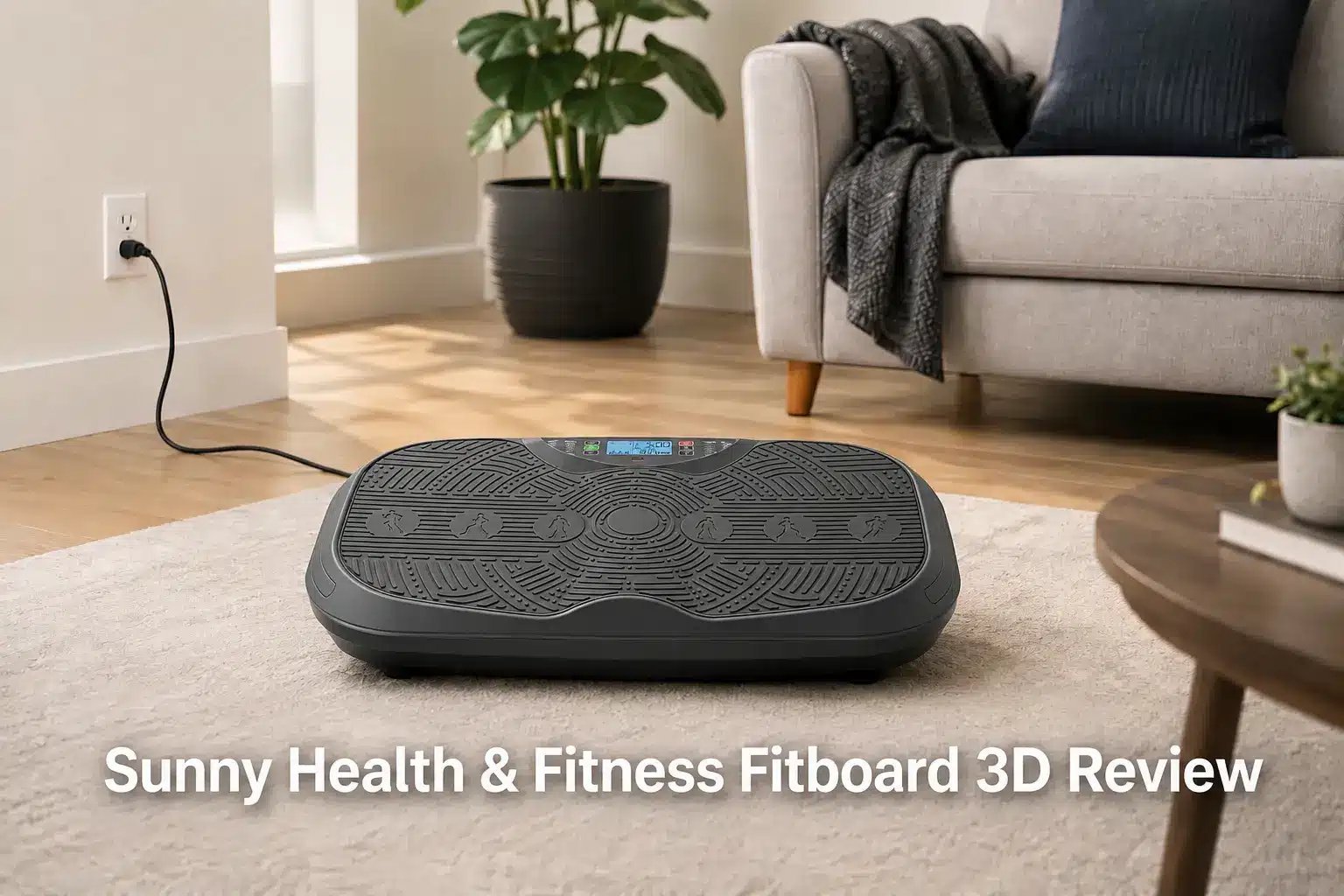
For most home users, the Sunny Health & Fitness vibration plate is a solid budget pick: it’s sturdy, easy to store, and gives you 3 clear ways to move. It won’t replace a gym, and it won’t melt fat on its own.
Your weight, your goals, and which model you buy change that answer. Here’s what actually decides it.
Who should read this review
Three kinds of people search for a Sunny Health & Fitness vibration plate review. The first is a total beginner who wants light movement at home.
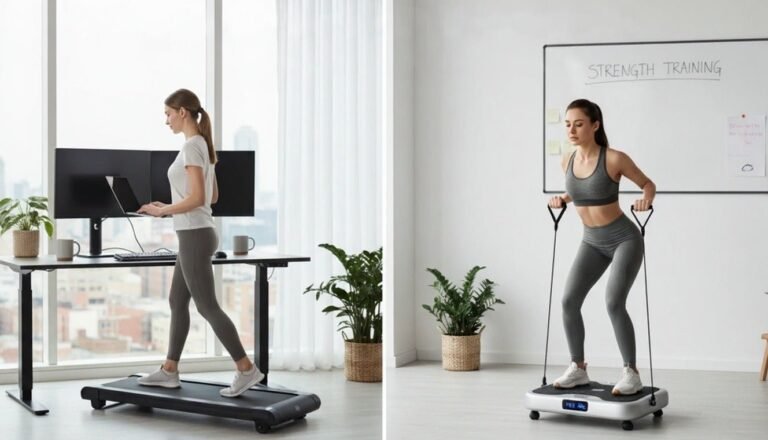
The second is someone recovering from a long desk-job slump. They want something easy to step on for 10 minutes a day. They need honest talk about wobble, noise, and floor space.
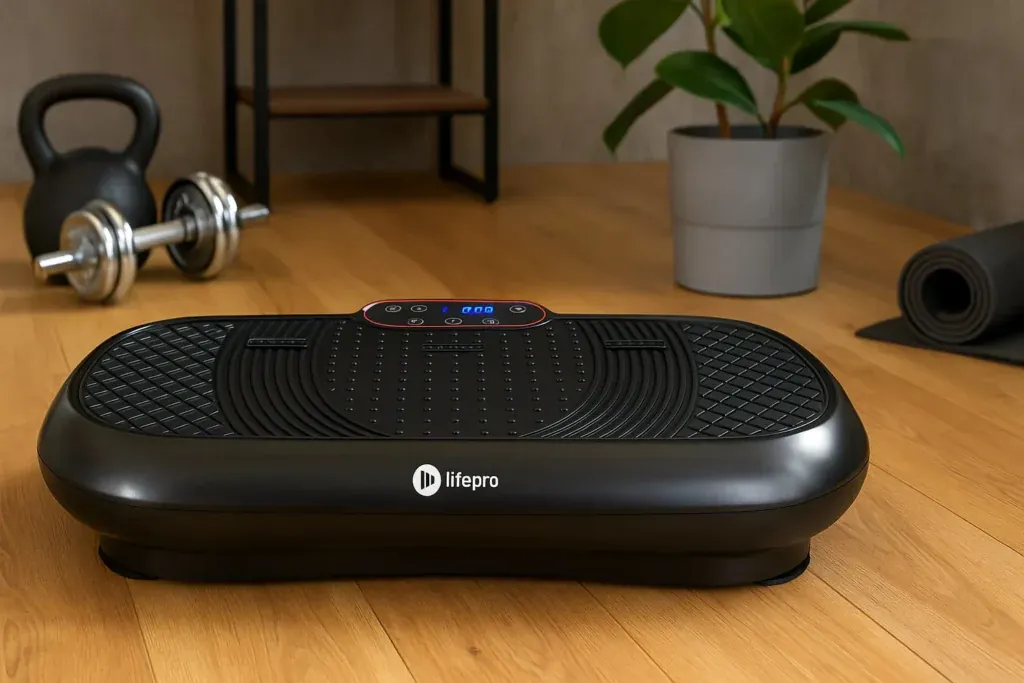
The third is a shopper comparing Sunny against bigger brands like LifePro or Power Plate. They already know the specs. They need to know where Sunny cuts corners.
This page serves the first two readers best. If you’re chasing serious strength or rehab work, a physiotherapist or a proper gym plan is the better route.
What actually decides your result
Your body weight matters most. Most Sunny models list a user weight limit of around 265 lb (120 kg), but this varies by model — check the sticker on the deck or the spec sheet before you buy. Heavier users should look at steel-frame models, not plastic ones.
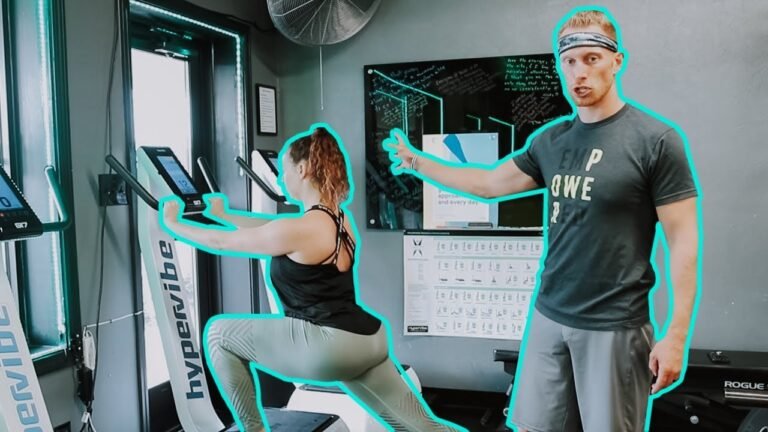
How you stand on it decides what you get out of it. Standing still with soft knees gives one feeling. Adding a squat, lunge, or hold shifts the work to different muscles. Ten minutes still isn’t the same as ten minutes moving.
Speed setting is the third lever. Low speeds (1–10) suit balance work and warm-ups. Higher speeds (20+) shake harder and are harder to control. Start low and move up when steady.
Time per session is the fourth. Short daily sessions beat one long weekly one.
The mistake people make most: they crank the speed to max on day one, feel sore, and quit. Build up slowly.
How to use it step by step
- Clear your space. You need about 2 ft × 3 ft (60 cm × 90 cm) of flat floor, plus room to step on and off safely. Check the floor is level — a wobbling plate is a hazard.
- Place it on a mat. A yoga mat under the plate cuts noise and stops it sliding. Confirm the plate doesn’t rock when you press one corner.
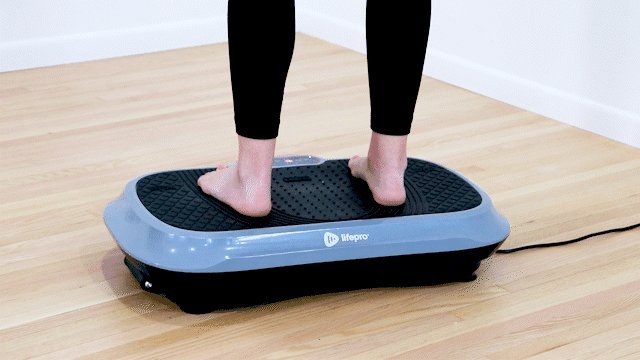
- Step on with both feet. Stand centered, feet shoulder-width apart, knees soft — never locked. You should feel stable before you touch any button.
- Start at speed 1. Press start and let it run for 30 seconds. You should feel a gentle buzz, not a jolt.
- Hold for 1–2 minutes. Keep your hands free or lightly on a wall. If you need to grip something hard, the speed is too high.
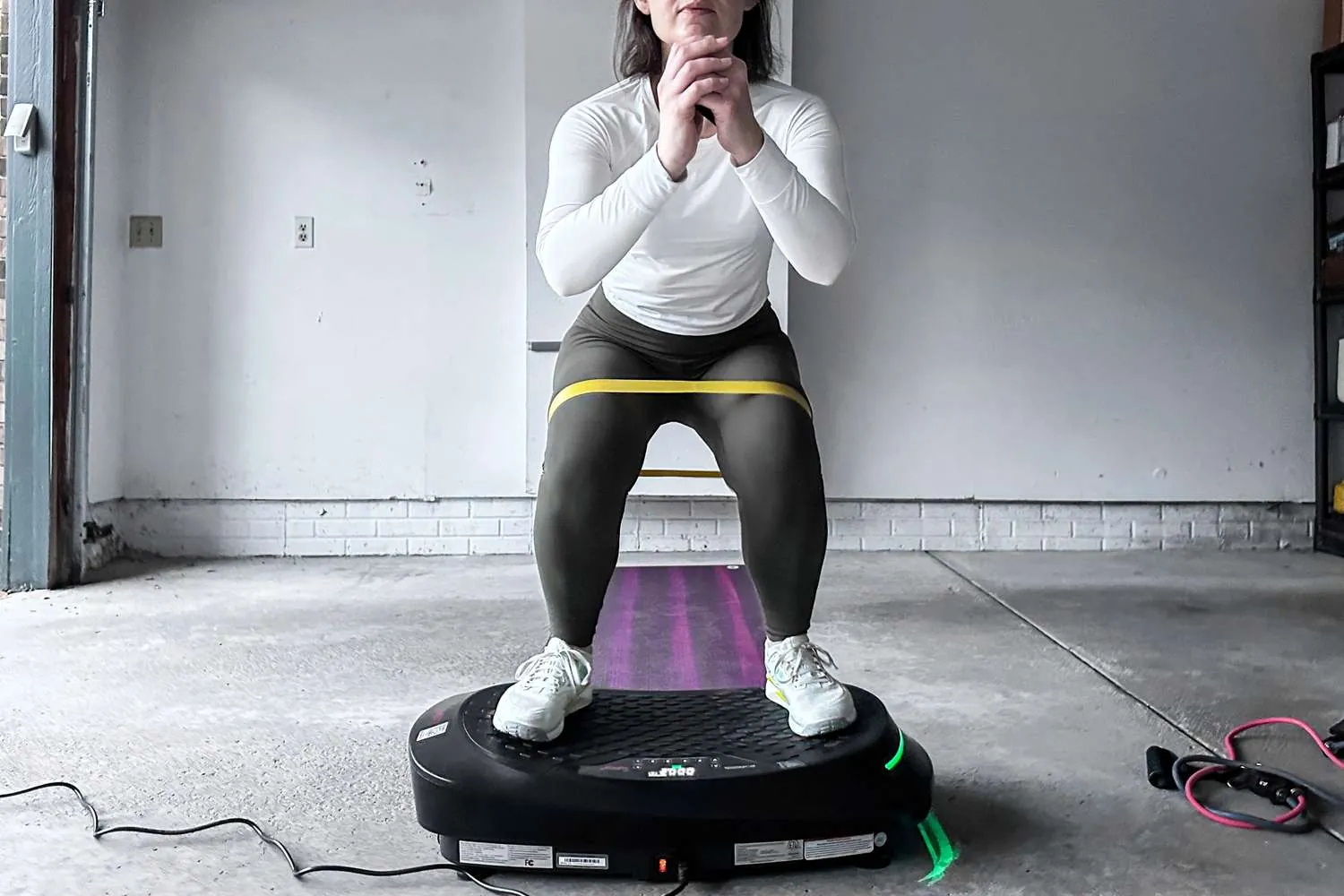
- Add one movement. Do 10 slow squats or hold a lunge for 20 seconds per side. You should feel your legs working, not just vibrating.
- Build to 10 minutes. Add 1–2 minutes per session, 3–5 days a week. Stop if you feel dizzy or numb.
- Step off slowly. Let the plate stop fully before you move. Rushing off is how people trip.
- Wipe it down. A damp cloth after each use keeps the deck clean and grippy.
The judgement call that separates a good session from a wasted one: are you moving, or just standing? A plate alone won’t do the work. Your muscles have to.
One limit: if you’re pregnant, have a pacemaker, a recent fracture, a blood clot, or a joint replacement, don’t use a vibration plate without clearing it with your doctor first. Whole-body vibration is a real physical load, and some conditions make it unsafe.
Which model fits your situation
Sunny sells a few vibration plate styles, and the right one depends on how you’ll use it. Here’s the short version.
| Your situation | What to do | What it takes | What to watch for |
|---|---|---|---|
| Total beginner, small space | Pick a compact flat model | Low cost, easy storage | Lower weight limit |
| Want handles for balance | Choose a model with arms | More floor space | Arms limit movement range |
| Heavier user (over 200 lb) | Choose a steel-frame model | Higher cost | Check the weight limit |
| Want speed + preset programs | Mid-range model with display | Slightly more cost | More buttons to learn |
| Sharing with a partner | Adjustable speed model | Same as above | Reset speed each time |
| Rehab or injury history | Ask your doctor first | A medical opinion | Don’t self-prescribe |
What experienced users do differently
They warm up before stepping on
Cold muscles on a vibrating deck feel worse than warm ones. Two minutes of walking or light stretching first makes the session smoother. Beginners often skip this and wonder why their calves ache.
They watch the clock, not the screen
A 10-minute session done properly beats 30 minutes of distracted standing. Experienced users set a timer, do one clear movement, and stop. They also leave the plate alone when they’re tired — balance drops when you’re fatigued, and that’s when people fall.
What goes wrong and how to fix it
Most problems with a vibration plate come down to setup, speed, or expectations. Match what you notice to the fix below.
| What you notice | What it usually means | What to do first | How to stop it happening again |
|---|---|---|---|
| Plate slides on floor | Smooth or slippery surface | Move to a mat or rug | Check floor is level first |
| Loud rattling noise | Loose part or hard floor | Tighten bolts, add a mat | Recheck after each move |
| Numb or tingling feet | Speed too high, too long | Stop, rest, lower speed | Keep sessions short at first |
| Dizzy after stepping off | Too much vibration too fast | Sit down, sip water | Build up 1–2 minutes at a time |
| No results after weeks | Standing still, no movement | Add squats or lunges | Track sessions in a note |
| Sore knees next day | Locked knees or high speed | Lower speed, soften knees | Never lock your joints |
The rules and safety limits
The U.S. Consumer Product Safety Commission tracks home fitness equipment injuries, and vibration plates fall under general exercise equipment guidance. There’s no single US rule that says “vibration plates are safe for X minutes” — that figure doesn’t exist. What does exist: the manufacturer’s own manual, which lists the weight limit, the recommended session length, and the warnings. Read it.
What it costs you
The money is the smallest part. Sunny plates sit at the budget end of the market — check the current price on Sunny’s official site or a major retailer, because it moves with sales. Expect a low-to-mid three-figure range in US dollars, and confirm today’s number yourself.
The real costs are time and consistency. Ten minutes a day, 3–5 days a week, is the honest commitment. Miss that and the plate becomes a clothes rack.
Floor space is the third cost. You need a permanent spot or a place to store it. If you can’t give it either, don’t buy it.
Keeping it working
Wipe the deck after each session and check the bolts every month — vibration loosens screws over time. Store it flat, not on its side, and keep it out of damp rooms.
The sign it needs attention: a new rattle, a wobble, or a speed that feels different from last week. Tighten what’s loose and test it before your next session. If a motor or belt fails, don’t open the housing — contact Sunny support or a qualified technician instead.
When a vibration plate is the wrong choice
Skip it if you want real strength gains — a vibration plate builds balance and light endurance, not muscle. Use weights instead.
Skip it if you have an uncontrolled heart condition, are pregnant, or have a pacemaker, unless your doctor says otherwise. Use walking or swimming instead.
Skip it if you won’t commit 10 minutes a day. A cheap pair of shoes and a daily walk will do more.
Related guides
- Best Fitness Rack for Short People 2026: Top Picks for Home Gyms
- Benefits of Treadmill: Unlock Health and Fitness Advantages Today
Frequently asked questions
Can a vibration plate help you lose weight?
Only as part of a calorie deficit and regular activity. Vibration alone burns very few calories. Treat it as a light movement tool, not a weight-loss machine.
Why does my vibration plate make my feet numb?
Speed is too high or the session is too long. Drop to a lower setting and cut your time to 5 minutes. Numbness should fade within minutes of stopping.
How long should you use a vibration plate each day?
Start with 5 minutes, then build to 10–15 minutes, 3–5 days a week. Check your model’s manual, since the maker sets its own recommended limit.
Is it safe to use a vibration plate every day?
For most healthy adults, yes, at short sessions. If you have a heart condition, are pregnant, or have a pacemaker, ask your doctor first — daily use isn’t automatically safe for everyone.
What happens if you use a vibration plate too much?
You’ll feel dizzy, sore, or numb. Stop, rest, and lower both speed and time next session. Ongoing pain means see a doctor, not push through.
Does it matter which speed you use?
Yes. Low speeds suit balance and warm-ups; high speeds shake harder and are harder to control. Start low and only move up when you feel steady.
How much weight can a Sunny vibration plate hold?
Most models list around 265 lb (120 kg), but this changes by model. Check the sticker on the deck or the spec sheet on Sunny’s official page.
Is it safe if you’re pregnant?
No — not without your doctor’s approval. Whole-body vibration is a physical load, and pregnancy is a common reason to avoid it. Ask your doctor first.
What to do next
Pick your model, read its manual, and do one 5-minute session at speed 1 today. Expect a gentle buzz and steady balance, not soreness. If you feel dizzy, numb, or in pain, stop and speak to a doctor.

I am a certified fitness coach with over 10 years of experience helping people improve their strength, endurance, and overall health. Specializes in workout programming, weight training, fat loss, muscle building, home fitness, and evidence-based nutrition.My goal is to make fitness simple and practical through well-researched guides, honest product reviews, and actionable training advice.