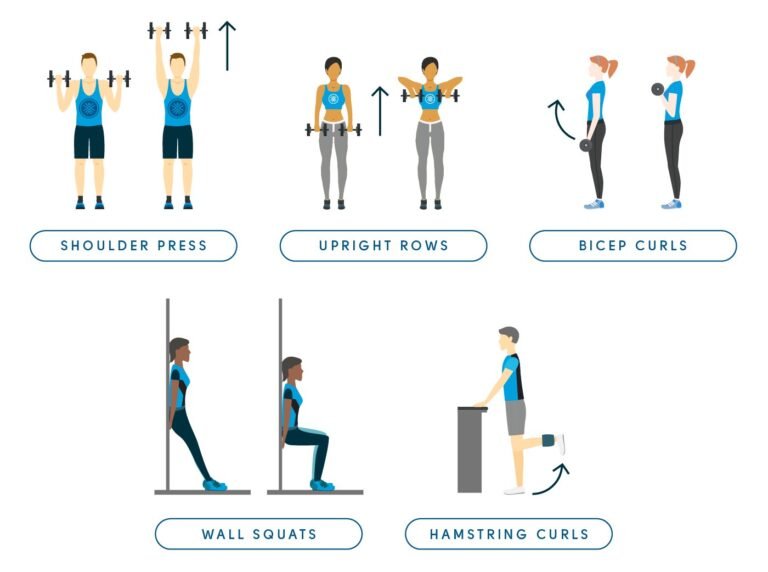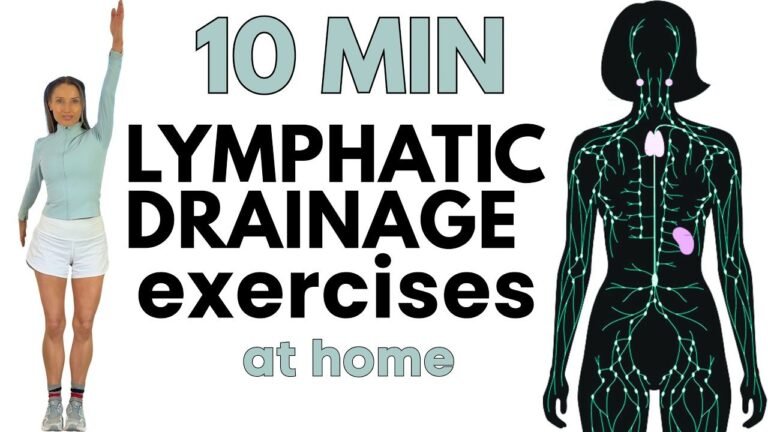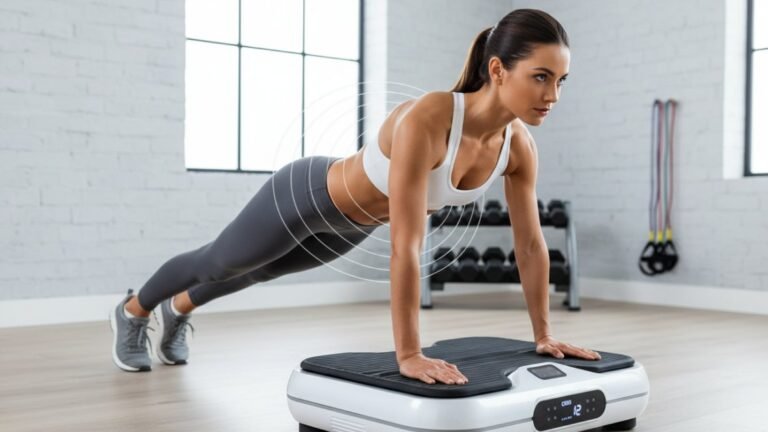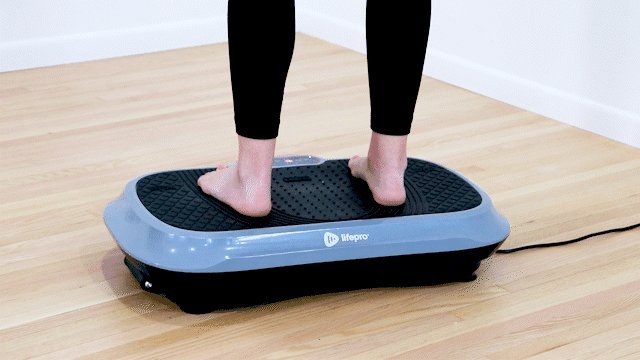
To drain lymph with a vibration plate, you stand on the plate for 10 to 15 minutes at a low setting — around 20 to 30 Hz — with your knees slightly soft. The vibration moves your muscles, and your lymph moves when your muscles move. This suits healthy adults who want gentle daily movement.
What you need before you start

- A vibration plate with adjustable frequency, so you can stay in the 20 to 30 Hz range instead of one fixed speed.
- A water bottle — plain water, 8 to 12 oz, to drink after the session.
- Flat shoes or bare feet. Thick socks and foam sneakers soak up the vibration and lower the effect.
- A stable chair or counter within arm’s reach, for balance if you wobble at first.
- Loose clothing that doesn’t press into your groin, armpits or waist.
- A timer or your phone, so you don’t guess the minutes.
- A doctor’s clearance if you’re pregnant, have a blood clot history, or wear a pacemaker.
A mini stepper plate works fine for the standing moves, but a full-size plate is better for the seated calf-pump step. If you have a heart condition, a clot history, or you’re pregnant, ask your doctor first — this isn’t a do-it-yourself call.
How to Use a Vibration Plate for Lymphatic Drainage
- Drink 8 oz of water about 10 minutes before you start. Staying hydrated supports normal lymph flow.
- Set the plate to its lowest frequency, usually 20 to 30 Hz on a dial or app. Skip the high-speed “fat burn” presets — they’re too much for a lymph session.
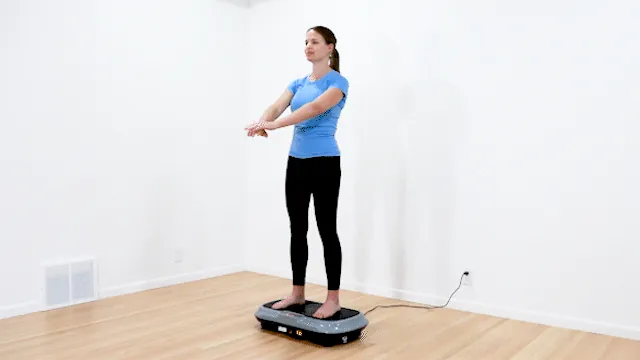
- Stand with feet shoulder-width apart and knees soft, not locked. Soft knees help you absorb the vibration and keep your balance.
-
Stay on for 3 minutes, then step off for 1 minute. Repeat this 3 to 4 times, for 12 to 15 minutes total. Tip: If you feel tingling or numbness in your feet, drop to 2-minute rounds.
-
Add the calf pump: rise onto your toes and lower slowly, 10 times, while the plate runs. Your calf muscles are the main pump for lymph in your legs.
- Bend and straighten your arms at your sides for 1 minute, to move lymph through your armpits.
- Finish with 5 slow, deep breaths, letting your belly rise. Deep breathing supports the pressure changes that help lymph return toward your chest.
- Drink another 8 oz of water within 30 minutes after. This is the step people skip, and it’s an easy one to keep. Careful: Stop right away if you feel dizzy, sick, or short of breath. Sit down and rest. If it doesn’t pass in a few minutes, call your doctor.
Anyone with a pacemaker, a recent blood clot, or an active infection shouldn’t use a vibration plate at all — that’s a conversation for your doctor, not a home experiment. For general physical activity guidance, the CDC physical activity basics page sets out what counts as safe movement for most adults.
How the session changes with your situation
Your starting point changes the time and the effort more than the plate itself does.
| Your situation | Time per session | What’s different | What to watch |
|---|---|---|---|
| New to vibration plates | 6-8 min | Start at 20 Hz, 2-min rounds | Dizziness in the first minute |
| Desk job, swollen ankles | 12-15 min | Add the calf pump, 15 reps | Swelling that doesn’t drop by morning |
| After light exercise | 10 min | Lower setting, 25 Hz | Muscle soreness the next day |
| Older adult, steady on feet | 8-10 min | Hold the counter, shorter rounds | Loss of balance |
| Pregnant (with doctor’s OK) | Ask your doctor | Most advise against it | Any cramping or pain |
Start small and add time later.
Checking your results
A good session leaves your legs feeling lighter and your ankles less puffy within an hour.
Three things prevent that: keep the frequency low, keep the rounds short, and always drink water before and after. If your swelling is one-sided, painful, or warm to touch, stop and see a doctor — that pattern isn’t something a vibration plate fixes.
The rules and what comes after
Check your model’s manual for the frequency settings and safety warnings it allows. Vibration plates aren’t a medical device for lymphedema — if you have that diagnosis, you need a certified lymphedema therapist, not a home plate.
Other routes to the same result

Manual lymphatic drainage massage
A trained therapist uses light, rhythmic strokes to move fluid by hand. It’s slower and costs money per session, but it reaches areas a plate can’t, like the neck and chest.
Rebounding on a mini trampoline
Gentle bouncing uses the same muscle-pump idea. It’s cheaper than a plate and easier on the joints, but it takes more balance and floor space.
Walking and calf raises
A 20-minute walk plus 20 slow calf raises does much of the same work, with no equipment.
Related guides
- Weight Plates Kg Vs Lbs Conversion
- Weight Plates Workout Routines for Beginners at Home
- Best Bumper Plates for Home Gym Reddit Picks 2026: Top Buys
Frequently asked questions
How long should I use a vibration plate to drain lymph?
10 to 15 minutes per session, split into 3- to 4-minute rounds with 1-minute breaks. On a higher setting, cut the rounds to 2 minutes.
Can a vibration plate really drain lymph?
It can help move fluid by working your muscles, which is what pushes lymph along. Think of it as one gentle tool, not a cure.
Is it safe to use every day?
For most healthy adults, yes — once a day, 5 to 6 days a week. Skip it if you’re pregnant, have a pacemaker, or have had a blood clot, unless your doctor says otherwise.
Why do I feel dizzy on a vibration plate?
The shaking affects your balance system, and that can make you lightheaded. Lower the frequency, shorten the round, and hold onto a counter.
What happens if I skip drinking water?
Staying hydrated supports normal lymph flow. Drink 8 oz before and 8 oz after each session.
How often should I do this to see a change?
Daily use for 2 to 3 weeks is when most people notice lighter legs.
Conclusion
Keep it low, keep it short, and drink your water. That’s the whole method — and it works best as a small daily habit, not a long weekend session.

I am a certified fitness coach with over 10 years of experience helping people improve their strength, endurance, and overall health. Specializes in workout programming, weight training, fat loss, muscle building, home fitness, and evidence-based nutrition.My goal is to make fitness simple and practical through well-researched guides, honest product reviews, and actionable training advice.