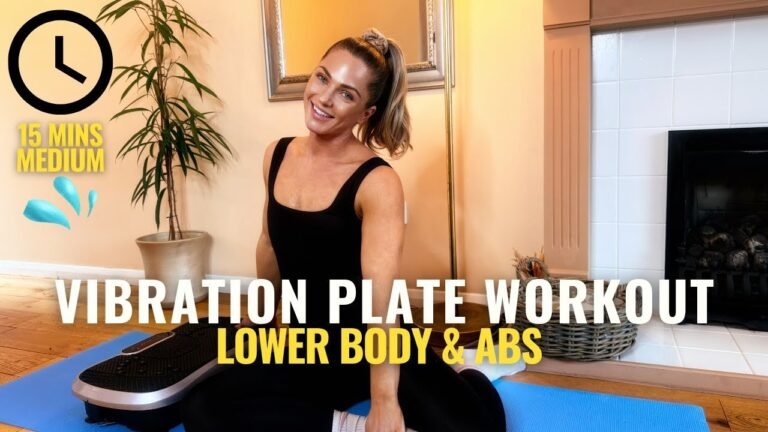
A FITVIBE vibration plate triggers reflexive muscle activity while you stand on it, and that’s it. It won’t burn fat for you. It won’t replace a walk. It’s a tool for adding muscle activity to a short session.
Who should read this

Three kinds of people search for this. The first already owns a plate and wants to know if they’re using it right. The third is shopping and wants to know if the brand is worth the money.
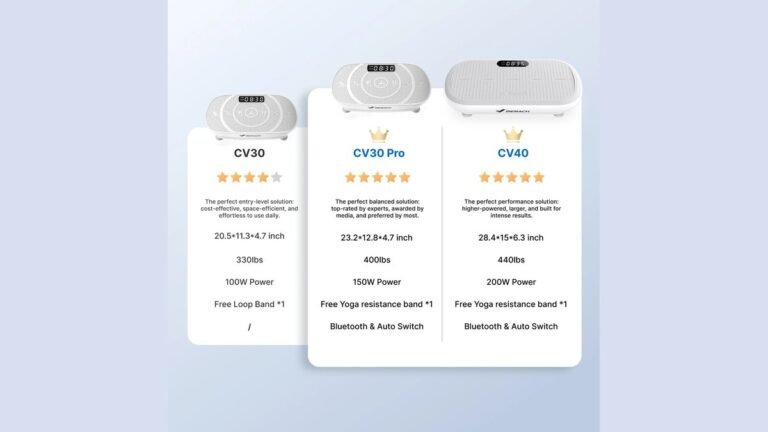
This page serves the first two best. If you’re still deciding between brands, check the motor power, platform size, and weight limit on each model’s product page before you buy.
What actually changes your results
How long you stand on it. Most home plates are built for short sessions — a few minutes at a time, not an hour. Start with 5 minutes and add time only if your legs feel fine the next day.
Whether you add movement. Standing still on a vibrating platform is the weakest version of the exercise. A half-squat, a calf raise, or a lunge while the plate runs turns it into real resistance work.
The frequency setting. Higher hertz isn’t automatically better. Lower frequencies suit balance and stability work; higher ones suit muscle activation.
How to use it, step by step
- Clear 2 feet of space around the plate on all sides. You’ll step off balance at some point, and you want somewhere to put your foot. Check the space before you plug anything in.
- Set the plate on a hard, level floor. Carpet absorbs the vibration and makes the whole session weaker. If it rocks when you press a corner, move it.
- Start with the lowest frequency your model offers and a 5-minute timer. Stand with feet shoulder-width apart, knees soft. You should feel a buzz, not a jolt.
- Hold a half-squat for 30 seconds, then stand tall for 30. Repeat for the full 5 minutes, alternating squat and stand. Your thighs should feel warm and tired by the end — that’s the sign it worked.
- Add a calf raise — up on your toes, down slow, 15 reps. Stop if your ankles wobble.
- Check your posture in a mirror at the 2-minute mark. Leaning forward or gripping the handlebar too hard means you’re off balance. Stand taller and lighten your grip.
- Step off slowly and wait 10 seconds before walking. Your balance needs a moment to reset.
- Log the date, the setting, and the minutes in your phone. Next session, add 1 minute only if your legs felt normal the next day.
The judgement call that separates a real session from a wasted one: whether you were actually working. If you could read a book the whole time, the setting was too low or you weren’t moving.
Which setup fits your situation
| Your situation | What to do | What it takes | What to watch for |
|---|---|---|---|
| Total beginner | 5 min, lowest setting, standing | 5 minutes daily | Dizziness on step-off |
| Wants muscle work | Half-squats and calf raises | 10 minutes, 4x a week | Knee pain during squats |
| Bad balance | Hold a wall or chair | 5 minutes, seated option | Never let go too early |
| Short on time | 3 min of squats only | 3 minutes | Skipping warm-up |
| Joint pain | Seated, feet flat on plate | 5 minutes | Stop if pain sharpens |
| Post-injury | Doctor’s clearance first | Varies by injury | Doing too much too soon |
| Shared with a partner | Reset settings each time | 10 seconds | Using someone else’s level |
What separates a good session from a wasted one

Before you start
Experienced users set the plate up before they get on it: hard floor, clear space, timer running. They also decide the exercise before the session starts. Standing on a plate while deciding what to do wastes the first minute, and that minute is the one that sets your posture for the rest.
While it’s running
The people who get results check three things mid-session: soft knees, even weight, normal breathing. Gripping the bars hard shifts your weight forward and turns a leg exercise into an arm exercise. If you can’t balance without holding on at your current setting, drop one level and try again.
What goes wrong, and what to do
Most problems with a home vibration plate come down to setting, stance, or session length — not a broken machine.
| What you notice | What it usually means | What to do first | How to stop it happening again |
|---|---|---|---|
| No feeling in your legs | Setting too low | Raise one level | Start higher next time |
| Tingling or numb feet | Session too long | Step off, rest 5 min | Cap at 5 minutes |
| Knee ache during squats | Squat too deep | Shallow the squat | Keep thighs above parallel |
| Dizziness on step-off | Stopping too fast | Sit down, wait | Step off slowly every time |
| Plate moves or walks | Wrong floor surface | Move to hard floor | Check level before each use |
| Sore calves next day | Normal, if mild | Rest one day | Reduce reps by half |
| Nothing after 2 weeks | No movement added | Add squats and raises | Log your sessions |
The rules that apply to vibration plates
Vibration plates sold in the US fall under general consumer product safety rules, and the U.S. Consumer Product Safety Commission publishes recall notices and safety guidance for exercise equipment.
The weight limit matters more than buyers think. Your plate’s manual states its maximum user weight — going over it strains the motor and can crack the platform.
What it really costs you
The money is the smallest part.
The real cost is consistency. Five minutes a day, four days a week, is 20 minutes. That’s less than a single gym visit, which is the honest selling point. What it costs you is the discipline to actually do it when the machine is sitting in the corner.
The hidden cost is a session that feels like nothing, because you stood still.
Keeping it right afterwards
Wipe the platform with a damp cloth after each session. Check the rubber feet every month; a missing foot makes the plate rock.
The sign it needs attention: a new rattle, a wobble, or a change in vibration strength at the same setting. If any show up, stop using it and check the manual’s troubleshooting page. Don’t run a plate that sounds different than last week.
When this isn’t the right tool
Skip the plate if you have an untreated hernia or a recent joint replacement, and talk to your doctor before using one if you have a pacemaker.
Skip it if your goal is weight loss on its own. Progressive weights at a gym will beat a plate every time, and a physiotherapist can build you a plan that actually loads your muscles.
Related guides
- Weight Plates Kg Vs Lbs Conversion
- Weight Plates Workout Routines for Beginners at Home
- Best Bumper Plates for Home Gym Reddit Picks 2026: Top Buys
Frequently asked questions
How long should you use a vibration plate each day?
5 to 10 minutes is enough for most home users, assuming you’re doing squats or calf raises rather than standing still. Longer sessions don’t add benefit and can leave your feet numb.
Does a vibration plate actually build muscle?
It adds muscle activity, but less than resistance training does. You’ll feel it in your legs after a squat session on the plate — that’s real work, just not a replacement for weights.
Is it safe to use every day?
Yes for most healthy adults at 5 to 10 minutes, but your legs need recovery. If your calves are sore the next morning, take a rest day instead of pushing through.
Can you lose weight with a vibration plate?
Not from the vibration alone. Any weight change comes from the exercise you do on the plate and your overall diet, not from the machine’s shaking.
What happens if you stand on it too long?
Your feet and lower legs go numb or tingle, and you may feel dizzy when you step off. Stop, sit down, and keep future sessions under 10 minutes.
Does the frequency setting matter?
Yes. Your manual lists what each level is for — check that page rather than guessing.
Can you use a vibration plate with knee pain?
Sometimes, with a shallower squat and a lower setting — but sharp pain means stop. If knee pain keeps coming back, see a physiotherapist before continuing.
Is a cheap vibration plate worth it?
It can be, if the weight limit fits you and the platform is big enough for both feet. Check the motor power and weight limit on the listing before you buy.
Start here
Pick one exercise — a half-squat — and do 5 minutes at the lowest setting today. Expect warm, tired thighs by the end; that’s the sign it worked. If you feel dizzy, feel sharp pain, or have a heart condition, stop and talk to your doctor before your next session.

I am a certified fitness coach with over 10 years of experience helping people improve their strength, endurance, and overall health. Specializes in workout programming, weight training, fat loss, muscle building, home fitness, and evidence-based nutrition.My goal is to make fitness simple and practical through well-researched guides, honest product reviews, and actionable training advice.