Using a Smith machine can be a game-changer for your workouts, offering support and stability as you build strength. But here’s the catch: without the right safety habits, you could put yourself at risk of injury.
If you want to make the most of your Smith machine sessions while staying safe, you need to know how to use it correctly. This guide will walk you through simple, practical safety tips that protect your body and boost your confidence every time you train.
Keep reading to discover how to work out smarter, avoid common mistakes, and get the results you want without setbacks. Your safest, strongest workouts start here.
Smith Machine Basics
The Smith machine is a popular gym tool for strength training. It guides the barbell on fixed rails. This design helps keep the bar path straight. Beginners and experienced lifters use it for safety and control. Understanding the basics of the Smith machine helps prevent injuries.
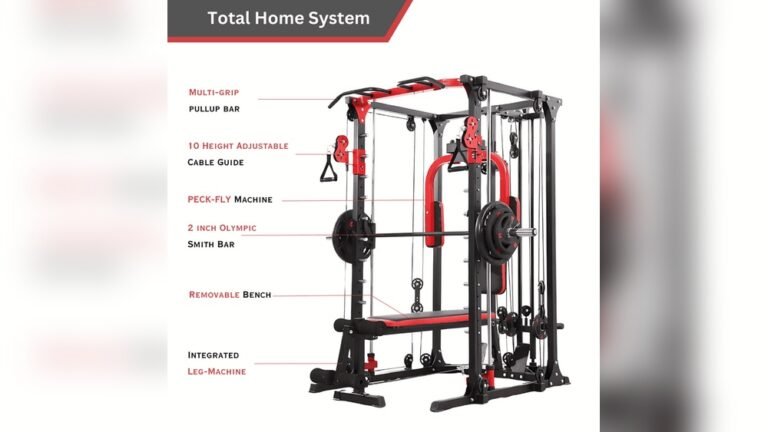
Key Components
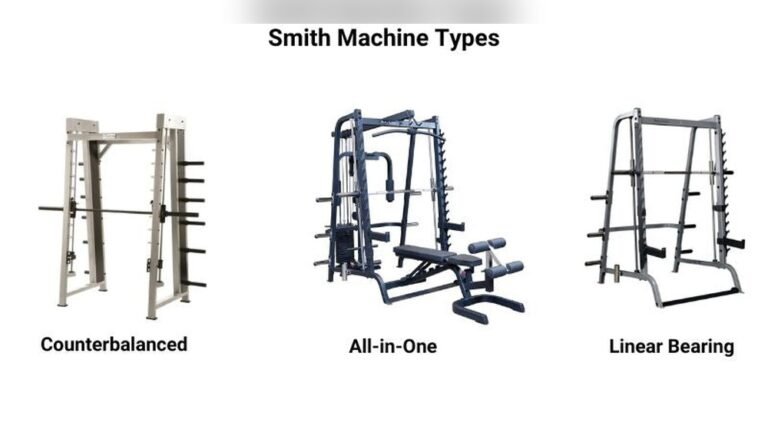
The Smith machine has several main parts. The barbell is attached to vertical steel rails. These rails control the bar’s movement up and down. The frame supports the entire structure and keeps it stable. Adjustable hooks allow the bar to lock at different heights. Weight plates add resistance and fit on pegs at the ends. A counterbalance system may reduce the bar’s weight.
Safety Features
The Smith machine includes important safety elements. Safety stops on the sides catch the bar if it falls. These stops prevent the bar from dropping too far. The locking hooks let you secure the bar at any height. You can quickly rotate the bar to lock it in place. This design lets you train without a spotter. The fixed path reduces risk of losing balance. Always check these features before starting your workout.
Proper Setup
Setting up the Smith machine correctly is key to safe workouts. Proper setup helps avoid injuries and ensures smooth exercise flow. Taking a moment to adjust the machine before lifting makes a big difference.
Adjusting Bar Height
Set the bar height to match your exercise needs. For squats, the bar should rest near shoulder level. For bench presses, align it with your chest level. Adjusting the bar too high or low can cause poor form or strain. Always check the height before you start lifting.
Setting Safety Stops
Safety stops prevent the bar from falling too far. Place them just below your lowest safe range of motion. This helps catch the bar if you lose control. Test the stops by lowering the bar slowly to ensure they hold it well. Proper safety stops reduce the risk of accidents.
Safe Lifting Techniques
Safe lifting techniques are essential when using the Smith machine. They help protect your muscles and joints from injury. Following these techniques improves your workout efficiency and ensures steady progress. Focus on control and precision rather than speed or heavy weights. This section covers key tips to keep your lifting safe and effective.
Maintaining Proper Form
Start with your feet shoulder-width apart for balance. Keep your back straight and chest up throughout the movement. Engage your core muscles to support your spine. Lower the bar slowly and with control. Avoid locking your joints at the top of the lift. Use a full range of motion without overextending. Keep your wrists in a neutral position to avoid strain. Proper form reduces the risk of injury and builds strength evenly.
Avoiding Common Mistakes
Do not use excessive weight that compromises form. Avoid bouncing the bar off your chest or thighs. Never let the bar drift off the correct path. Avoid holding your breath during lifts; breathe steadily. Do not rush through repetitions; slow and steady wins. Avoid uneven weight distribution on the bar. Never skip warming up before using the Smith machine. These mistakes increase injury risk and hinder progress.
Exercise-specific Tips
Each exercise on the Smith machine needs unique safety steps. Follow specific tips for squats, bench press, and shoulder press. These tips help prevent injury and improve workout quality.
Squats
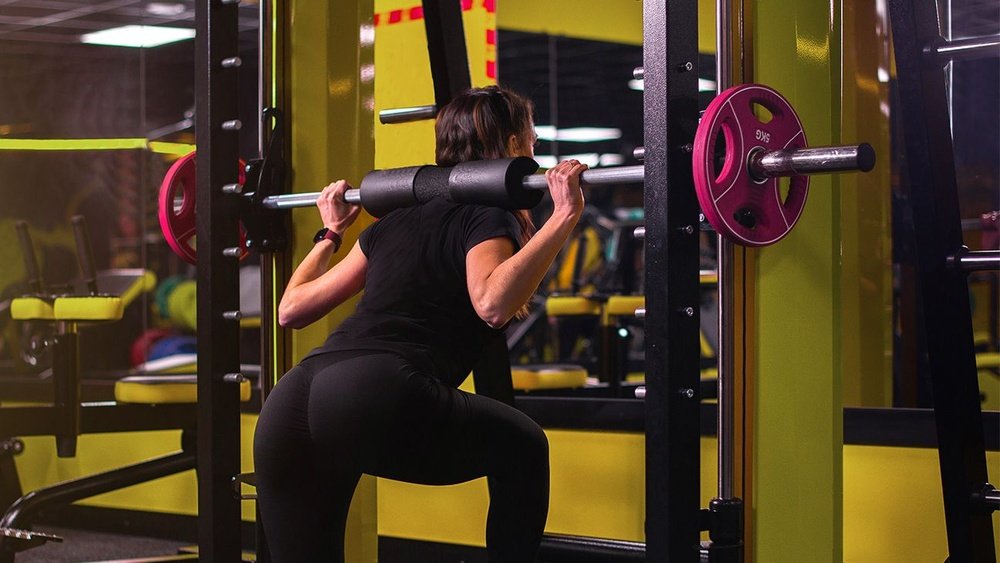
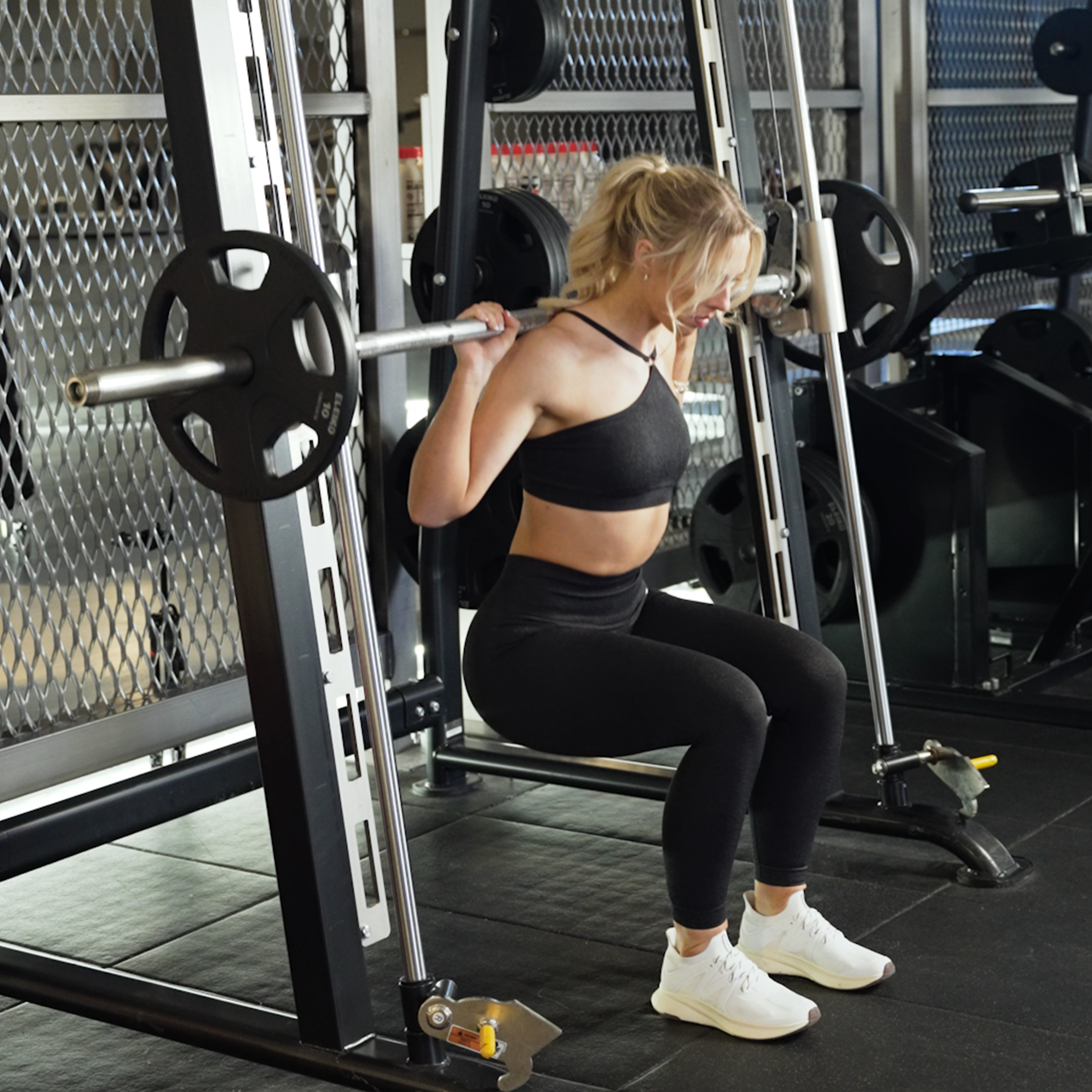
Set the bar at shoulder height before starting. Keep your feet shoulder-width apart. Push hips back and bend knees slowly. Avoid letting knees go past your toes. Use safety stops to catch the bar if you fail. Control your speed during the lift and descent. Keep your back straight and chest up.
Bench Press
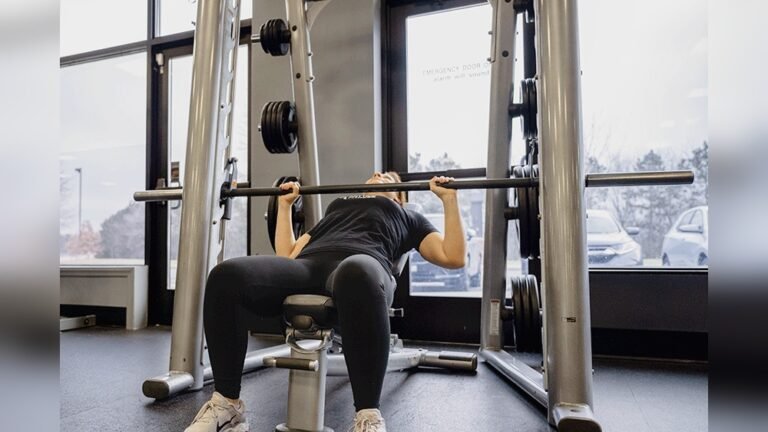
Adjust the bench so the bar is above your chest. Place feet flat on the floor for stability. Grip the bar evenly with both hands. Lower the bar slowly to your chest. Use safety catches to stop the bar if needed. Do not lock elbows at the top. Keep your wrists straight to avoid strain.
Shoulder Press
Start with the bar at upper chest level. Sit with back fully supported on the bench. Keep feet flat and stable on the floor. Press the bar straight up without arching your back. Use safety stops to avoid dropping the bar. Lower the bar slowly to avoid joint stress. Keep your head neutral and avoid looking up.
Preventing Injuries
Preventing injuries on the Smith machine is crucial for a safe workout. Taking proper safety steps reduces the risk of harm. This helps you train consistently and reach your fitness goals without setbacks. Focus on simple habits that protect your body and improve your form.
Warm-up Routines
Start each session with a warm-up to prepare your muscles. Spend 5 to 10 minutes doing light cardio or dynamic stretches. This increases blood flow and loosens joints, lowering injury risk. Warm muscles handle lifting better and recover faster.
Use bodyweight exercises or light weights before heavy lifts. This trains your nervous system and improves coordination. A proper warm-up also helps you focus mentally on the workout ahead.
Using Spotters And Safety Bars
Spotters provide extra security during challenging lifts on the Smith machine. They can help if you struggle to complete a set safely. Always ask a trained spotter for assistance when lifting heavy or trying new moves.
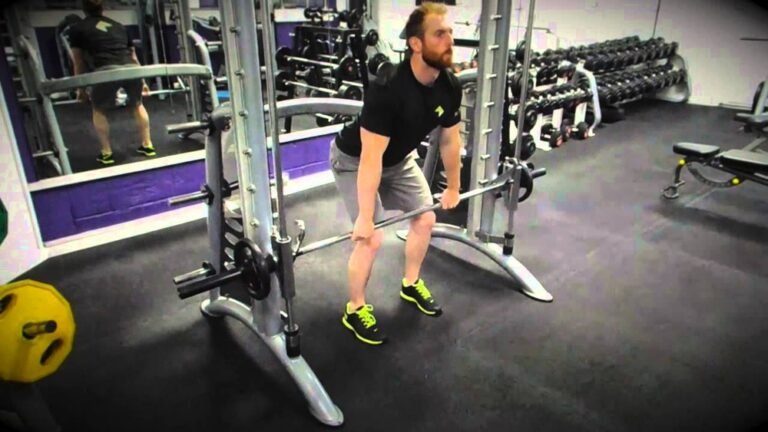
Safety bars act as physical stops to catch the barbell if you lose control. Set them at the right height to prevent the bar from dropping too low. This simple step can prevent serious injuries and give confidence during lifts.

Credit: altasstrength.com
Maintaining Control
Maintaining control during Smith machine exercises is essential for safety and effectiveness. It reduces the risk of injury and helps you target muscles correctly. Focus on steady, deliberate movements rather than rushing through reps. This mindset keeps your body aligned and stable throughout the workout.
Controlled Movements
Move the bar slowly and with purpose. Avoid jerky or fast motions that can cause loss of balance. Controlled movements improve muscle engagement and prevent strain. Keep your muscles tight and your core engaged as you lift and lower the weight. This control protects your joints and spine.
Avoiding Locking Joints
Do not fully lock your joints at the top of each movement. Locking puts stress on ligaments and can lead to injury. Keep a slight bend in your elbows, knees, or hips depending on the exercise. This keeps tension on the muscles and maintains joint safety. Always listen to your body and stop if you feel sharp pain.
Smith Machine Myths
The Smith machine often gets a bad reputation in gyms. Many believe it is unsafe or less effective than free weights. These ideas are myths that can stop you from using this equipment safely and well. Understanding the truth helps you use the Smith machine with confidence and avoid injuries.
Safety When Alone
Some think the Smith machine is risky to use without a spotter. The truth is, it has built-in safety stops. These stops catch the bar if you lose control. You can set them at a height that works for your exercise. This feature makes it safer to train alone than free weights. Always check the safety stops before you start. Never lift more than you can handle. Move with control and keep your focus on form.
Effectiveness Compared To Free Weights
People say the Smith machine is not as good as free weights for building strength. It is true the machine guides the bar on a fixed path. This limits some natural movement and balance work. But it still allows you to lift heavy safely. It targets muscles effectively, especially for beginners or rehab. It also helps isolate specific muscles better. Mixing Smith machine exercises with free weights gives a balanced routine.
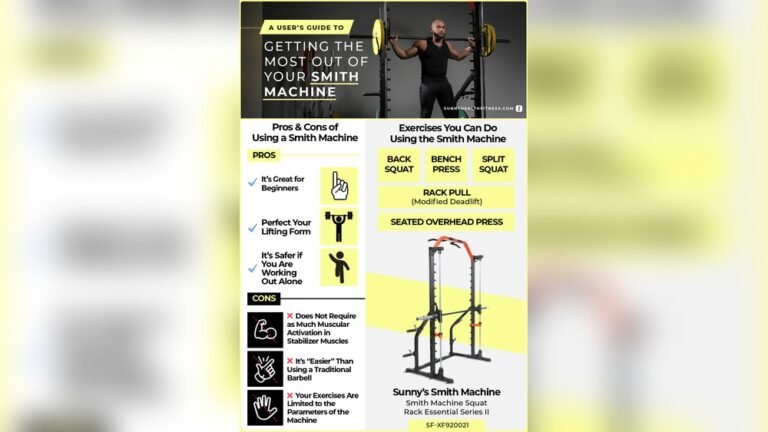
Credit: www.gymshark.com
Maintenance And Inspection
Maintaining and inspecting your Smith machine ensures safe and effective workouts. Regular checks prevent accidents and extend the machine’s life. Small issues can turn into big problems without attention.
Focus on parts that experience wear and keep the machine clean. This helps it work smoothly and safely every time you use it.
Checking For Wear
Inspect the Smith machine for signs of wear each week. Look at cables, pulleys, and bars for cracks or fraying. Check bolts and screws to confirm they are tight. Loose parts can cause instability and injuries. Replace any worn or damaged parts immediately. Use the machine only after fixing issues to avoid accidents.
Regular Cleaning
Clean the Smith machine regularly to remove dust and sweat. Use a soft cloth and mild cleaner to wipe down bars and seats. Avoid harsh chemicals that damage surfaces. Cleaning prevents rust and keeps moving parts working well. A clean machine feels better and lasts longer. Set a cleaning schedule to maintain hygiene and safety.

Credit: www.anytimefitness.com
Frequently Asked Questions
How To Use Smith Machine Safety?
Set the bar at the right height and load weight carefully. Keep feet flat and wrists neutral. Use safety stops to prevent crashes. Lock the bar when finished. Maintain proper form and avoid locking knees during exercises.
What Are The Safety Features Of The Smith Machine?
The Smith machine features safety stops to prevent weight drops. It includes a counterbalance system to ease lifting. Adjustable bar height ensures proper positioning. Users can lock the bar at various points for security. These features enhance safe, solo workouts without a spotter.
Are Smith Machines Safe To Use Alone?
Smith machines are generally safe to use alone due to built-in safety stops. Always set the bar at the right height and use safety locks. Maintain proper form and avoid locking out joints to prevent injury.
How To Safely Squat On A Smith Machine?
Set the bar at shoulder height and load appropriate weight. Keep feet flat, back straight, and core engaged. Lower slowly, avoid locking knees, and use safety stops. Hold the bar lightly for balance. Stop immediately if you feel pain or instability.
Conclusion
Using the Smith machine can boost your workout safety and effectiveness. Always set the bar at the right height before lifting. Check the safety stops to avoid accidents. Keep your movements slow and controlled for best results. Never ignore proper form to protect your joints and muscles.
Stay focused and avoid distractions while exercising. These simple steps help you train safely and confidently on the Smith machine. Consistent care makes your workouts more enjoyable and injury-free.
I am a certified fitness coach with over 10 years of experience helping people improve their strength, endurance, and overall health. Specializes in workout programming, weight training, fat loss, muscle building, home fitness, and evidence-based nutrition.My goal is to make fitness simple and practical through well-researched guides, honest product reviews, and actionable training advice.