Using an air bike can be a game-changer for your fitness routine, but it’s important to stay safe while pushing your limits. Are you making common mistakes that could slow your progress or even cause injury?
Knowing the right safety tips can protect your body and help you get the most out of every session. You’ll discover simple yet powerful strategies to ride smarter, avoid strain, and boost your endurance. Keep reading to unlock the secrets that will keep you safe and strong on your air bike journey.
Bike Setup
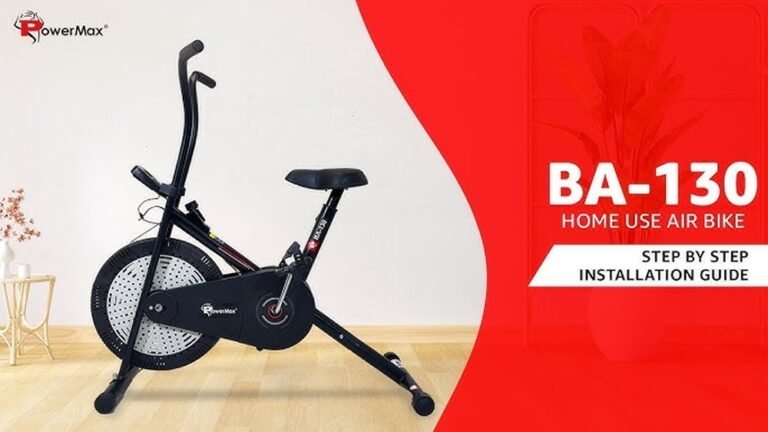
Setting up your air bike correctly is key for a safe and effective workout. A proper bike setup reduces injury risk and improves comfort. It also helps you pedal smoothly and maintain good posture. Focus on three main areas: seat height, handlebar position, and pedal placement. Adjust these to fit your body size and riding style. This ensures a better workout and less strain on your joints.
Adjust Seat Height
Set the seat so your leg is nearly straight at the bottom of the pedal stroke. Your knee should have a slight bend. Too low a seat causes knee pain and limits pedaling power. Too high a seat makes you rock your hips and lose control. Use a ruler or tape to measure. Adjust the seat post up or down until it fits your leg length.
Handlebar Position
Place handlebars at a height that feels natural and relaxed. Your arms should bend slightly when holding the handles. Too high or too low can strain your shoulders and back. Move the handlebars forward or backward to keep your back straight. This also helps you maintain a steady grip without reaching too far.
Pedal Placement
Position your feet so the balls of your feet rest on the pedals. This gives better power and control. Avoid placing your feet too far forward or backward. Make sure your shoes are secure on the pedals. Check that your feet do not slip during intense pedaling. Proper pedal placement helps avoid foot pain and improves efficiency.

Credit: gmtma.org
Proper Riding Form
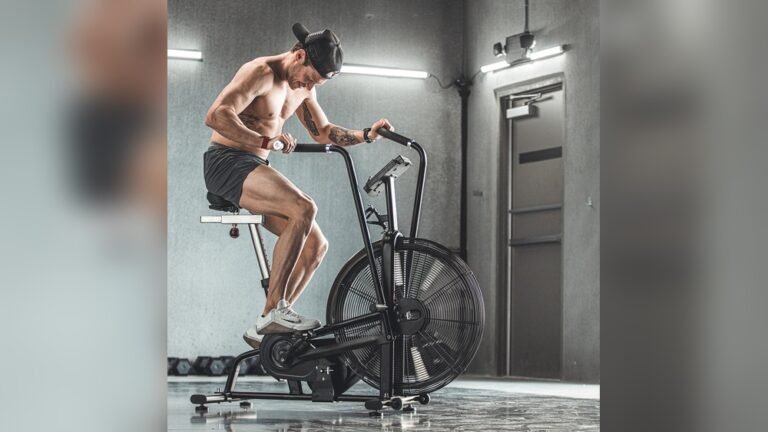
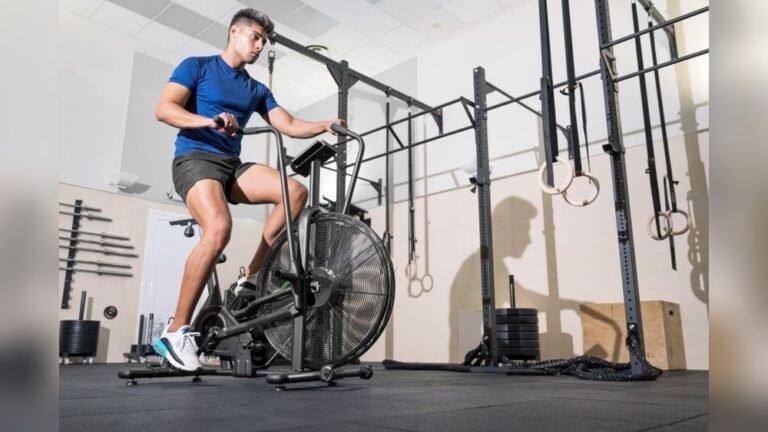
Proper riding form is essential for safety and efficiency on an air bike. Maintaining the correct posture reduces the risk of injury and improves workout performance. It also helps you use your energy wisely and keeps your muscles balanced. Below are key points to focus on while riding.
Elbow Alignment
Keep your elbows close to your body. Avoid flaring them out wide. This helps stabilize your upper body and protects your shoulders. Controlled elbow movement allows smoother arm swings. It also reduces strain on your joints during intense sessions.
Head And Neck Position
Keep your head straight and look forward. Do not bend your neck down or tilt it too far back. A neutral neck position prevents tension and discomfort. It promotes better breathing and focus while riding. Avoiding unnecessary head movement helps maintain balance.
Equal Push, Pull, And Pedal Effort
Use your arms and legs equally when riding. Push and pull the handles smoothly and steadily. Pedal with consistent force on both legs. Balanced effort increases workout efficiency and prevents muscle fatigue. It also reduces the chance of injury from overusing one side.
Resistance Management
Managing resistance on an air bike is key to a safe and effective workout. Resistance affects how hard you pedal and push the handles. Proper control helps prevent injury and builds endurance over time. Adjusting resistance wisely supports steady progress and avoids strain.
Start With Low Resistance
Begin your session with low resistance. This allows your muscles to warm up gently. It reduces the risk of sudden fatigue or injury. Low resistance helps you learn proper form. It also builds confidence as you get used to the bike’s motion.
Gradual Increase
Increase resistance slowly during your workout. Small steps let your body adapt without stress. Rapid jumps in resistance can cause muscle strain. Gradual increase improves strength and stamina safely. Track how your body responds before raising resistance further.
Listen To Your Body
Pay attention to how you feel while riding. Stop or lower resistance if you feel pain or discomfort. Sharp or unusual pain signals a problem. Fatigue is normal but should not be overwhelming. Respect your limits to avoid injury and stay consistent in training.
Safety Gear
Wearing the right safety gear is essential for a safe air bike workout. Proper gear protects your body and improves your comfort. It reduces the risk of injuries and helps you perform better. Focus on clothing and footwear to stay safe and confident during your sessions.
Use Appropriate Clothing
Choose clothes that fit well and allow free movement. Avoid loose fabrics that can get caught in the bike parts. Breathable materials help keep your body cool and dry. Lightweight shirts and shorts work best for air bike workouts. Proper clothing reduces distractions and keeps you focused.
Wear Supportive Footwear
Pick shoes with good support and grip. Proper footwear protects your feet and ankles from strain. Avoid sandals or shoes with slippery soles. Athletic shoes with firm soles help you push the pedals efficiently. Supportive footwear improves your balance and reduces injury risks.
Warm-up And Cool-down
Warming up before and cooling down after an air bike session helps protect your body. These steps prepare your muscles and joints for exercise. They also help your body recover after hard work.
Skipping warm-up or cool-down can cause injuries or stiffness. Taking a few minutes for both makes your workout safer and more effective. Below are simple ways to warm up and cool down around your air bike workout.
Dynamic Warm-up Exercises
Start with light movements that raise your heart rate slowly. Try arm circles to loosen your shoulders. Do leg swings to wake up your hips and legs. Gentle jogging in place gets blood flowing to your muscles.
Use the air bike at low speed for 3 to 5 minutes. This activates muscles you will use during the workout. Keep movements smooth and controlled. Avoid sudden or fast motions that may strain your body.
Stretching Post-ride
Stretching after riding helps muscles relax and reduce soreness. Focus on key areas like your legs, hips, and shoulders. Hold each stretch for 20 to 30 seconds without bouncing. Examples include hamstring stretches and shoulder stretches.
Deep breathing during stretches aids in calming your body. Avoid pushing too hard on tight muscles. Stretching gently improves flexibility and speeds up recovery. It also lowers the risk of muscle cramps and stiffness.

Credit: bilyanagolf.ru
Breathing Techniques
Breathing techniques play a key role in safe and effective air bike workouts. Proper breathing helps maintain energy and prevents dizziness or fatigue during exercise. Focus on controlled and steady breathing to support your performance and safety.
Avoid Head Dropping
Keep your head up and eyes forward while biking. Dropping your head can block your airway and disrupt breathing. A stable head position helps keep your neck aligned and your breath steady. This reduces the risk of strain and keeps your airways clear.
Maintain Steady Breath
Take slow, deep breaths in rhythm with your pedal strokes. Avoid rapid or shallow breathing that can cause lightheadedness. Breathe through your nose and mouth to get enough oxygen. Steady breathing supports endurance and helps you stay focused on your workout.
Workout Tips
Working out on an air bike offers a great way to improve fitness and burn calories. To stay safe and get the best results, follow key workout tips. These tips help manage effort and prevent injury during your sessions.
Monitor Time And Intensity
Keep track of how long and hard you exercise. Start with short sessions and low intensity. Gradually increase as your body adapts. Avoid sudden jumps in workout time or speed. Consistent monitoring helps prevent fatigue and injury.
Avoid Overexertion
Listen to your body during workouts. Stop if you feel dizzy or very tired. Pushing too hard can lead to muscle strains and exhaustion. Maintain a steady pace that challenges but does not overwhelm you. Balance effort with comfort to stay safe.
Incorporate Rest Intervals
Include breaks between intense bursts of exercise. Rest intervals allow muscles to recover and reduce risk of injury. Use a timer to plan work and rest periods. This approach improves endurance and helps sustain longer workouts.
Credit: bronxriver.org
Common Mistakes
Using an air bike can boost your fitness, but mistakes reduce its benefits. Many users make common errors that cause discomfort and lower workout quality. Recognizing these mistakes helps you stay safe and improve your results.
Flared Elbows
Keeping elbows close to your body improves control and power. Flared elbows cause strain on shoulders and reduce efficiency. They increase the risk of injury during intense sessions. Focus on pushing and pulling straight forward and back. This keeps your movement smooth and safe.
Improper Seat Height
Seat height affects comfort and pedaling power. A seat too low strains knees and lowers speed. A seat too high causes hips to rock, risking injury. Adjust the seat so your legs have a slight bend at the bottom of the pedal stroke. This position helps maintain steady, strong pedaling.
Uneven Effort Distribution
Many riders push harder with one side of their body. This leads to muscle imbalance and joint pain. Use equal force with both arms and legs to avoid this problem. Balanced effort improves endurance and prevents injuries. Check your form regularly and adjust as needed.
Maintenance And Inspection
Regular maintenance and inspection keep your air bike safe and working well. Small problems can turn into big issues without care. Checking parts and cleaning the bike makes your workouts smooth and injury-free.
Check For Loose Parts
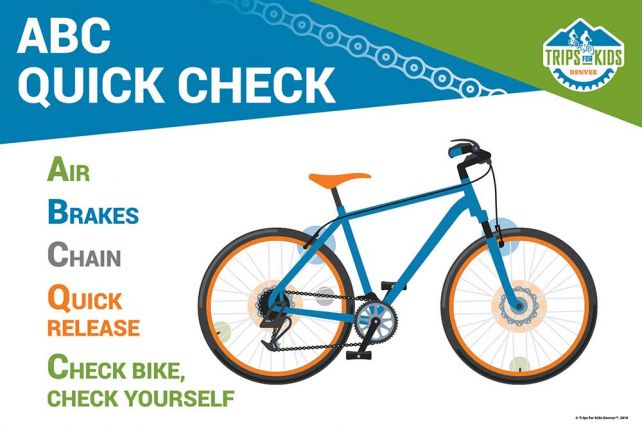
Look over all bolts and screws on your air bike. Tighten anything that feels loose. Pay close attention to the pedals, handles, and seat. Loose parts can cause accidents or damage the bike. Make this a habit before every ride.
Clean Regularly
Wipe down the frame and moving parts to remove dust and sweat. Dirt can build up and cause parts to wear out faster. Use a soft cloth and mild cleaner. Avoid spraying water directly on bearings or electronics.
Lubricate Moving Components
Apply lubricant to chains, pedals, and other moving parts often. This reduces friction and noise. Choose a lubricant designed for exercise equipment. Don’t over-lubricate, as excess oil attracts dirt. Proper lubrication extends the bike’s life and keeps it running smoothly.
Frequently Asked Questions
What Is A Good Time For 1 Mile On An Assault Bike?
A good time for 1 mile on an Assault Bike ranges from 2:20 to 3:00 minutes, depending on fitness level. Well-conditioned athletes often complete it near 2:20. Beginners may take longer, around 3 minutes. Consistent training improves your time effectively.
Can An Air Bike Lose Belly Fat?
An air bike helps burn calories and reduce overall body fat, including belly fat, when combined with a healthy diet and consistent exercise.
How To Properly Use An Air Bike?
Set the seat height for comfort and proper leg extension. Grip handles firmly, push and pull evenly. Pedal with consistent power. Maintain upright posture and keep elbows close to your body. Start with low resistance, gradually increase intensity to avoid injury.
Breathe steadily throughout the workout.
What Are Some Safety Tips For Biking?
Wear a helmet and bright clothing for visibility. Follow traffic rules and use hand signals. Keep both hands on handlebars except when signaling. Check your bike’s condition before riding. Avoid distractions and stay alert to surroundings.
Conclusion
Staying safe on an air bike keeps workouts effective and injury-free. Always adjust the seat and handles to fit your body. Begin with low resistance to avoid strain and build strength gradually. Keep your elbows steady and pedal with smooth, controlled movements.
Stay hydrated and take breaks when needed. Wearing proper shoes improves grip and control. Follow these tips to enjoy your air bike sessions safely and confidently every time.
I am a certified fitness coach with over 10 years of experience helping people improve their strength, endurance, and overall health. Specializes in workout programming, weight training, fat loss, muscle building, home fitness, and evidence-based nutrition.My goal is to make fitness simple and practical through well-researched guides, honest product reviews, and actionable training advice.