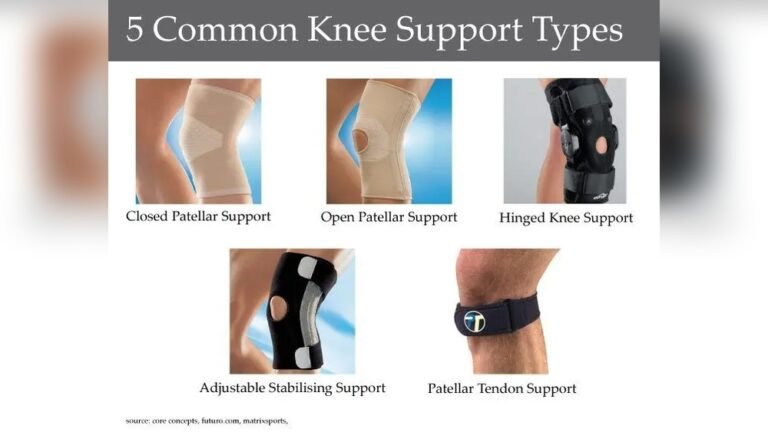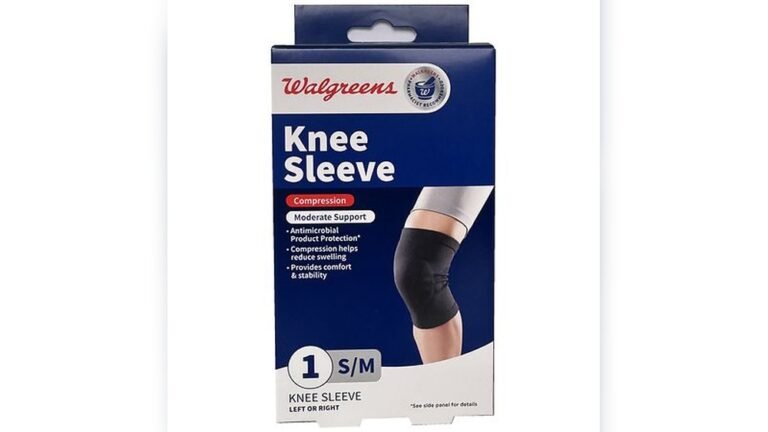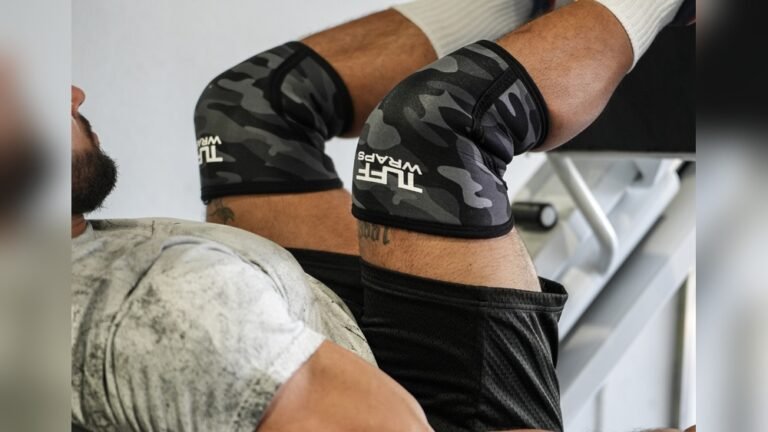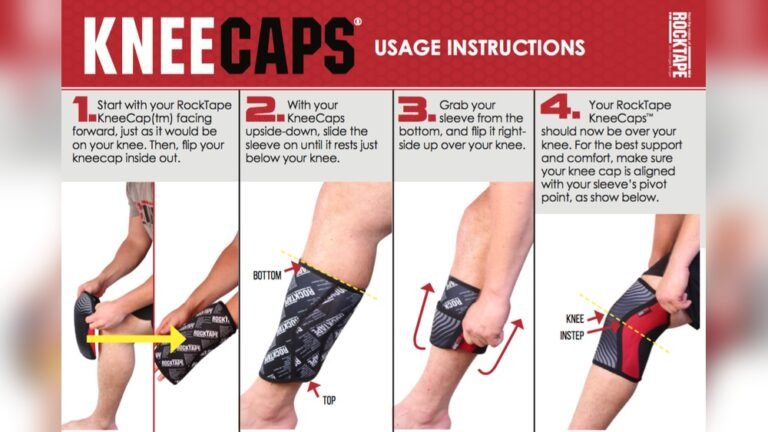
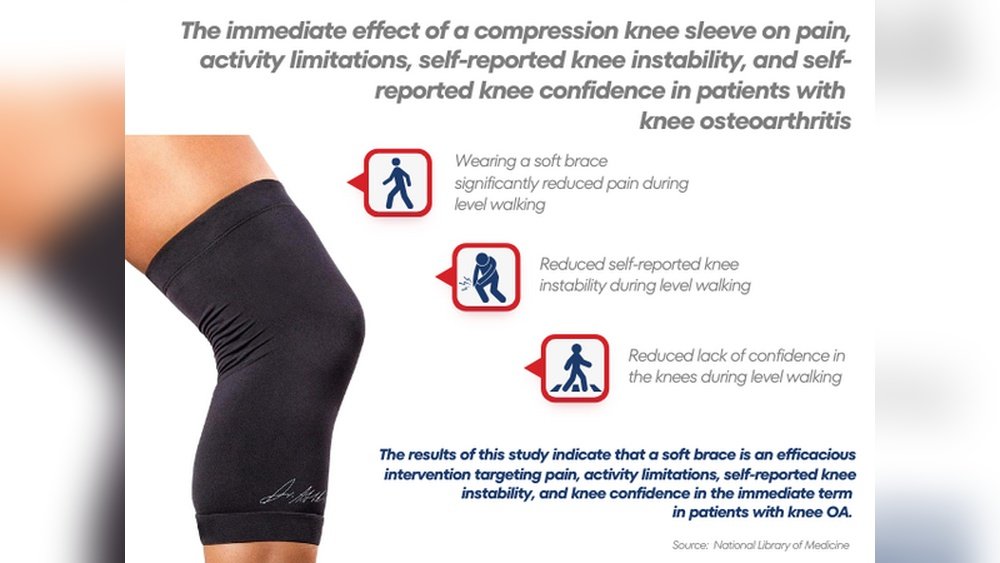
Are you looking for a simple way to protect your knees and boost your performance? Knee sleeves might be exactly what you need.
Whether you’re hitting the gym, running, or just tackling daily activities, these snug wraps offer more than just comfort. They provide support, reduce pain, and help you recover faster from strain or injury. But what exactly makes knee sleeves so beneficial, and how can they improve your movement and confidence?
Keep reading to discover the top benefits of knee sleeves and find out why they could become your new favorite fitness companion. Your knees will thank you!
Support Benefits
Knee sleeves offer important support benefits that help protect your knees during activity. They provide gentle pressure and hold the knee joint firmly. This support aids in reducing pain and prevents injuries by keeping the knee stable.
Wearing knee sleeves can improve your confidence while moving. They help your knees work better under stress and make exercise safer. These benefits come from the sleeves’ design and material, which work together to support your joints.
Compression And Stability
Knee sleeves apply steady compression around the joint. This tight fit helps reduce swelling after exercise or injury. Compression also increases blood flow, which speeds up healing. The sleeves keep the knee stable by limiting excessive movement. This stability lowers the risk of twists and strains.
Reduced Joint Stress
The support from knee sleeves lessens the load on your knee joints. They absorb some impact during walking or running. This reduces stress on cartilage and ligaments. Less stress means less pain and a lower chance of damage. Knee sleeves are especially useful for people with weak or sore knees.
Enhanced Proprioception
Knee sleeves improve body awareness around the joint. This sense, called proprioception, helps you control knee movement. Better control means you can avoid awkward positions that cause injury. The sleeves give feedback through gentle pressure, making your brain more aware of the knee’s position. This helps with balance and coordination during activity.
Recovery Advantages
Knee sleeves offer important recovery advantages that help your joints heal faster. They provide gentle compression that supports injured or tired knees. This support reduces discomfort and speeds up recovery after physical activities or injuries.
Using knee sleeves during recovery helps manage pain, control swelling, and improve blood flow. These benefits work together to make healing easier and more comfortable.
Pain Relief
Knee sleeves apply steady pressure around the joint. This pressure helps reduce pain by stabilizing the knee. It also lowers the strain on muscles and tendons. Many people feel less soreness during and after movement with knee sleeves on.
Swelling Reduction
Compression from knee sleeves limits swelling around the knee. This happens by preventing fluid buildup in tissues. Less swelling means less stiffness and better joint movement. It also lowers the risk of long-term damage from inflammation.
Improved Blood Flow
The gentle squeeze from knee sleeves boosts circulation. Better blood flow delivers oxygen and nutrients to the knee. It helps remove waste products from injured areas. Improved circulation speeds tissue repair and reduces recovery time.
Injury Prevention
Injury prevention is a key reason many athletes and active individuals wear knee sleeves. These sleeves offer more than just comfort. They help protect the knee from common injuries during workouts or daily activities. Wearing them can keep your knees safer and reduce pain.
Warmth And Muscle Protection
Knee sleeves keep the joint warm by improving blood flow. Warm muscles and joints move better and are less likely to get hurt. The heat also helps reduce stiffness and soreness after exercise. This protection lowers the chance of muscle strains or pulls.
Reduced Risk Of Strains
Strains happen when muscles or tendons stretch too far. Knee sleeves apply gentle pressure around the knee. This compression supports the muscles and tendons, keeping them steady. It lowers the risk of sudden pulls or tears during movement.
Support During Physical Activity
Knee sleeves provide light but firm support during sports or heavy lifting. They stabilize the knee, helping it track properly. This support reduces stress on ligaments and cartilage. You feel more secure moving, which helps prevent accidental twists or sprains.

Credit: doctorarthritis.org
Potential Drawbacks
Knee sleeves offer many benefits, but they also have potential drawbacks. Understanding these limits helps you use them wisely. Overuse or poor fit can cause problems. Some issues might affect comfort, movement, or long-term health. Consider these factors before relying on knee sleeves.
Muscle Weakening Risks
Wearing knee sleeves all the time may cause muscles to weaken. Muscles might depend on the sleeve for support. This can reduce natural strength and stability. Use sleeves only during activities that need extra support. Give your muscles time to work on their own.
Skin Irritation Issues
Tight or low-quality sleeves can irritate the skin. Rashes, redness, or chafing may occur, especially after long use. Some materials cause allergic reactions for sensitive skin. Choose breathable, soft fabrics and clean sleeves regularly to avoid irritation.
Restricted Movement Concerns
Ill-fitting knee sleeves can limit your knee’s natural motion. Too tight sleeves may feel uncomfortable and reduce flexibility. This restriction can affect exercise form or daily activities. Make sure your sleeves fit well and do not bunch up during movement.
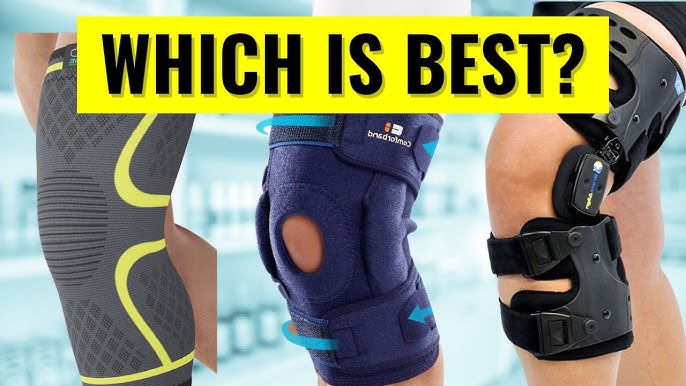
Limited Support Compared To Braces
Knee sleeves provide compression and warmth but lack firm support. They do not stabilize serious injuries like braces do. For severe knee problems, braces offer better protection. Use sleeves for mild support, not as a replacement for braces.
Cost And Maintenance
Good quality knee sleeves can be costly. Regular washing is needed to keep them fresh and elastic. Poor care reduces their lifespan and effectiveness. Follow care instructions to maintain fit and avoid odor buildup.
Usage Guidelines
Using knee sleeves correctly enhances their benefits and prevents problems. They provide support, warmth, and compression to the knee joint. Proper usage helps reduce pain and improve performance. Knowing when and how to wear them is important for safety and effectiveness.
When To Wear Knee Sleeves
Wear knee sleeves during activities that strain your knees. They are useful for weightlifting, running, and sports involving jumping or sudden movements. Use them when you feel mild knee pain or need extra joint support. Avoid wearing them all day or during rest periods.
Avoiding Overuse
Do not rely on knee sleeves all the time. Overusing can weaken muscles around the knee. This may cause dependency and reduce natural strength. Remove sleeves during light activities or when resting. Give your knees time to heal and strengthen without support.
Consulting Healthcare Professionals
Seek advice from doctors or physical therapists before using knee sleeves. They can assess your knee condition and recommend the right type. If you have an injury, surgery, or chronic pain, professional guidance is crucial. Proper use prevents worsening of your knee problems.
Credit: www.youtube.com

Credit: www.prowolf.in
Frequently Asked Questions
What Are The Disadvantages Of Knee Sleeves?
Knee sleeves can cause skin irritation, restrict movement if too tight, and may weaken muscles with overuse. They offer limited support for serious injuries and require regular cleaning to maintain effectiveness.
When Should You Wear A Knee Compression Sleeve?
Wear a knee compression sleeve during physical activities to support and stabilize the knee. Avoid all-day or overnight use. Consult a doctor if recovering from injury or surgery before wearing a sleeve. Use it to reduce pain, improve circulation, and prevent injury during exercise.
How Long Should You Leave Knee Sleeves On?
Wear knee sleeves only during physical activity or exercise for support. Avoid wearing them all day to prevent dependency and circulation issues. Remove them immediately after your session to maintain skin health and muscle strength. Consult a doctor if you have injuries before using knee sleeves.
When Should You Not Wear A Compression Sleeve?
Avoid wearing a compression sleeve on open wounds, infections, or without medical advice after surgery. Do not wear it all day to prevent circulation issues or muscle weakening. Avoid if it causes pain, skin irritation, or restricts movement. Always ensure proper fit and consult a doctor for injuries.
Conclusion
Knee sleeves provide important support and reduce knee pain during activity. They keep your joints warm and help improve blood flow. Many athletes and active people find them useful for better movement and injury prevention. Still, avoid wearing them all day to prevent muscle weakness or skin irritation.
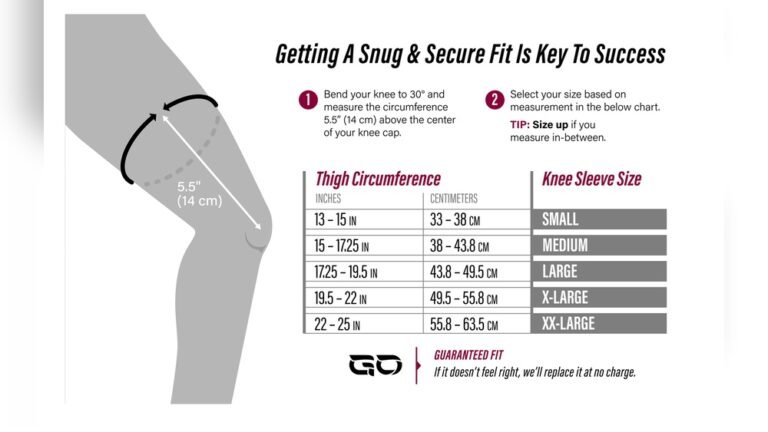
Choose the right size for comfort and safety. Use knee sleeves as part of your overall care, not the only solution. Always check with a doctor if you have serious knee problems. Knee sleeves can be a helpful tool for healthier knees.
I am a certified fitness coach with over 10 years of experience helping people improve their strength, endurance, and overall health. Specializes in workout programming, weight training, fat loss, muscle building, home fitness, and evidence-based nutrition.My goal is to make fitness simple and practical through well-researched guides, honest product reviews, and actionable training advice.