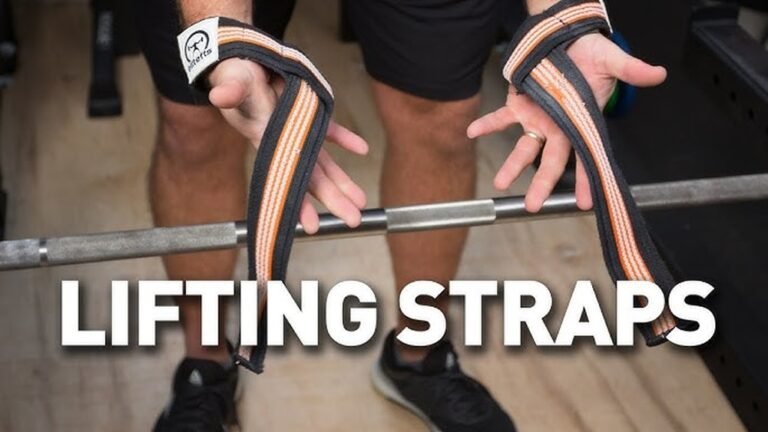
If you use lifting straps regularly, you know how important they are for protecting your wrists and boosting your grip during heavy lifts. But have you ever thought about how to keep them in top shape?
Proper maintenance of your lifting straps not only extends their life but also ensures your safety every time you train. You’ll discover simple, effective tips to clean, inspect, and store your straps so they stay strong and ready for your next workout.
Keep reading to learn how a little care can make a big difference in your lifting performance!
Cleaning Techniques
Keeping your lifting straps clean helps extend their life and maintain safety. Dirt, sweat, and grime can weaken the fabric over time. Proper cleaning removes these harmful elements without damaging the material.
Use gentle methods to protect the straps’ strength and grip. Harsh cleaning can cause wear and tear that reduces performance. Follow these simple techniques for the best care.
Hand Washing With Mild Detergent
Fill a basin with warm water and add a small amount of mild detergent. Submerge the lifting straps and gently rub the fabric to remove dirt. Avoid scrubbing too hard to prevent damage.
Rinse the straps well with clean water to remove all soap. Squeeze out excess water carefully without twisting or wringing. This preserves the shape and integrity of the straps.
Avoiding Machine Wash And Dry
Machine washing can be too harsh for lifting straps. The agitation and heat may weaken the fibers and cause fraying. Skip the washing machine to keep your straps safe.
Do not use a dryer either. High heat can shrink or warp the fabric. Instead, air dry the straps flat or hang them in a well-ventilated area away from direct sunlight.
Soaking And Rinsing Tips
Soak lifting straps in warm water with mild detergent for 10 to 15 minutes. This loosens dirt without stressing the fabric. Use a soft sponge or cloth to gently clean tough spots.
Rinse thoroughly under cool running water until all soap is gone. Leaving detergent residue can cause skin irritation and degrade the material. Let the straps air dry completely before storing or using them again.
Credit: e-rigging.com
Inspection Practices
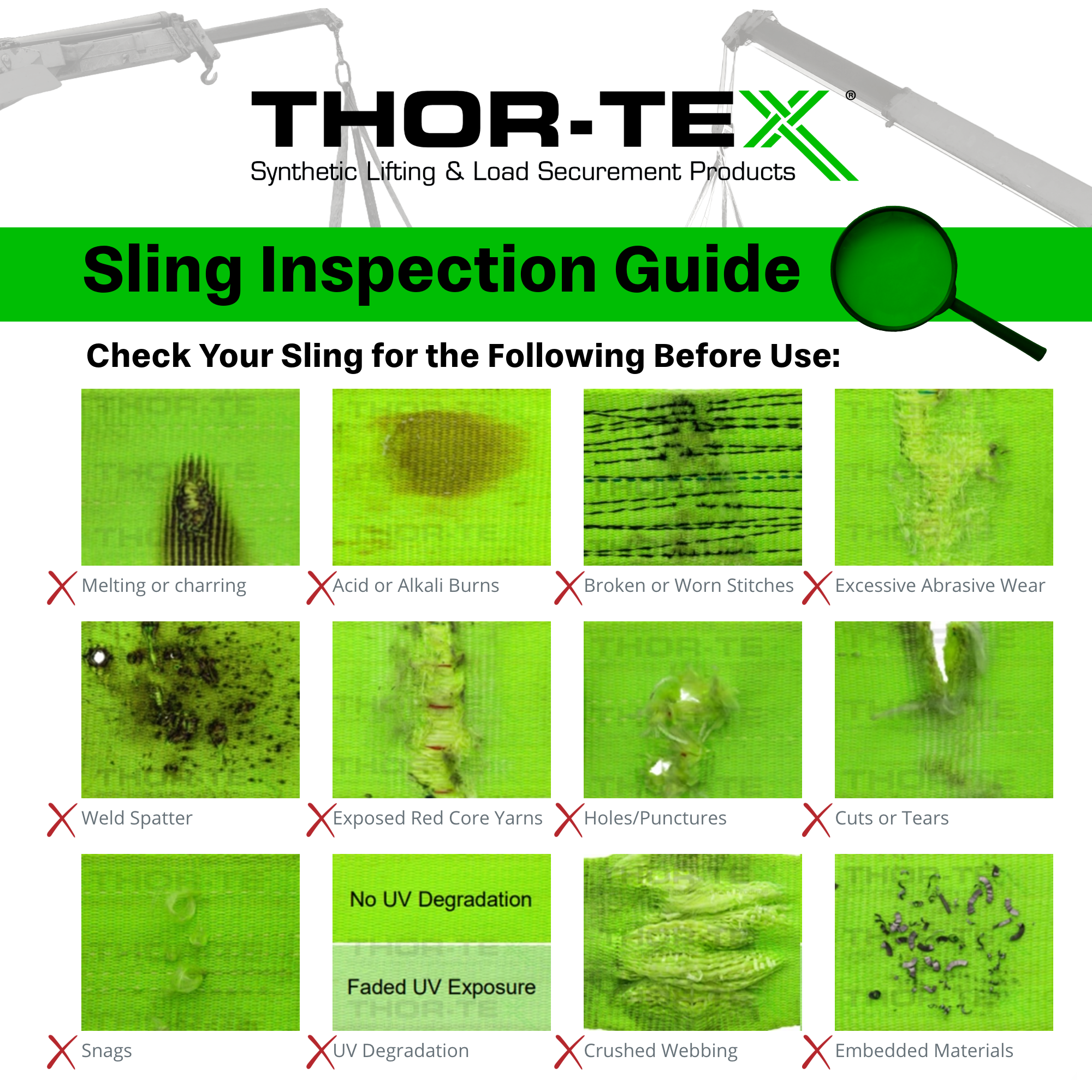
Regular inspection is key to keeping lifting straps safe and effective. Careful checks help spot damage before it causes problems. Inspect straps before every use for the best safety.
Checking For Tears And Cuts
Look closely at the entire length of the strap. Small tears can quickly grow and weaken the strap. Cuts in the fabric reduce the strap’s strength. Remove any strap with visible tears or cuts.
Spotting Wear And Abrasion
Wear shows as thinning or rough spots on the straps. Abrasion happens when straps rub against rough surfaces. These worn areas may fail under heavy load. Replace straps that have heavy abrasion to avoid accidents.
Identifying Damaged Stitching
Examine the stitching carefully along the edges and ends. Loose or broken stitches reduce the strap’s load capacity. Stitching damage can cause the strap to unravel. Fix or replace straps with damaged stitching immediately.
Detecting Chemical Or Heat Damage
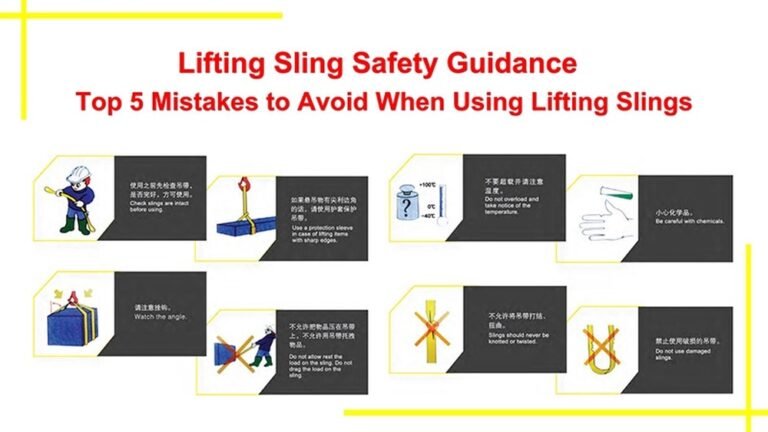
Check for discoloration, stiffness, or melted areas on the straps. Chemicals and heat can weaken the fibers inside. Damaged straps may break unexpectedly. Do not use any strap showing signs of chemical or heat damage.
Storage Guidelines
Proper storage of lifting straps extends their life and keeps them safe. Storing straps correctly prevents damage and maintains their strength. Follow simple guidelines to protect your lifting gear from wear and tear.
Keeping Straps Off The Ground
Always store lifting straps away from the floor. The ground holds dirt, dust, and moisture that can degrade the material. Use hooks, shelves, or storage bins to keep straps clean and dry. This simple step reduces risk of mold and damage.
Avoiding Extreme Temperatures
Do not store straps in very hot or cold places. Extreme heat can weaken fibers and cause straps to lose flexibility. Cold temperatures make materials stiff and brittle. Keep straps in a cool, dry area with stable temperature.
Protecting From Chemicals And Moisture
Keep straps away from harsh chemicals and liquids. Contact with oils, solvents, or cleaning agents can break down fibers quickly. Moisture encourages mold and mildew growth. Store straps in a dry spot, safe from spills or sprays.
Allowing Leather Items To Breathe
Leather lifting straps need air circulation to stay healthy. Avoid plastic bags or airtight containers. Use cloth bags or open shelves to let leather breathe. Proper ventilation prevents cracking and keeps leather soft and durable.

Credit: getlifewatch.com
Usage Tips
Proper use extends the life of your lifting straps. Careful handling keeps them strong and reliable. Follow simple tips for daily use to avoid damage and ensure safety.
Proper Strap Application
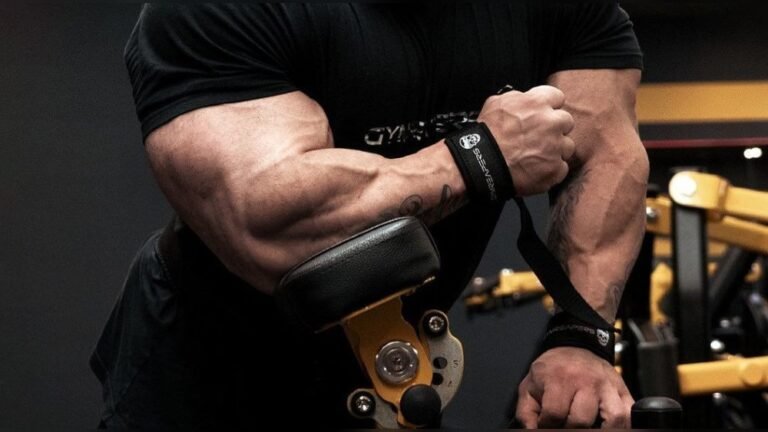
Wrap the strap firmly around your wrist. Then, loop it securely around the bar. Avoid loose wrapping to prevent slipping during lifts. Make sure the strap lies flat without bunching. This helps distribute pressure evenly and protects your skin.
Avoiding Knots And Twists
Check straps before each use to remove knots or twists. Twisted straps weaken the material and reduce grip strength. Knots cause uneven tension and increase wear. Smooth out any folds for a clean, safe lift every time.
Frequency Of Cleaning Based On Use
Clean lifting straps regularly to remove sweat and dirt. For daily lifters, washing once a week works well. Less frequent use means cleaning every two to three weeks is enough. Always air dry straps fully before storing them. This prevents mold and keeps the fabric strong.
Repair And Replacement
Proper care of lifting straps ensures safety and extends their lifespan. Knowing when to repair or replace straps is crucial. Neglecting damage can lead to accidents or equipment failure. This section guides you on repair, replacement, and safe disposal.
When To Repair Straps
Repair straps only if damage is minor and repairable. Small frays or loose stitching can often be fixed. Use strong thread and proper sewing techniques. Avoid quick fixes that reduce strap strength. After repair, inspect straps thoroughly before use. Repairs should restore the strap’s original strength. If unsure about repair quality, avoid using the strap.
Signs To Replace Straps
Replace straps showing deep cuts, tears, or holes. Faded or weak webbing means reduced safety. Broken or missing stitching in load-bearing areas is dangerous. Straps with chemical burns or melting must be discarded. Knots or severe abrasions also signal replacement time. Regularly check straps before each lifting session. Do not risk injury by using worn straps.
Safe Disposal Practices
Dispose of old straps safely to prevent reuse. Cut straps into pieces to avoid confusion. Do not throw old straps where others might use them. Follow local guidelines for textile or synthetic material disposal. Some areas offer recycling for synthetic fabrics. Proper disposal protects others from using unsafe equipment. Keep your gym or workplace safe by removing damaged straps.
Credit: www.dayco.com
Maximizing Strap Lifespan
Maximizing the lifespan of lifting straps helps you save money and ensures safety. Proper care keeps the straps strong and reliable over time. Simple maintenance steps can extend their usability and performance. Follow key tips for routine care, avoiding damage, and choosing the right materials.
Routine Maintenance Schedule
Check your lifting straps regularly for signs of wear or damage. Clean them after every few uses with mild soap and warm water. Avoid machine washing or drying, as this weakens the fabric. Let straps air dry completely before storing. Keep a log or reminder to inspect straps weekly. Replace straps immediately if you find tears, frays, or broken stitching.
Avoiding Common Mistakes
Do not expose straps to harsh chemicals or extreme heat. Avoid pulling straps at sharp angles to prevent cuts and tears. Do not fold or knot straps tightly, as this causes stress points. Store straps in a cool, dry place away from direct sunlight. Never share straps to reduce contamination and wear. Use straps only for their intended lifting purpose to maintain integrity.
Choosing Quality Materials
Select lifting straps made from durable materials like heavy-duty cotton or nylon. Check for reinforced stitching at stress points to increase strength. Opt for straps with a comfortable yet firm grip. Avoid very thin or cheap straps that tear easily. High-quality straps cost more but last longer and perform better. Invest in good straps to protect your hands and support your lifts.
Frequently Asked Questions
How Should I Clean My Lifting Straps?
Hand wash lifting straps with warm water and mild detergent. Avoid machine washing or drying. Air dry completely before use.
How Long Do Lifting Straps Last?
Lifting straps typically last 6 to 12 months with regular use. Proper cleaning and storage extend their lifespan. Inspect straps often for wear and damage. Replace them immediately if you notice fraying, tears, or weakened stitching to ensure safety during lifting.
How To Inspect A Lifting Strap?
Inspect lifting straps by checking for cuts, tears, worn stitching, burns, abrasions, knots, and missing identification tags.
How To Clean Rigging Straps?
Clean rigging straps using mild soap and warm water. Gently scrub with a sponge, avoid hard brushes. Rinse thoroughly and air dry fully before storage. Do not machine wash or dry to prevent damage.
Conclusion
Regular care keeps lifting straps safe and strong for workouts. Clean them gently with mild soap and warm water. Avoid machine washing or drying to prevent damage. Check straps often for wear, cuts, or loose stitching. Store them in a dry, cool place away from sunlight.
Proper maintenance helps extend strap life and improve performance. Small efforts protect your gear and support your lifting goals. Keep your straps ready, so you can focus on lifting safely and confidently.
I am a certified fitness coach with over 10 years of experience helping people improve their strength, endurance, and overall health. Specializes in workout programming, weight training, fat loss, muscle building, home fitness, and evidence-based nutrition.My goal is to make fitness simple and practical through well-researched guides, honest product reviews, and actionable training advice.