If you’ve ever struggled to hold onto heavy weights during your lifts, lifting straps might just be the game-changer you need. These simple tools can boost your grip, letting you push harder and lift heavier without your hands giving out first.
But using lifting straps the right way is key—done wrong, they can cause more harm than good. You’ll learn exactly how to use lifting straps correctly so you can maximize your strength gains safely and confidently. Stick with me, and you’ll discover tips that can help you break through plateaus and protect your grip for the long haul.
Ready to take your lifting to the next level? Let’s dive in!

Credit: www.wikihow.com
Benefits Of Lifting Straps
Lifting straps offer several benefits that help improve your weightlifting experience. They support your grip and let you focus on lifting heavier weights safely. Using lifting straps correctly can boost your performance and reduce fatigue. They are especially useful for exercises like deadlifts, rows, and shrugs.
Enhancing Grip Strength
Lifting straps help secure your hold on the bar. This support allows you to lift without worrying about losing grip. With straps, your hands can maintain a firmer hold on heavy weights. This reduces slipping and improves control during lifts. Strong grip support helps you lift more confidently.
Maximizing Lifting Capacity
Straps transfer some load from your hands to your wrists. This shift lets you lift heavier weights than you could with grip alone. You can push yourself beyond your usual limits safely. This helps build muscle and strength faster. Straps allow you to train with maximum weight for better results.
Reducing Grip Fatigue
Grip fatigue often stops lifters from completing sets. Lifting straps lessen the effort needed to hold the bar. This means your hands tire less quickly during workouts. Reduced fatigue lets you perform more reps and sets. You can focus on muscle work instead of grip strength.
Credit: reedotsports.com
Types Of Lifting Straps
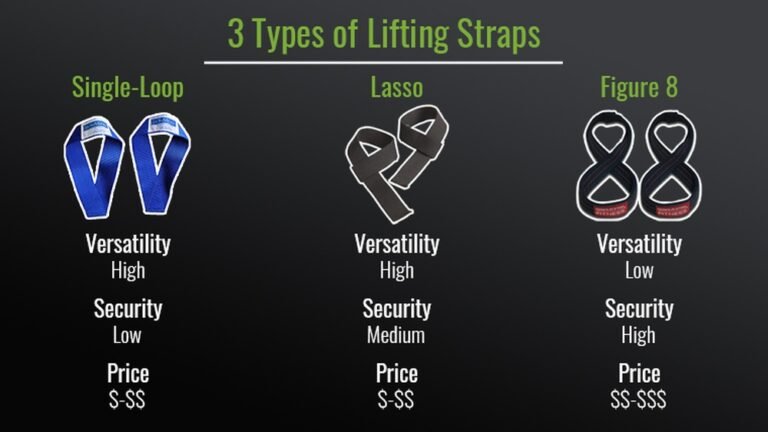
Lifting straps come in different types. Each type suits specific needs and lifting styles. Knowing the differences helps you pick the right straps. Here are the common types of lifting straps used by many lifters.
Cotton Straps
Cotton straps are soft and flexible. They offer good grip and comfort. These straps are easy to wrap around the bar. Cotton straps are ideal for beginners and general lifting. They absorb sweat well, keeping your hands dry.
Leather Straps
Leather straps are strong and durable. They provide a firm grip on heavy bars. Leather lasts long and resists wear and tear. These straps are perfect for heavy lifting sessions. They may feel stiff at first but soften with use.
Nylon Straps
Nylon straps are lightweight and resistant to stretching. They dry quickly and are easy to clean. Nylon offers a secure grip but feels less soft than cotton. These straps suit lifters who want durability without extra weight.
Figure 8 Straps
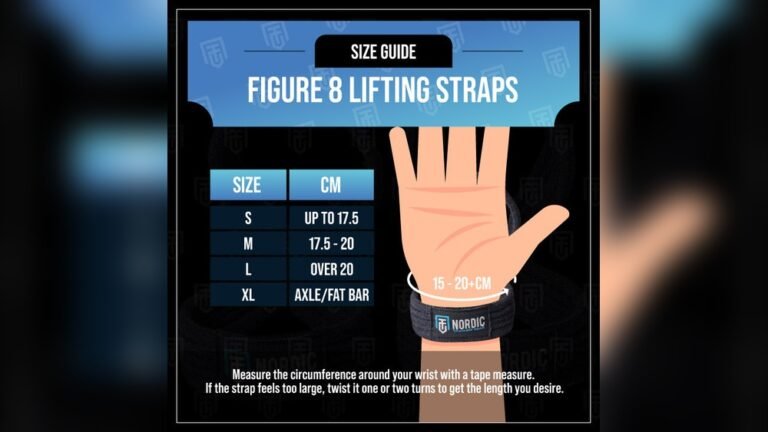
Figure 8 straps have a unique shape for extra support. They wrap around the wrist and bar for a tight hold. These straps help with very heavy lifts like deadlifts. Figure 8 straps reduce grip fatigue but limit hand movement.
Proper Wrapping Techniques
Proper wrapping techniques ensure lifting straps work effectively and safely. Using the right method helps maintain grip and control during heavy lifts. It also prevents slipping and discomfort. Follow these steps for the best fit and support.
Wrapping Around The Bar
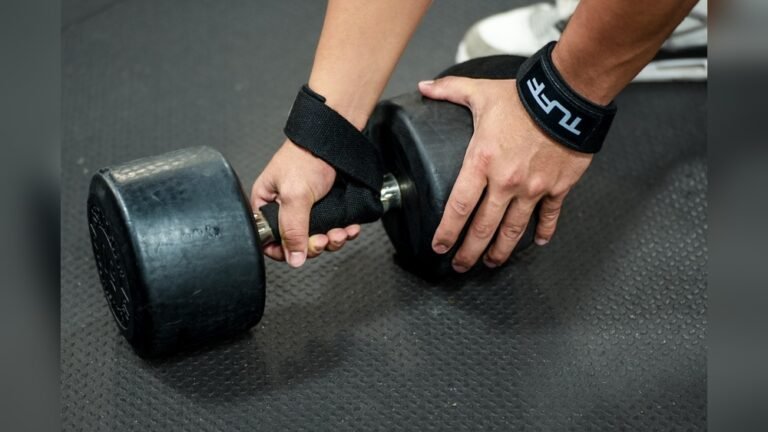
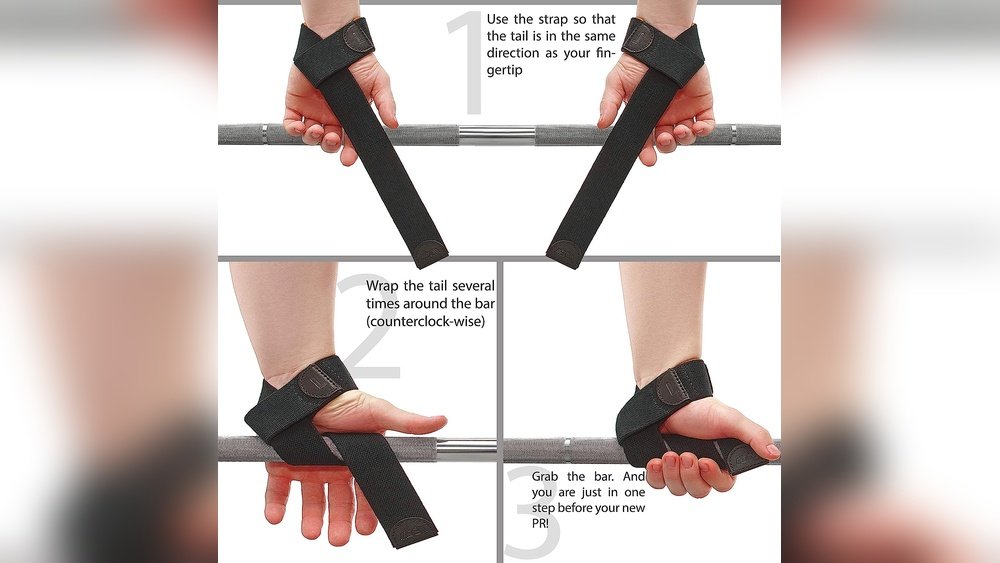
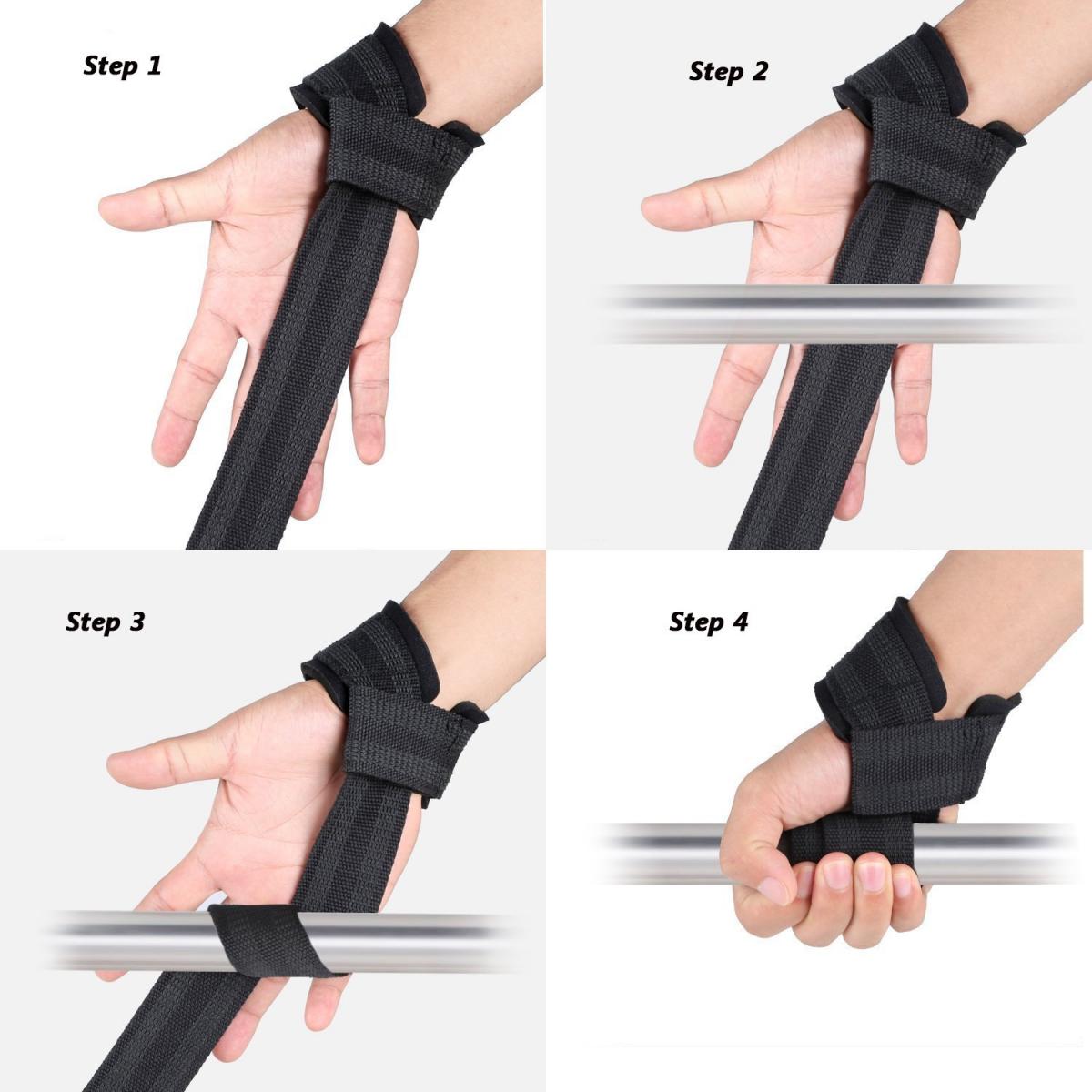
Start by placing the strap under the bar. Wrap it over the top of the bar once or twice. Make sure the strap lies flat against the bar. Avoid twisting the strap as it reduces grip strength. A tight wrap creates a secure hold.
Securing The Strap On Your Wrist
Slide your hand through the loop of the strap. Tighten the loop so it fits snugly around your wrist. The strap should not cut off blood flow or cause pain. Adjust it until it feels firm but comfortable. This keeps the strap from moving during lifts.
Dominant Vs Non-dominant Hand Methods
Wrap the strap differently on your dominant and non-dominant hands. On your dominant hand, wrap the strap so it pulls inward toward your palm. On your non-dominant hand, wrap it so it pulls outward from your palm. This balances grip strength and control. Practice both methods to find what feels best.
Using Straps For Different Lifts
Lifting straps help you hold heavy weights better. They wrap around your wrist and the bar to improve grip. Using straps can change how you perform different exercises. Each lift needs a slightly different strap technique. This guide covers how to use straps for common lifts.
Deadlifts
Wrap the strap around your wrist first. Loop it tightly around the bar. Use a mixed grip for better hold. Straps reduce grip fatigue during heavy deadlifts. Keep your wrist straight to avoid injury. Straps let you focus on lifting power, not grip.
Rows
Straps help maintain grip during bent-over rows. Wrap the strap firmly around the barbell or dumbbell. This prevents the weight from slipping. Straps allow you to pull heavier loads safely. Keep your back flat and core tight while rowing.
Pull-ups
Loop the straps around your wrists and the pull-up bar. Wrap the strap tightly for a secure grip. Straps reduce strain on your hands and forearms. They let you do more reps by supporting your grip. Maintain controlled movement for best results.
Shrugs
Use straps to hold heavy dumbbells or barbells during shrugs. Wrap the straps tightly around your wrists and the weights. This improves grip and prevents dropping. Focus on lifting your shoulders straight up. Straps help increase weight without grip failure.
Common Mistakes To Avoid
Using lifting straps can improve your grip during heavy lifts. Yet, many lifters make mistakes that reduce their benefits. Avoiding common errors helps you get the most from your straps. This section covers key mistakes and how to steer clear of them.
Wrapping Too Loosely Or Tightly
Wrapping straps too loosely causes slipping during lifts. Your grip will fail, increasing risk of dropping the weight. Wrapping too tightly cuts off circulation and feels uncomfortable. Find a balance where the strap is snug but not painful. This ensures a secure hold and steady blood flow.
Using Straps On Light Sets
Using straps on light sets reduces grip strength development. Your hands get less work, weakening over time. Save straps for heavy sets where grip limits your lift. Train your grip naturally on lighter weights. This builds strength and prevents dependence on straps.
Neglecting Grip Training
Relying solely on straps harms your natural grip strength. Strong hands and forearms are vital for overall fitness. Include grip exercises like farmer’s walks, dead hangs, or plate pinches in your routine. This balances strap use and develops durable grip power.
Risks And Downsides
Lifting straps help you lift heavier weights by improving grip. They are useful tools but come with risks and downsides. Understanding these is important for safe training and long-term strength development.
Weakened Natural Grip
Using lifting straps too often can weaken your natural grip. Your hands and forearms do less work during lifts. This can cause your grip strength to stay the same or even decrease. Strong grip muscles are important for many exercises and daily tasks. Overdependence on straps may slow your progress in building this strength.
Increased Injury Risk
Straps allow you to lift heavier weights than your grip can handle. This can put extra stress on your shoulders and joints. Your stabilizer muscles may not be ready for this added load. As a result, you risk injuries such as strains or tears. It is safer to build grip strength alongside overall muscle strength.
Skin Irritation
Straps can cause skin irritation or chafing on your wrists and hands. This happens when the straps rub against your skin during lifting. Using straps that are too tight or made from rough materials increases this risk. Proper fit and quality material help reduce discomfort and skin problems.
Competition Restrictions
Many powerlifting and strength competitions do not allow lifting straps. Using them in these events can disqualify you. It is important to check the rules before competing. Training without straps prepares you for these competitions and improves overall grip strength.
Balancing Strap Use And Grip Training
Balancing the use of lifting straps with grip training is essential for strong, safe lifting. Straps help lift heavier weights by supporting your grip. Relying only on straps can weaken your natural grip over time. Developing grip strength keeps your hands and forearms powerful. It also improves overall lifting performance and reduces injury risk. Smart lifters use straps strategically while training their grip regularly.
Using Straps Strategically
Use lifting straps for heavy sets where grip limits your lift. Avoid using straps on lighter exercises that build grip strength. Save straps for the last few reps or max lifts. This approach preserves your grip strength while still allowing progress. Pay attention to your grip fatigue and switch to straps when needed. This balance helps improve strength without overusing straps.
Incorporating Grip Exercises
Include grip exercises in your training routine to build hand strength. Use tools like grip trainers, thick bars, or farmer’s walks. Practice dead hangs or towel pull-ups to challenge your grip. Stronger grip muscles support better lifting without straps. Train grip 2–3 times per week to see steady improvements. Grip training also helps prevent injuries and boosts overall performance.
Alternating Grip Styles
Switch between different grip styles to strengthen various muscles. Use overhand, mixed, or hook grips during lifts. Changing grips reduces strain and trains your hands evenly. Rotate grips each session or set to avoid overuse injuries. Alternating grips improves grip endurance and control. This variety helps maintain balanced strength and reduces strap dependency.
Credit: www.artofmanliness.com
Maintenance And Care
Proper maintenance and care of your lifting straps ensure they last longer and perform well. Clean and inspect them regularly to avoid damage. Taking good care prevents accidents and improves your lifting safety.
Cleaning Your Straps
Remove dirt and sweat after every use. Hand wash with mild soap and cold water. Avoid harsh detergents that can weaken the fabric. Rinse thoroughly and air dry. Do not use a dryer as heat can damage straps.
Inspecting For Wear And Tear
Check straps before each workout. Look for frayed edges, tears, or thinning areas. Pay attention to stitching and loops. Small damage can lead to strap failure. Replace straps if you find any serious wear.
Replacing When Necessary
Replace straps that show significant damage. Using worn straps can cause accidents or injuries. Keep spare straps handy for uninterrupted training. Always choose quality straps that match your lifting needs.
Frequently Asked Questions
How To Correctly Use Lifting Straps?
Wrap the strap around your wrist, then loop it tightly around the bar’s middle. Grip firmly, keeping straps inside the bar. Pull the bar while maintaining wrist tension for secure lifts. Use straps only on heavy sets to support grip without overdependence.
What Are The Downsides Of Lifting Straps?
Lifting straps can weaken grip strength if overused and increase shoulder injury risk by allowing heavier lifts. They may cause skin irritation and limit muscle connection. Straps are banned in some competitions and can create dependency, reducing natural forearm development and grip training effectiveness.
Do You Put Lifting Straps Over Or Under?
Place lifting straps under your wrists and wrap them over the bar. This ensures a secure grip and better support during lifts.
At What Point Should I Start Using Lifting Straps?
Start using lifting straps when your grip limits your ability to lift heavier weights safely. Use them mainly for heavy sets. Avoid overusing to prevent grip weakness and injury risk.
Conclusion
Using lifting straps can help you lift heavier weights safely. Always wrap them correctly around the bar. Avoid overusing straps to keep your grip strong. Remember to train your hands and forearms without straps sometimes. This balance prevents injuries and builds natural strength.
Practice good form first, then add straps for support. Stay consistent and listen to your body’s signals. With care, lifting straps become a helpful tool in your workouts. Keep these tips in mind to lift smarter and safer every time.
I am a certified fitness coach with over 10 years of experience helping people improve their strength, endurance, and overall health. Specializes in workout programming, weight training, fat loss, muscle building, home fitness, and evidence-based nutrition.My goal is to make fitness simple and practical through well-researched guides, honest product reviews, and actionable training advice.